
Rattan is widely used in furniture, but many people don’t clearly understand what it actually is or how different types perform.
Rattan material is a natural climbing palm with a solid core, known for flexibility and strength. It is used in furniture and woven products, with performance varying between natural and synthetic forms.
Quick answer: Rattan comes from a solid-core palm. Natural rattan is flexible but moisture-sensitive, while synthetic rattan is weather-resistant and suited for outdoor use.
Some crack in humidity. Some fade outdoors. Some are not real rattan.
This guide explains what rattan material is, where it is used, and how natural and synthetic types differ.
I. Defining the Basics of Rattan Material
Rattan material is a solid-core vine belonging to the palm family, distinctive for its climbing growth habit and extreme tensile strength. Historically, it has transitioned from a rustic utility material to a cornerstone of luxury hospitality design due to its organic warmth.
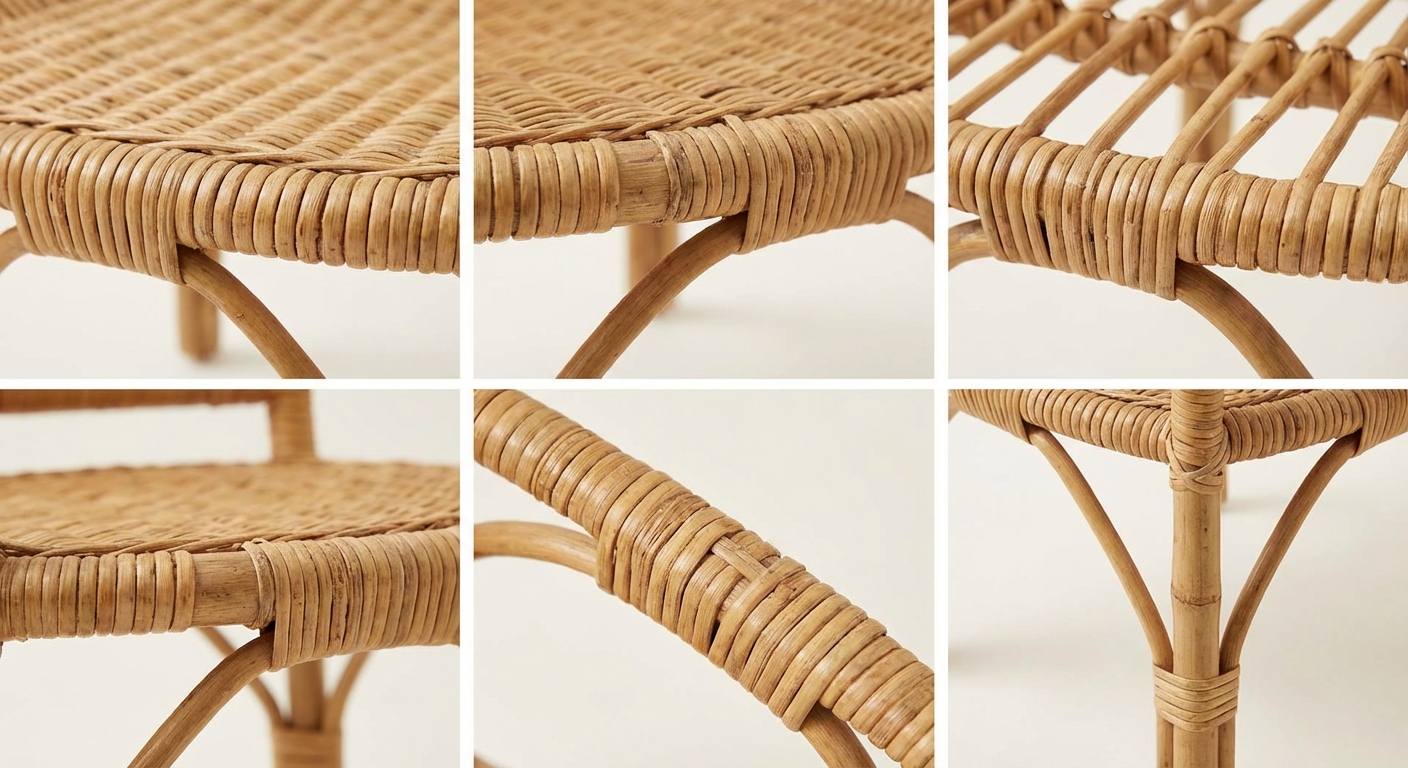
Historical Use in Furniture Production
The use of this fiber dates back to ancient Egypt, proving its longevity across civilizations. Modern manufacturing has refined these traditional methods into specialized export-grade furniture.
Professional Material Classification
Successful sourcing relies on identifying the specific species of palm used in production.
- Solid core construction unlike hollow bamboo.
- Over 600 known species with varying commercial values.
- High resilience compared to traditional hardwoods.
The following data provides a foundational summary of the core physical properties that define professional-grade fibers.
| Feature | Description | Business Benefit |
|---|---|---|
| Core Structure | Solid and fibrous | High load-bearing capacity |
| Surface Texture | Naturally glossy | Requires minimal chemical finishing |
| Pliability | High when steam-treated | Allows for complex ergonomic curves |
This foundational knowledge helps you avoid mislabeling inventory.
Are you ready to see where it grows?
II. Natural Growth of Rattan Material
Authentic rattan material thrives primarily in the tropical rainforests of Southeast Asia, where high humidity and temperature facilitate rapid vine expansion. These vines can grow hundreds of feet long, wrapping around forest canopies to reach sunlight.
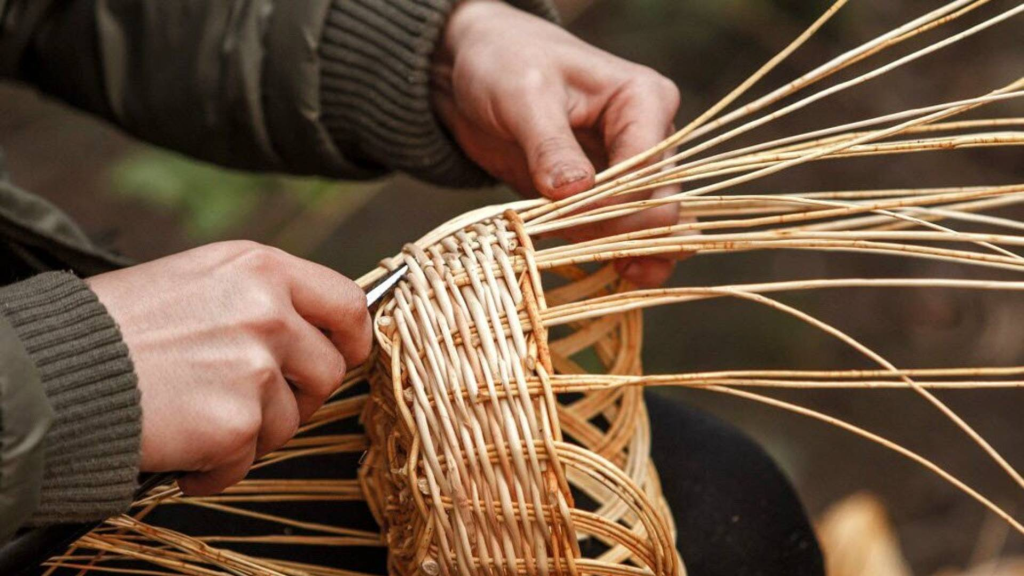
Botanical Origins in Southeast Asia
Indonesia is the global leader in production, providing the vast majority of raw stock for international furniture factories. This concentrated geographical origin makes the supply chain highly specialized.
Growth Cycles and Vine Maturity
Harvesting occurs every 5 to 7 years to ensure the fibers have reached peak density.
- Sustainable harvesting promotes forest preservation.
- Mature vines offer superior resistance to splitting.
- Hand-harvested by local communities to protect growth nodes.
The following table summarizes the environmental conditions necessary for producing top-tier raw fibers.
| Parameter | Optimal Condition | Impact on Quality |
|---|---|---|
| Climate | Tropical (High Humidity) | Prevents fiber brittleness |
| Soil Type | Nutrient-rich volcanic soil | Encourages rapid, thick growth |
| Harvesting Age | 5-7 Years | Maximizes tensile strength |
Understanding growth patterns is key to predicting seasonal supply.
Now, let’s untangle the common terminology.
III. Wicker Weave vs. Rattan Material
The most common confusion in the industry is the interchangeable use of “wicker” and “rattan material.” In professional terms, rattan describes the physical substance, whereas wicker identifies the specific method of interlacing fibers.
Distinguishing Terminology for Buyers
Buying “wicker” could mean you are receiving plastic, willow, or paper, but ordering “rattan” specifies the palm fiber. For high-volume outdoor furniture orders, this distinction is critical for durability expectations.
Woven and Non-Woven Variations
Modern designs often utilize the material in its raw pole form rather than just woven patterns.
- Wicker is a process, not a plant.
- Rattan can be used for solid frames or fine weaving.
- “Resin wicker” is always synthetic, never natural.
This comparison table highlights the fundamental differences between material sourcing and production techniques.
| Criteria | Rattan (The Material) | Wicker (The Technique) |
|---|---|---|
| Classification | Botanical Palm Fiber | Construction Methodology |
| Composition | 100% Organic | Can be natural or synthetic |
| Visibility | Seen in frames and skins | Seen in cross-hatch patterns |
Knowing this difference prevents costly procurement errors.
What makes it so strong?
IV. Physical Traits of Rattan Material
The internal structure of rattan material consists of thousands of longitudinal fibers packed together, creating a material that is nearly impossible to snap by hand. This unique composition allows it to absorb impacts that would cause solid wood to crack.
Flexibility and Tensile Strength
By applying steam, artisans can bend thick poles into intricate shapes that “lock” into place once cooled. This property is why it remains the gold standard for curved chair backs and armrests.
Natural Resistance to Insects
The natural oils within the plant act as a deterrent to many common wood-boring pests.
- High silica content provides a natural protective barrier.
- Less prone to rot than softwoods when kept in dry conditions.
- Naturally accommodates how to choose outdoor furniture materials strategies.
This table summarizes the physical advantages that make this material a preferred choice for contract-grade furniture.
| Property | Measurement/Value | Practical Application |
|---|---|---|
| Pliability | High (Steam-sensitive) | Modern curved silhouettes |
| Weight | Lightweight | Stackable café seating |
| Core Density | Solid | Structural frames |
These traits ensure your furniture stands the test of time.
How is it actually built?
V. Structural Design with Rattan Material
When designing furniture, engineers utilize the various parts of the rattan material for different functional roles. The thick “poles” form the skeleton of the piece, while the “peel” or bark is used for binding joints and decorative weaving.
Using Raw and Debarked Poles
Raw poles retain their natural skin for a rustic look and extra weather protection, while debarked poles are sanded smooth for high-end finishes. Using uniform diameters is essential for ensuring the stability of bulk inventory.
The Function of Rattan Bark Blades
The outer skin is stripped into thin ribbons called “caning”, which is used to wrap joints for added structural integrity.
- Wrapped joints prevent screws from loosening over time.
- The skin is waterproof, protecting the inner core.
- Offers a tactile, textured finish for premium collections.
The table below outlines the specific functions of the various material components used in factory production.
| Component | Usage | Primary Benefit |
|---|---|---|
| Large Pole | Structural Framing | Weight distribution and stability |
| Bark (Peel) | Joint Wrapping | Structural reinforcement |
| Core (Reed) | Intricate Weaving | Aesthetic detail and comfort |
Mastering these components leads to better design specifications.
Let’s look at where these designs shine.
VI. Versatility of Rattan Material
The aesthetic of rattan material spans from tropical boho to “Old World” European elegance. Because it accepts stains and paints easily, manufacturers can adapt it to any brand’s color palette without losing the organic texture.
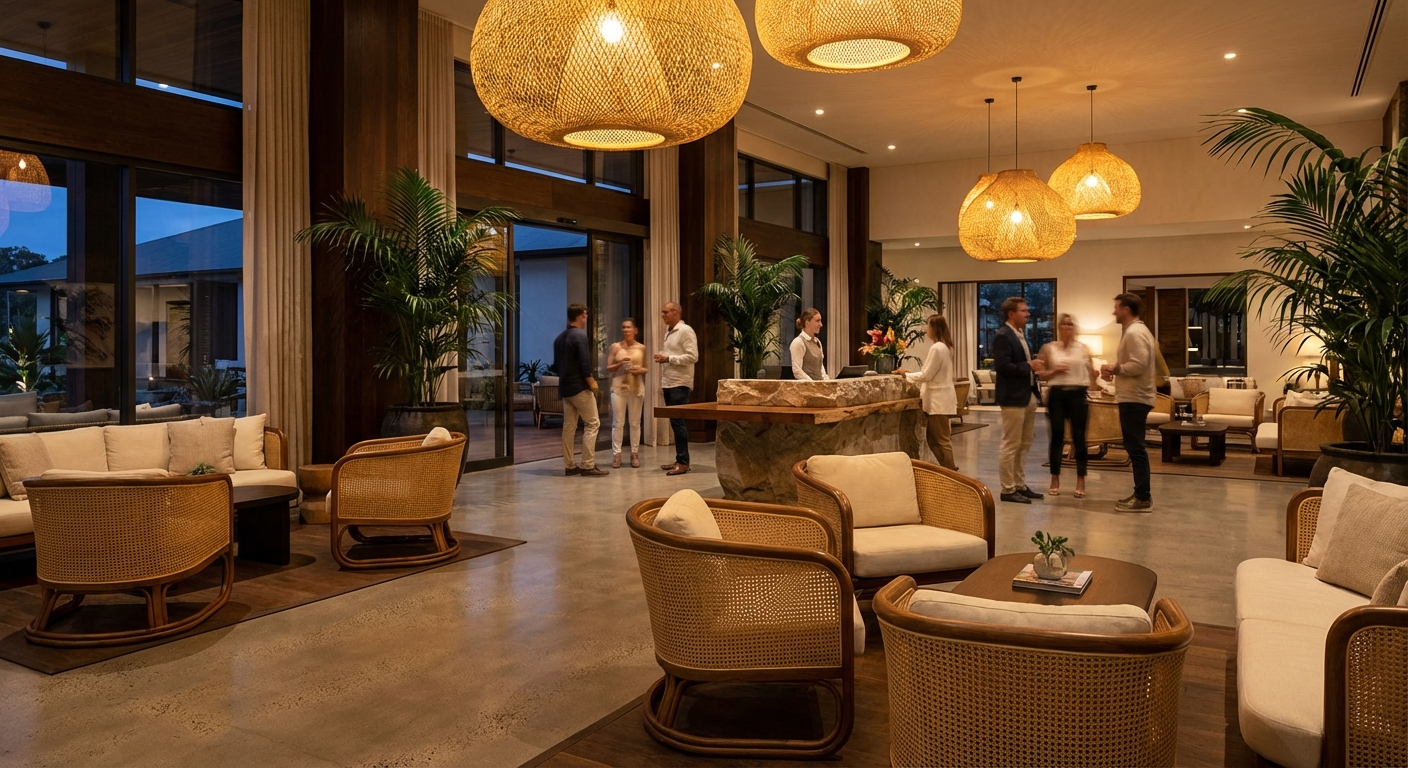
Indoor Aesthetic Applications
In luxury hotels and residences, it provides a “biophilic” element that connects guests with nature. Its breathable weave is particularly popular in warm climates as it prevents heat buildup on seating surfaces.
Customization for Commercial Spaces
Designers often select this material when they need lightweight, custom-colored furniture for large-scale operations.
- Can be stained to match the best wood for outdoor furniture, like Teak or Walnut.
- Breathable properties improve guest comfort in lobbies.
- Organic textures soften harsh, modern architecture.
The following summary table lists the primary commercial applications and their specific benefits.
| Environment | Specific Product | Industry Advantage |
|---|---|---|
| Hospitality | Lounge Armchairs | Evokes a premium, relaxed atmosphere |
| High-End Retail | Display Shelving | Unique texture draws customer attention |
| Office Design | Accent Seating | Reduces the sterile “corporate” feel |
Versatility is the main reason designers specify it year after year.
But what about the logisitics?
VII. The Lightweight Advantage in Logistics
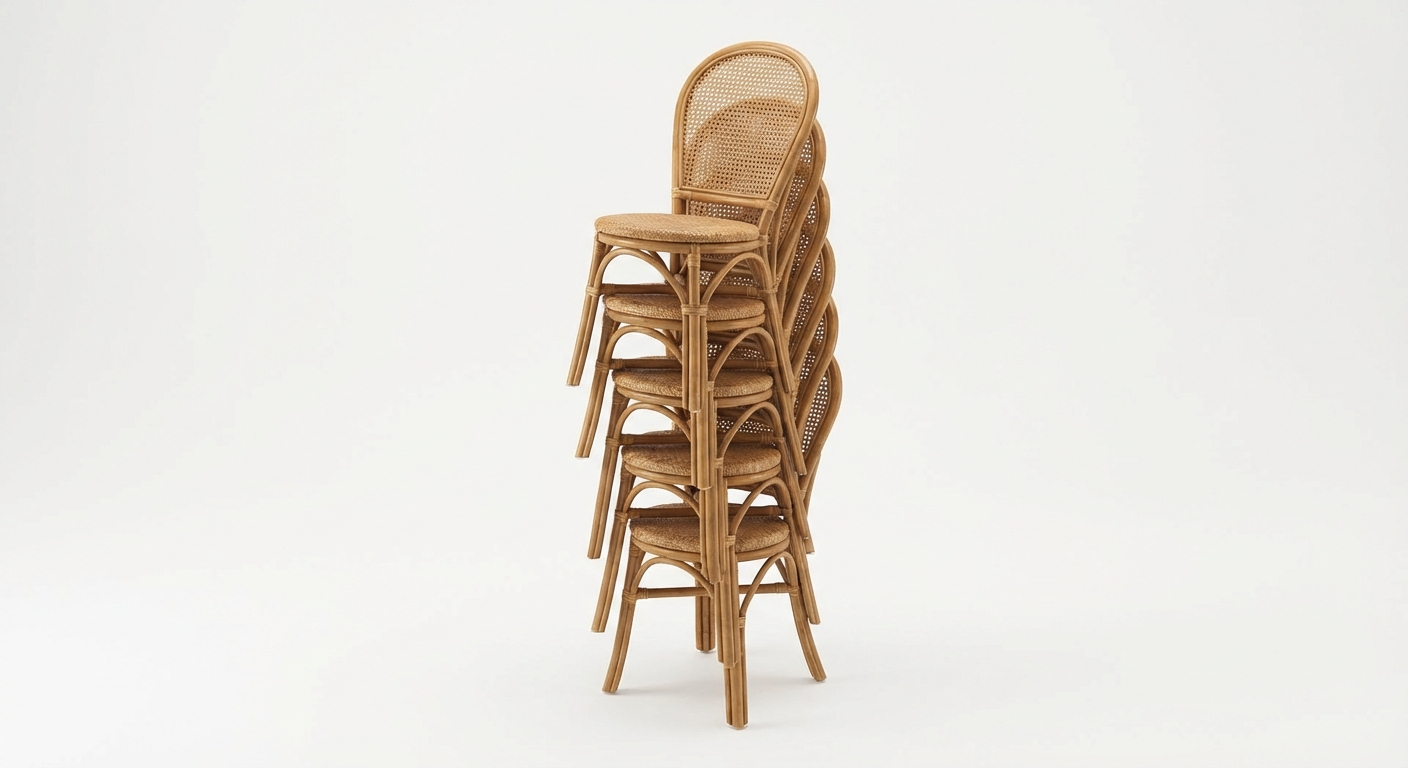
Logistical costs can break a project’s budget, and rattan material offers a significant weight advantage over iron or solid oak. For high-volume B2B orders, this translates to lower shipping costs and faster setup times on-site.
Easy Handling for High-Volume Orders
Event planners and hotel managers prefer these materials because staff can move and reconfigure dining halls without specialized equipment. The reduced mass also minimizes the risk of worker injury during installation.
Shipping and Storage Efficiency
Because the material is pliable, many designs are stackable, maximizing container space during international transit.
- Lower tare weight reduces fuel surcharges.
- Pliability allows for nested packaging designs.
- High strength-to-weight ratio ensures durability during transit.
This summary table compares the logistics of different seating materials for bulk buyers.
| Material | Relative Weight | Shipping Efficiency |
|---|---|---|
| Rattan Fiber | Ultra-Light | High (Stackable) |
| Wrought Iron | Very Heavy | Low (Bulk Freight) |
| Solid Teak | Moderate | Medium (Flat Pack) |
Saving on shipping means more budget for quality products.
Is it truly eco-friendly though?
VIII. Sourcing Rattan Material Sustainably
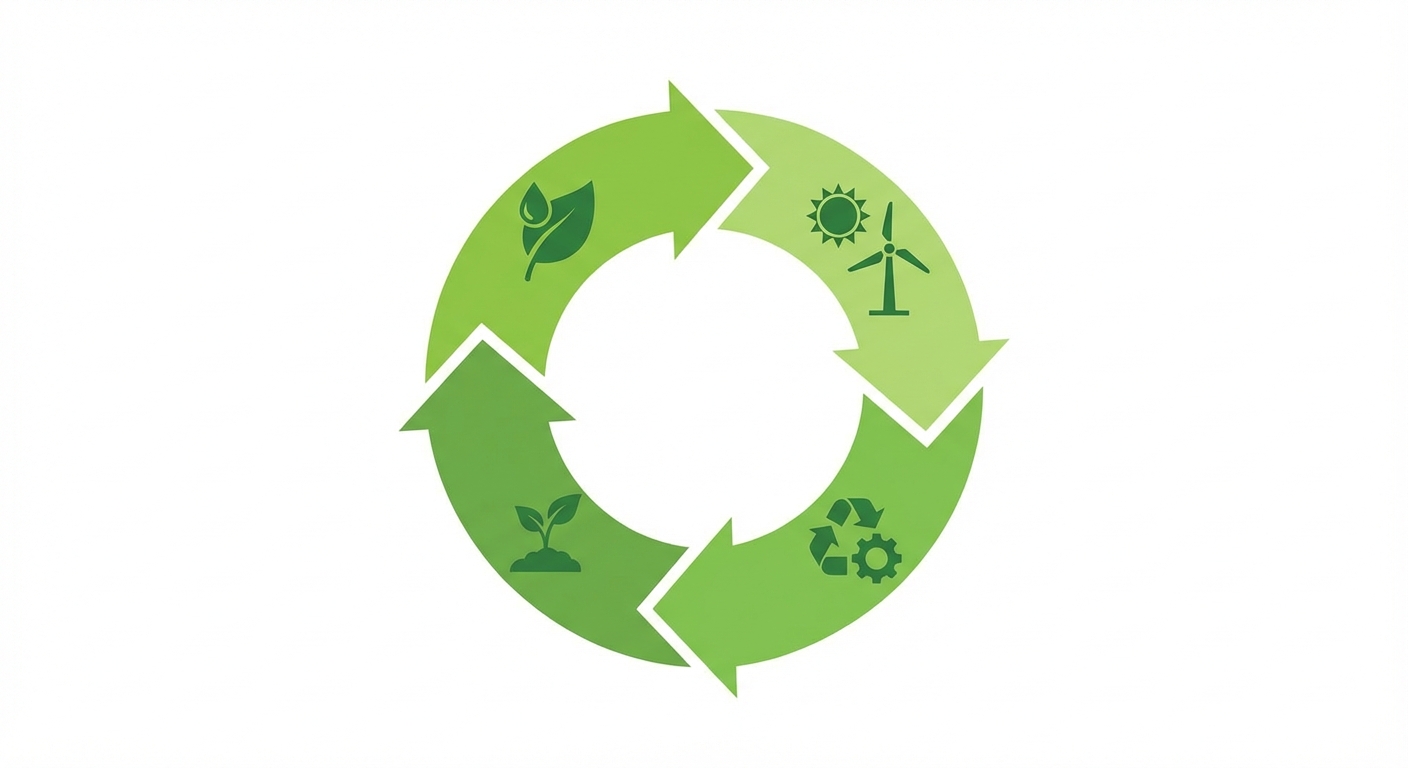
Unlike slow-growing hardwoods that take decades to mature, rattan material is a “non-timber forest product” that regenerates quickly. Its harvest actually encourages the preservation of rainforests, as the vines require healthy trees to climb.
Eco-Impact for Green Procurement
Choosing natural fibers over plastic synthetics significantly reduces the carbon footprint of a project. Sourcing from certified plantations ensures that the local tropical ecosystems are managed responsibly.
Supporting Local Tropical Economies
The industry provides vital income for forest-dwelling communities, preventing the conversion of jungles into farmland.
- Rapid 5-year growth cycle vs. 40 years for trees.
- Zero-waste production (every part of the vine is used).
- Promotes biodiversity by preserving the forest canopy.
This table summarizes the sustainability metrics of palm-based fibers compared to synthetic alternatives.
| Metric | Natural Rattan | Synthetic PE Rattan |
|---|---|---|
| Renewable Cycle | 5-7 Years | Non-renewable (Oil-based) |
| Biodegradability | 100% | Non-biodegradable |
| Carbon Footprint | Carbon Negative (Forest Growth) | High (Manufacturing) |
Environmentally conscious sourcing is no longer optional in today’s market.
How do you keep it looking new?
IX. Maintenance Guide for Natural Rattan
Maintaining the integrity of rattan material requires a basic understanding of its organic nature. While naturally resilient, it performs best when kept away from prolonged soaking and extreme temperature fluctuations.
Cleaning Methods for Bulk Inventory
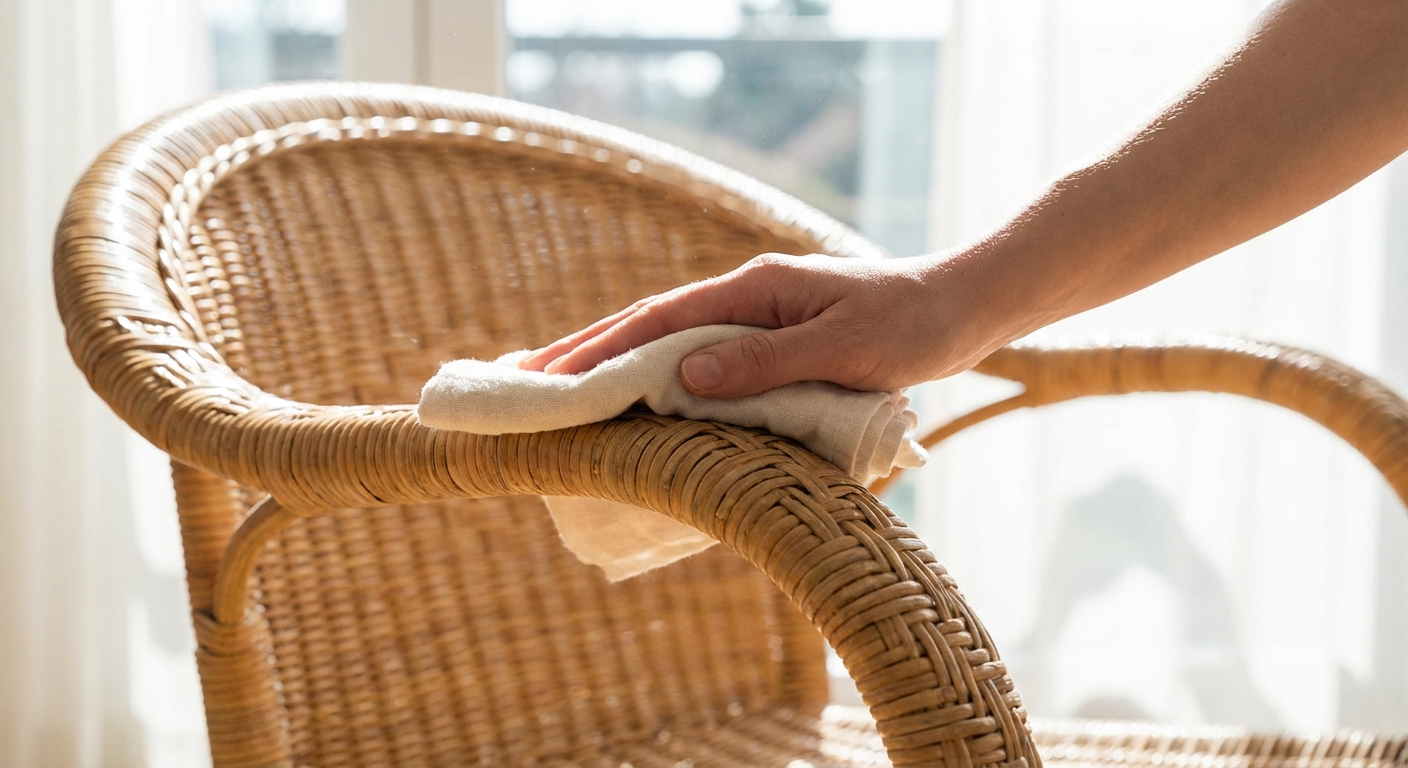
For large commercial spaces, a simple vacuum with a brush attachment is the most efficient way to remove dust from the weave. Periodically wiping with a damp cloth prevents the fibers from becoming overly dry and brittle.
Environmental Controls for Longevity
In indoor environments, maintaining a steady humidity level helps prevent the material from expanding or contracting.
- Avoid high-pressure washers, which shred fibers.
- Use specialized oils to keep the skin supple.
- Repair frayed edges immediately with clear epoxy.
The following table provides a maintenance schedule for facilities managers handling large quantities of natural fiber furniture.
| Frequency | Action | Goal |
|---|---|---|
| Weekly | Dust/Vacuum | Prevent grit buildup in weave |
| Monthly | Damp Wipe-down | Rehydrate fibers in dry climates |
| Annually | Finish Inspection | Check for UV fading or peeling |
Proper care adds years to your investment.
Finally, how does it compare to modern plastics?
X. Modern Alternatives: Natural vs. PE Rattan
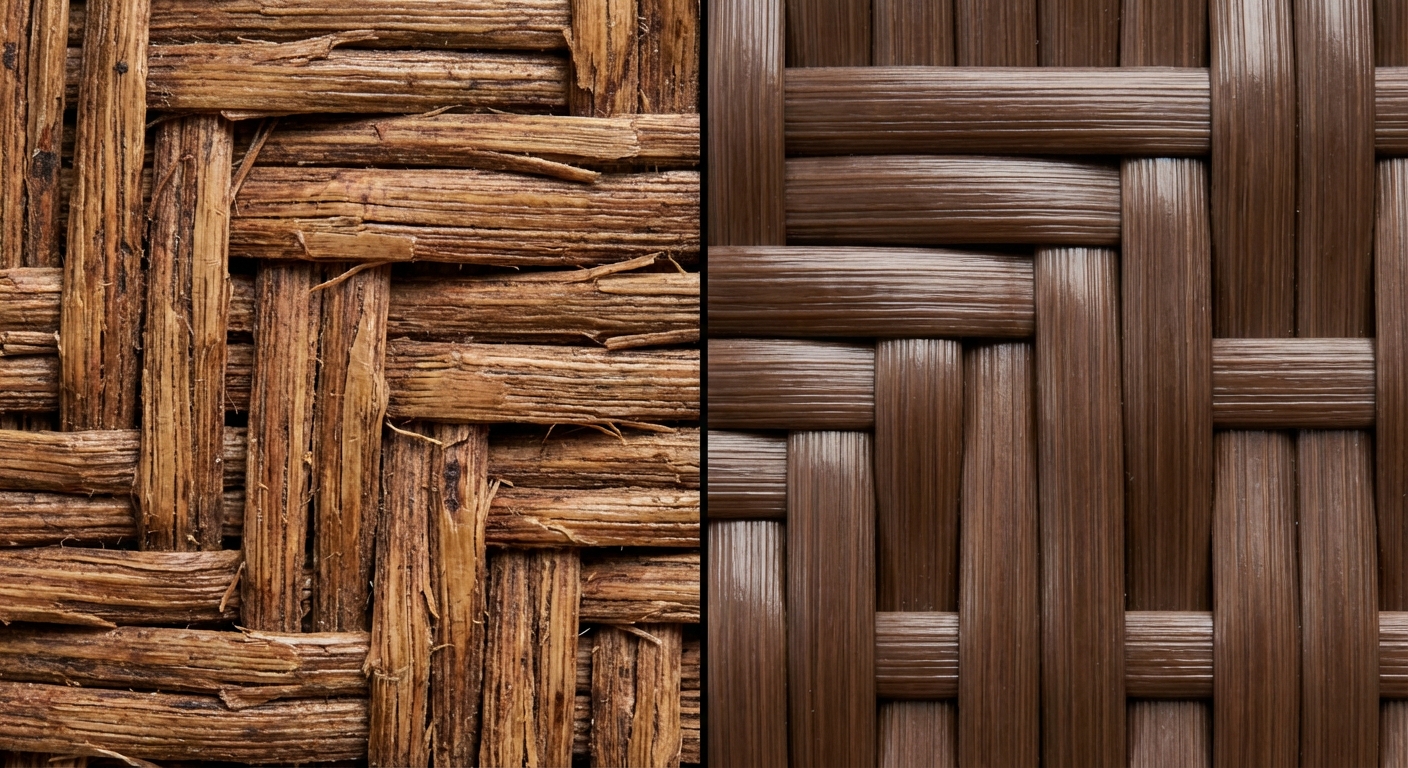
In extreme weather conditions, natural rattan material may struggle, leading to the rise of PE (polyethylene) resin. Choosing between them depends entirely on the specific location of your project and the desired brand image.
When to Specify Synthetic Resin
If your furniture will be placed pool-side or in direct, salt-heavy coastal air, synthetic alternatives are often the more practical B2B choice. However, for interior porches and luxury lounges, natural fibers remain the undisputed king of style.
Performance in Extreme Weather
Natural fibers offer a level of breathability and “prestige” that plastic simply cannot replicate in high-end settings.
- Natural: Superior comfort and tactile feel.
- Synthetic: Superior UV and water resistance.
- Hybrid: Using natural frames with synthetic weaves.
The final comparison table assists you in making the definitive choice for your next hospitality project.
| Environment | Recommended Material | Performance Reason |
|---|---|---|
| Interior Lobbies | Natural Rattan | Aesthetic warmth and luxury feel |
| Uncovered Patios | PE Resin (Synthetic) | Resistance to rain and sun rot |
| Covered Terraces | Natural (Treated) | Protection from UV with authentic look |
Both materials have their place; the key is matching the fiber to the environment.
FAQ
Can I use natural rattan furniture for an uncovered poolside deck?
It is not recommended, as constant exposure to water and UV rays will cause natural fibers to grey and weaken; synthetic PE resin is the better choice for this specific application.
How do I tell the difference between real rattan and bamboo furniture?
Check the core: rattan is a solid, flexible stem all the way through, whereas bamboo is a hollow grass with distinct horizontal nodes.
Is rattan material strong enough for heavy-use hotel dining rooms?
Yes, provided it is designed with large-diameter poles and reinforced joints, it offers one of the highest strength-to-weight ratios of any natural material.
Final check
Selecting the right rattan material is essential for brand reputation and product longevity. At Everwoody, we combine traditional craftsmanship with factory-level precision to deliver furniture that meets the highest international standards. For professional inquiries regarding bulk orders or custom specifications, please contact us to discuss your project requirements.