
Sourcing furniture for global retail environments presents a constant battle against material instability and rising logistics costs that can quickly erode your profit margins if not managed with technical precision.
Engineered wood furniture is a composite product manufactured by binding wood fibers, veneers, or particles with specialized adhesives under high heat and pressure. It provides superior dimensional stability, uniform consistency for bulk manufacturing, and significant cost-efficiency compared to traditional solid timber in large-scale B2B furniture procurement cycles.
I. Defining Engineered Wood Furniture Basics
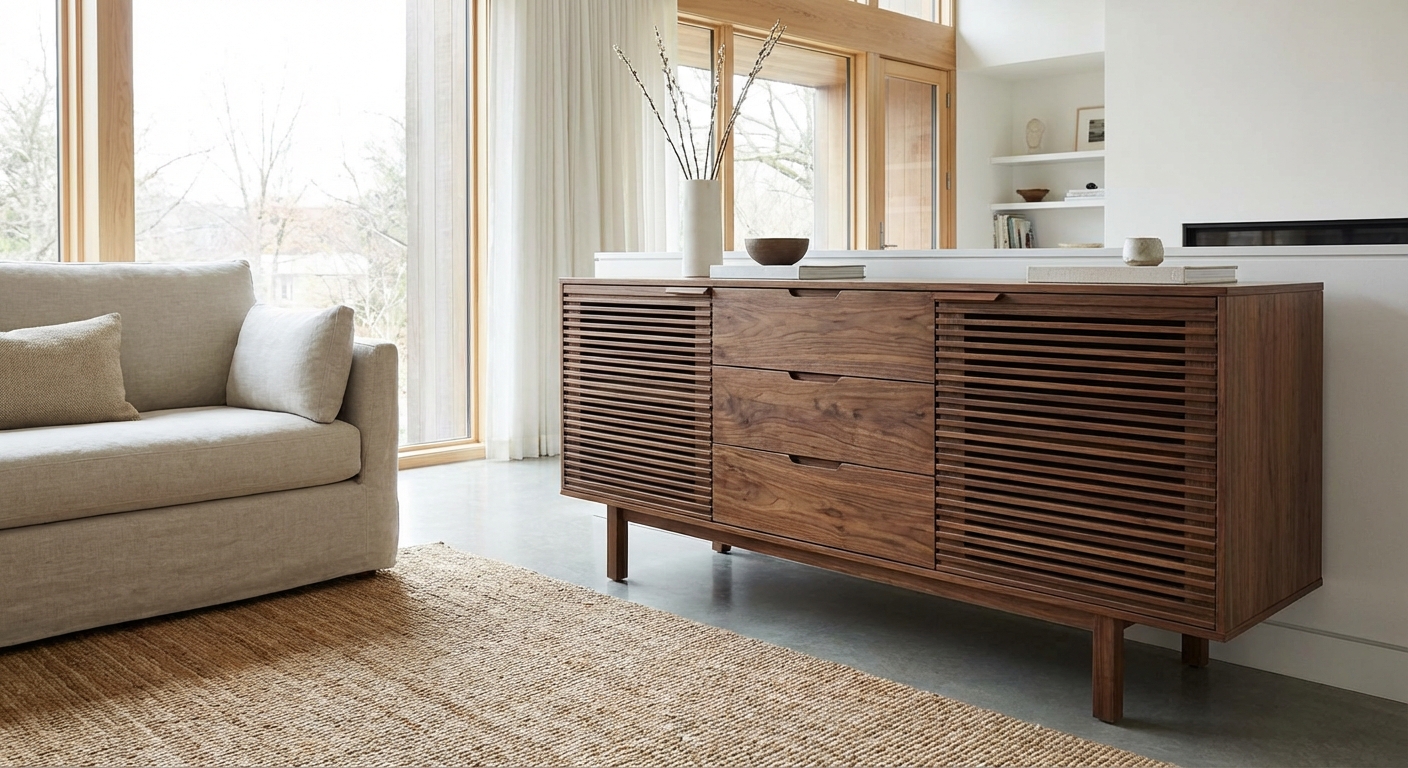
Engineered wood furniture serves as the backbone of modern mass-market furniture production, utilizing composite panels rather than single planks of natural timber. This category encompasses a wide range of materials, including plywood, fiberboard, and particle board, each engineered to solve specific structural or aesthetic challenges encountered in high-volume retail.
Composite Materials and Bonding Agents
The core of this material consists of wood raw materials like chips, sawdust, or veneers that are reconstituted into high-density panels. Manufacturers use urea-formaldehyde or phenol-formaldehyde resins to bond these elements, ensuring that the resulting panel is isotropic and less prone to the directional weaknesses found in natural wood grain.
- Primary wood elements: Sawdust, wood fibers, or thin veneers.
- Synthetic resins: Used as high-strength bonding agents.
- Thermal pressing: Heat and pressure solidify the composite structure.
- Surface treatments: Melamine, veneers, or foils for aesthetics.
How It Differs from Solid Timber
Think about it; while solid timber relies on the natural growth patterns of a tree, engineered panels are designed for predictable mechanical performance. Solid wood can warp or split along the grain due to seasonal humidity changes, but the cross-layered or particle-based structure of engineered products cancels out these internal stresses effectively.
Evolution of Modern Furniture Panels
The development of panel technology has transitioned from simple plywood to ultra-high-density fiberboards that allow for intricate CNC machining and complex modern designs. To be honest, the furniture industry would be unable to meet global demand without the efficiency and scalability offered by these modern composite engineering breakthroughs.
The following data summarizes the historical progression of panel types used in the global supply chain.
| Period | Leading Panel Technology | Primary B2B Advantage |
|---|---|---|
| Pre-1950s | Standard Veneer Plywood | Increased stability over solid planks |
| 1960s-1980s | Particle Board (Chipboard) | Drastic reduction in raw material costs |
| 1990s-Present | MDF and HDF Evolution | Precision machining and lacquer readiness |
| Modern Era | Sustainable Low-VOC Panels | Compliance with global health standards |
But wait, there’s more.
Key Takeaway: Understanding the composition of engineered wood furniture allows buyers to select materials based on specific performance needs, ensuring that lower price points do not result in structural failures during the product lifecycle.
II. Why Importers Choose Engineered Wood Furniture
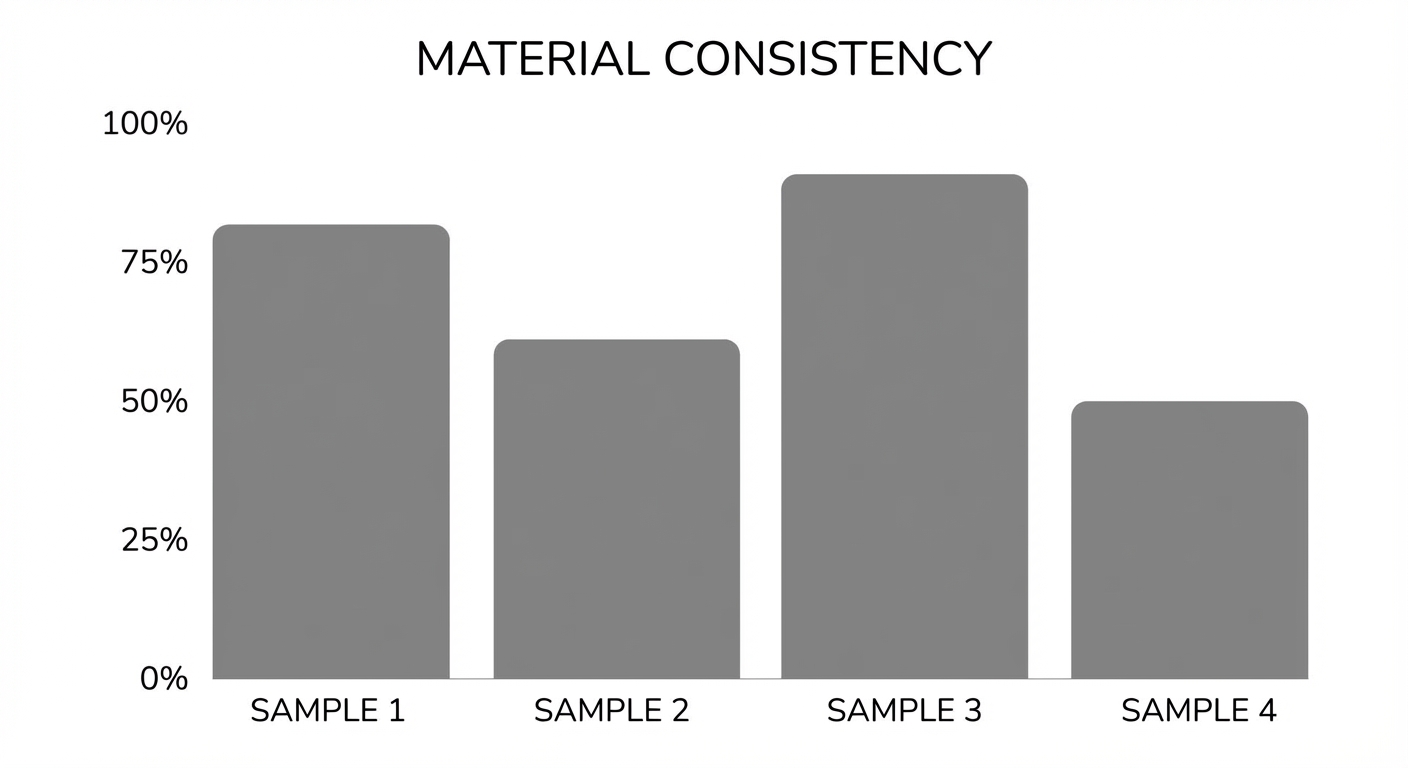
Importers prioritize engineered wood furniture because it offers a level of consistency that is physically impossible to achieve with natural solid timber batches. When ordering thousands of units for a retail rollout, the uniformity of the panels ensures that every item in the container meets the exact same technical specifications.
High Resistance to Warping and Cracking
Look at it this way: the internal structural logic of an engineered panel is specifically designed to resist the expansion and contraction that typically destroys solid wood joints. By alternating grain directions or using pulverized fibers, the material remains dimensionally stable even when shipped across drastically different climate zones from the factory to the end consumer.
Uniformity in Bulk Manufacturing
For high-volume production, the absence of knots, sap pockets, and grain irregularities allows for automated cutting and assembly processes that minimize waste and human error.
- Zero defects: No natural knots or voids in the material core.
- Standardized thickness: Precision to within ±0.1mm across batches.
- Optimized nesting: CNC machines can maximize sheet usage.
- Assembly speed: Pre-drilled holes remain accurate across thousands of units.
Global Logistics and Weight Efficiency
The weight-to-strength ratio of many engineered panels allows for the creation of durable furniture that is significantly lighter than solid oak or maple counterparts. This efficiency translates directly into lower shipping costs and easier handling for the “Ready-to-Assemble” (RTA) market, where flat-pack packaging is the industry standard for profitable distribution.
This comparison highlights why engineered wood is often the safer bet for high-volume consistency.
| Quality Factor | Solid Wood (Buyer Confirms) | Engineered Wood (Buyer Confirms) |
|---|---|---|
| Surface Uniformity | Variable; requires intensive sorting | Consistent; no natural irregularities |
| Internal Stability | Moderate; prone to seasonal warping | High; designed to resist movement |
| Grain Consistency | Unique per piece; hard to match | Uniform; easily replicable in bulk |
| Structural Voids | Possible knots/cracks in the core | None; solid density throughout |
It gets better.
Key Takeaway: Importers should leverage the material consistency of engineered wood furniture to reduce the risk of returns caused by natural wood defects and to optimize their international shipping budgets through improved weight-to-volume ratios.
III. Plywood: Stability in Engineered Wood Furniture
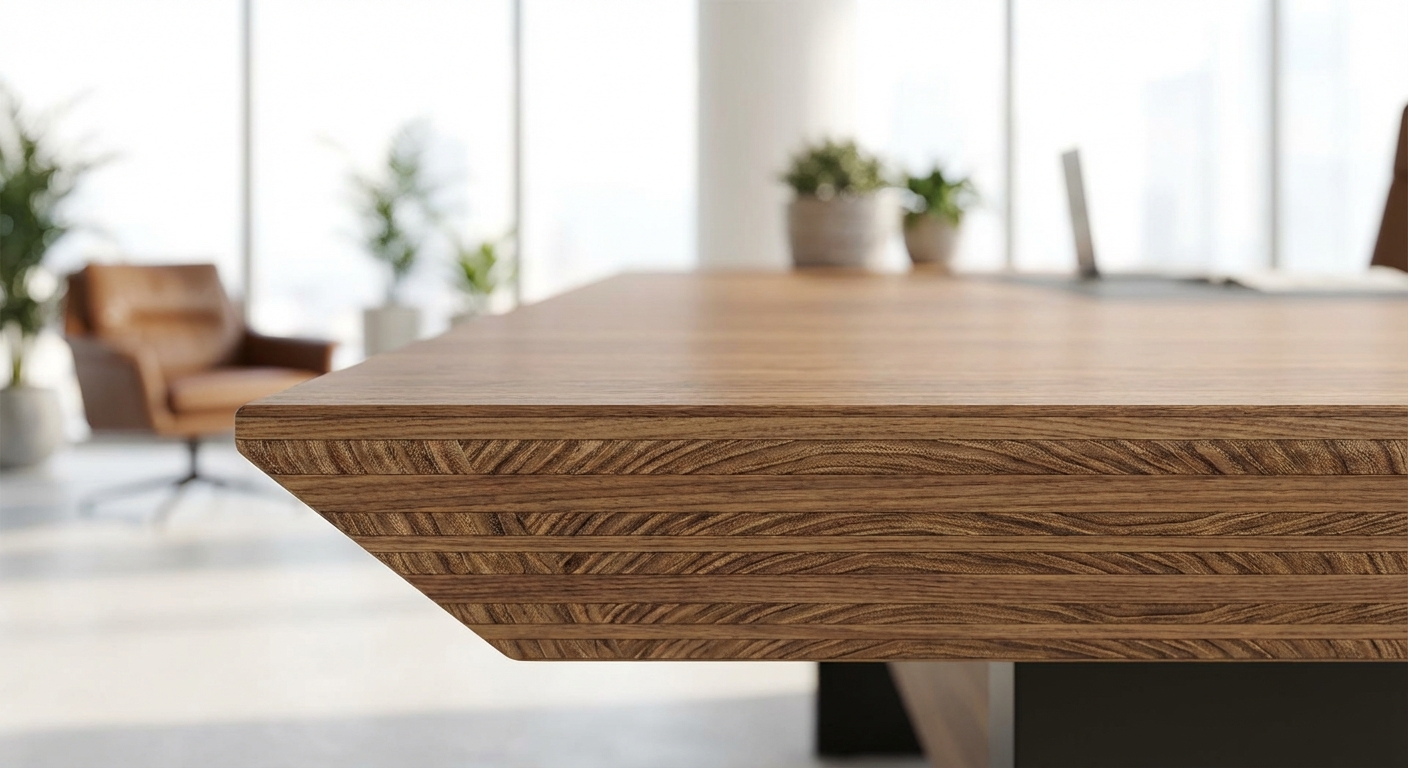
Plywood remains the premium choice within the engineered wood furniture category due to its exceptional structural integrity and load-bearing capacity. By gluing thin layers of wood veneer in a cross-grain pattern, manufacturers create a board that is remarkably strong and highly resistant to impact or heavy weight.
Cross-Grain Lamination Explained
Here is the deal: when you stack veneers with their grains perpendicular to each other, you essentially create a material that cannot be easily split or snapped. This mechanical advantage makes plywood the ideal substrate for high-end office desks and educational furniture that must endure years of rigorous daily use without sagging.
Load-Bearing Grades for B2B Retail
Selecting the correct grade of plywood is essential for matching the product’s durability to its retail price point and intended environment. To determine the best wood for furniture , buyers must consider the core species—such as birch or eucalyptus—which dictates the final strength of the panel.
- Marine Grade: Highest moisture resistance for humid environments.
- Furniture Grade (A/B): Smooth surfaces for high-end veneers.
- Structural Grade: Maximum density for heavy load distribution.
- Birch Plywood: The industry standard for high-durability retail.
Best Applications in Modern Design
Plywood’s unique edge profile has become a design feature in itself, often left exposed in minimalist or Scandinavian-style residential furniture collections. It provides the necessary strength for cantilevered shelves and thin-profile tables that would be structurally impossible to manufacture using solid wood or lower-density particle boards.
The table below outlines the performance characteristics of various plywood cores used in export-grade furniture.
| Plywood Core Type | Density | Primary Use Case | Stability Rating |
|---|---|---|---|
| Birch Core | High | Premium office/home desks | Exceptional |
| Eucalyptus Core | Medium-High | Residential cabinets/storage | High |
| Poplar Core | Medium | Lightweight furniture/drawers | Moderate |
| Mixed Core | Variable | Budget-friendly retail units | Average |
Think about it.
Key Takeaway: Specify birch or eucalyptus plywood cores for your engineered wood furniture if your brand identity relies on long-term durability and the ability to withstand heavy mechanical loads in commercial settings.
IV. MDF and HDF in Engineered Wood Furniture
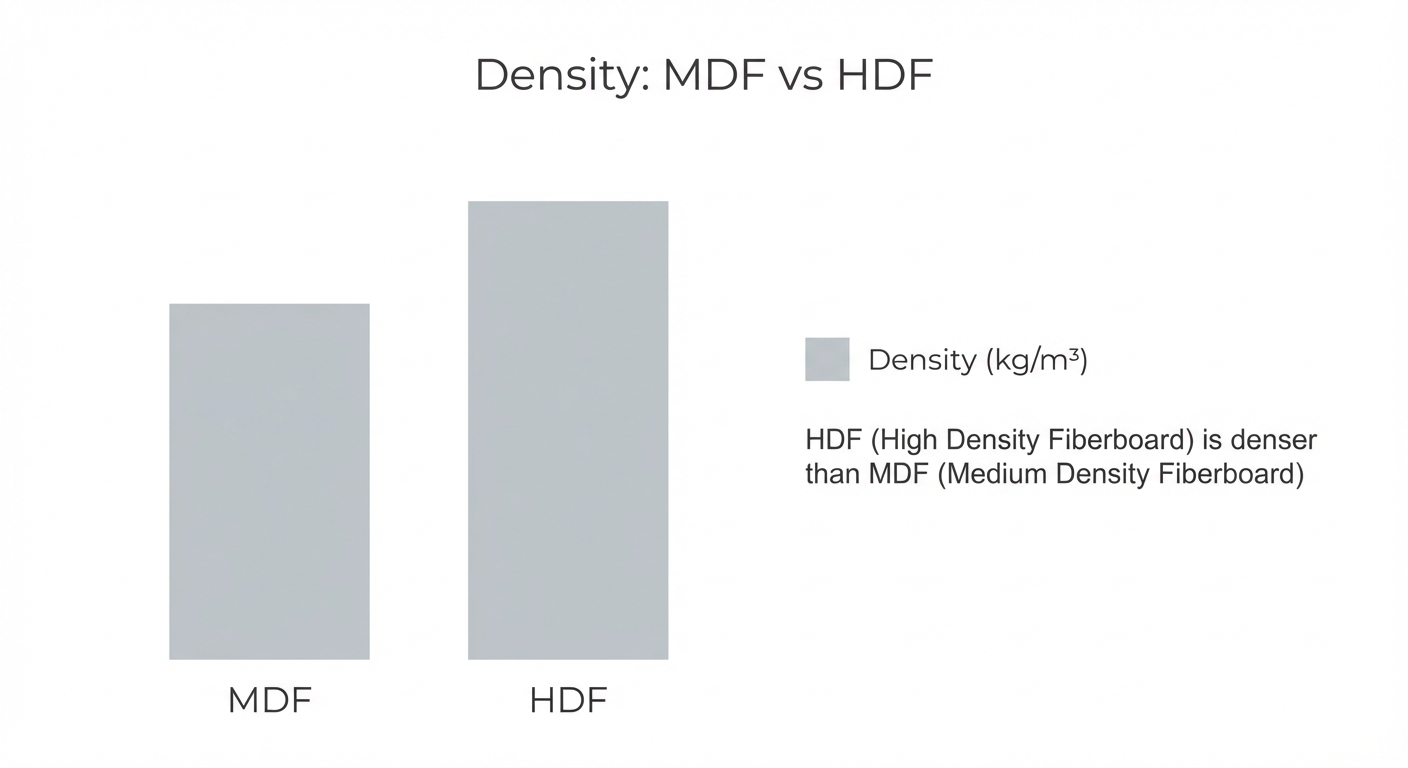
Medium-Density Fiberboard (MDF) and its denser sibling, HDF, are the most versatile materials in the world of engineered wood furniture. These panels are made from broken-down wood fibers combined with resin, resulting in a surface that is as smooth as glass and perfectly suited for high-gloss lacquer or intricate paint finishes.
Comparing Fiber Density and Strength
Let’s be honest; while MDF is excellent for standard cabinetry, High-Density Fiberboard (HDF) is often required for components that face extreme wear, such as laminate flooring or heavy-duty cabinet backs. The decision between solid wood or engineered wood often comes down to the superior machining precision that fiberboards offer for modern, sleek silhouettes.
Precision Machining for Intricate Cuts
Because MDF has no grain structure and is consistent throughout its thickness, it can be routed and shaped into complex 3D patterns without the risk of splintering.
- CNC Routing: Perfect for “J-pull” handles or decorative door fronts.
- Smooth Edges: Requires minimal sanding before painting or foil wrapping.
- Isotropic Strength: Uniform strength in all directions for easier design.
- Molding: Ideal for crown moldings and traditional decorative trim.
Surface Smoothness for Lacquer Finishes
The ultra-fine surface of MDF allows for the application of water-based paints and high-gloss lacquers without the “grain telegraphing” issues common in plywood or solid wood. This makes it the undisputed champion for modern, colorful furniture lines where a flawless, monolithic appearance is the primary selling point for the fashion-conscious consumer.
This comparison demonstrates the technical differences between the two most common fiberboard densities.
| Feature | MDF (Standard) | HDF (High Density) |
|---|---|---|
| Density (kg/m³) | 600 – 800 | 800 – 1100 |
| Impact Resistance | Moderate | High |
| Typical Application | Cabinet doors, side panels | Flooring, furniture backing |
| Machinability | Excellent for routing | Good, but harder on tools |
It gets better.
Key Takeaway: Utilize MDF for painted furniture collections to achieve a high-end finish at a fraction of the cost, but specify HDF for thin backing panels to ensure the overall structural rigidity of the unit.
V. Particle Board Efficiency in Furniture
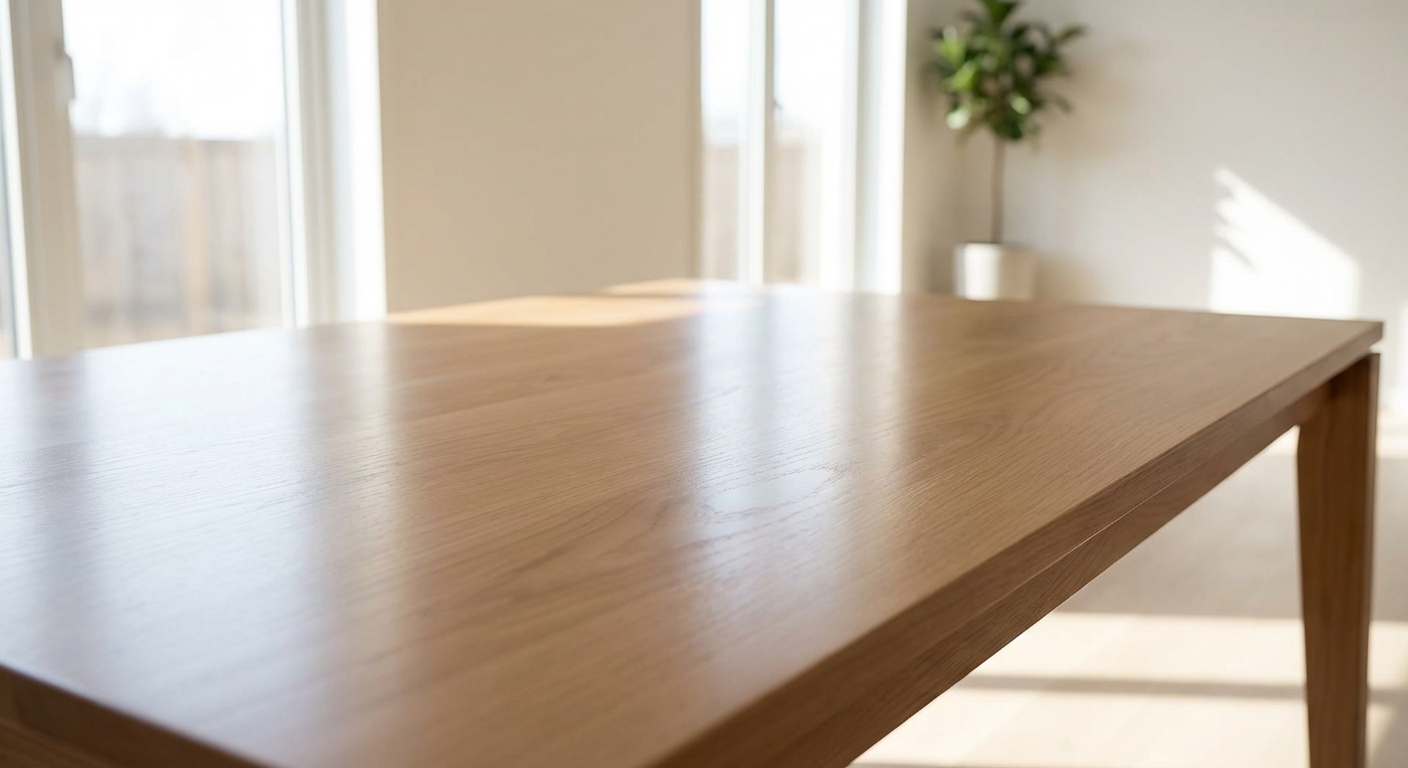
Particle board, often referred to as chipboard, is the most cost-effective material in the engineered wood furniture ecosystem. By utilizing wood waste such as shavings and sawdust, this material offers a highly sustainable way to produce functional furniture for the budget-conscious retail segment without sacrificing basic structural needs.
Maximizing Natural Resource Recovery
Look at it this way: particle board is the ultimate example of a circular economy in the wood industry, turning factory offcuts into viable furniture panels. This resource efficiency allows factories to offer price points that are unattainable with any other material, making it the primary choice for global retailers focusing on high-volume, low-margin products.
Ideal for Ready-to-Assemble Units
The lightweight nature of particle board makes it the perfect candidate for flat-pack furniture that needs to be easily transported by the end consumer.
- Lower weight: Reduces the carbon footprint of domestic delivery.
- Screw holding: Modern resins have improved the grip of cam-lock fasteners.
- Melamine compatibility: Bonds perfectly with durable melamine surfaces.
- Volume scaling: Fastest production cycle in the factory environment.
Strategic Edge Banding Techniques
The main vulnerability of particle board is its porous core, which is why high-quality edge banding is critical for preventing moisture ingress and ensuring long-term durability. To be honest, a well-sealed particle board unit can last for a decade, but a poorly banded one will fail the moment it encounters high humidity or a spilled liquid.
The following table summarizes the most common edge-banding materials used to protect the core of particle board furniture.
| Edge Banding Type | Durability Rating | Best Application |
|---|---|---|
| PVC (0.5mm – 2mm) | High | High-traffic office furniture |
| ABS (Eco-friendly) | High | Kids and nursery furniture |
| Wood Veneer | Moderate | Mid-range residential units |
| Melamine Tape | Low | Low-cost storage shelving |
But wait, there’s more.
Key Takeaway: When sourcing particle board furniture, focus your quality inspections on the edge banding quality and the density of the core to ensure the product survives the rigors of consumer assembly and daily use.
VI. Logic of Engineered Wood Furniture Structure
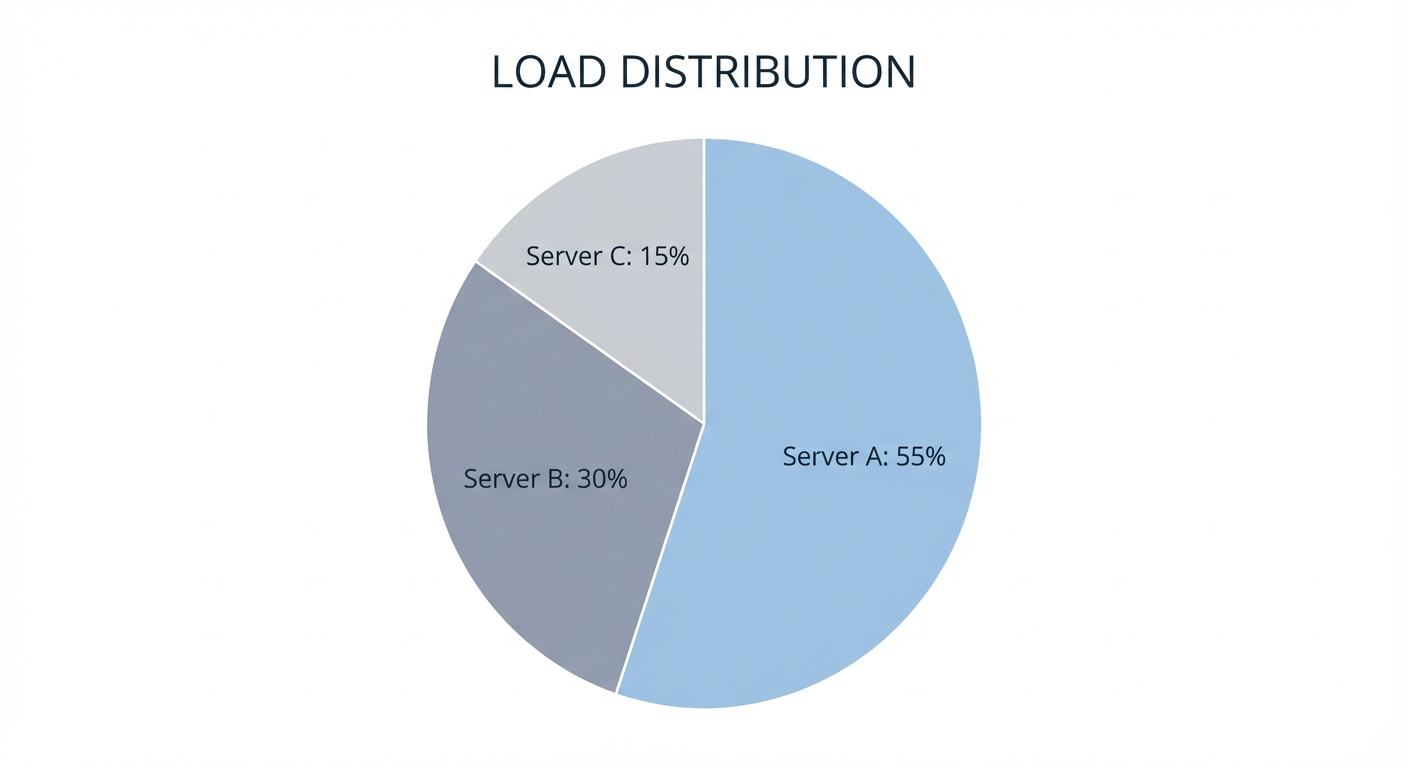
The structural logic of engineered wood furniture relies on the distribution of stress across the entire panel rather than relying on the strength of individual timber joints. By understanding how panels interact with hardware, manufacturers can design pieces that are both incredibly thin and remarkably strong, achieving a minimalist aesthetic that solid wood simply cannot mimic.
Internal Frameworks and Load Distribution
Here is the deal: engineered panels are designed to be “flat,” meaning they do not bow or twist, which allows for perfectly flush joints across the entire furniture carcass. This stability enables the use of internal partitions as load-bearing elements, distributing the weight of the contents evenly down to the floor without the need for thick, heavy frames.
Mechanical Fasteners vs. Adhesives
Modern engineered wood furniture almost exclusively utilizes mechanical fastening systems like cam-locks and dowels, which are specifically engineered for the density profile of the boards.
- Cam-locks: Provide high tension and allow for consumer disassembly.
- Confirmat screws: Deep threads designed specifically for fiberboards.
- Wooden dowels: Distribute shear forces across a larger surface area.
- Polyurethane glue: Used in factory-assembled units for permanent bonds.
Avoiding Structural Failure Points
Think about it: the most common failure in engineered wood is “blown” joints caused by over-tightening or using incorrect hardware that doesn’t match the board’s density. To be honest, ensuring your supplier uses high-grade hardware—preferably BIFMA certified—is just as important as the quality of the wood panels themselves when building a reliable furniture brand.
This table compares the efficacy of different joining methods for engineered panels.
| Joining Method | Best Material Match | Re-assembly Capability |
|---|---|---|
| Cam & Bolt | Particle Board / MDF | Excellent |
| Dowel & Glue | Plywood / Solid Wood | Poor (Permanent) |
| Confirmat Screw | MDF / HDF | Moderate |
| Pocket Screw | Plywood | Good |
Look at it this way.
Key Takeaway: Prioritize the quality of hardware and pre-drilled hole tolerances in your technical specifications, as these mechanical connections are the primary determining factor in the longevity of engineered wood furniture.
VII. Sustainability of Engineered Wood Furniture
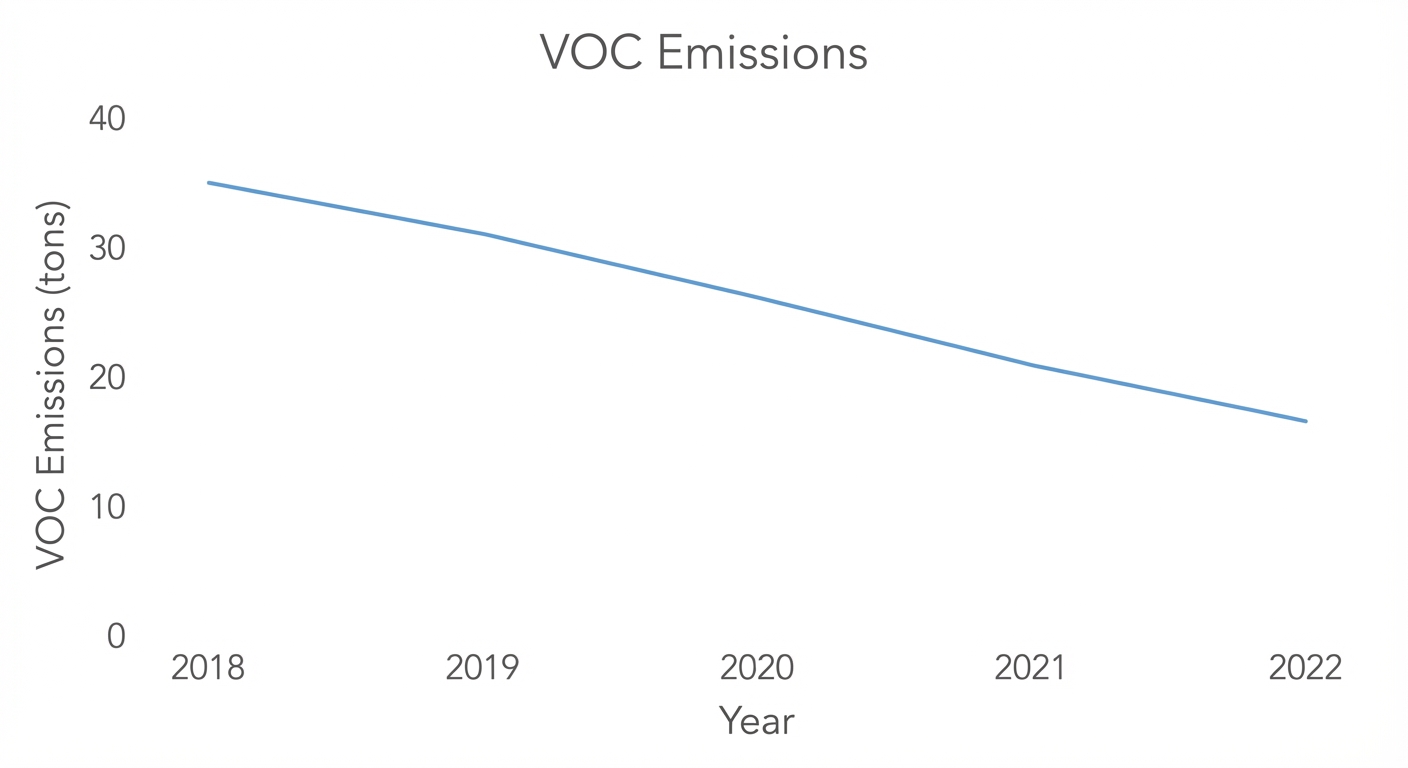
Sustainability in engineered wood furniture is no longer an optional “green” feature; it is a legal requirement in most major export markets like the US and EU. By utilizing wood waste and implementing strict chemical controls, manufacturers can produce furniture that is both environmentally friendly and safe for indoor air quality.
Low-VOC Adhesives and Air Quality
Let’s be honest: the historical reputation of engineered wood for high formaldehyde emissions is being erased by modern E0- and CARB Phase 2-compliant resins. These low-VOC (Volatile Organic Compound) adhesives ensure that the furniture does not “off-gas” harmful chemicals into the home, protecting the health of the end consumer and the reputation of the retailer.
FSC Certification and Sustainability
The use of Forest Stewardship Council (FSC) certified timber ensures that the raw wood fibers used in the panels come from responsibly managed forests.
- Traceability: Every stage of the supply chain is documented.
- Social Impact: Protects the rights of workers and indigenous peoples.
- Biodiversity: Ensures the long-term health of the forest ecosystem.
- Market Access: Often a requirement for government and corporate contracts.
Navigating Global Export Standards
Think about it; if your product doesn’t meet the EPA TSCA Title VI or CARB P2 standards, you risk having entire containers seized or being hit with massive fines at the border. Ensuring your factory provides verified laboratory test reports for every batch is the only way to safely navigate the complex landscape of international chemical compliance.
The following table highlights the critical certifications required for different global markets.
| Market | Mandatory Standard | Focus Area | Buyer Confirms |
|---|---|---|---|
| USA | EPA TSCA Title VI | Formaldehyde Emissions | Verified Lab Report |
| California | CARB Phase 2 | Formaldehyde Emissions | Verified Lab Report |
| European Union | EN 717-1 (E1/E0) | Chemical Safety | Compliance Doc |
| Global | FSC / PEFC | Sustainable Forestry | Chain of Custody |
It gets better.
Key Takeaway: Always demand physical copies of CARB P2 and FSC certificates from your suppliers, as these are the non-negotiable “passports” required for your engineered wood furniture to enter premium Western markets.
VIII. Cost vs. Longevity in Engineered Wood Furniture
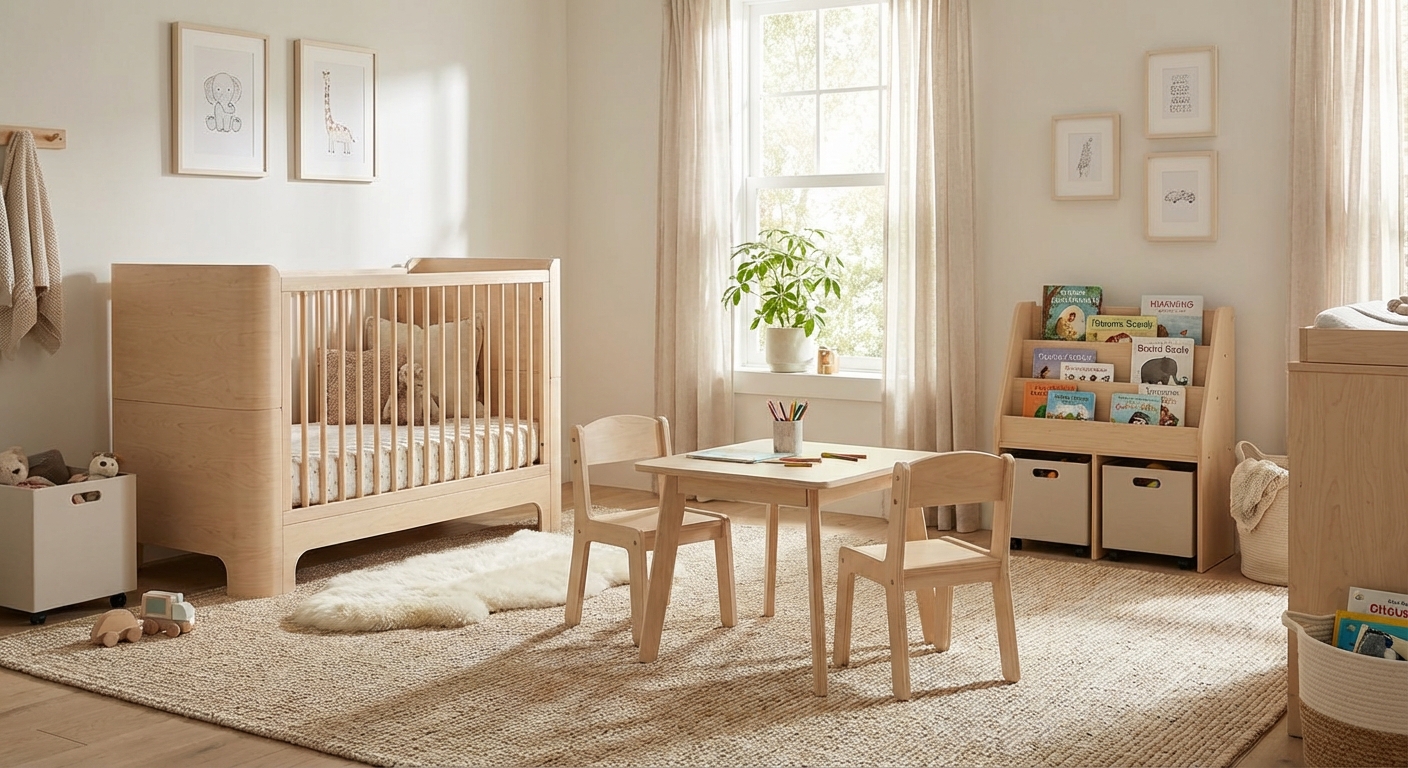
The value proposition of engineered wood furniture lies in its ability to offer a sophisticated aesthetic at a price point that facilitates high-frequency retail churn. While it may not be “heirloom” quality like a solid walnut table, its lifecycle is perfectly aligned with the 5-to-10-year replacement cycle preferred by modern urban consumers.
Lifecycle Assessment for Retailers
Here is the deal: from a retailer’s perspective, the ROI on kids nursery furniture is often higher when using engineered wood because parents are less likely to invest in expensive solid timber for furniture their child will outgrow in a few years. Engineered wood allows you to hit the “sweet spot” of price and durability that drives volume sales in the residential sector.
Price Point Advantage for Volume Buys
The cost of raw engineered panels is significantly more stable than the price of solid lumber, which is subject to massive fluctuations based on harvest yields and international trade disputes.
- Price Stability: Easier long-term financial planning for buyers.
- Scalability: No limits on material availability for large orders.
- Customization: Easy to add value through specialized veneers or finishes.
- Competitive Edge: Allows for lower MSRP while maintaining healthy margins.
Maintenance and Repair Limitations
Look at it this way: the primary limit of engineered wood is that once the surface veneer or melamine is deeply damaged, it cannot be sanded down and refinished like solid wood. This makes protective coatings and high-quality edge banding the “insurance policy” for the consumer, ensuring the product maintains its showroom look through years of typical household use.
This cost-benefit analysis shows the trade-off between initial investment and expected product lifespan.
| Material | Cost per m³ (Estimated) | Expected Lifespan | ROI for Retailer |
|---|---|---|---|
| Particle Board | Lowest | 3 – 7 Years | Very High |
| MDF / HDF | Moderate | 5 – 12 Years | High |
| Plywood | High | 10 – 20 Years | Moderate |
| Solid Hardwood | Very High | 25+ Years | Low (Volume wise) |
Think about it.
Key Takeaway: Match your material choice to the consumer’s expected lifecycle of the product category to maximize your turnover and profitability in the competitive residential furniture market.
IX. Factory Processes for Bulk Production
The manufacturing of engineered wood furniture in a high-capacity factory involves a series of automated, high-precision steps designed to eliminate human error and maximize output. From the moment the raw panels arrive to the final container loading, every second of the production cycle is optimized for efficiency and quality consistency.
Automated Lamination and Pressing
But wait, there’s more; modern factories utilize massive short-cycle presses that can apply melamine or veneer to both sides of a board in under 60 seconds. This process not only speeds up production but also ensures a perfect, bubble-free bond that is virtually impossible to achieve in a manual workshop environment.
Quality Control for Panel Thickness
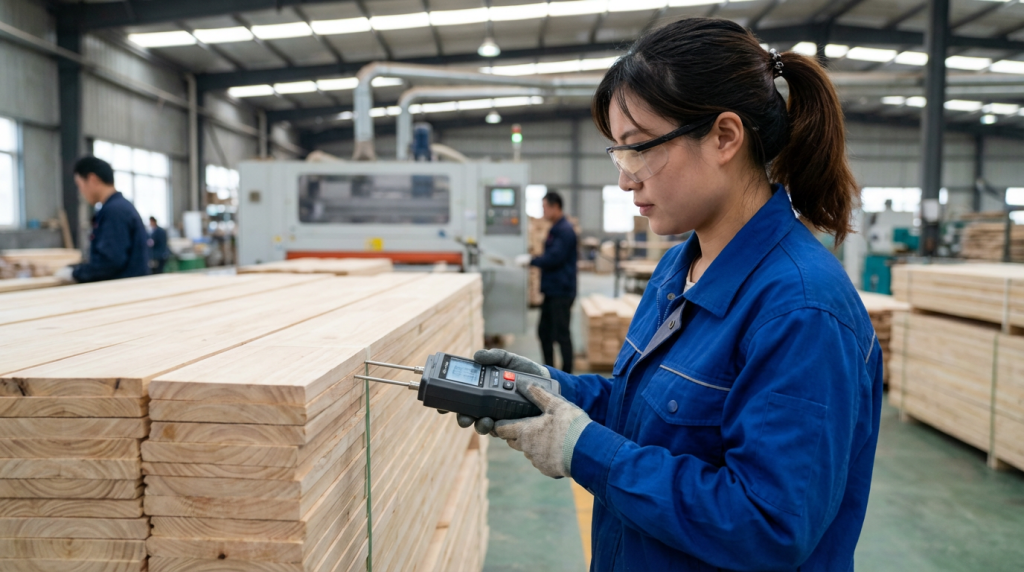
Precision is the lifeblood of mass-produced furniture, where a 0.5mm variance in board thickness can cause drawers to stick or doors to hang crookedly.
- Laser Measurement: Automated thickness checks on every board.
- Moisture Testing: Ensuring panels stay below 10% to prevent future warping.
- Density Scanning: Verifying the internal consistency of the fiber core.
- Calibration: Daily machine tuning to maintain ±0.1mm tolerances.
8-Step Inspection for Export Readiness
To be honest, the difference between a “cheap” factory and a “reliable” supplier is the rigor of their quality control department. A world-class manufacturer will implement an 8-step QC process that begins at the raw material intake and only ends once the shipping container has been sealed with a high-security bolt.
The standard 8-step inspection process used by leading Chinese furniture exporters is outlined below.
| Step | Inspection Point | Goal |
|---|---|---|
| 1 | Raw Material Audit | Verify panel density and VOC levels |
| 2 | Cutting Precision | Check dimensions against 3D CAD files |
| 3 | Edge Banding Strength | Heat/moisture resistance testing |
| 4 | Pre-drilling Accuracy | Verify hardware fitment and depth |
| 5 | Surface Finish Scan | Detect scratches, bubbles, or color shifts |
| 6 | Hardware Kit Audit | Ensure every screw and bolt is present |
| 7 | Drop Test Packaging | Verify board protection for e-commerce |
| 8 | Loading Supervision | Prevent transit damage during containerizing |
It gets better.
Key Takeaway: Always request an “In-Process Inspection Report” from your factory to confirm that these QC steps are actually being performed during your production run rather than just at the final stage.
X. Selecting the Right Engineered Wood Furniture
Selecting the right engineered wood furniture requires a keen eye for technical details that go beyond the surface aesthetics. As a B2B buyer, your goal is to identify the markers of high-quality engineering that will prevent future customer complaints and costly product recalls.
Identifying High-Quality Edge Finishes
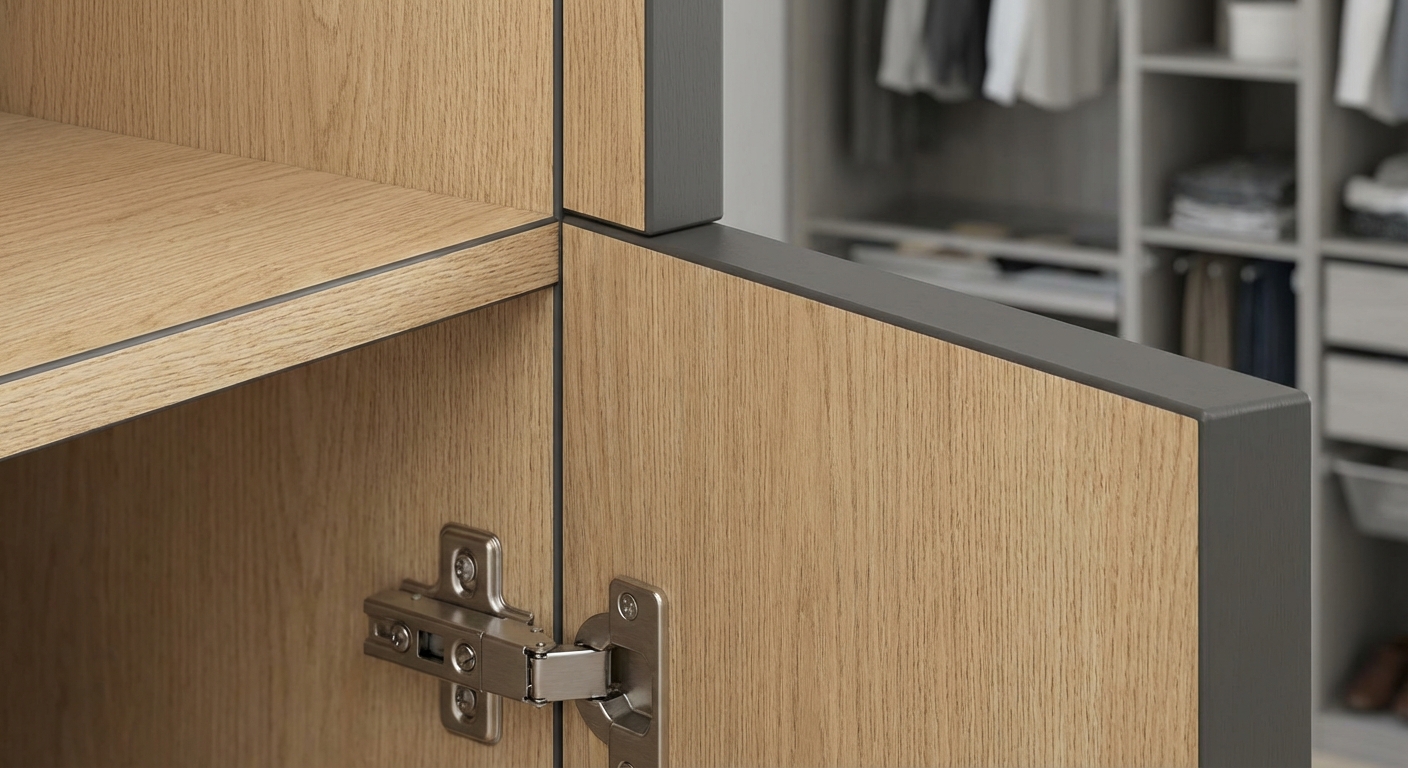
Here is the deal: the edge is where engineered wood is most vulnerable, so you should look for “seamless” banding where the glue line is virtually invisible. High-end office furniture often uses laser-applied or PUR (polyurethane) edge banding, which creates a waterproof seal that is significantly more durable than standard hot-melt adhesives.
Assessing Hardware and Joint Integrity
The strength of a piece of furniture is only as good as the hardware that holds it together.
- Heavy-duty hinges: Look for 3-way adjustable soft-close options.
- Metal-to-metal connections: Avoid screws that go directly into the wood core.
- Back panel grooves: The back panel should be slotted into a groove for rigidity.
- Load ratings: Verify that drawer slides are rated for at least 25kg – 35kg.
Top Categories for Importer Growth
Look at it this way; the growth of the “home office” and “organized living” trends has created a massive demand for modular engineered wood systems. These categories favor the precision and sleek look of MDF and plywood, allowing retailers to offer customizable storage solutions that fit perfectly into modern urban apartments.
This summary table provides a quick guide for selecting materials based on common product categories.
| Product Category | Recommended Material | Priority Feature |
|---|---|---|
| Kids Beds / Cots | Plywood (Birch) | Safety & Structural Strength |
| Kitchen Cabinets | MDF (HMR Grade) | Moisture Resistance |
| Office Desks | High-Density Particle Board | Surface Durability (Melamine) |
| Wardrobes / Storage | Particle Board / MDF | Cost Efficiency & Weight |
Think about it.
Key Takeaway: Focus your procurement strategy on “hybrid” designs that use plywood for structural frames and MDF for decorative doors, as this provides the best balance of durability, aesthetics, and price.
Frequently Asked Questions
Can I trust engineered wood furniture for heavy commercial use?
Direct judgment: Yes, provided you specify high-density plywood or HDF. These materials are engineered to exceed the strength-to-weight ratios of many natural hardwoods and are resistant to the dimensional changes that cause solid wood joints to fail in high-traffic commercial environments.
What’s the best way to verify if a factory’s panels are truly CARB P2 compliant?
Direct judgment: You must request third-party lab test reports and check for the “TCV” (Third Party Certifier) number on the panel labels. Manufacturers are legally required to keep these records, and any hesitation to provide them usually indicates a potential compliance gap that could lead to legal issues in the US market.
How do I know if the edge banding will peel off after a few months?
Direct judgment: Perform a “heat and humidity” stress test on sample boards. If the factory uses low-quality EVA glue, the banding will soften at temperatures above 40°C; however, specifying PUR (Polyurethane) glue or laser banding ensures a permanent bond that will not fail even in extreme climates.
Closing Note
Understanding the truth behind engineered wood furniture allows you to build a resilient, profitable supply chain. We assist buyers with confirmation methods to ensure every unit meets the required strength and safety standards. Our goal is to provide technical transparency that empowers your procurement decisions. To learn more about our manufacturing standards, contact us.