
Solid wood and engineered wood may look similar, but many buyers choose based on the wrong criteria. Some materials crack or warp. Others stay stable but fail in structure or surface over time.
Solid wood is cut from natural timber, while engineered wood is built from bonded layers or fibers. The difference is not just structure, but how each reacts to moisture, load, and long-term use.
Choosing the wrong one can lead to early failure, repair costs, or replacement.
This guide compares how both materials actually perform in real conditions, so you can make the right choice before ordering.
I. Defining Solid Wood vs Engineered Wood Construction
Solid wood consists of 100% natural lumber harvested directly from logs, whereas engineered wood is a composite of fibers, resins, and thin veneers. You need to understand that the structural DNA of these materials dictates their unique performance under load and finishing. Manufacturers distinguish them based on whether the core remains a single organic piece or a technical assembly of cross-laminated layers.
Understanding Natural Timber Slabs
Real timber slabs are harvested as unadulterated pieces of lumber directly from the tree trunk without internal adhesives. These materials maintain a unique, continuous grain profile that serves as the global benchmark for luxury furniture.
- Direct sourcing from hardwood logs.
- Continuous, non-repetitive grain patterns.
- High structural density and tactile weight.
Anatomy of Composite Wood Products
Engineered materials use advanced binders to combine wood strands, fibers, or veneers into highly stable panels. These technical composites, like plywood or MDF, are designed to counteract the natural warping tendencies found in raw timber.
But here is the kicker.
Key Takeaway: Solid wood is pure raw lumber, while engineered wood is a precision-manufactured composite designed for specific mechanical stability metrics.
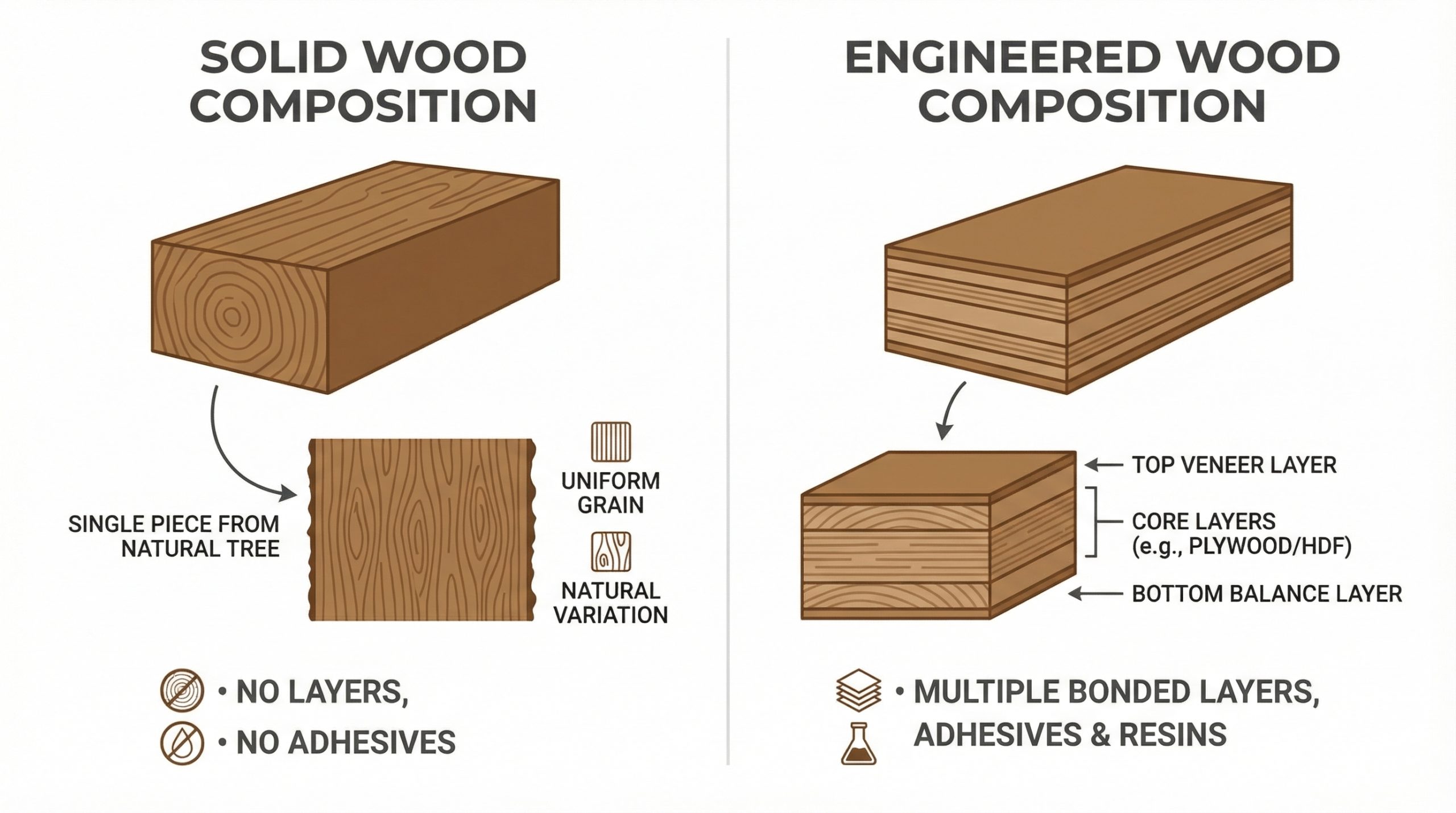
The fundamental makeup of your chosen material determines every subsequent step in the manufacturing process.
| Feature | Solid Wood Specification | Engineered Wood Specification |
|---|---|---|
| Material Base | 100% Natural Lumber | Wood Fibers / Resin / Layers |
| Grain Pattern | Unique, Continuous | Repetitive or Veneer-based |
| Core Structure | Homogeneous | Multilayered / Composite |
It only gets better.
II. Pros and Cons: Solid Wood vs Engineered Wood
The main advantage of solid wood vs engineered wood is long-term repairability, though it remains vulnerable to seasonal movement. You can sand and refinish natural lumber for decades, making it ideal for heirloom-quality production runs. However, unconfirmed grey zones in moisture control often lead to structural checking if the environment isn’t strictly regulated.
Unmatched Durability and Refinishing
Solid timber offers immense load-bearing strength and a tactile weight that signals high-end quality to your target customers. Because the material is homogeneous, deep scratches and surface damage can be sanded away without ever exposing a composite core.
- Generational lifespan with proper care.
- Easy surface restoration and staining.
- Premium consumer perception and market value.
Vulnerability to Environmental Flux
Natural wood is a living, hygroscopic material that reacts to humidity by expanding or contracting across its grain. You must account for potential warping in unconfirmed grey zones where climate control is inconsistent during international transit.
Think about this for a moment.
Key Takeaway: Solid wood provides the best longevity and “luxury feel” but requires careful engineering to manage natural moisture movement.
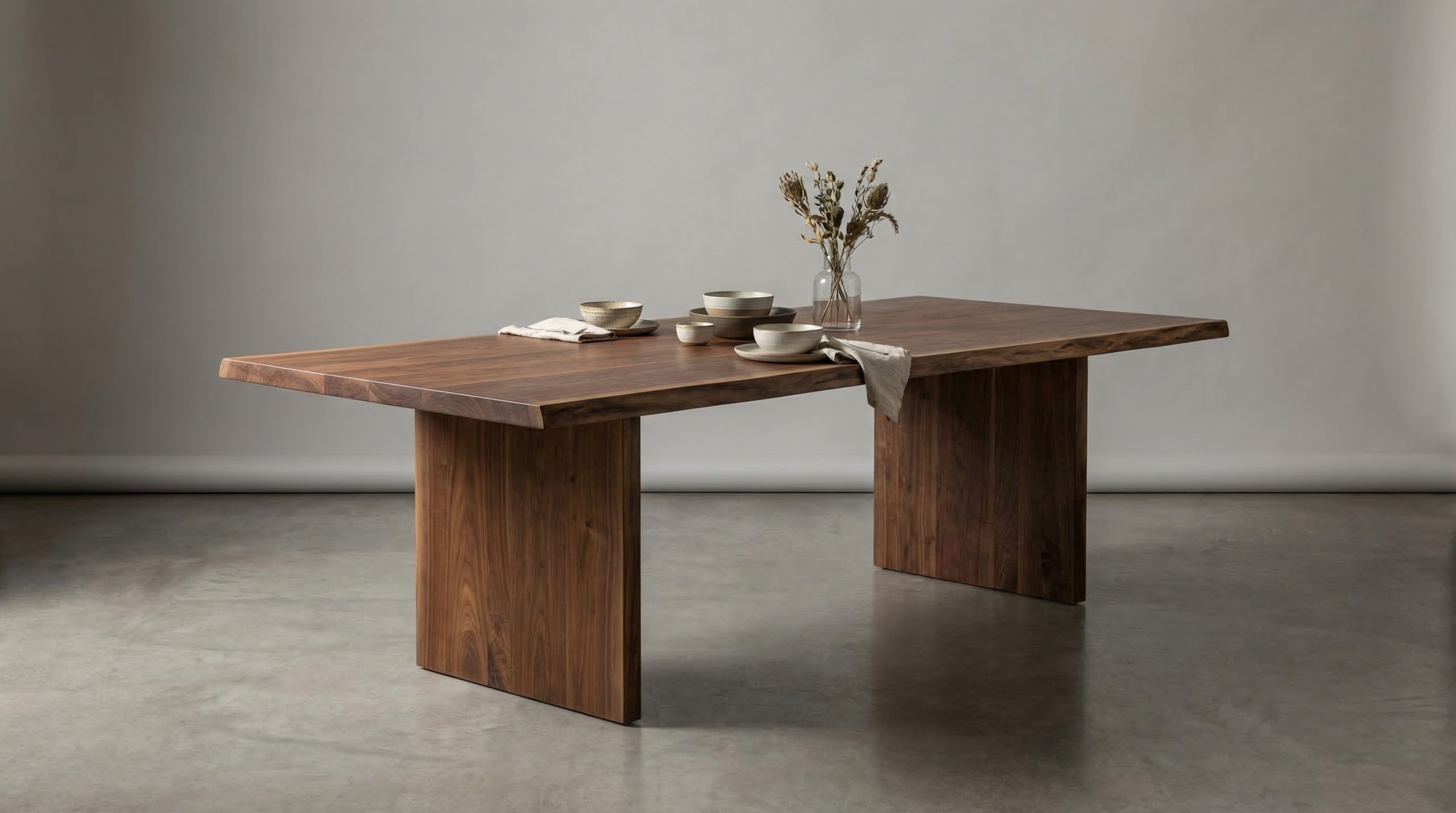
Evaluating durability requires a comparison of how these materials handle the passage of time and external stress.
| Performance Metric | Solid Wood | Engineered Wood | Winner |
|---|---|---|---|
| Longevity | 50-100+ Years | 20-30 Years | Solid Wood |
| Moisture Resistance | Low (Warping Risk) | High (Stable) | Engineered |
| Repairability | High (Deep Sanding) | Low (Thin Veneer) | Solid Wood |
Table 2: Judgment Table – Durability and Maintenance
But there’s a catch.
III. Benefits of Engineered Wood Solutions
Engineered wood solves the logistical issues of solid wood vs engineered wood by providing massive surface uniformity and warp resistance. You will find that composite panels are relatively immune to the expansion and contraction that often ruins raw timber seams. This makes them the superior choice for large-scale architectural surfaces and high-volume flat-pack efficiency.
Structural Stability Against Moisture
The internal cross-layering of engineered panels prevents the material from bowing or twisting in humid environments. You can specify these materials for kitchens or bathrooms where raw lumber would likely fail over a short period.
- Minimal seasonal expansion and contraction.
- Uniform surface density across the panel.
- Superior resistance to high humidity levels.
Limitations in Long-term Restoration
The primary drawback is the thin top veneer which limits the number of times you can sand the piece. Once the surface layer is damaged, the underlying composite core becomes visible and often impossible to restore to its original state.
You might be wondering why.
Key Takeaway: Engineered wood is the king of stability for large flat surfaces but lacks the “infinite lives” of solid timber.
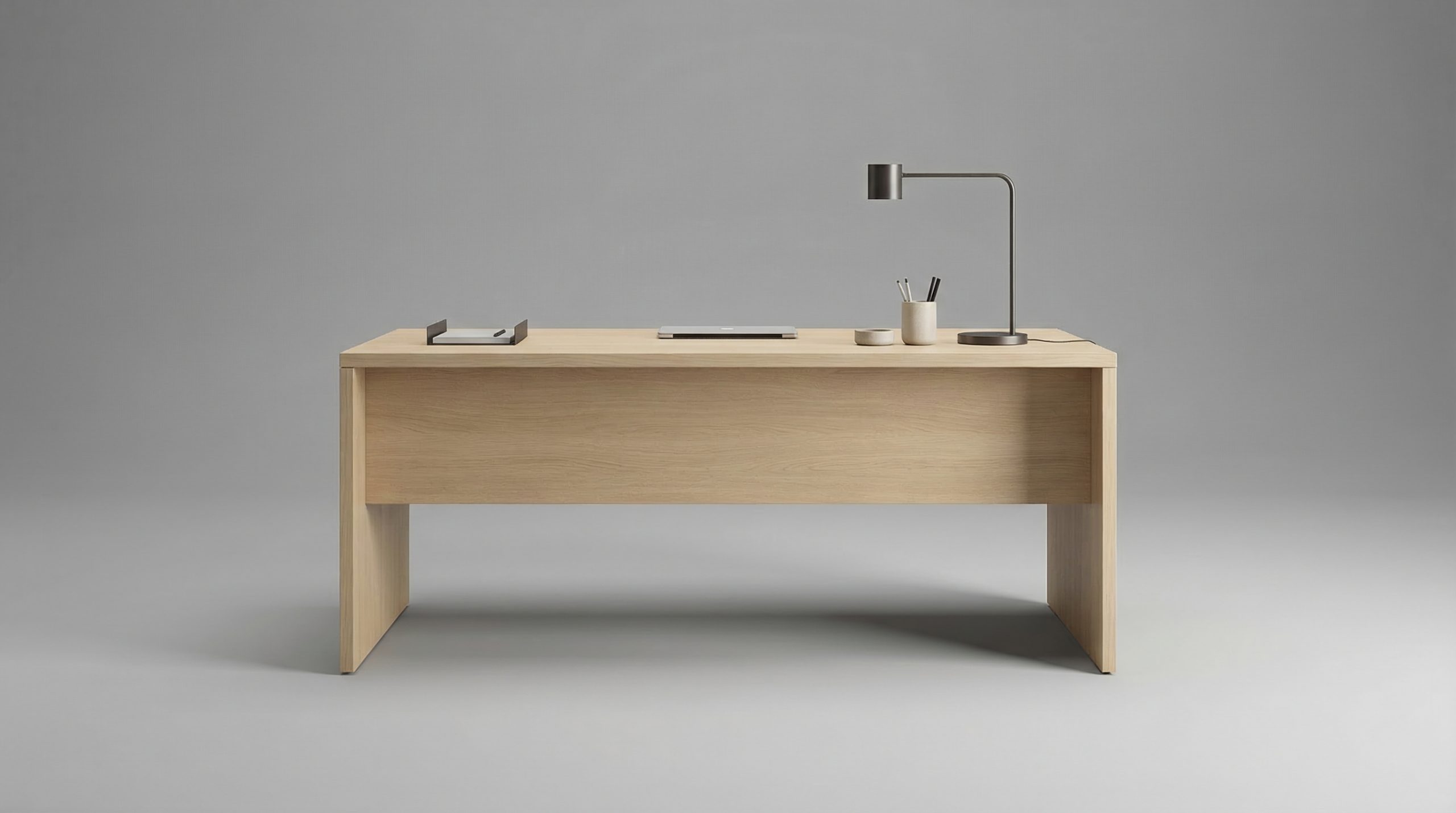
Understanding the technical characteristics of composites helps you align material choice with project requirements.
| Attribute | Engineered Wood Detail | Impact on Production |
|---|---|---|
| Expansion Rate | Minimal / Negligible | Lowers assembly rejection rates |
| Surface Prep | Prefinished or Smooth | Reduces sanding labor costs |
| Weight | Variable (MDF is heavy) | Affects shipping logistics |
Table 3: Summary of Engineered Wood Characteristics
Let’s look closer.
IV. Performance: Solid Wood vs Engineered Wood
Performance differences between solid wood vs engineered wood are most evident in high-traffic or high-moisture usage scenarios. You should prioritize solid timber for high-impact structural components like chair legs where joint strength is paramount. Conversely, engineered panels are often required for residential furniture like wardrobes to ensure long doors stay perfectly flat.
Best Applications for Heavy-Duty Items
The structural “bite” of natural fibers allows for traditional joinery like mortise and tenon to hold firmly under significant stress. You can rely on solid wood for pieces intended to support heavy weights over many years of daily industrial or home use.
- Dining table frames and structures.
- Structural chair legs and components.
- Heavy-duty shelving and storage.
Ideal Settings for Composite Materials
High-volume manufacturing often utilizes engineered wood for kids nursery furniture to maintain strict safety and assembly tolerances. These materials allow for complex CNC machining that ensures every component fits together with industrial precision every single time.
The truth is quite simple.
Key Takeaway: Use solid wood for high-stress structural joints and engineered wood for stable, large-format panels and modular designs.
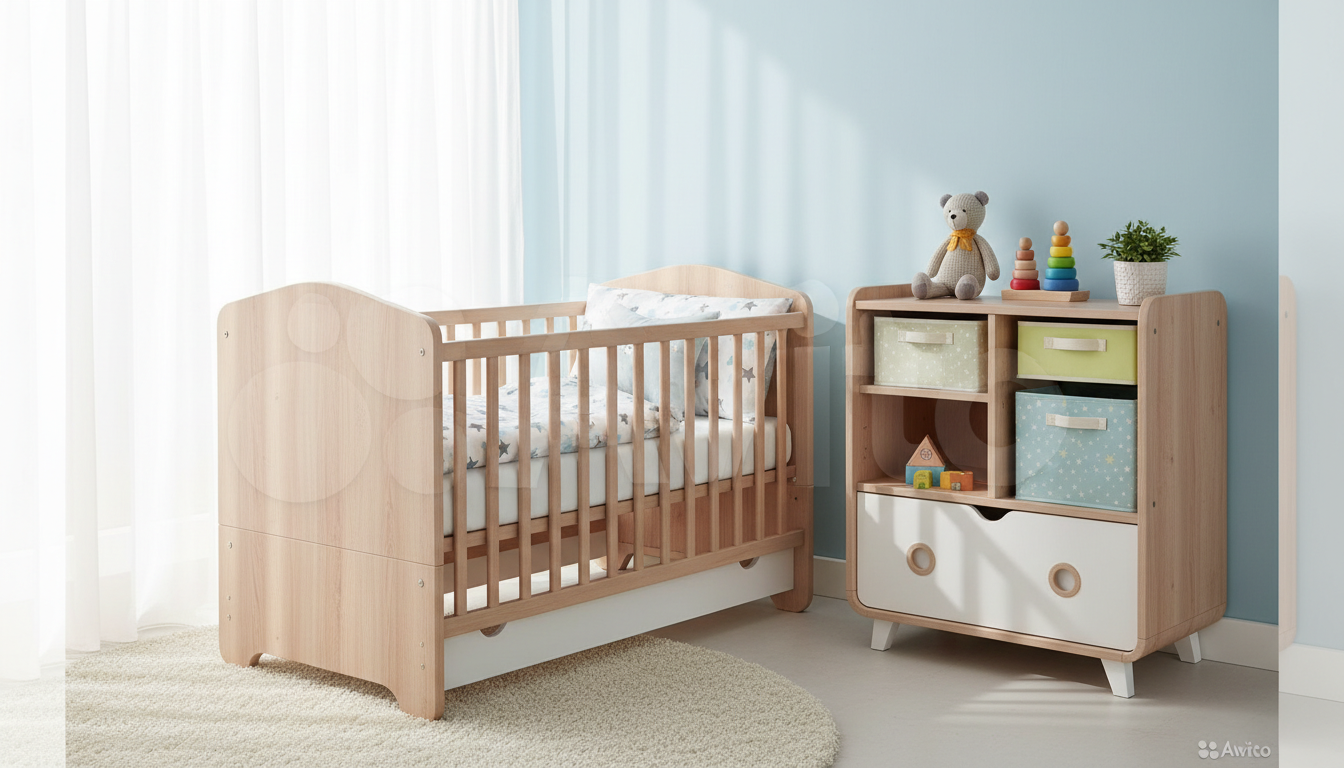
Matching the material to the environment is the most critical decision in the procurement cycle.
| Environment | Recommended Material | Reasoning |
|---|---|---|
| Basements | Engineered Wood | High moisture resistance |
| Living Rooms | Solid Wood | Aesthetic value and longevity |
| Kitchen Cabinets | Engineered (MDF/Ply) | Dimensional stability |
Table 4: Judgment Table – Application Suitability
Here is the interesting part.
V. Comparing Resale Values for Wood Furniture
The resale value gap for solid wood vs engineered wood widens significantly as the furniture ages and shows signs of wear. You will find that buyers equate “solid” with “authentic,” allowing these pieces to hold or even appreciate in value over many decades. Engineered pieces often depreciate faster because their composite cores cannot be easily restored once the edges start delaminating in unconfirmed grey zones.
Investment Grade of Real Timber Pieces
Solid wood furniture is treated as a long-term asset because its ability to be sanded means it never truly expires in value. You can market these items as “heirloom” pieces that provide a much better return on investment for the discerning end-user.
- High secondary market demand.
- Full restoration and refurbishment potential.
- Luxury brand positioning and prestige.
Market Perception of Composite Goods
Most mass-market engineered furniture is viewed as a temporary or utility-based solution by the average modern consumer. While high-end plywood can maintain value, the average composite piece loses prestige once the first signs of surface wear appear.
It gets even better.
Key Takeaway: Solid wood maintains a drastically higher resale value due to its “forever” nature and restoration capability.
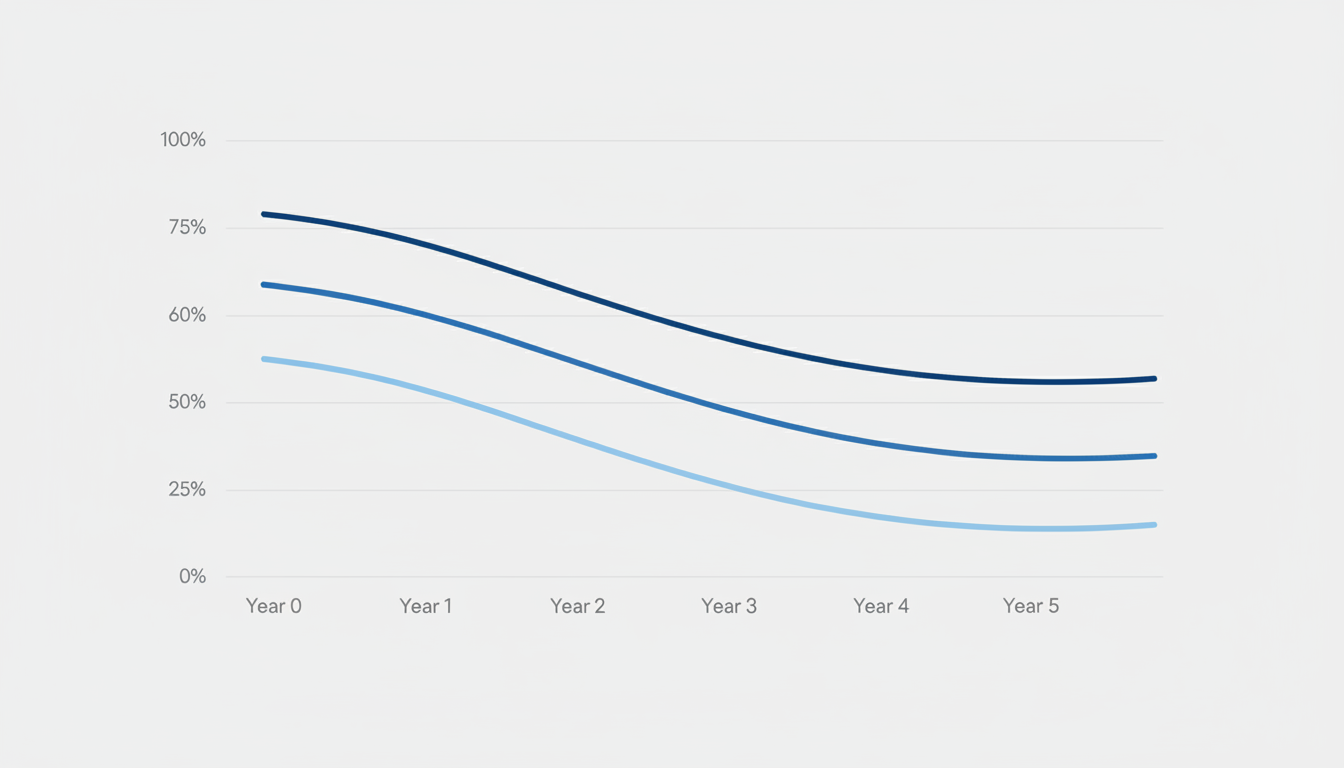
Market data consistently shows that material authenticity drives the secondary market price points.
| Value Driver | Solid Wood Performance | Engineered Wood Performance |
|---|---|---|
| Second-hand Demand | Very High | Moderate to Low |
| Refurbishment Pot. | Full (Sand/Stain) | Limited (Touch-up only) |
| Brand Prestige | Associated with Luxury | Associated with Utility |
Table 5: Summary of Market Value Retention
But wait, there’s more.
VI. Ecological Impact: Solid Wood vs Engineered Wood
Sustainability metrics for solid wood vs engineered wood depend on responsible harvesting and the chemical composition of the resins used. You must verify FSC certifications for solid timber to ensure the raw materials aren’t contributing to illegal deforestation. Meanwhile, engineered wood utilizes wood scraps more efficiently but often relies on glues that fall into unconfirmed grey zones regarding VOC emissions.
Responsibly Harvested Lumber Standards
Solid wood is highly sustainable when sourced from managed forests that practice replanting and active biodiversity protection. You can improve your brand’s ESG standing by selecting fast-growing species that sequester carbon effectively throughout their entire natural lifecycle.
- Carbon sequestration and storage benefits.
- 100% biodegradable and organic material.
- Renewable forest management practices.
Resource Efficiency of Manufactured Wood
Engineered wood is technically more efficient because it uses chips and fibers that would otherwise become waste in a traditional sawmill. However, the energy-intensive manufacturing process and use of synthetic resins can offset some of these inherent ecological gains.
Let that sink in.
Key Takeaway: Solid wood is more biodegradable, but engineered wood is more efficient at utilizing the entire tree volume during production.
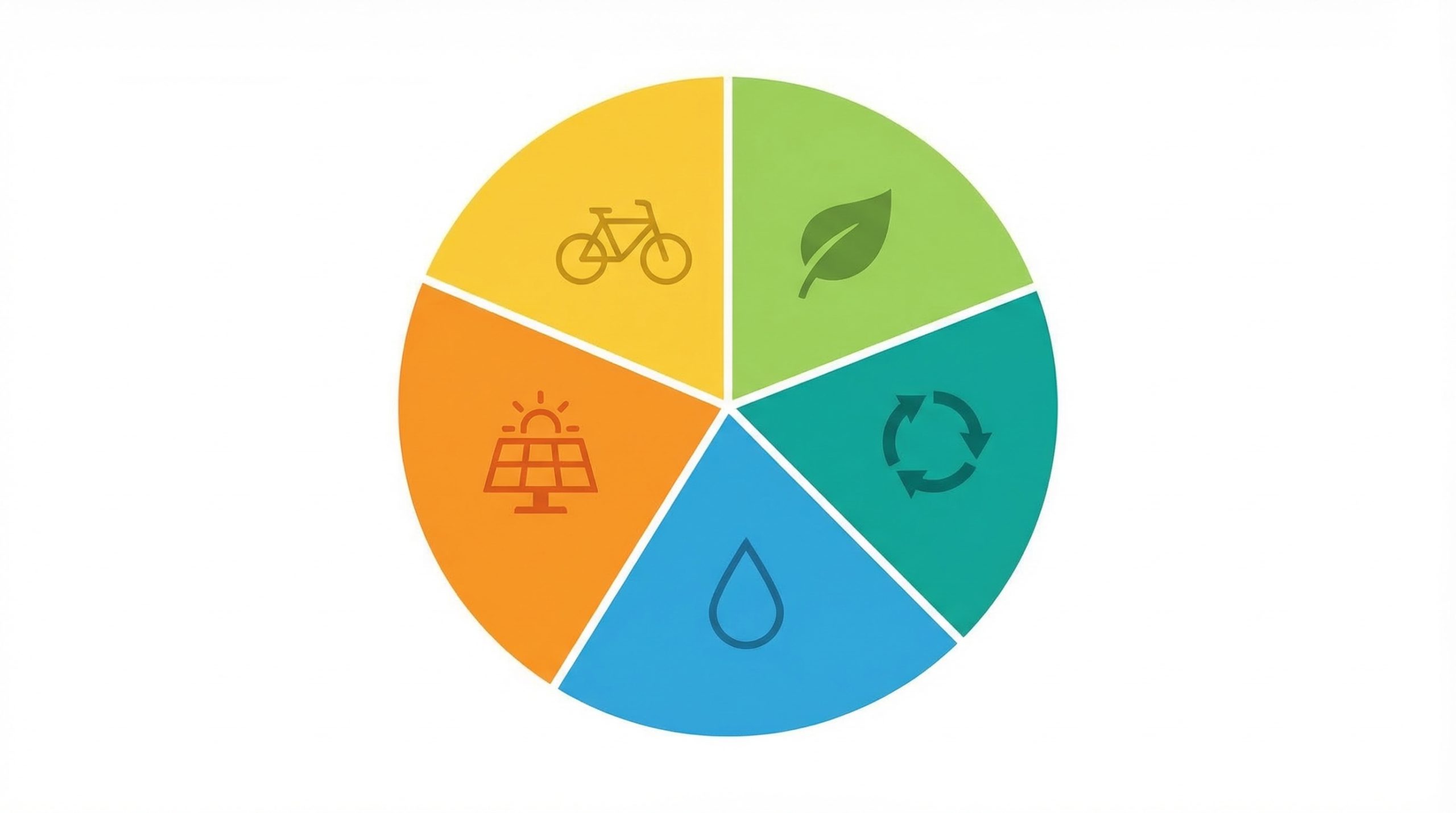
Evaluating the ecological footprint requires looking at the entire lifecycle from forest to landfill.
| Sustainability Factor | Solid Wood | Engineered Wood | Winner |
|---|---|---|---|
| Biodegradability | 100% | Low (due to glues) | Solid Wood |
| Waste Reduction | Moderate | Very High | Engineered |
| Carbon Sequestration | High | Moderate | Solid Wood |
Table 6: Judgment Table – Ecological Impact
Now for the strategy.
VII. Factory Risk Management in Wood Sourcing
Controlling risk when choosing solid wood vs engineered wood requires a rigorous material testing protocol at the factory level. You must ensure that solid timber reaches a 6-8% moisture content to avoid the structural “checking” that happens in unconfirmed grey zones during shipping. Engineered panels allow you to mitigate these risks through mechanical standards like delamination checks and resin density controls.
Minimizing Seasonal Movement Risks
The greatest risk with raw lumber is the internal tension that leads to warping or cracking after final assembly. You can manage this by using specific joinery techniques that allow the wood to breathe without ever compromising overall integrity.
- Strict kiln-drying and testing protocols.
- Breadboard end construction techniques.
- Slotted mounting holes for expansion.
Mitigating Material Defects in Production
Engineered wood offers a “clean” slate because you don’t have to work around natural knots or sapwood defects during cutting. This predictability increases your yield and reduces the labor costs associated with manual wood grading and defect sorting.
This is a game-changer.
Key Takeaway: Solid wood risk is managed through artisan craftsmanship, while engineered wood risk is controlled through chemical and mechanical consistency.
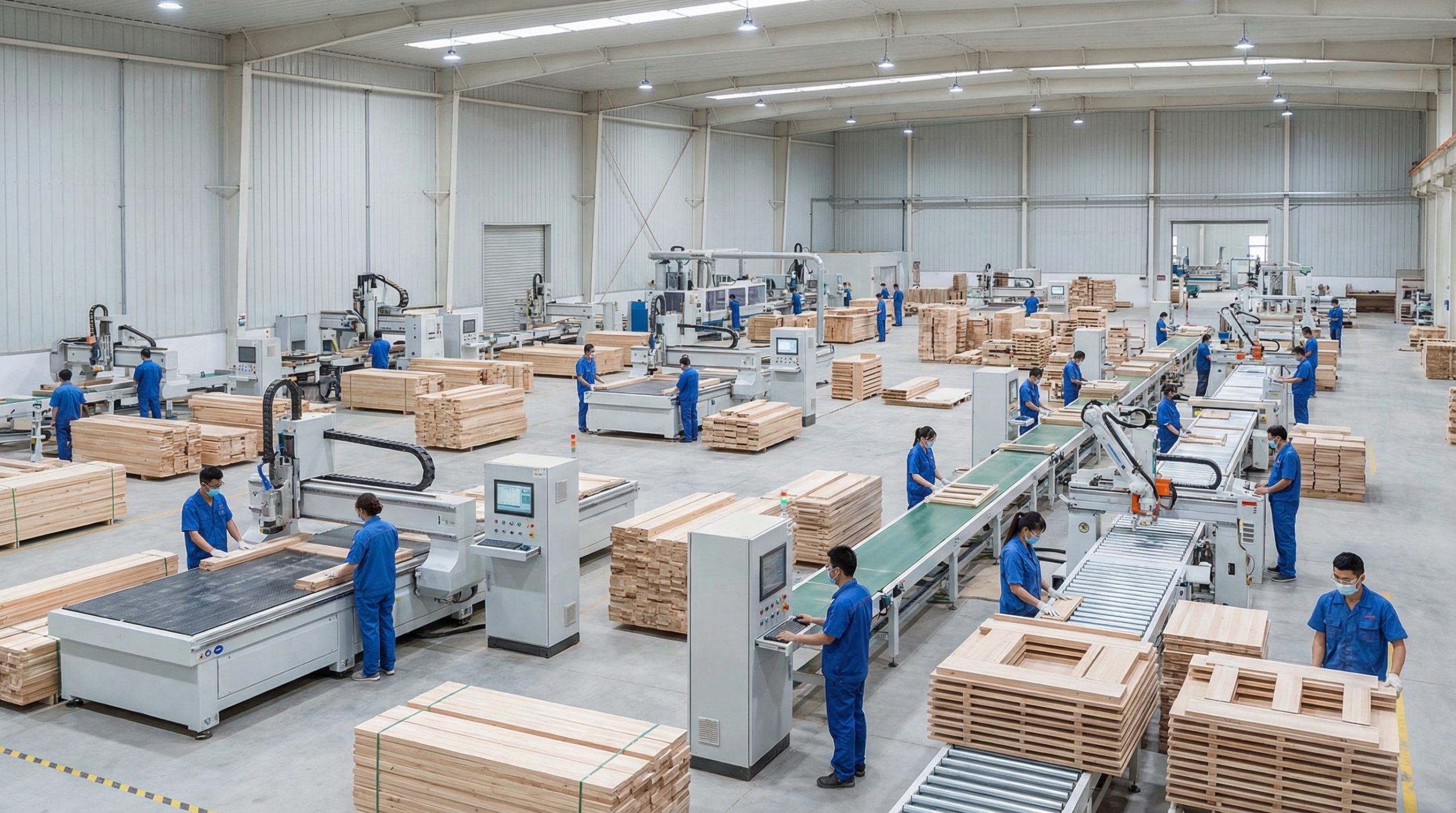
Proactive risk management ensures that your batch production remains profitable and free of defects.
| Risk Factor | Solid Wood Mitigation | Engineered Wood Mitigation |
|---|---|---|
| Warping | Breadboard ends / Slotted holes | Cross-lamination core |
| Cracking | Proper Kiln Drying | Resin density control |
| Pest Damage | Heat treatment | Chemical additives in glue |
Table 7: Summary of Risk Management Strategies
It doesn’t stop there.
VIII. Consistency of Solid Wood vs Engineered Wood
Manufacturing consistency for solid wood vs engineered wood is significantly higher when utilizing standardized composite panels for large-scale orders. You will find that every engineered board matches its predecessor in weight, density, and thickness within a 0.1mm tolerance. Solid wood, however, requires manual grain matching and individual attention to ensure each unit remains aesthetically harmonious across the batch.
Achieving Uniformity in Batch Orders
When producing thousands of units, composite materials guarantee that the first and last pieces are identical in structural performance. You can streamline your quality control process because there are fewer natural variables to account for during the assembly stage.
- Predictable CNC machining and cutting speeds.
- Standardized weight for predictable shipping costs.
- Uniform surface for finishing and coating.
Dimensional Tolerance Standards
High-precision engineered panels stay perfectly flat during the machining process, which minimizes scrap rates and rejected units. This stability allows you to create complex modular furniture designs that require perfect alignment across multiple different components.
But there’s more to it.
Key Takeaway: Engineered wood is the champion of manufacturing precision, making it the ideal choice for modular contract furniture projects.
Maintaining tight tolerances is the only way to ensure assembly speed and product reliability at scale.
| Manufacturing Metric | Solid Wood Variance | Engineered Wood Variance |
|---|---|---|
| Density Consistency | High (Varies by tree) | Low (Controlled mix) |
| Tooling Wear | Moderate | High (Glues dull blades) |
| Assembly Speed | Slower (Fit required) | Faster (Standardized) |
Table 8: Summary of Manufacturing Consistency
So what about supply?
IX. Supply Stability: Solid Wood vs Engineered Wood
Supply chain stability for solid wood vs engineered wood often fluctuates based on regional logging quotas and global harvest cycles. You may experience 8-16 week lead times when sourcing rare hardwoods for premium projects due to seasonal availability. Engineered wood is a manufactured product that can be scaled quickly, providing more predictable pricing and availability for high-volume commercial contracts.
Lead Times for Sourcing Rare Hardwoods
Sourcing consistent grades of Oak or Walnut for a large production run often creates significant bottlenecks in your supply chain. You must plan months in advance to ensure that the natural timber matches your quality requirements before starting the kiln-drying process.
- Seasonal harvest and logging limitations.
- Volatile price fluctuations in the timber market.
- Manual grading and sorting bottlenecks.
Reliable Availability of Composite Stocks
Because composite boards are produced in dedicated factories, they are less dependent on specific regional weather patterns or logging bans. You can maintain lower inventory levels because the replenishment cycles for these materials are significantly shorter than for raw timber.
It’s easier than you think.
Key Takeaway: Engineered wood provides a more stable and predictable material pipeline for high-volume, global commercial manufacturing.
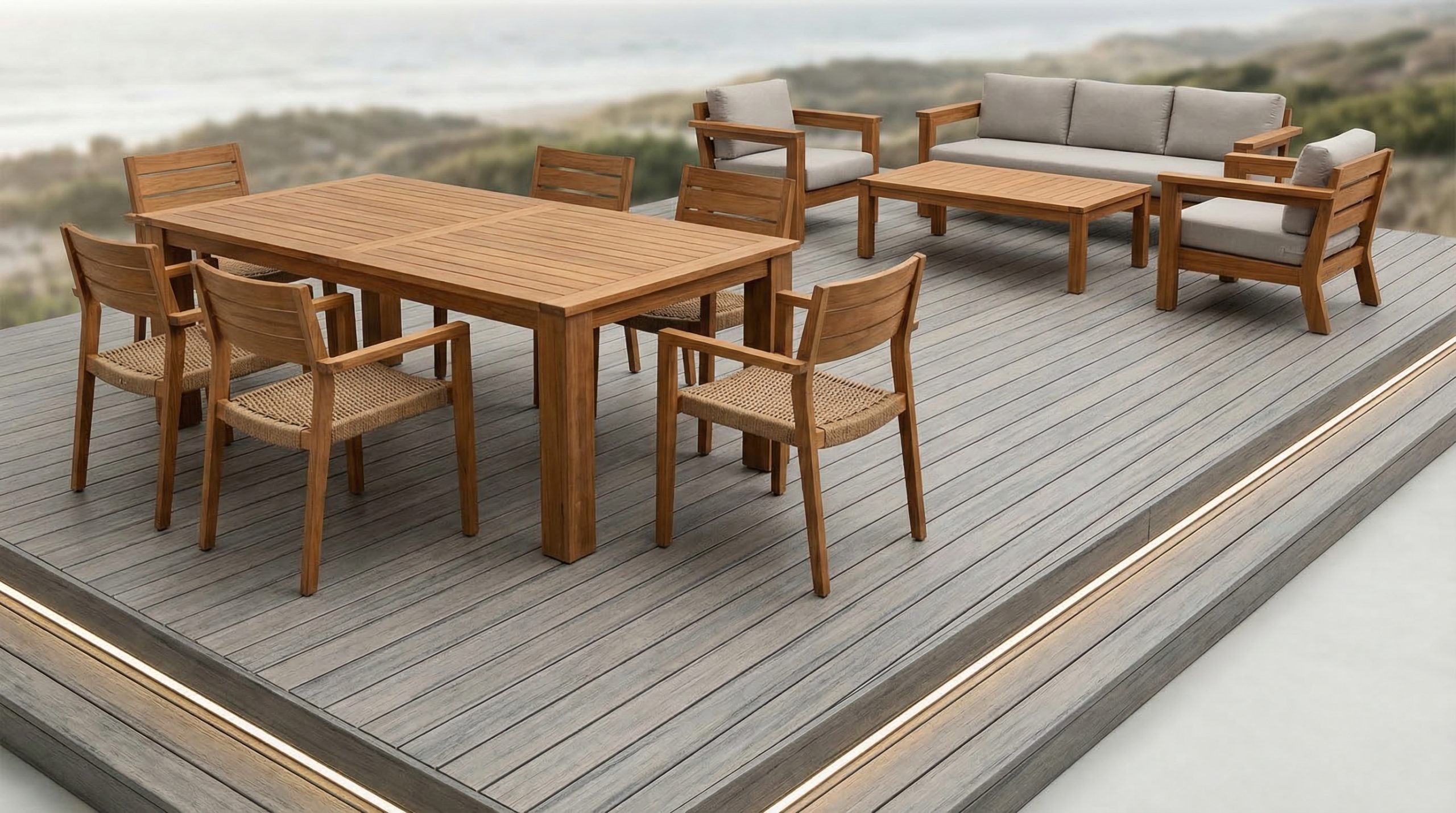
Stabilizing your supply chain starts with choosing materials that offer consistent availability and price points.
| Supply Factor | Solid Wood Outlook | Engineered Wood Outlook |
|---|---|---|
| Lead Times | 8-16 Weeks | 2-4 Weeks |
| Price Stability | Volatile | Stable |
| Global Access | Limited by geography | Widespread |
Table 9: Summary of Supply Chain Stability
Here is the final verdict.
X. Final Selection of Solid Wood vs Engineered Wood
The final choice between solid wood vs engineered wood should be based on the specific lifecycle requirements of your furniture project. You should prioritize solid timber for luxury residential pieces where aesthetics and legacy are the primary selling points. For commercial office fit-outs or humid environments, engineered solutions offer the durability and cost-efficiency needed to maintain long-term performance.
Balancing Quality with Budget Constraints
Using a hybrid approach—solid wood for “touch points” and engineered wood for the core—allows you to deliver premium quality at a competitive price. You can find more details on this strategy in our detailed guide on solid wood vs MDF furniture .
- Material cost optimization across the unit.
- Strategic durability placement for longevity.
- Targeted aesthetic appeal for premium buyers.
Choosing Based on Lifecycle Requirements
Consider whether the product is intended to be a permanent heirloom or a high-traffic utility item before finalizing your material bill. To ensure the highest production standards, you should find wood furniture manufacturers that understand these material nuances deeply.
Here is the bottom line.
Key Takeaway: Success lies in matching the material’s structural behavior to the end-user’s environmental and longevity expectations.
Final selection is an exercise in balancing aesthetics, engineering, and the realities of the supply chain.
| Project Type | Recommended Wood | Performance Priority |
|---|---|---|
| Luxury Residential | Solid Wood | Aesthetics & Legacy |
| Commercial Rental | Engineered Wood | Cost & Stability |
| Outdoor/Wet Area | Specialized Engineered | Moisture Control |
Table 10: Summary of Final Selection Criteria
Let’s answer your questions.
Frequently Asked Questions
Can I use solid wood for high-moisture bathroom cabinetry projects?
While possible with exotic hardwoods like teak, it is generally discouraged due to the extreme risk of warping and seam failure in humid conditions. Most suppliers recommend high-grade engineered panels with specialized water-resistant coatings for these specific environments.
What’s the best way to prevent delamination in engineered wood panels?
Prevention starts with specifying high-density resins and ensuring that the factory uses proper heat-pressing protocols during the lamination stage. You should also verify that the edge banding is applied with industrial-grade adhesives to protect the core from moisture ingress.
How do I know if my supplier is using real timber or veneer?
The most reliable method is to inspect the end grain of the piece, as solid wood will show continuous growth rings throughout the board’s thickness. If the grain pattern on the top does not wrap around to the edge in a natural way, it is likely a veneer applied to an engineered core.
Closing Note
Selecting the right material is essential for securing your long-term brand reputation and operational profit. At Everwoody, we emphasize verifying supplier capability and confirming buyer methods to ensure every unit meets industrial standards. For high-volume production support or custom material sourcing, please feel free to contact us for a professional consultation today.