
Choosing between MDF and solid wood furniture becomes far more difficult once cost targets, surface finish, packaging, and long-term consistency all start affecting the final product decision.
MDF vs solid wood furniture is not simply a comparison between cheap and expensive materials. Both can work well in furniture production when the product structure, surface treatment, transportation method, and usage conditions are properly matched. The real problems usually begin when these details are not clearly confirmed before sampling or bulk production.
This article breaks down where MDF makes sense, where solid wood performs better, which products often use mixed-material structures, and what buyers should confirm before placing an order.
I. Why Do Some MDF and Solid Wood Products Feel Different in Strength?
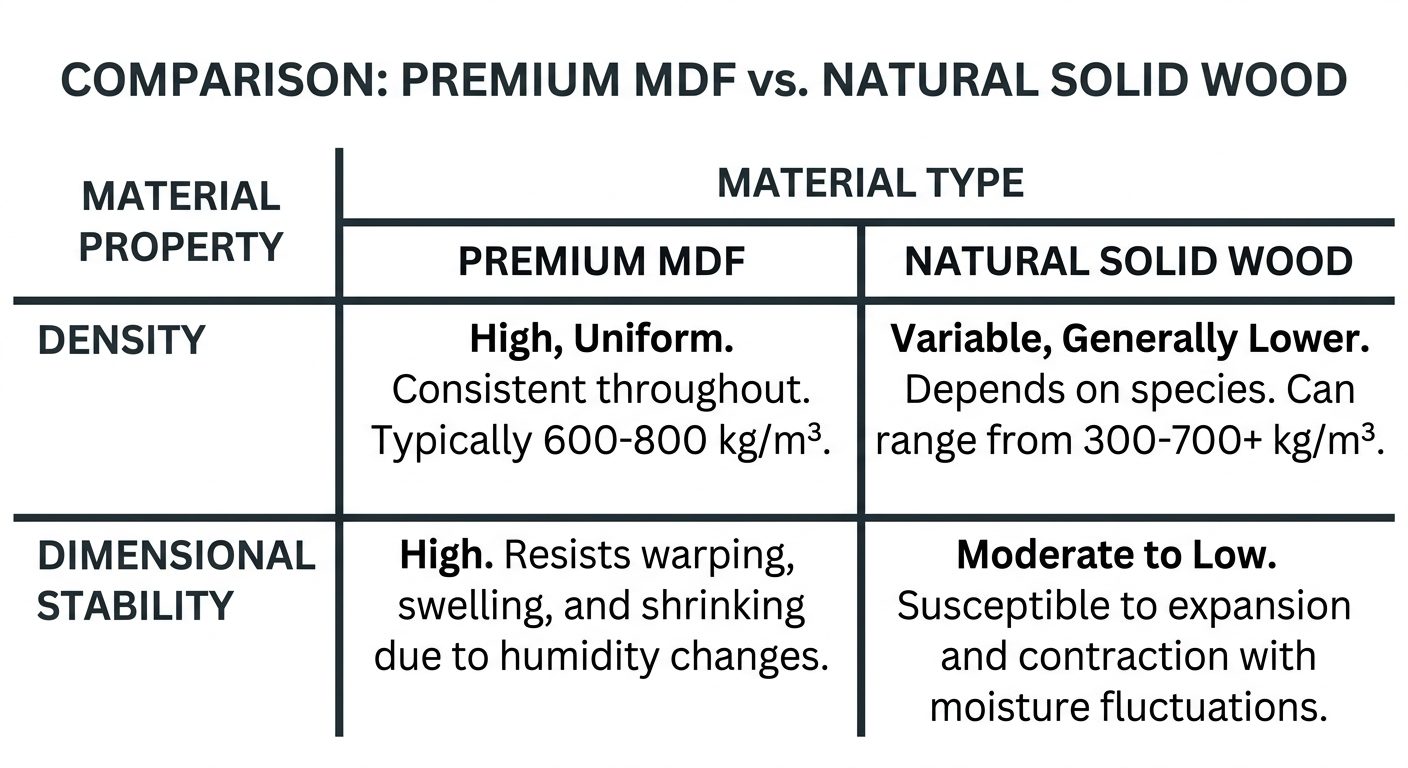
Determining the winner between mdf vs solid wood furniture begins with understanding core density. Medium-density fiberboard is engineered for uniformity, eliminating the knots and voids found in natural timber. While solid wood offers high tensile strength, premium MDF provides a consistent surface that resists splitting during high-speed CNC machining in a factory setting.
1. Engineering the Fiber Matrix
MDF is manufactured by breaking down hardwood or softwood residuals into wood fibers. These fibers are combined with wax and a resin binder, then formed into panels by applying high temperature and pressure. This process creates a material that is generally denser than many plywoods and certain softwoods.
2. The Grain Factor in Structural Performance
Solid wood retains its natural grain, which provides incredible directional strength. This makes it ideal for the primary frames of residential furniture where weight-bearing is a constant factor. However, this grain also introduces “planes of weakness” where the wood might split if handled incorrectly during the manufacturing process.
3. Density Comparison and Risk Screening
Standardizing density is difficult because natural wood varies by species and growth conditions. B2B buyers must verify density specs to ensure the material matches the intended load. Low-density materials in high-traffic environments often lead to early structural failure and customer dissatisfaction.
| Feature | Premium MDF | Natural Solid Wood | Risk Level |
|---|---|---|---|
| Density Uniformity | High | Variable | Medium |
| Internal Voids | None | Possible (Knots) | High |
| Splitting Risk | Low | Moderate | High |
| Machining Precision | High | Moderate | Low |
Key Takeaway: For projects requiring intricate carvings or perfectly uniform panels, MDF offers lower structural risk. Solid wood remains the standard for heavy-load frames but requires stricter QC for natural defects.
II. What Happens When MDF and Solid Wood Face Humidity?
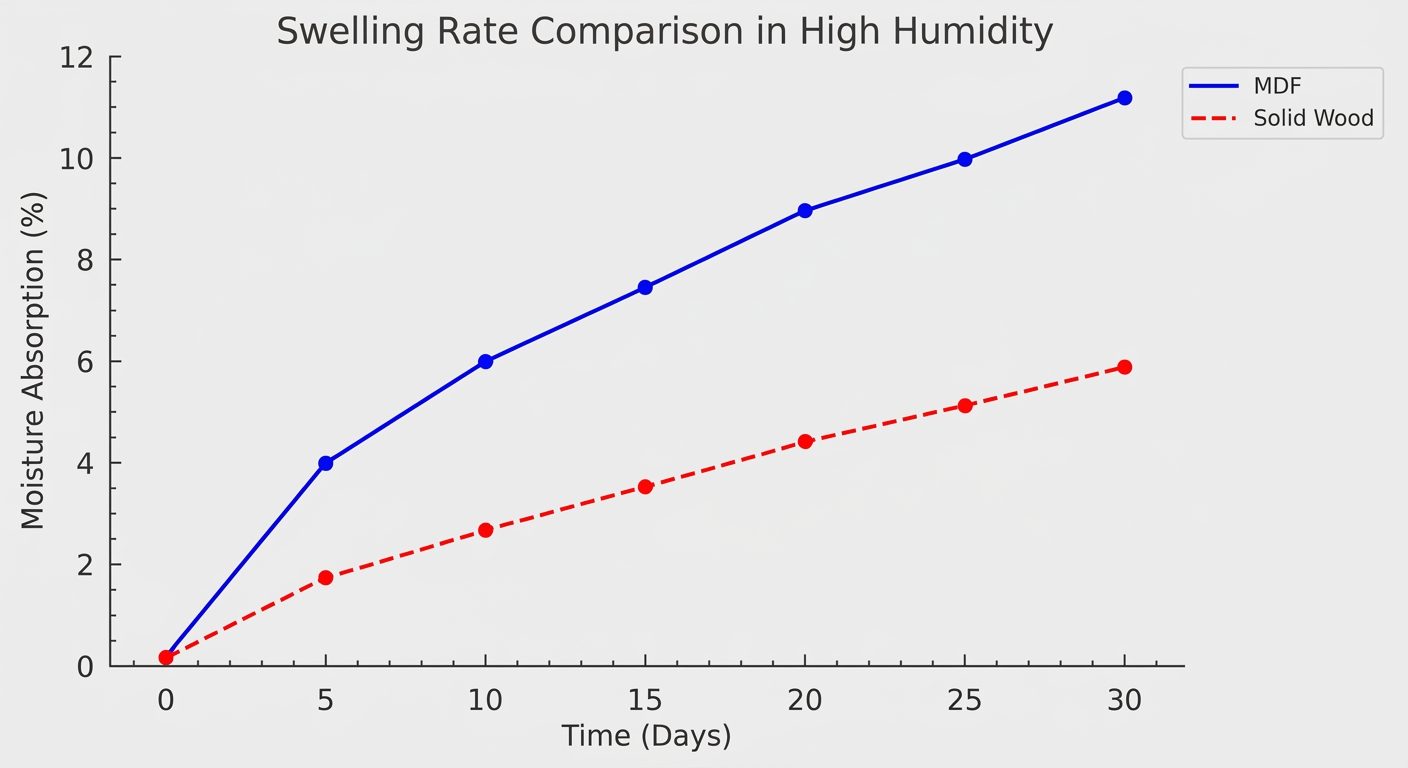
When evaluating MDF vs. solid wood furniture, professional buyers must prioritize how materials react to environmental shifts. Solid wood is “alive” and continues to expand and contract with changes in relative humidity. Premium MDF is far more stable, making it the preferred choice for large, flat panels that must stay perfectly level over time.
1. Expansion Coefficients and Warping
Solid wood moves across the grain, which can cause table tops to cup or drawer fronts to stick. In contrast, the isotropic nature of MDF means it expands and contracts uniformly in all directions. This stability is critical for maintainable quality in office furniture where precision fit is mandatory for modular components.
2. Navigating Global Climates in Sourcing
Shipping from a humid factory to a dry retail market creates significant stress on wooden products. If the moisture content is not managed during the manufacturing stage, solid wood can crack within weeks of arrival. MDF is less prone to this type of catastrophic failure, though it must be sealed properly to prevent edge swelling.
- Humidity Risks:
- Solid wood requires kiln-drying to specific percentages (usually 8-12%).
- MDF panels can absorb edge moisture if not finished with high-quality edge banding.
- Rapid temperature shifts during sea transit can trigger “container sweat” affecting both materials.
3. Environmental Stability Assessment
Buyers should request moisture content reports for all solid wood orders. Without these, the risk of “after-sales” movement is extremely high. MDF provides a safer baseline for stable dimensions, provided the sealants used are industrial grade and applied consistently across all surfaces.
| Stability Metric | MDF Panel | Solid Oak/Pine | Risk Assessment |
|---|---|---|---|
| Warping Propensity | Low | High | High Risk for Wood |
| Humidity Expansion | Uniform | Directional | Medium Risk |
| Seasonal Movement | Minimal | Significant | High Risk |
| Joint Integrity | Stable | Variable | Medium Risk |
Key Takeaway: Use MDF for large surface areas like cabinet doors to prevent warping. Reserve solid wood for components where natural movement can be accommodated through traditional joinery techniques.
III. Which Material Creates a More Consistent Surface Finish?
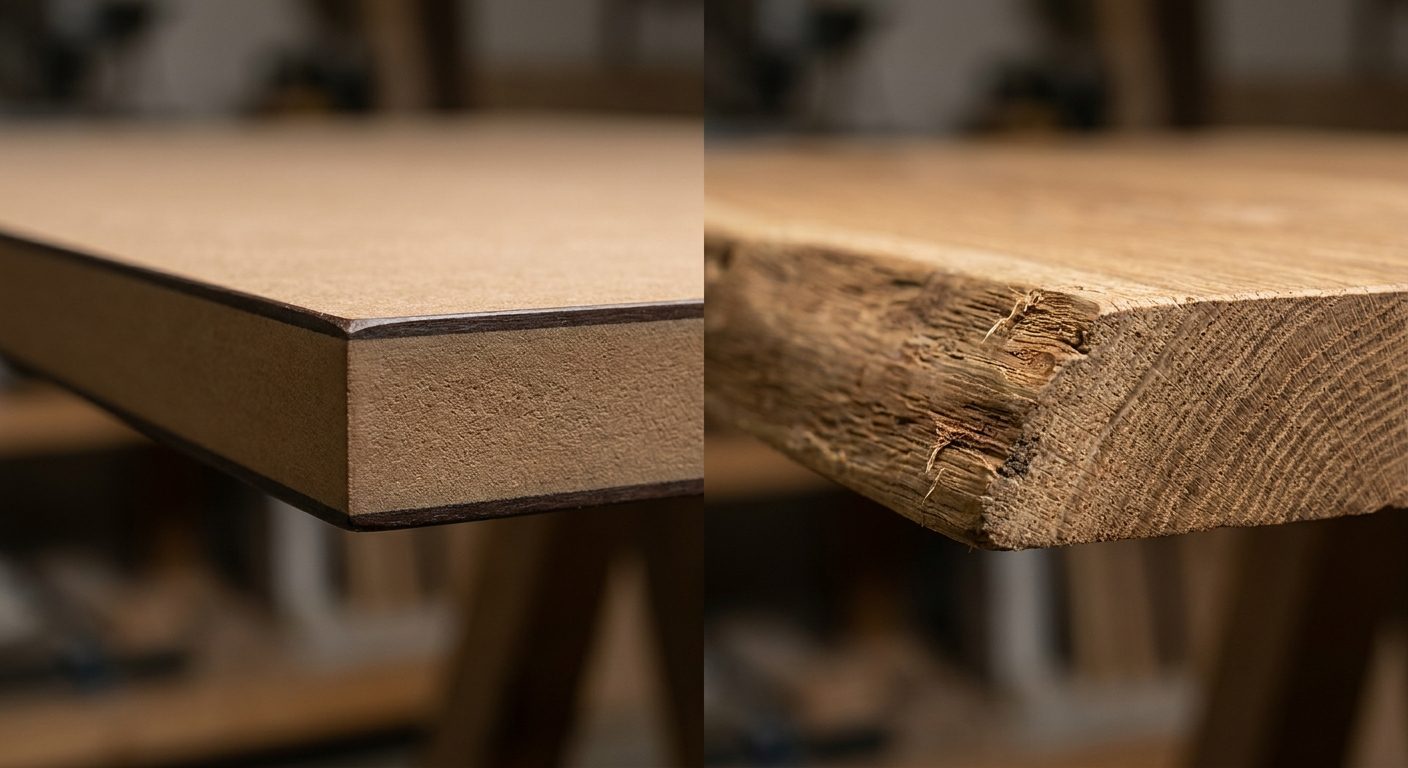
The aesthetic choice between MDF vs. solid wood furniture often comes down to the desired final look. MDF provides a glass-smooth surface that is perfect for high-gloss or matte paint finishes without any grain “telegraphing.” Solid wood is unmatched for items requiring a stain that highlights the depth and character of natural growth rings.
1. Paint Adhesion and Smoothness
Because MDF has no grain, it does not have the “thirsty” spots that can cause uneven paint absorption in solid wood. This results in a superior finish for kids & nursery furniture where bright, uniform colors are often requested. Factory-applied water-based finishes look significantly more premium on a high-quality MDF substrate.
2. Highlighting Natural Wood Grains
There is no substitute for the prestige of real wood grain in high-end residential markets. Staining solid wood allows the factory to showcase the material’s history, which creates a perceived value that MDF cannot replicate. However, matching grain patterns across large batches requires skilled labor and increases the risk of “unaligned” aesthetic standards.
3. Surface Quality Comparison
Retailers must decide if their brand identity is built on “flawless perfection” or “natural character.” MDF delivers the former, while solid wood delivers the latter. Both require specific QC checkpoints to ensure the finish doesn’t peel or flake under daily use conditions.
| Finishing Factor | MDF (Painted) | Solid Wood (Stained) | Judgment |
|---|---|---|---|
| Surface Smoothness | Excellent | Natural Texture | High Stability |
| Color Consistency | High | Variable | Low Risk (MDF) |
| Grain Telegraphing | None | Expected | High Risk (Wood) |
| Finish Durability | Moderate | High | Medium Risk |
Key Takeaway: Select MDF for opaque painted projects to achieve a modern, uniform look. Use solid wood when the product strategy relies on the unique, high-end feel of natural timber textures.
IV. How Do MDF and Solid Wood Affect Procurement Cost?
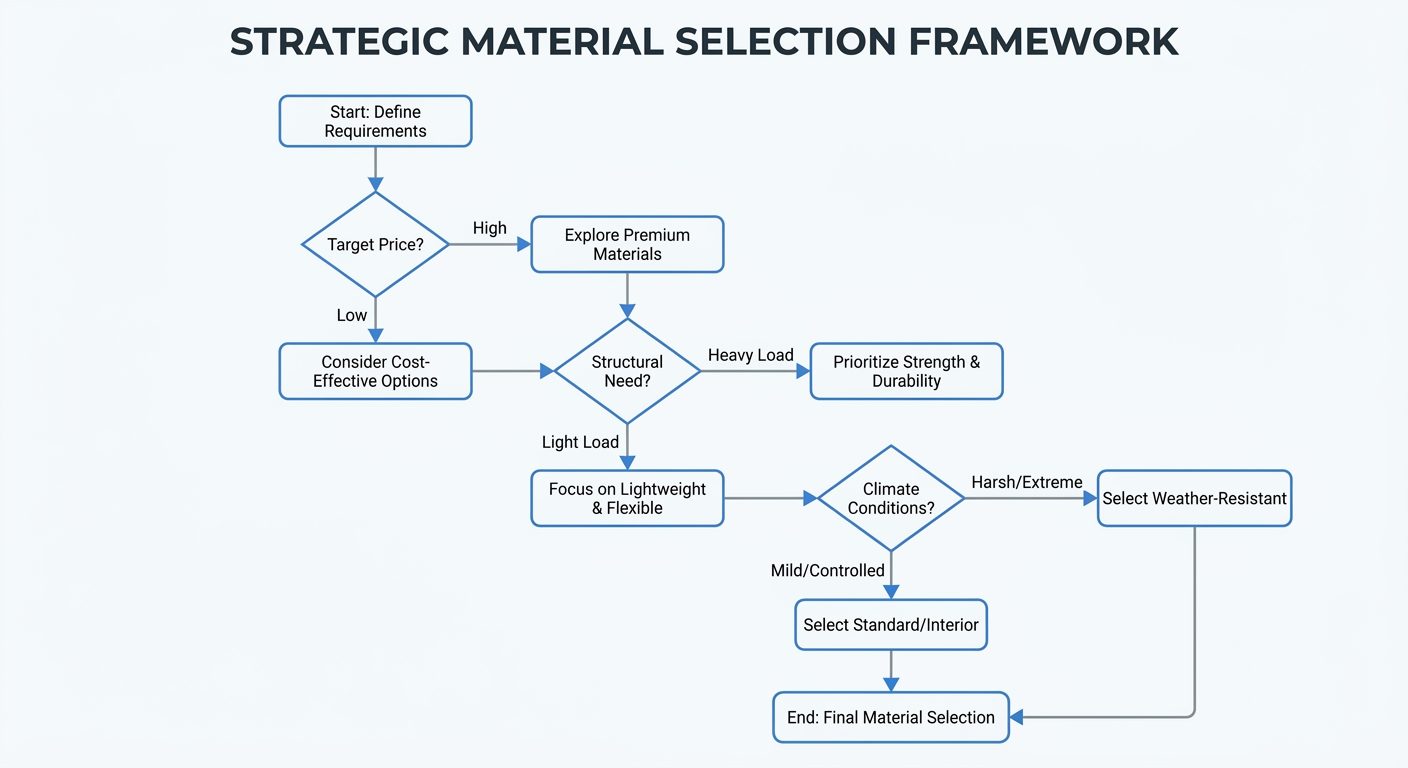
Understanding the cost dynamics of MDF vs. solid wood furniture is essential for maintaining healthy margins. MDF is generally more budget-friendly because it utilizes wood residuals and is easier to process at scale. Solid wood involves higher raw material costs, more waste during cutting, and requires more skilled labor to manage natural defects.
1. Raw Material Market Trends
Solid wood prices are subject to harvest cycles and international trade regulations. For example, FSC wood sourcing adds a premium but ensures compliance for EU and US markets. MDF pricing is more stable, allowing for more predictable long-term contract pricing for retailers and importers.
2. Labor and Waste Management
In a factory environment, MDF can be cut with near-zero waste using nesting software. Solid wood requires “grading” where knots and cracks are cut out, leading to significant material loss. These inefficiencies are passed on to the buyer, making solid wood items naturally more expensive to produce in large volumes.
- Cost Drivers:
- Species selection (Pine vs. Oak vs. Walnut).
- Thickness of panels and structural complexity.
- Certifications required for specific markets (e.g., FSC, PEFC).
3. Financial Risk and Value Screening
High-priced solid wood furniture carries more financial risk if quality issues arise. A 5% defect rate on solid oak is far more costly than a 5% rate on MDF. Buyers must balance the “prestige premium” against the “production efficiency” to find the optimal material mix for their catalog.
| Cost Element | Premium MDF | Solid Hardwood | Risk Level |
|---|---|---|---|
| Unit Price | Low to Moderate | High | Low Risk (MDF) |
| Production Waste | Minimal | Significant | High Risk (Wood) |
| Labor Intensity | Moderate | High | Medium Risk |
| Price Stability | High | Low | High Risk |
Key Takeaway: Use MDF to hit competitive price points in mass-market retail. Reserve solid wood for “hero” pieces where the consumer is willing to pay a premium for longevity and natural materials.
V. Which Material Is Easier to Keep Consistent in Bulk Production?
When scaling production, the consistency of mdf vs solid wood furniture becomes a major operational factor. Modern factories use high-precision CNC machines that perform best with uniform materials. MDF’s lack of grain direction allows for complex routing and shaping that remains identical from the 1st piece to the 5,000th piece.
1. CNC Tolerance Levels
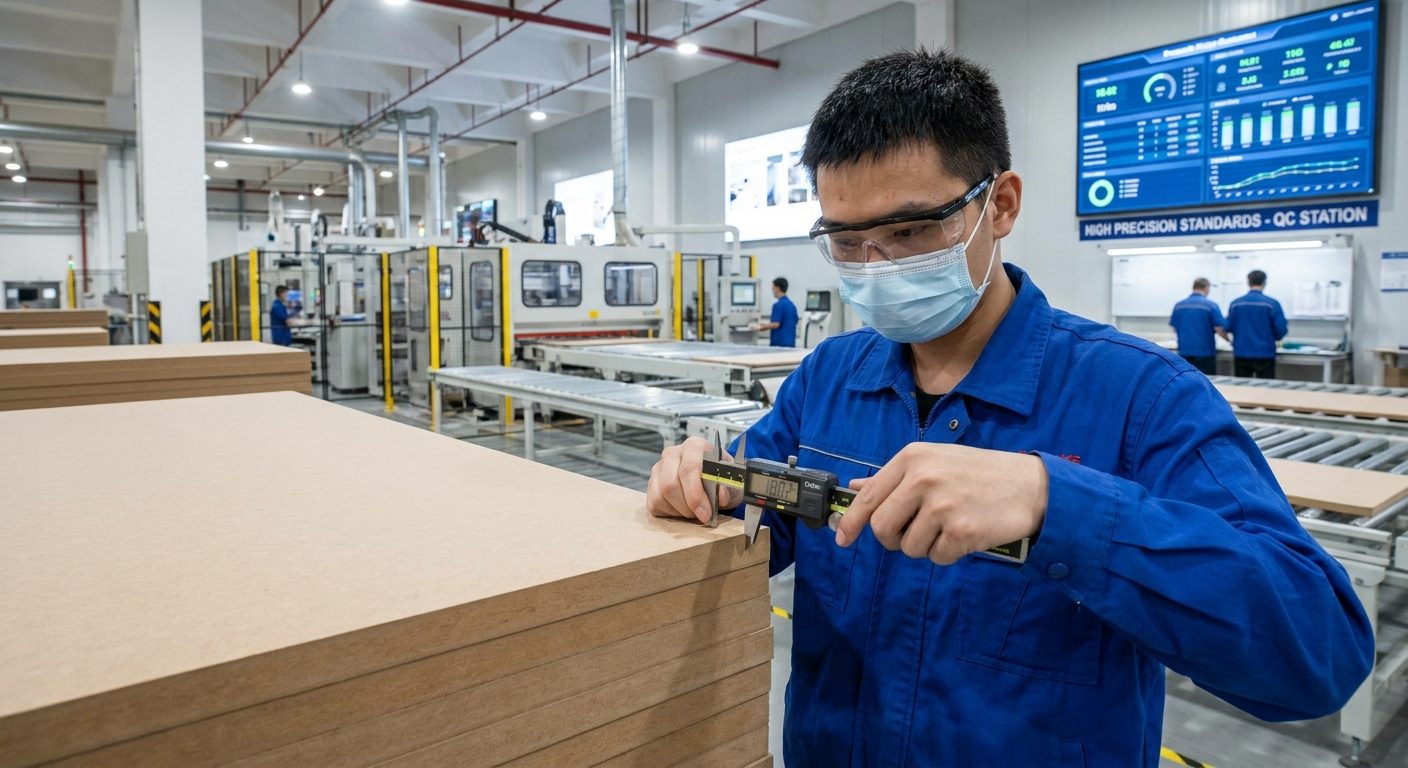
Standardized MDF panels allow for tolerances as tight as 0.1mm. This is vital for educational furniture where parts must be interchangeable for easy assembly in schools. Solid wood is more difficult to hold to such tight tolerances because the wood can “stress-relieve” and move slightly after being cut.
2. Reducing Batch Variation
Variation is the enemy of the professional importer. With MDF, the density and moisture content are controlled during the board’s manufacture. When sourcing solid wood, the factory must manage variations in density even within the same species. This often leads to “information gaps” where the sample looks perfect, but the bulk order has inconsistent weight or grain.
3. Consistency Risk Screening
Importers should look for factories that use digital measurement tools to verify batch consistency. If a supplier cannot provide consistent dimensions across a trial run, the risk of assembly issues at the retail level is high. MDF significantly lowers this technical barrier to entry for new product lines.
| Consistency Metric | MDF Production | Solid Wood Batch | Judgment |
|---|---|---|---|
| Part Interchangeability | High | Moderate | Low Risk |
| Machining Speed | Fast | Moderate | Medium Risk |
| Tool Wear | Low | High | Low Risk |
| Dimensional Accuracy | Excellent | Variable | High Risk (Wood) |
Key Takeaway: For high-volume, flat-pack furniture, MDF is the superior choice for ensuring that every customer receives a product that fits together perfectly every time.
VI. What Safety and Compliance Risks Should Buyers Check?
Safety is non-negotiable when comparing MDF vs. solid wood furniture. Because MDF uses resins, buyers must be vigilant about formaldehyde emission levels. Solid wood is naturally low-emission, but the finishes and glues used in its assembly still require verification to meet international safety standards.

1. CARB-P2 and EN71-3 Standards
To sell in the US, MDF must meet CARB-P2 or TSCA Title VI standards. For the EU, E1 or E0 levels are mandatory. When sourcing wooden home accessories, ensure the factory can provide legitimate test reports from third-party labs like SGS or Intertek to avoid customs seizures.
2. Verifying Supplier Claims
It is common for suppliers to claim “Eco-friendly” status without proof. A professional B2B buyer should ask for the specific “Chain of Custody” for the materials. Solid wood is inherently safer regarding off-gassing, but it may still carry risks if the paints used contain heavy metals.
- Compliance Risks:
- Fake or expired test certificates are a major red flag.
- Mixing certified and non-certified boards in a single shipment.
- Lack of transparency regarding glue types used in solid wood lamination.
3. Health Risk Comparison
While MDF is often criticized for chemicals, modern “NAF” (No Added Formaldehyde) boards are extremely safe. Solid wood is the gold standard for “clean” air, provided the surface coatings are water-based and low-VOC. Buyers must prioritize these standards to protect their end-users and their brand reputation.
| Safety Standard | Premium MDF | Solid Natural Wood | Risk Assessment |
|---|---|---|---|
| Off-gassing Risk | Moderate (Check Certs) | Very Low | High Risk (MDF) |
| Chemical Content | Resin-based | Natural | Medium Risk |
| Compliance Cost | Low | Moderate | Low Risk |
| Heavy Metal Risk | Finish Dependent | Finish Dependent | Medium Risk |
Key Takeaway: Always demand CARB-P2 or E0 certification for MDF orders. For solid wood, focus your QC on the safety of the paints and stains to ensure total compliance.
VII. Where Do Load and Stress Problems Usually Appear?
Structural engineering is where the distinction between MDF vs. solid wood furniture is most apparent. Solid wood’s long fibers give it superior “screw-holding” strength and resistance to bending under heavy loads. MDF is dense but lacks the internal fiber length to support massive weight over long spans without sagging.
1. Screw Retention Risks
One of the primary complaints with lower-grade MDF is that screws can “strip” the material if over-tightened. This is particularly dangerous for items that require frequent disassembly. Solid wood fibers “grip” the threads of a screw, providing a much more permanent and reliable connection for high-stress joints.
2. Hybrid Construction Benefits
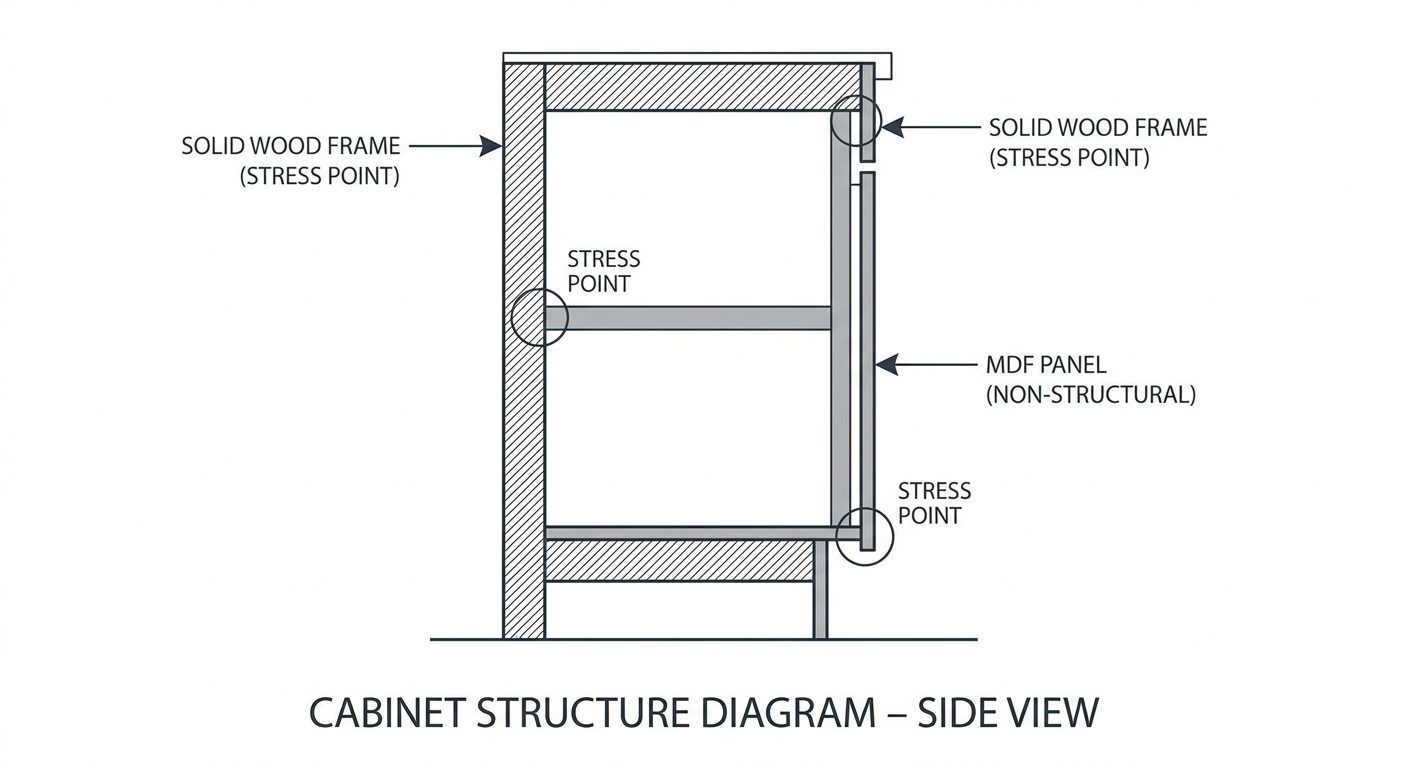
Many savvy importers use a “hybrid” approach to maximize value. They use solid wood for the legs and load-bearing frames and MDF for the decorative panels. This strategy provides the structural integrity of outdoor furniture while keeping the overall cost and weight manageable for shipping.
3. Stress Point Analysis
Before placing a bulk order, a stress analysis should be conducted on the design drawings. If a shelf is too long and made of MDF, it will eventually “creep” or sag permanently. Solid wood resists this deformation much more effectively, ensuring the product looks good years after the initial purchase.
| Structural Metric | MDF Support | Solid Wood Support | Risk Level |
|---|---|---|---|
| Long-Span Rigidity | Low | High | High Risk (MDF) |
| Screw Holding Power | Moderate | High | Medium Risk |
| Joint Strength | Moderate | Excellent | Low Risk (Wood) |
| Impact Resistance | Moderate | High | Medium Risk |
Key Takeaway: Never use MDF for structural legs or high-stress frames. Use solid wood for the “bones” of the furniture and MDF for the “skin” to balance cost and strength.
VIII. Which Products Fit MDF or Solid Wood?
MDF vs solid wood furniture decisions should always start from product function, not material preference alone. Some products work well with MDF because they rely more on surface finish and panel stability, while others need stronger structural support or better long-term load handling. The biggest sourcing mistake is using the same material logic across every furniture category.
1. Cabinets, Shelves, and Painted Furniture
MDF is often acceptable for cabinets, shelves, wall units, and painted furniture because smooth surfaces and dimensional consistency matter more than visible wood grain. It is especially common in painted products where buyers want a flat and uniform finish without natural wood variation.
Problems usually appear when edge sealing, hardware reinforcement, or packaging protection are not clearly confirmed before production. Moisture exposure and repeated assembly can also create visible weakness around screw positions or panel corners.
If you are comparing different furniture structures for storage or painted products, reviewing examples from wooden furniture manufacturing workflows can help identify where material differences become visible during production and packing.
2. Tables, Chairs, Beds, and Frames
Solid wood is more common in tables, chairs, beds, and structural frames because these products face repeated movement, load pressure, and connection stress. In these categories, structural stability usually matters more than surface uniformity.
That does not mean every solid wood product performs better automatically. Problems can still appear if the moisture content, joint structure, or hardware positioning are inconsistent between samples and bulk production. In some lower-cost products, solid wood may only be used in visible or load-bearing sections.
This becomes even more important in flat-pack products where repeated assembly affects screw holding and long-term stability. Some buyers use furniture inspection checklists during sampling to confirm whether structural areas match the approved specification.
3. Hybrid Structures for Cost Control
Many commercial furniture products do not rely on only one material. A hybrid structure is often used to balance appearance, cost control, weight, and production efficiency. For example, some products use solid wood frames together with MDF side panels, shelves, or painted surfaces.
This approach can reduce visible material movement while keeping key stress points stronger. It is also common in furniture designed for e-commerce packaging or mixed-market pricing strategies.
The real issue is whether the supplier clearly defines where each material is used. If this is not confirmed during sampling, buyers may later discover unexpected material substitutions inside bulk orders. Reviewing how factories manage furniture quality control processes can help reduce these grey areas before production begins.
Before moving into supplier comparison, it helps to separate “material choice” from “product suitability.” The same material may work well in one furniture category and fail quickly in another.
| Product Type | Better-Fit Material | Main Confirmation Point |
|---|---|---|
| Painted cabinets | MDF | Edge sealing |
| Wall shelves | MDF or mixed structure | Weight load |
| Dining tables | Solid wood | Joint stability |
| Beds and frames | Solid wood | Hardware stress |
| KD storage units | Mixed structure | Packaging protection |
Key Takeaway: MDF and solid wood should not be judged as universally good or bad materials. The real decision depends on product function, structure, transportation method, and how clearly the production specification is confirmed before bulk production.
IX. How to Confirm Material Before Ordering?
MDF vs solid wood furniture problems usually appear after sampling, not before it. Many buyers approve products based on appearance alone, while structural details, panel specifications, packaging methods, and hardware areas remain undefined. Once bulk production starts, these undefined areas often become the source of disputes.
1. Match Material to Product Function
The first step is matching the material to the product’s actual use condition. A painted cabinet, a dining table, and a knock-down storage unit do not face the same structural pressure or transportation risk.
Some products can safely use MDF without creating obvious performance problems. Others need stronger support areas, especially when repeated movement, load pressure, or long shipping routes are involved. This is why experienced buyers compare structure plans before approving development samples instead of judging only by material names.
For products designed for export packaging or repeated assembly, reviewing furniture manufacturing processes can help identify where structural risks usually appear during production and shipment.
2. Confirm Specs Before Sampling
Many sourcing problems begin because buyers approve samples without confirming detailed material specifications. A product described as “solid wood” may still include MDF panels or engineered sections, depending on the agreed structure.
Before sampling approval, buyers should confirm:
- panel thickness and density
- edge sealing method
- visible vs internal material usage
- hardware fixing positions
- painted or veneered surface structure
- packaging protection method
If these details remain unclear, sample quality and bulk production quality may not stay aligned. Buyers comparing different material structures often use common furniture quality issue references to identify weak areas before final approval.
3. Check Bulk Against Approved Samples
Even after samples are approved, buyers still need to verify whether bulk production follows the same structure and material definition. This becomes more important when suppliers adjust sourcing, hardware, or panel specifications during production.
The highest-risk areas are usually internal structures that are difficult to notice after packaging. Packaging protection, panel substitutions, hardware positioning, and edge treatment should all remain consistent with the approved sample record.
Some importers reduce this risk by confirming production photos, packing details, and inspection points before shipment. Comparing these steps with a furniture sourcing risk control process can help avoid disputes caused by unclear material expectations.
| Confirmation Area | Why It Matters | Risk if Undefined |
|---|---|---|
| Edge sealing | Moisture protection | Higher risk |
| Material position | Structural consistency | Higher risk |
| Hardware areas | Assembly stability | Medium to high |
| Packaging method | Transport protection | Medium |
| Surface structure | Finish consistency | Medium |
Key Takeaway: Material problems are often specification problems in disguise. The more clearly structure, packaging, hardware, and material positions are confirmed before production, the lower the risk of sample-to-bulk inconsistencies later.
FAQ
1. Can I mix MDF and solid wood in one furniture product?
Yes. Many commercial furniture products already use mixed-material structures. Solid wood may be used in load-bearing areas, while MDF is used for painted panels, shelves, or side sections to improve surface consistency and cost control.
2. What’s the best material for painted furniture?
MDF is commonly used in painted furniture because smooth panel surfaces help create a more even finish. However, edge sealing, moisture protection, and hardware fixing areas still need confirmation before production.
3. How do I know if MDF furniture is acceptable?
The answer depends on product type and structure. MDF may work well in storage units, painted cabinets, or decorative furniture, but products exposed to repeated load pressure, moisture, or frequent movement usually require stronger structural planning.
4. Can I reduce cost without changing the visible appearance?
In many cases, yes. Some products use solid wood only in stress points or visible areas while using MDF in internal or painted sections. The key is making sure the material positions and specifications are clearly confirmed before bulk production.
Closing Note
MDF vs solid wood furniture decisions affect structure, finish quality, packaging, transportation, and long-term consistency. If you are comparing material options for a new furniture project, you can review more production and sourcing support through EverWoody before moving into sampling or bulk production.