
A bedside table and a nightstand may look similar online, but the wrong choice can make a bedroom feel crowded, short on storage, or awkward to use every night.
A nightstand usually gives more storage and a stronger bedroom-focused structure. A bedside table is often lighter, more open, and easier to use in small rooms, guest rooms, or simple bedside setups.
This guide compares their size, height, storage, materials, and daily use differences, so you can choose the piece that fits the room instead of relying only on product names.
I. How Do Bedside Tables and Nightstands Differ?
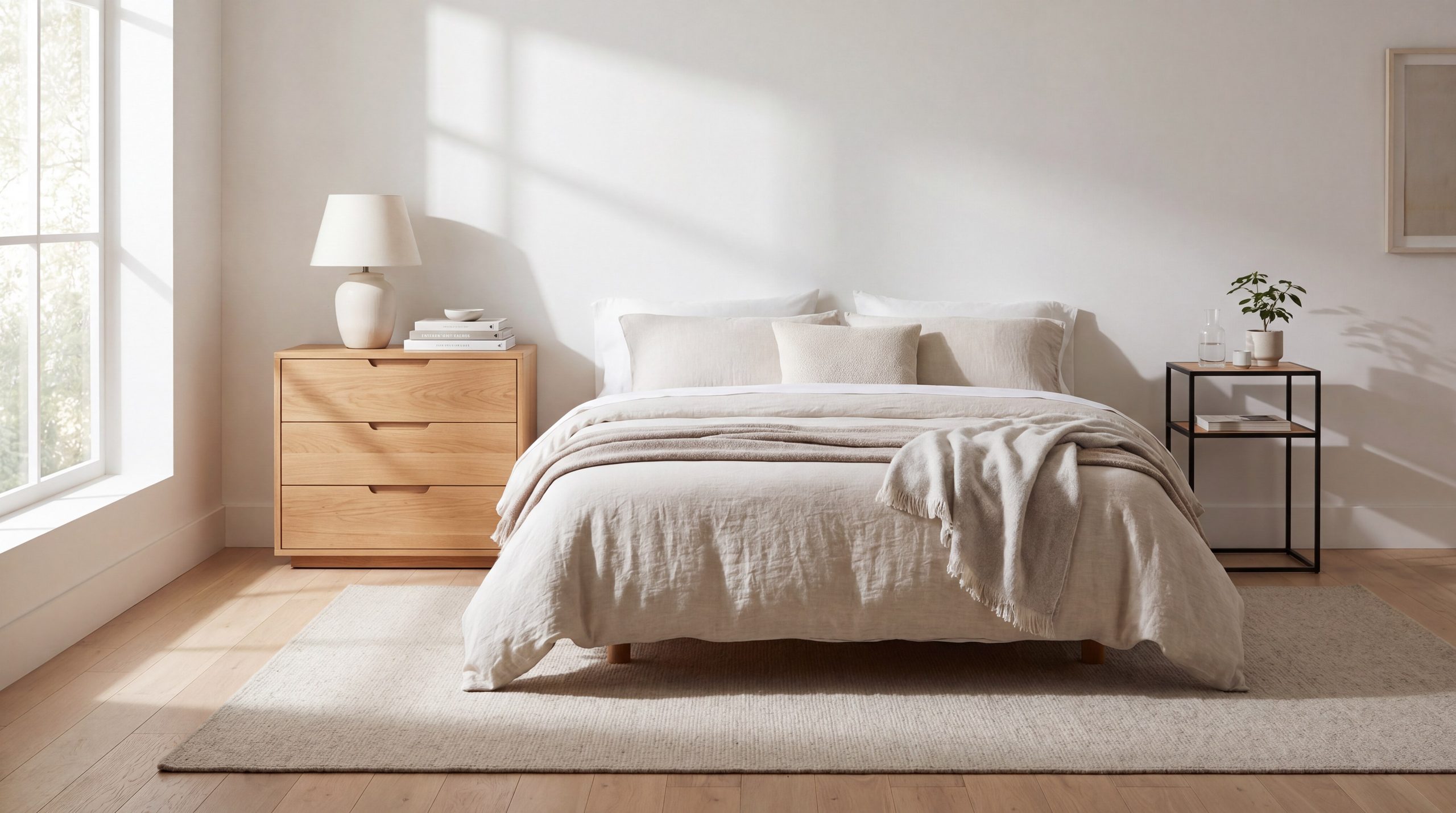
Bedside tables and nightstands differ mainly in storage, visual weight, and how they are used beside the bed. A nightstand usually feels more like a small storage cabinet, while a bedside table is often lighter, simpler, and more flexible in different rooms.
1. Storage and Structural Differences
A nightstand usually has drawers, cabinet space, or a heavier box-like structure for keeping personal items out of sight. A bedside table may only have an open shelf, a small drawer, or a simple tabletop, so it feels lighter and works better when storage is not the main need.
The easiest way to separate the two is to look at these product details:
- A nightstand usually gives more hidden storage.
- A bedside table usually keeps the design more open.
- A nightstand often looks heavier beside the bed.
- A bedside table is easier to move between rooms.
- A nightstand works better when clutter control matters.
2. Intended Aesthetic and Utility Roles
A nightstand is usually chosen when the bedroom needs stronger storage and a more balanced look beside the bed. A bedside table works better when the room needs a lighter piece that can hold a lamp, phone, book, or small daily items without making the space feel crowded.
Use this quick comparison to understand the practical difference:
| Feature | Nightstand | Bedside Table |
|---|---|---|
| Storage | Usually has drawers or cabinet space | Often has open shelving or a simple top |
| Visual weight | Heavier and more grounded | Lighter and more open |
| Best room use | Main bedrooms and daily storage areas | Small bedrooms, guest rooms, or flexible spaces |
| Daily function | Hides clutter and organizes small items | Keeps essentials easy to reach |
| Main advantage | Better storage | Better visual lightness |
Key Takeaway: A nightstand is better when storage and organization matter most. A bedside table is better when the room needs a lighter, simpler piece beside the bed.
II. What Is the Golden Height Rule for Bedside Units?
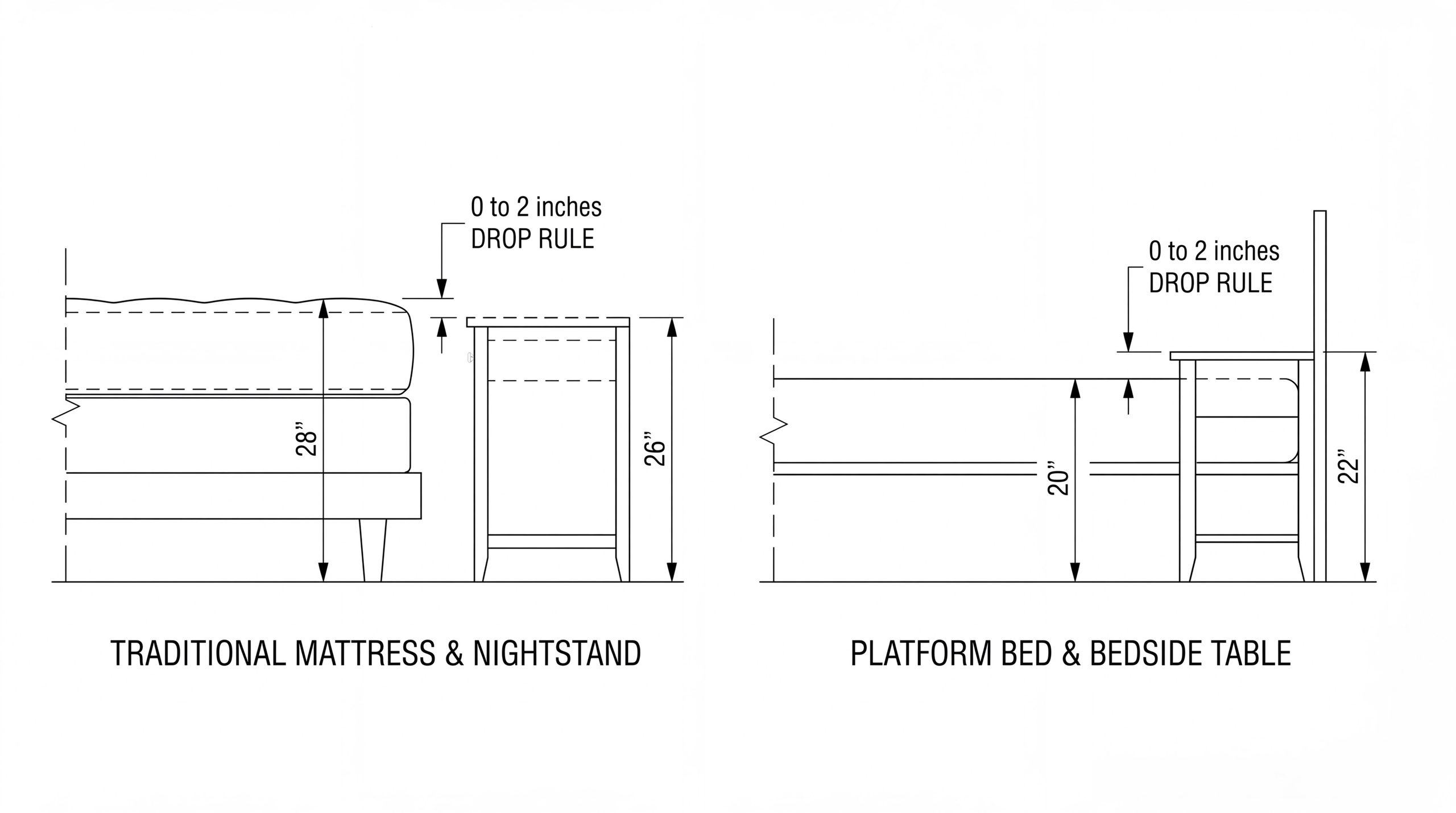
The golden height rule for a bedside table or nightstand is to keep the top close to the mattress height. This makes the piece easier to reach from bed and keeps lamps, books, phones, and glasses at a comfortable level.
1. Mattress Height Controls the Best Bedside Height
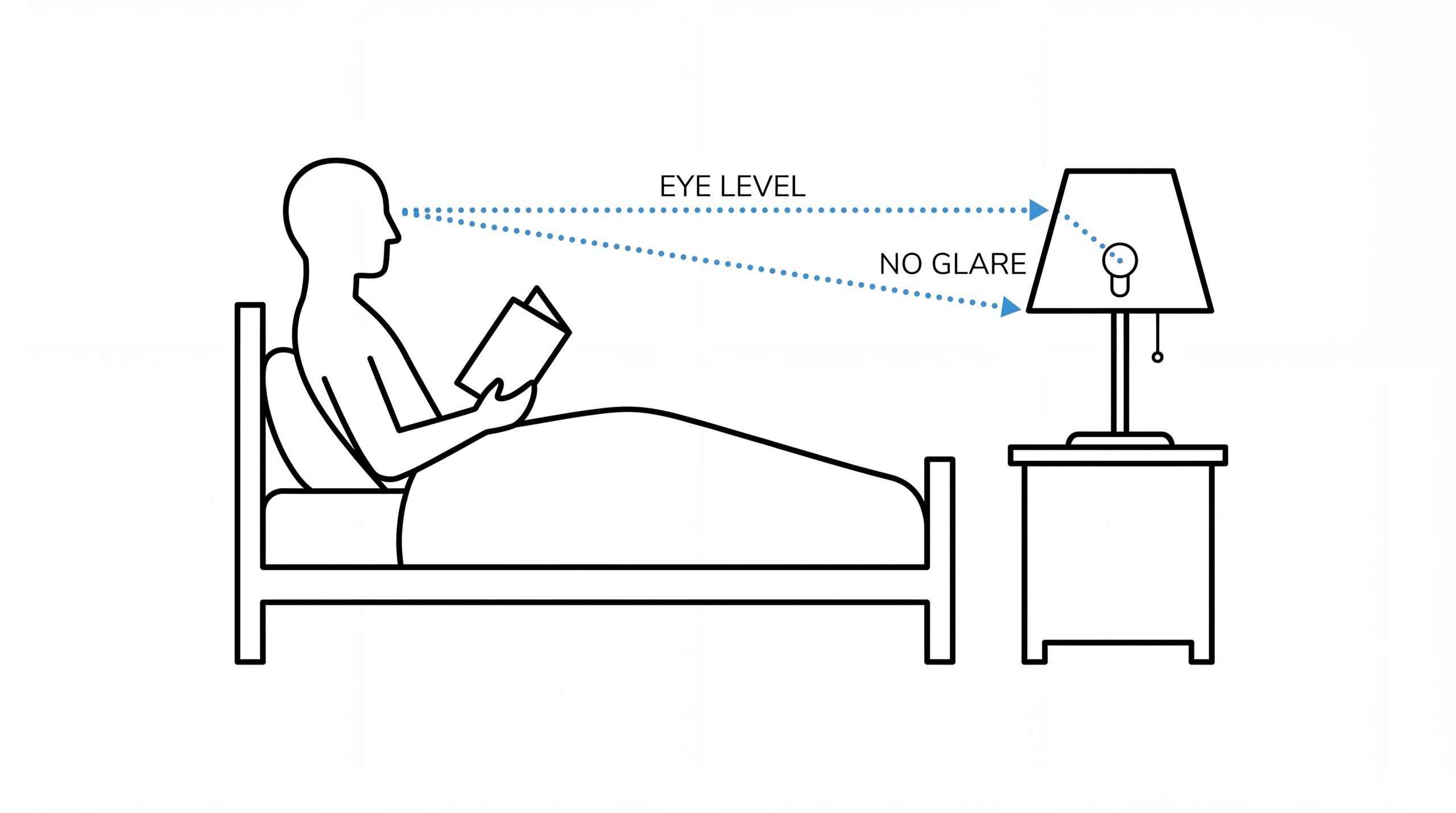
A bedside table or nightstand should usually sit level with the top of the mattress, or slightly higher if the user wants easier access at night. If it is too low, reaching down feels awkward; if it is too high, the piece can look bulky and make the lamp feel too close to the face.
2. Lamp Height Also Affects the Choice
The lamp should work with both the bed height and the bedside furniture height. A taller nightstand may need a shorter lamp, while a lower bedside table may need a taller lamp to keep the light comfortable for reading.
Use these simple height checks before choosing the piece:
- Match the top close to the mattress height.
- Avoid a very low table beside a tall bed.
- Avoid a tall nightstand beside a low platform bed.
- Check lamp height together with furniture height.
- Leave enough reach space for phones, glasses, and books.
3. Height Mistakes Make Daily Use Annoying
A wrong height may not look serious in a product photo, but it becomes obvious during daily use. The user may need to bend down for the phone, reach upward for a glass, or adjust the lamp too often because the bedside setup does not match the bed.
| Bed setup | Better bedside height choice | Why it works |
|---|---|---|
| Standard mattress | Near mattress height | Keeps daily items easy to reach |
| Tall mattress | Slightly taller nightstand | Prevents awkward downward reach |
| Low platform bed | Lower bedside table | Keeps the visual line balanced |
| Reading lamp setup | Height matched with lamp shade | Keeps light more comfortable |
| Small bedroom | Slim unit near mattress height | Saves space without hurting function |
Key Takeaway: The best bedside table or nightstand height is usually close to the mattress top. Good height makes the piece easier to reach, better balanced, and more comfortable for daily bedroom use.
III. How Much Space Is Needed for Bedside Layouts?
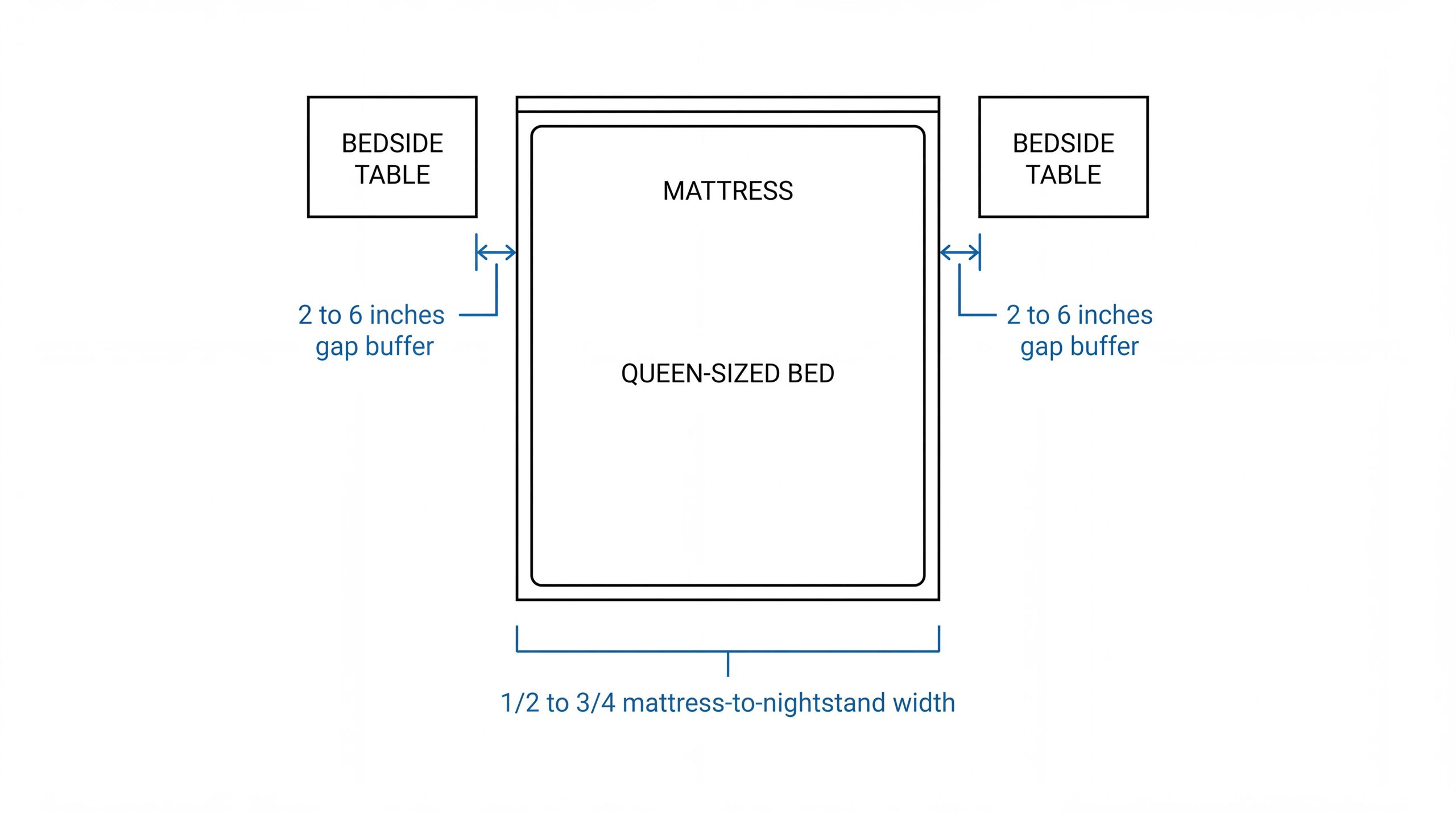
A bedside table or nightstand needs enough side space for easy reach, drawer opening, and walking movement around the bed. The right width is not only about fitting the furniture into the gap; it also affects comfort, clutter, and how balanced the bedroom looks.
1. Side Clearance Controls the Better Size
Side clearance should decide the maximum width before style or storage features. A wide nightstand may look balanced beside a large bed, but it can block movement in a small bedroom if the bed, wardrobe, and walking path are too close together.
2. Drawer Opening Needs Extra Room
A nightstand with drawers needs more usable space than an open bedside table because the drawer must open without hitting the bed frame, wall, or nearby furniture. This is one reason a slim bedside table can work better in tight layouts, even if it offers less hidden storage.
Check these layout details before choosing the width:
- Leave enough room to walk beside the bed.
- Keep drawer fronts clear of the bed frame.
- Avoid blocking wardrobe doors or room doors.
- Match the top width with the bed size.
- Keep the piece reachable without crowding the corner.
3. Visual Balance Matters Beside the Bed
A bedside unit should look proportional to the bed, not just fit into the available space. A tiny table can look lost beside a king bed, while a bulky nightstand can make a small bedroom feel tighter than it really is.
| Bedroom layout | Better choice | Why it works |
|---|---|---|
| Narrow gap beside the bed | Slim bedside table | Uses less floor width |
| Main bedroom with wider space | Nightstand | Gives better visual balance and storage |
| Bed close to wardrobe | Open bedside table | Reduces drawer conflict |
| Large bed frame | Wider nightstand | Looks more proportional |
| Small guest room | Compact side table | Keeps movement easier |
Key Takeaway: The best bedside table or nightstand size depends on side clearance, drawer movement, and visual balance. A piece that fits the room poorly will feel wrong even if the style looks good online.
IV. Do You Need Drawers or Just Open Shelving?
Drawers are better when the bedside area needs hidden storage, while open shelving works better when the user wants faster access and a lighter look. This choice often matters more than whether the piece is called a bedside table or a nightstand.
1. Drawers Keep Small Items Out of Sight
A nightstand with drawers works well when the user keeps chargers, glasses, skincare products, books, or personal items near the bed. Hidden storage keeps the tabletop cleaner and makes the bedroom feel more organized during daily use.
2. Open Shelving Feels Lighter and Easier to Reach
An open bedside table is usually better when the room needs a lighter shape and the user does not want to open drawers at night. It works well for books, baskets, or simple guest room setups where fast access matters more than hiding clutter.
Compare the storage style with real bedroom habits:
- Use drawers when small items often collect beside the bed.
- Use open shelving when the room needs a lighter visual feel.
- Use a simple tabletop when only a lamp and phone are needed.
- Use a drawer-and-shelf design when storage needs are mixed.
- Avoid deep storage if the room is narrow and movement is limited.
3. Mixed Storage Often Works Best
Many bedside units work better when they combine one drawer with an open shelf. The drawer hides smaller personal items, while the shelf keeps books or everyday objects easy to reach without making the whole piece feel too bulky.
| Storage design | Best use | Main advantage |
|---|---|---|
| Drawer nightstand | Daily bedroom storage | Hides clutter |
| Open bedside table | Small or light bedrooms | Keeps the look airy |
| Simple tabletop | Guest rooms or minimal rooms | Saves space |
| Drawer + shelf | Mixed daily use | Balances storage and access |
| Cabinet-style nightstand | Larger bedrooms | Holds more items |
Key Takeaway: Choose drawers when clutter control matters. Choose open shelving when visual lightness and fast access matter more. For many bedrooms, one drawer plus one open shelf gives the best balance.
V. Can You Use a Side Table as a Bedside Option?
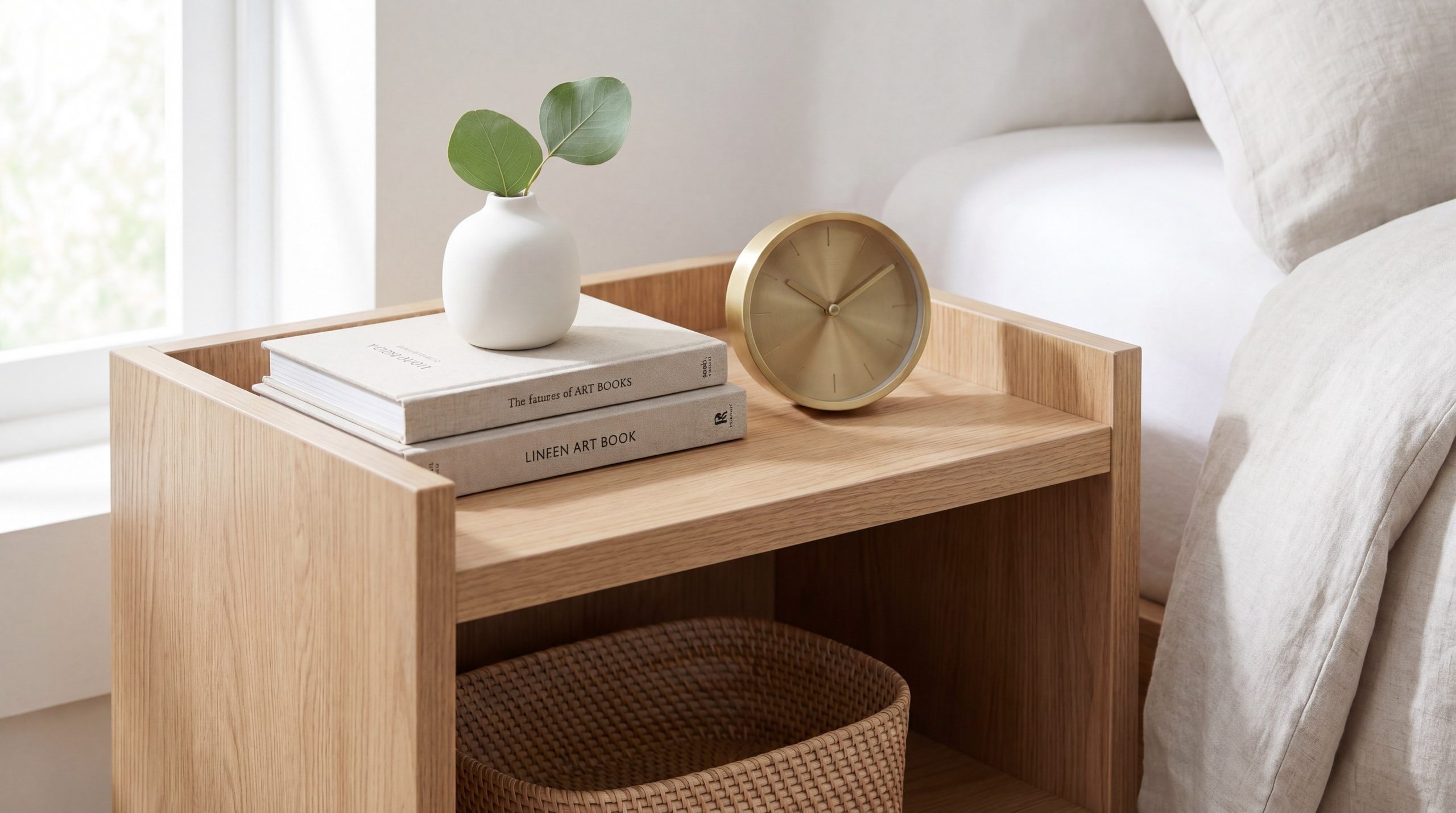
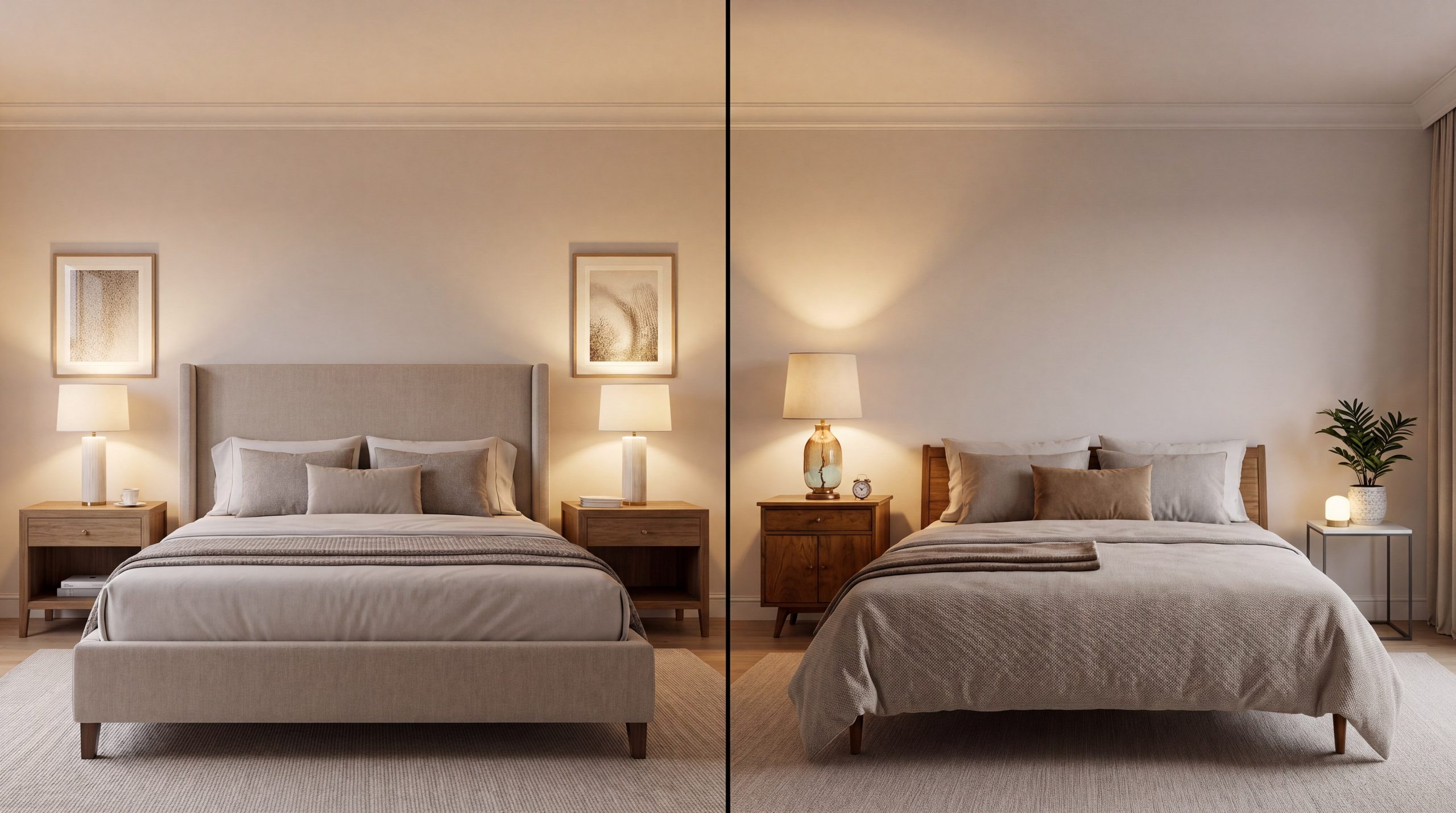
A side table can work as a bedside option if the height, surface size, and stability fit the bed. It is not always the same as a nightstand, but it can replace one in simple bedrooms, guest rooms, or layouts where hidden storage is not a priority.
1. Side Tables Work Best for Light Bedside Use
A side table works well when the user only needs space for a lamp, phone, book, or small decorative item. It usually feels lighter than a nightstand, so it can help a small room feel less crowded.
2. Storage Limits Are the Main Trade-Off
The main weakness of using a side table beside the bed is limited storage. If the user needs to hide chargers, glasses, skincare items, books, or personal items, a nightstand with drawers usually works better.
Use a side table beside the bed when the setup is simple:
- The room is small and needs a lighter look.
- The user only needs a lamp and phone nearby.
- The bedroom is for guests or occasional use.
- Hidden storage is not a major need.
- The side table height is close to the mattress top.
3. Stability Still Matters Beside the Bed
A side table may look flexible, but it still needs to stay stable near the bed. Designs with very thin legs, small tops, or lightweight frames may tip or wobble more easily when used for lamps, books, or late-night reach.
| Bedside use case | Can a side table work? | Better choice |
|---|---|---|
| Guest room | Yes | Side table |
| Minimal bedroom | Yes | Open bedside table |
| Daily storage needs | Not ideal | Nightstand |
| Large lamp setup | Sometimes | Wider nightstand |
| Small room with limited floor space | Yes | Slim side table |
Key Takeaway: A side table can replace a nightstand when the bedroom needs a light, simple surface. If storage, stability, and daily organization matter more, a proper nightstand is usually the better choice.
VI. Which Materials Stand up to Long-Term Bedroom Use?
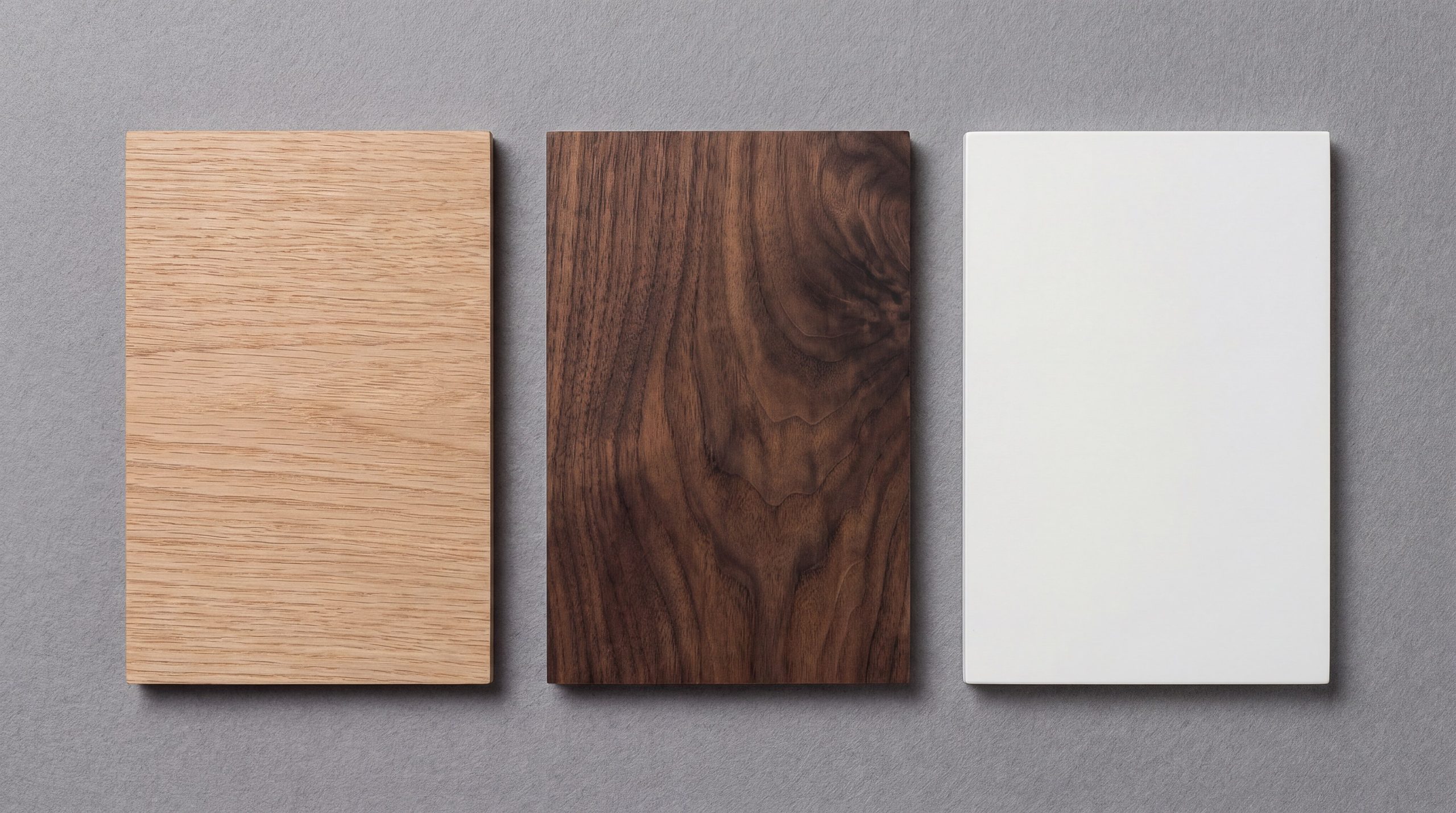
Wood, engineered wood, and metal-framed designs can all work for bedside tables and nightstands, but the better material depends on weight, finish quality, storage structure, and daily use. For bedroom furniture, long-term performance often comes from the right balance between material choice and construction.
1. Solid Wood Feels Stronger but Needs Good Finish Control
Solid wood can give a bedside unit better weight, texture, and long-term repairability. It still needs proper drying, stable construction, and a suitable finish because bedroom surfaces often face water glasses, skincare products, chargers, and regular wiping.
2. Engineered Wood Can Work Well in Clean Designs
Engineered wood can work well for bedside tables and nightstands when the structure, edge sealing, and surface finish are controlled properly. It is often useful for clean modern designs, consistent shapes, and cost-sensitive bedroom furniture lines.
Material choice should match the product’s actual use:
- Use solid wood when texture, weight, and long service life matter more.
- Use engineered wood when clean shape, consistency, and cost control matter more.
- Use veneer or mixed-material designs when the goal is a better surface look with controlled cost.
- Use metal frames when the design needs a lighter visual structure.
- Avoid weak edge sealing if the piece may face water cups or frequent wiping.
3. Finish Quality Can Matter More Than the Material Name
A good material can still perform poorly if the finish is weak, uneven, or easy to mark. For wooden bedside furniture, the better choice is not always the most expensive material, but the one with a finish and structure that match real bedroom use.
| Material option | Better fit | Main risk to check |
|---|---|---|
| Solid wood | Higher-end bedroom furniture | Poor drying or weak finish |
| Engineered wood | Clean modern designs | Edge swelling or weak surface protection |
| Veneer finish | Better visual texture with cost control | Peeling or inconsistent grain matching |
| Metal frame + wood top | Light visual style | Wobbling or weak joint points |
| Mixed materials | Flexible design lines | Inconsistent finish and assembly details |
For a broader material comparison, this guide on best wood for furniture is the more natural supporting page than a sourcing or factory article.
Key Takeaway: The best material for a bedside table or nightstand is the one that fits the design, storage load, finish expectation, and daily use. Material names matter, but finish control and structure decide how the piece feels after repeated use.
VII. What Quality Details Matter Most for Daily Use?
The most useful quality details are the ones users feel every day: smooth drawer movement, steady structure, and a finish that does not mark too easily. For bedside furniture, these details often matter more than whether the product is called a table or a nightstand.
1. Drawer Movement Changes the Daily Experience
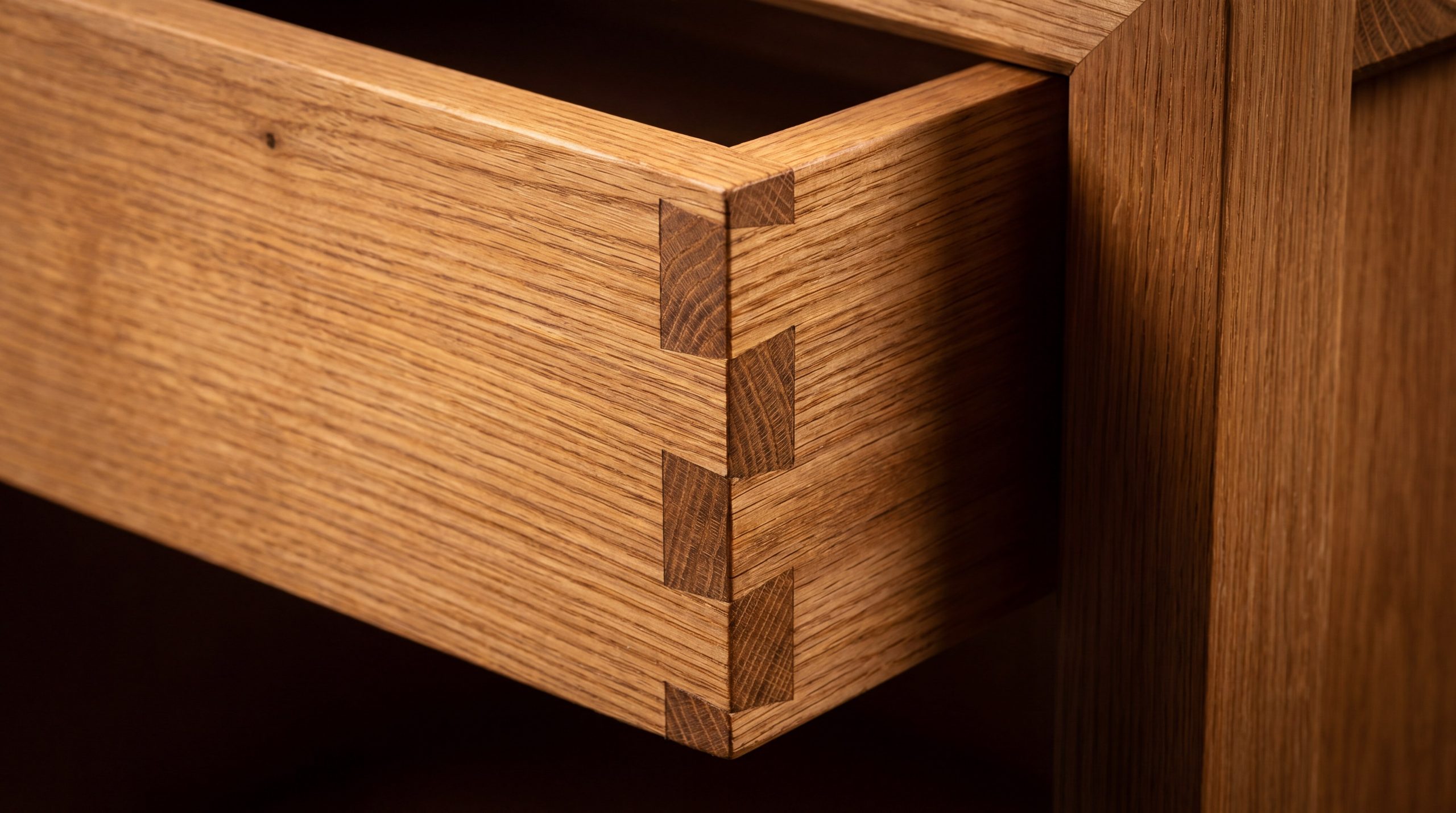
A nightstand with drawers faces more repeated use than a simple open bedside table, so the drawer should open smoothly, close evenly, and keep balanced gaps on both sides. If the drawer feels loose, noisy, or uneven, the whole piece feels cheaper even when the outside design looks good.
2. Stability Matters Near the Bed
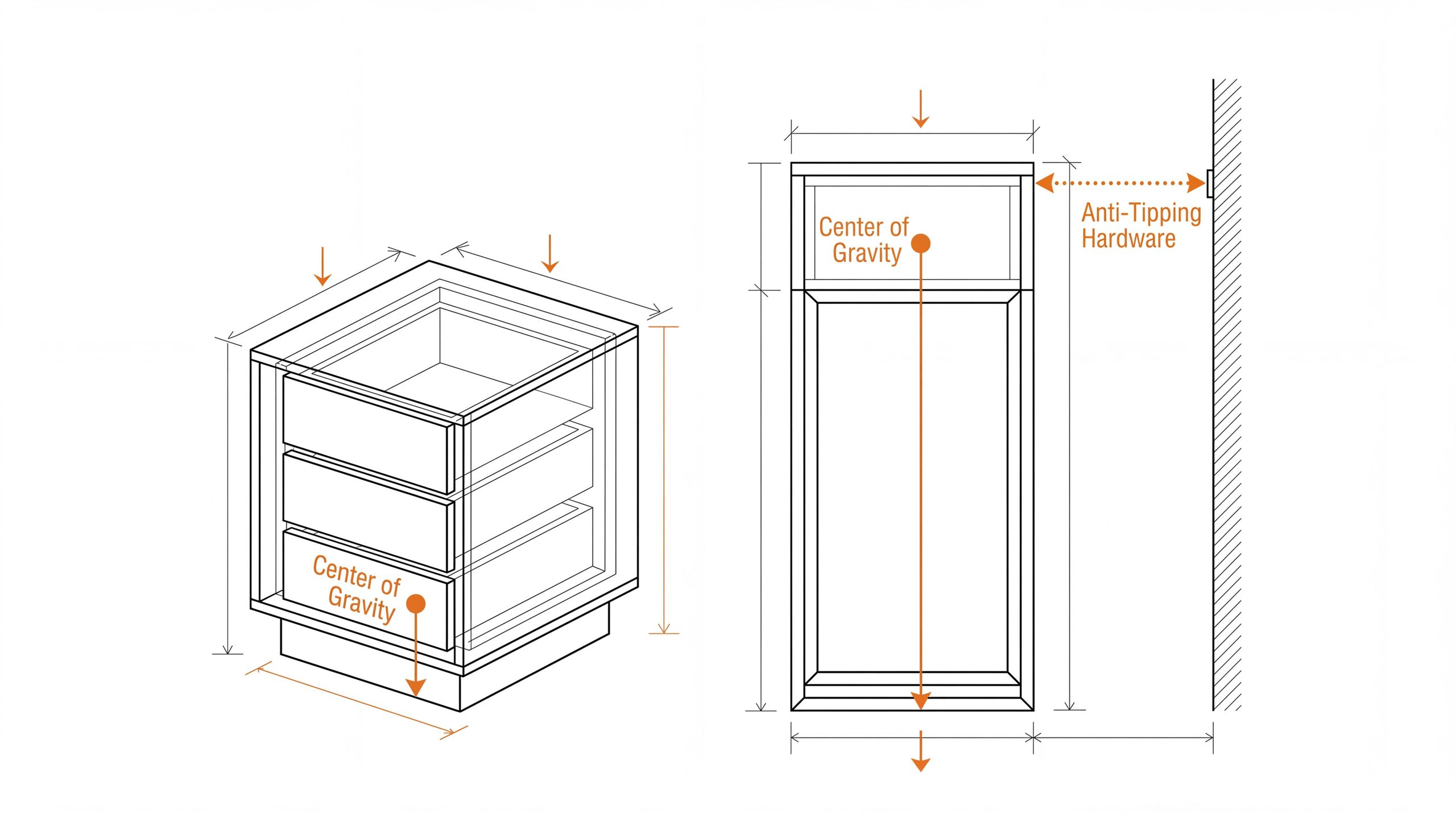
A bedside unit should stay steady when someone reaches for a lamp, phone, book, or glass of water in the dark. Stability matters more for slim legs, narrow bases, and taller drawer boxes because these designs can look light but feel weak in daily use.
Check these details before deciding whether the design is practical:
- The unit should not wobble under light side pressure.
- The drawer should not pull the whole piece forward.
- The legs or base should sit flat on the floor.
- The top should support lamps, books, cups, and charging items.
- The frame should stay square after assembly.
3. Surface Finish Should Handle Bedroom Habits
Bedroom furniture does not face the same wear as dining furniture, but the surface still needs to handle water glasses, skincare products, phone chargers, and regular wiping. For wooden bedside furniture, finish control should be part of a serious furniture quality control process because weak finishes can show rings, scratches, or dull spots quickly.
| Quality detail | What to check | Why it matters in daily use |
|---|---|---|
| Drawer movement | Smooth opening, even gaps, no shaking | Makes a storage nightstand feel reliable |
| Body stability | No wobbling, flat base, square frame | Prevents tipping, rocking, and daily annoyance |
| Surface finish | Resistance to rings, scratches, and wiping marks | Keeps the piece looking acceptable after regular use |
| Top support | No bending under lamps, books, and small items | Helps the unit stay practical beside the bed |
Key Takeaway: A bedside table can be lighter and simpler, while a nightstand may offer more storage. But both need stable construction, smooth daily use, and a finish that can handle real bedroom habits.
VIII. How Do Lighting, Charging, and Accessories Affect the Choice?
Lighting, charging, and bedside accessories affect the choice by deciding how much surface space, storage, and cable control the bedside furniture needs. A simple bedside table may work for light use, but a nightstand is usually better when the area must hold lamps, books, chargers, glasses, and small daily items.
1. Lamp Size Changes the Required Surface Area
A bedside lamp needs enough surface space to sit safely without crowding the phone, book, glass, or alarm clock. A narrow bedside table may look cleaner, but a nightstand with a wider top usually works better when the lamp base is large or the room uses layered lighting.
2. Charging Needs Make Storage More Useful
Charging habits can quickly turn a clean tabletop into a messy corner. Phones, watches, earbuds, adapters, and small cables need either enough surface space or a place to disappear when they are not in use.
A more practical bedside setup usually needs:
- enough top space for a phone and a lamp without crowding
- a back gap that allows charging cables to pass cleanly
- a drawer for adapters, earbuds, watches, and small items
- an open shelf when users want faster access at night
- enough wall clearance so the unit does not press against plugs
3. Accessories Should Not Overload the Design
A bedside piece should match the user’s real habits, not only the room photo. If the top must hold too many items, the design may need more width, a lower shelf, or a drawer instead of a lighter table shape.
| Daily item | Better choice | Reason |
|---|---|---|
| Small lamp and phone | Bedside table | A simple surface may be enough |
| Large lamp and books | Nightstand | A wider top gives better support |
| Chargers and small cables | Nightstand with drawer | Hidden storage keeps the top cleaner |
| Guest room basics | Side table or open bedside table | Light use does not need much storage |
| Daily skincare and glasses | Nightstand | Small items are easier to organize |
Key Takeaway: A bedside table works well when the user only needs a clean surface. A nightstand is usually better when lighting, charging, and small accessories need more storage and better organization.
IX. Which One Works Better for Small Bedrooms?
A bedside table usually works better for small bedrooms when the room needs a lighter look, while a nightstand works better when storage matters more than open space. The right choice depends on how much room is available beside the bed and how many daily items need a proper place.
1. Open Designs Make Small Rooms Feel Lighter
An open bedside table can make a small bedroom feel less crowded because the legs, lower shelf, and empty space keep the corner visually lighter. This works well when the user only needs space for a lamp, phone, and one or two small items.
2. Storage Nightstands Help Control Clutter
A nightstand can work better in a small bedroom if the user has many small items near the bed. Drawers hide cables, glasses, skincare products, books, and personal items, so the room may look cleaner even when the furniture itself feels heavier.
Small bedrooms usually need a simple trade-off:
- choose an open bedside table when visual space matters most
- choose a drawer nightstand when clutter control matters most
- use a narrow design when the bed leaves limited side clearance
- avoid oversized tops that block movement around the bed
- match the height closely with the mattress for easier reach
3. Narrow Width Matters More Than Extra Features
A small bedroom does not always need the smallest piece; it needs the right width and function. A narrow bedside table or nightstand can work well if it gives enough top space without blocking drawers, wardrobe doors, or walking paths.
| Small bedroom need | Better choice | Main reason |
|---|---|---|
| More visual space | Open bedside table | Looks lighter beside the bed |
| Less visible clutter | Nightstand with drawer | Hides small daily items |
| Very narrow gap | Slim bedside table | Uses less floor width |
| Guest room use | Side table | Light use needs less storage |
| Daily bedroom use | Compact nightstand | Balances storage and reach |
Key Takeaway: Small bedrooms do not automatically need the smallest bedside furniture. They need the right balance between visual lightness, storage, width, and easy reach beside the bed.
X. Which One Should You Choose: Bedside Table or Nightstand?
You should choose a bedside table if you want a lighter piece beside the bed, and choose a nightstand if you need more storage and stronger daily organization. The best choice depends on room size, storage habits, bed height, and how much visual weight the bedroom can handle.
1. Choose a Bedside Table for a Lighter Look
A bedside table works better when the room needs a cleaner, more open feeling. It is also a good fit for guest rooms, small bedrooms, or layouts where the user only needs space for a lamp, phone, and a few small items.
2. Choose a Nightstand for Better Storage
A nightstand is usually the better option when the bedside area collects books, chargers, glasses, skincare products, or personal items. The drawer or cabinet space keeps the top cleaner, which makes the bedroom feel more organized, even when the furniture looks heavier.
3. Choose Based on the Actual Bedroom Setup
The final decision should come from the real bedroom layout, not only the product name. For repeated bedroom furniture lines, the same logic also helps keep size, storage, and finish choices more consistent across a wider bedroom furniture collection.
| Bedroom situation | Better choice | Why it works |
|---|---|---|
| Small bedroom with limited space | Bedside table | Keeps the area visually lighter |
| Main bedroom with daily storage needs | Nightstand | Hides small items and controls clutter |
| Guest room or occasional use | Side table | Simple surface is usually enough |
| Large bed with wider layout | Nightstand | Gives better balance and storage |
| Minimal bedroom style | Open bedside table | Looks cleaner and less bulky |
| Family bedroom with many small items | Nightstand with drawer | Makes daily use easier to manage |
Key Takeaway: A bedside table is better for light use, small spaces, and open visual balance. A nightstand is better when storage, organization, and daily convenience matter more.
FAQ
Can I use a side table instead of a nightstand?
Yes, a side table can work as a nightstand if the height, surface size, and stability fit the bed. It works best in guest rooms, small bedrooms, or simple layouts where you only need space for a lamp, phone, and one or two small items.
What height should a bedside table or nightstand be?
A bedside table or nightstand should usually sit close to the top of the mattress. If it is too low, reaching for items feels awkward; if it is too high, lamps and daily items may feel visually heavy beside the bed.
Which is better for a small bedroom, a bedside table or a nightstand?
A bedside table is usually better when the room needs a lighter look, while a nightstand is better when clutter control matters more. For small bedrooms, the better choice is the one that balances width, storage, and easy movement around the bed.
Final Check
A bedside table gives the room a lighter, simpler feel. A nightstand gives better storage and daily organization. The better choice depends on height, space, storage habits, and material quality. For wooden bedroom furniture with custom size or storage needs, you can contact EverWoody to discuss practical options.