
Softwood vs hardwood is a common material choice because both can be used for furniture, but they do not behave the same in terms of strength, surface wear, finishing, cost, or daily use.
Softwood usually comes from conifer trees such as pine, fir, cedar, and spruce. Hardwood usually comes from broad-leaved trees such as oak, ash, beech, walnut, and rubberwood. The better choice depends on the wood species, furniture type, structure, finish, and how the product will be used.
I. What Is the Real Difference Between Softwood and Hardwood?
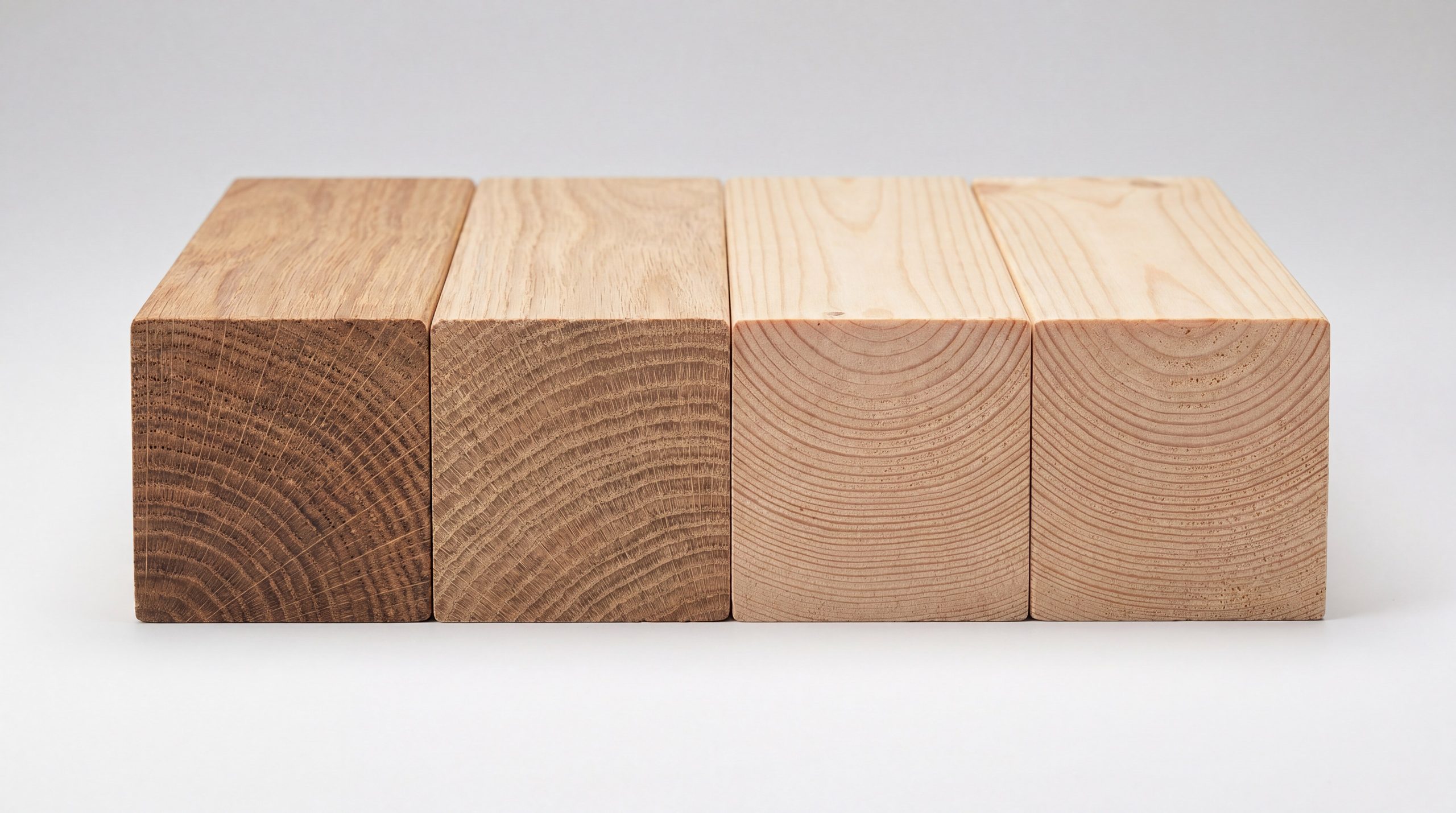
The real difference between softwood and hardwood comes from tree type, not simply from how hard the wood feels. Softwood usually comes from conifer trees with needles and cones, while hardwood usually comes from broad-leaved trees that often lose their leaves seasonally.
1. Softwood and Hardwood Are Botanical Categories
Softwood and hardwood are easy to misunderstand because the names sound like a direct strength rating. They are not.
Softwood usually comes from gymnosperm trees such as pine, fir, spruce, and cedar. Hardwood usually comes from angiosperm trees such as oak, ash, beech, walnut, maple, and rubberwood.
This means the name explains where the wood comes from before it explains how the furniture will perform.
2. The Names Can Be Misleading in Real Furniture
Some hardwoods are not extremely hard, and some softwoods can still perform well in furniture. The category gives a useful starting point, but it does not give the full answer.
Density, grain structure, drying quality, panel size, finish, and joint design all affect how a furniture piece behaves. That is why two products made from the same wood category can still feel very different in daily use.
Here are the basic differences:
| Point | Softwood | Hardwood |
|---|---|---|
| Tree type | Usually conifer trees | Usually broad-leaved trees |
| Common examples | Pine, fir, spruce, cedar | Oak, ash, beech, walnut, rubberwood |
| General density | Often lighter | Often denser |
| Surface feel | Usually easier to dent | Usually better dent resistance |
| Workability | Easier to cut and shape | Often harder to machine |
| Common furniture use | Light furniture, painted items, shelves, decor | Tables, chairs, cabinets, high-touch surfaces |
3. Furniture Performance Depends on More Than Category
A hardwood chair can still loosen if the joints are weak. A softwood shelf can still work well if the structure, thickness, and finish match the use.
This is why the better question is not only “softwood or hardwood?” The better question is whether the wood type fits the furniture function. Surface wear, load position, moisture movement, screw holding, and finish protection all matter.
Key takeaway: Softwood and hardwood are tree categories first. Furniture quality depends on species, density, structure, finish, and use, not the name alone.
II. Is Hardwood Always Stronger Than Softwood?
Hardwood is usually stronger, denser, and more wear-resistant than softwood, but it is not always the better choice. Some softwoods work well in lighter furniture, while some hardwoods can still fail if the design, drying, or construction is poor.
1. Hardwood Usually Has Better Density and Wear Resistance
Hardwoods such as oak, ash, beech, maple, and walnut are often chosen for furniture because they provide a harder surface and stronger load-bearing performance. This helps in chairs, tables, cabinets, and other pieces that face repeated use.
A denser surface usually resists dents, scratches, and screw wear better. It can also give furniture a heavier and more solid feel, which many users associate with long-term durability.
2. Softwood Can Still Be the Right Choice
Softwood is not automatically weak. Pine, cedar, spruce, and fir can be practical when the furniture is designed for lighter use or protected with the right finish.
Softwood often works well for painted furniture, children’s furniture, shelves, decorative items, wall-mounted pieces, and simple storage units. It is also easier to cut, shape, sand, and repair, which can make it suitable for many everyday products.
Softwood is more suitable when:
- The furniture does not carry heavy repeated loads
- The surface is painted or well sealed
- The structure gives enough support
- The product needs a lighter weight
- Small dents are acceptable in normal use
- Cost control matters more than premium surface hardness
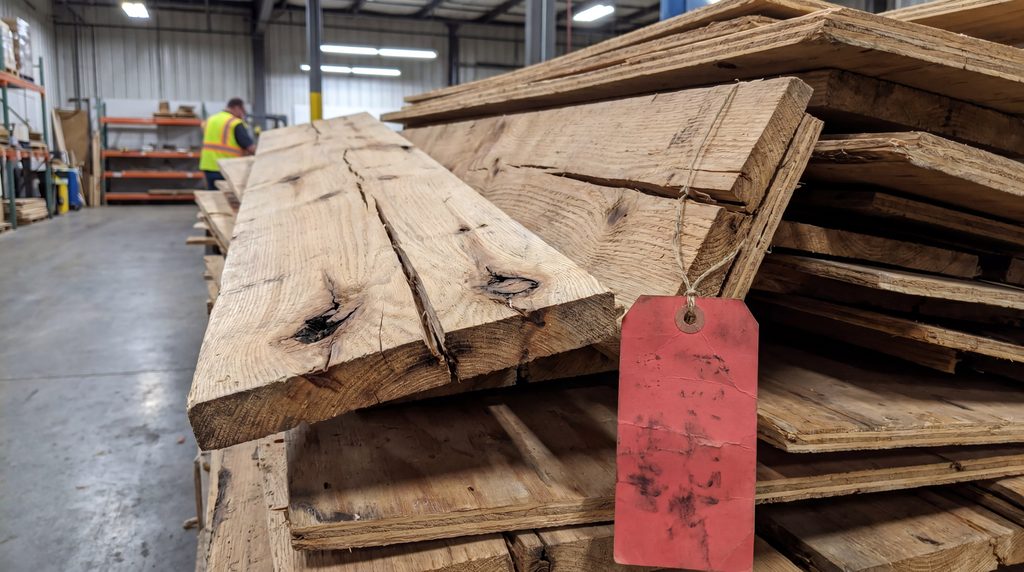
3. Strength Still Depends on Species and Structure
Hardwood usually gives more safety margin, but the final result still depends on the exact species and how the furniture is built. A weak joint, thin board, poor screw position, or unstable panel can reduce the benefit of using hardwood.
Softwood also has different levels. Cedar, pine, spruce, and fir do not behave exactly the same. The same applies to oak, ash, rubberwood, beech, and walnut.
| Furniture Situation | Softwood May Work Better | Hardwood May Work Better |
|---|---|---|
| Painted children’s furniture | Yes, if structure is strong enough | Yes, but may raise cost and weight |
| Dining table top | Usually not ideal for heavy use | Usually better |
| Decorative shelves | Often suitable | Suitable, but may be unnecessary |
| Chairs and stools | Only with strong structure | Usually safer |
| Cabinets and storage | Suitable for some parts | Better for high-wear or load areas |
| High-touch surfaces | Needs stronger finish protection | Usually better surface durability |
Key takeaway: Hardwood is usually stronger, but not automatically better. Softwood can be a good choice when the furniture type, structure, finish, and use level match the material.
III. How Can You Tell Softwood and Hardwood Apart?
You can usually tell softwood and hardwood apart by checking tree type, grain pattern, weight, density, and common species name, but furniture structure can make the judgment less obvious.
1. Tree Type Gives the First Clue
Softwood usually comes from conifer trees with needles or cones, such as pine, fir, cedar, and spruce. Hardwood usually comes from broad-leaved trees, such as oak, ash, beech, walnut, maple, and rubberwood. This is the basic difference, but it does not always predict how hard the finished furniture will feel.
2. Grain, Weight, and Surface Feel Help Confirm the Difference
Hardwood often feels heavier and shows a tighter or more complex grain pattern. Softwood is often lighter, with a simpler grain and a surface that marks more easily under pressure. Species differences still matter, so pine, cedar, oak, and rubberwood should not be judged only by category name.
You can check several clues together:
- Tree type and species name
- Weight of the furniture piece
- Grain pattern and surface texture
- Dent resistance under light pressure
- Edge strength and screw holding
- Finish absorption and surface smoothness
3. Furniture Labels Can Still Be Incomplete
A furniture label may say “solid wood,” “pine,” “rubberwood,” or “oak veneer,” but that does not always explain the full structure. A product may use one wood for the frame, another material for panels, and veneer for the visible surface. That is why material names should be checked together with structure, thickness, and finish.
Use this table to avoid judging the whole furniture piece only by the visible wood name.
| Check Point | Softwood Usually Shows | Hardwood Usually Shows | What It Means for Furniture |
|---|---|---|---|
| Tree source | Conifer trees with needles or cones | Broad-leaved trees | Gives the basic category, not the full performance |
| Common species | Pine, fir, spruce, cedar | Oak, ash, beech, walnut, rubberwood | Species still affects density, color, and use |
| Weight | Often lighter | Often heavier | Heavier pieces may feel more solid, but structure still matters |
| Grain pattern | Usually simpler and straighter | Often tighter or more varied | Visible grain does not always show hidden structure |
| Surface hardness | Marks more easily | Better dent resistance | Affects tabletops, seats, edges, and handles |
| Furniture structure | Often used for lighter frames or panels | Often used for high-wear or load areas | Mixed structures need closer checking |
Key Takeaway: Softwood and hardwood can often be identified by tree type, grain, weight, and surface feel, but furniture should be judged by the full material structure, not only by the visible wood name.
IV. Which Wood Type Is More Durable for Furniture?
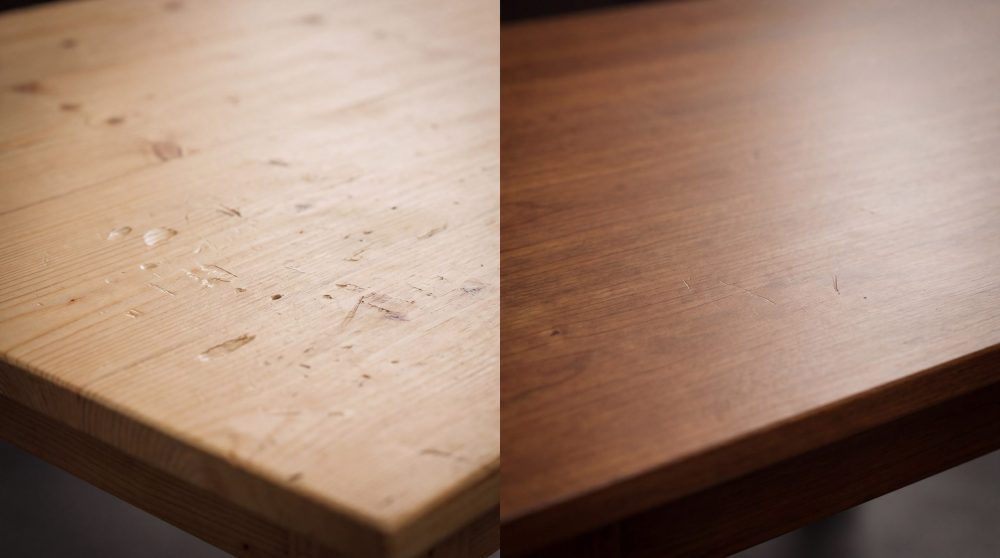
Hardwood is usually more durable for furniture that faces heavy use, but softwood can still last well when the product design, finish, thickness, and use scenario match the material.
1. Hardwood Usually Handles Wear Better
Hardwood is often better for dining tables, chairs, cabinets, stools, and surfaces that face repeated contact. Denser woods such as oak, ash, beech, walnut, and rubberwood usually resist dents and screw wear better than many softwoods. This gives the furniture more margin around legs, joints, handles, and table edges.
2. Softwood Needs the Right Use Scenario
Softwood works better when the furniture does not face constant impact, heavy loads, or repeated rubbing. Pine, fir, cedar, and spruce can be practical for painted furniture, light shelves, children’s furniture, decorative products, and lower-stress storage pieces. This is also why the better material choice changes by product type, as explained in our guide to the best wood for furniture.
Softwood is usually safer for furniture when:
- The product is used for light storage or decoration
- The surface is painted or well sealed
- The structure has enough support under load
- The furniture does not face heavy daily impact
- Small dents will not affect function or appearance
- Lower weight matters more than premium surface hardness
3. Durability Is Also About Structure and Finish
A durable furniture piece is not created by wood type alone. Board thickness, joint design, screw position, finish coverage, edge protection, and surface wear all affect long-term performance. A well-built softwood product can outperform a poorly built hardwood product if the hardwood design ignores these details.
This table shows when durability depends on the wood category and when it depends more on product design.
| Durability Factor | Softwood Usually Needs More Control | Hardwood Usually Performs Better In | What to Judge Before Choosing |
|---|---|---|---|
| Surface wear | Painted or sealed surfaces | Tabletops, seats, and handles | How often the surface will be touched or rubbed |
| Dent resistance | Low-impact areas | High-touch furniture parts | Whether visible dents will affect use or appearance |
| Screw holding | Thicker parts and better support | Chair legs, hinges, and load points | Whether fasteners sit in stressed areas |
| Load-bearing use | Simple structures with lighter loads | Tables, chairs, cabinets, and stools | Whether the structure spreads weight properly |
| Long-term appearance | Careful finish protection | Natural grain and visible surfaces | Whether finish failure will expose the wood quickly |
| Finish protection | Better sealing and edge coverage | More stable visible surfaces | Whether the finish protects high-touch and exposed areas |
Key Takeaway: Hardwood usually gives better durability for heavy-use furniture, but the safer choice is the wood type that matches the product’s stress points, surface use, finish, and structure.
V. Which Costs More: Softwood or Hardwood?
Hardwood usually costs more than softwood because many hardwood species grow more slowly, are denser, take more effort to process, and are often used where surface quality and durability matter more.
1. Hardwood Usually Has a Higher Material Cost
Hardwoods such as oak, ash, beech, walnut, and maple often cost more than common softwoods because they are denser and may need more time for drying, cutting, sanding, and finishing. The higher cost is not only about the tree name. It also comes from yield, waste rate, machining difficulty, and the appearance grade required for visible furniture parts.
2. Softwood Can Be More Cost-Friendly
Softwood is often more cost-friendly for light furniture, painted furniture, children’s furniture, simple storage, shelves, and decorative wooden items. Pine, fir, spruce, and cedar are easier to cut and shape, which can reduce processing pressure in many product types. For pine specifically, our guide on whether pine wood is good for furniture explains where it works and where it becomes risky.
Softwood cost is usually easier to control when:
- The product does not need a premium natural grain look
- The surface will be painted or fully sealed
- The structure does not rely on thin load-bearing parts
- The furniture is designed for light or medium daily use
- The design allows simpler machining and sanding
- Small natural marks are acceptable within the product style
3. The Cheaper Option Is Not Always the Lower-Cost Option
A cheaper wood can become more expensive if it needs thicker parts, stronger finish protection, more repair work, or more careful structure design. A higher-cost hardwood can also be wasteful if the furniture does not need its strength, weight, or surface durability.
Use this table to judge cost by furniture function, not only by material price.
| Cost Factor | Softwood Usually Helps With | Hardwood Usually Adds Cost Through | What to Judge Before Choosing |
|---|---|---|---|
| Raw material price | Lower starting cost | Higher species and grade cost | Whether the furniture needs premium surface strength |
| Machining | Easier cutting and shaping | Slower processing on dense species | Whether the design has detailed cuts or shaped parts |
| Finishing | Works well for painted surfaces | Often used for visible grain finishes | Whether the final look depends on natural wood grain |
| Structure | May need thicker or better-supported parts | Can handle more stress in smaller sections | Whether lower material cost creates structural changes |
| Long-term use | Good for lighter-use products | Better margin for high-wear furniture | Whether replacement or repair risk offsets the saving |
| Product positioning | Suitable for simple or value-focused items | Suitable for higher-use or premium-feel pieces | Whether the customer expects lightness or solidity |
Key Takeaway: Softwood is usually cheaper, but hardwood may be the better value for furniture that needs stronger wear resistance, better screw holding, and a more solid long-term feel.
VI. What Are Common Softwood and Hardwood Examples?
Common softwood examples include pine, fir, spruce, and cedar, while common hardwood examples include oak, ash, beech, walnut, maple, birch, and rubberwood.
1. Common Softwoods Are Often Used for Lighter Furniture
Pine, fir, spruce, and cedar are common softwoods in furniture and home products. Pine is widely used for painted furniture, children’s furniture, shelves, simple cabinets, and decorative pieces. Cedar is often valued for its aroma and natural resistance in certain storage or outdoor-related uses, but it is not automatically suitable for every furniture structure.
Useful softwood examples include:
- Pine for painted furniture, shelves, and children’s furniture
- For frames, simple structures, and basic wooden products
- Spruce for lightweight parts and low-stress applications
- Cedar for storage-related products and some outdoor-style items
- Hemlock for light furniture or interior wooden components
2. Common Hardwoods Are Often Used for High-Wear Parts
Oak, ash, beech, walnut, maple, birch, and rubberwood are common hardwoods used in furniture. Oak and ash are often chosen for visible grain and stronger surfaces. Beech and rubberwood are often used for chairs, tables, children’s furniture, and other products where machining, stability, and cost balance matter. If rubberwood is part of the comparison, our guide on whether rubberwood is good for furniture gives a more specific breakdown.
3. The Same Wood Type Can Serve Different Furniture Roles
A wood species should not be judged in isolation because the same material can perform differently in a tabletop, chair leg, cabinet panel, shelf, drawer side, or decorative part. The correct use depends on thickness, joint design, finish, moisture behavior, and the stress level of each part.
Use this table to connect common wood examples with realistic furniture uses.
| Wood Example | Category | Common Furniture Use | Main Advantage | Main Limit to Check |
|---|---|---|---|---|
| Pine | Softwood | Painted furniture, shelves, children’s furniture | Cost-friendly and easy to work | Dents and screw wear under heavy use |
| Fir | Softwood | Frames, simple structures, utility-style products | Lightweight and workable | Not ideal for high-wear visible surfaces |
| Spruce | Softwood | Light components and low-stress products | Light weight and easy processing | Lower dent resistance |
| Cedar | Softwood | Storage items and selected outdoor-style products | Aroma and natural character | Softer surface and use limitations |
| Oak | Hardwood | Tables, cabinets, chairs, visible surfaces | Strong grain and good wear resistance | Higher cost and heavier weight |
| Ash | Hardwood | Chairs, tables, curved or shaped parts | Strength and attractive grain | Needs proper drying and finishing |
| Beech | Hardwood | Chairs, stools, children’s furniture | Hard surface and good machining | Can move if moisture control is weak |
| Rubberwood | Hardwood | Tables, chairs, kids furniture, storage | Good cost-performance balance | Needs controlled drying and finishing |
Key Takeaway: Pine, fir, spruce, and cedar are common softwoods, while oak, ash, beech, walnut, maple, birch, and rubberwood are common hardwoods. The better choice depends on where the wood is used in the furniture, not only on the species name.
VII. Which One Works Better for Daily Furniture Use?
Hardwood usually works better for heavy daily furniture use, while softwood works better for lighter, painted, decorative, or lower-stress furniture.
1. Daily Use Changes the Better Choice
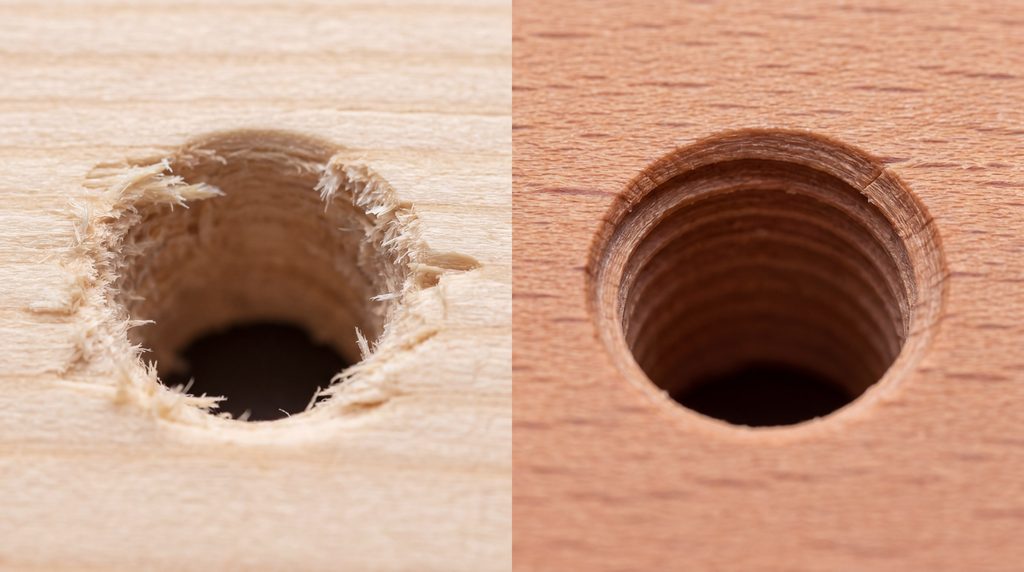
A dining chair, coffee table, cabinet door, wall shelf, and children’s desk do not face the same kind of use. Hardwood usually gives more margin for repeated sitting, rubbing, cleaning, and pulling. Softwood can still work well when the furniture is lighter, better supported, or protected by a suitable finish.
The daily-use risk is usually higher in these parts:
- Tabletops that face writing, meals, cups, and cleaning
- Chair seats, legs, and rails that carry repeated body weight
- Cabinet doors, handles, and hinge areas that move every day
- Shelf boards that hold books, boxes, or decorative items
- Exposed edges and corners that are touched or bumped often
- Children’s furniture parts that face stepping, dragging, or impact
2. Softwood Works Better in Lower-Stress Furniture
Softwood is more suitable when the furniture does not rely on a hard visible surface or small high-stress parts. Pine, fir, spruce, and cedar can be practical for painted pieces, light shelves, decorative products, simple storage, and some children’s furniture. The main point is to keep softwood away from parts where dents, screw wear, or heavy loads will quickly affect use.
3. Hardwood Gives More Margin in High-Contact Areas
Hardwood is usually safer for parts that people touch, pull, sit on, or clean every day. Oak, ash, beech, walnut, maple, and rubberwood often give better surface resistance and stronger holding around joints and hardware. Still, the best choice depends on how much stress the furniture receives, not only on the wood category.
Use this table to match the wood type with daily furniture use.
| Furniture Use | Softwood Can Work When | Hardwood Is Safer When | Main Judgment Point |
|---|---|---|---|
| Children’s furniture | Edges are rounded and the finish is well sealed | Steps, seats, or rails carry repeated force | Load position and surface protection |
| Dining chairs | The structure is thick and well supported | Legs, rails, and joints carry daily stress | Joint strength and screw holding |
| Shelves | Loads are light and spans are short | Shelves hold books, boxes, or heavy decor | Span length and board thickness |
| Tables | Used mainly as light or decorative surfaces | Used for meals, writing, cleaning, and impact | Surface wear and finish durability |
| Cabinets | Used in low-impact areas | Doors, handles, and hinges move often | Hardware holding and edge strength |
| Decorative items | Appearance matters more than strength | Product needs a heavier and more solid feel | Expected use and surface contact |
Key Takeaway: Hardwood is usually safer for heavy-use furniture, while softwood can work well for lighter products when the structure, thickness, finish, and use intensity match.
VIII. How Do Finish, Structure, and Joints Change the Result?
Finish, structure, and joints can change the result because they decide how softwood or hardwood furniture handles wear, load, movement, and repeated use.
1. Finish Controls Surface Protection
Finish does more than make wood look smooth or attractive. It affects cleaning resistance, stain resistance, scratch visibility, and how quickly dents become noticeable. Softwood often needs stronger sealing because it can absorb finish unevenly and mark more easily, while hardwood still needs proper edge and surface coverage to avoid early wear.
2. Structure Decides Whether the Wood Can Carry the Load
A strong wood can fail in a weak structure, while a softer wood can perform better when the design spreads the weight properly. Board thickness, support position, corner construction, and frame balance all change how the furniture behaves in real use.
These structural details usually matter most:
- Board thickness in shelves, seats, and tabletops
- Support under long spans or wide panels
- Leg position and frame balance
- Edge protection on exposed corners
- Screw distance from board edges
- Joint area around rails, hinges, and handles
3. Joints and Fasteners: Decide Long-Term Stability
Joints, screws, dowels, hinges, and brackets often decide whether furniture stays stable after repeated use. Softwood may need wider contact areas, thicker parts, or better screw support. Hardwood usually gives stronger holding power, but it can still split, loosen, or fail if the hole position or joint design is weak.
Use this table to judge whether the material and construction are working together.
| Construction Factor | Why It Matters | Softwood Risk | Hardwood Risk |
|---|---|---|---|
| Finish sealing | Protects against stains, cleaning, and surface wear | Uneven absorption or quick dent visibility | Poor coverage can still expose edges |
| Board thickness | Controls bending and load support | Thin boards may flex or dent | Heavy boards may add unnecessary weight |
| Edge strength | Affects corners, shelves, and exposed panels | Edges can crush or mark more easily | Hard edges can still chip if unprotected |
| Screw holding | Affects hinges, legs, handles, and rails | Screws may loosen faster under stress | Splitting can happen with poor hole position |
| Joint design | Controls wobbling and long-term stability | Needs better support and larger contact areas | Still fails if the joint relies only on wood density |
| Frame balance | Spreads weight during use | Weak support can overload soft areas | Poor balance can waste the benefit of hardwood |
Key Takeaway: Finish, structure, and joints can make softwood furniture more reliable or make hardwood furniture fail early. The best result comes from matching the material with the way the furniture is built.
IX. When Should You Choose Softwood or Hardwood Furniture?
You should choose softwood furniture for lighter use, painted finishes, decorative pieces, and cost-sensitive designs, while hardwood furniture is usually better for heavy use, visible surfaces, and long-term durability.
1. Choose Softwood When Lightness and Workability Matter More
Softwood is a practical choice when the furniture does not need a very hard surface or heavy load-bearing strength. Pine, fir, spruce, and cedar can work well for shelves, children’s furniture, wall-mounted pieces, storage accessories, and painted furniture. Softwood also makes sense when lower weight, easier shaping, and a softer visual style fit the product better.
2. Choose Hardwood When Wear Resistance Matters More
Hardwood is usually the better choice for furniture that faces frequent sitting, pulling, cleaning, or surface contact. Dining chairs, tables, cabinets, stools, and visible frames often benefit from harder surfaces and stronger screw holding. For furniture that needs a more solid long-term feel, hardwood usually gives more margin.
Hardwood is usually worth choosing when:
- The surface will be touched, cleaned, or rubbed often
- The product carries repeated body weight
- Screws, hinges, or handles sit in stressed areas
- The furniture needs a heavier and more solid feel
- Visible grain is part of the expected appearance
- Repair or replacement would be more costly than using a stronger wood
3. Some Furniture Uses Need a Mixed Material Decision
Many furniture products do not need one wood type everywhere. A piece may use hardwood for legs, rails, handles, or visible high-wear parts, while using softer wood or engineered panels for lower-stress sections. This is why material choice should follow the function of each part, not one broad label.
Use this table to decide when softwood, hardwood, or a mixed structure makes more sense.
| Furniture Need | Better Fit | Why It Works | Main Risk to Check |
|---|---|---|---|
| Painted children’s furniture | Softwood or rubberwood | Easier shaping, lighter weight, controlled surface | Edge strength and finish safety |
| Dining chairs | Hardwood | Better load support and screw holding | Joint design and rail strength |
| Light wall shelves | Softwood | Lower weight and easier installation | Span length and support position |
| Dining tables | Hardwood | Better surface and edge durability | Finish protection and panel movement |
| Decorative wooden items | Softwood | Cost-friendly and easy to shape | Dent marks and finish consistency |
| Cabinets and storage | Mixed structure | Different parts face different stress | Door, hinge, and edge performance |
Key Takeaway: Softwood is better for lighter, painted, or decorative furniture, while hardwood is safer for heavy-use and high-contact furniture. Mixed material decisions often make the most practical sense.
X. What Should You Check Before Choosing the Wood Type?
You should check furniture use, surface wear, structure, finish, screw holding, and long-term stability before choosing between softwood and hardwood.
1. Start With the Furniture’s Real Use
The right wood type depends on what the furniture must do every day. A decorative shelf, a dining chair, a step stool, and a cabinet door do not need the same material logic. The more force, movement, cleaning, or surface contact a product faces, the more carefully the wood type should be matched with structure and finish.
2. Match the Wood Type With the Weakest Part
Furniture usually fails at the weakest part, not at the strongest part. Legs, rails, hinges, handles, screw holes, thin shelves, wide panels, and exposed edges need more attention than the broad material name. This is also why material choice should be checked together with construction, as discussed in our furniture quality control guide.
The most common weak points include:
- Thin shelves with long unsupported spans
- Screws placed too close to the edges
- Chair rails and legs under repeated stress
- Cabinet doors with frequent hinge movement
- Table edges that face bumps and cleaning
- Painted surfaces over wood that moves too much
3. Make the Final Choice by Function, Not by Name
Softwood vs hardwood is useful as a starting comparison, but the final choice should come from function. A softwood product can be reliable when it fits the use. A hardwood product can still fail when the structure, finish, or joint design is weak. If the furniture is being developed for repeated use, our furniture quality inspection checklist can help turn these material questions into clearer product checks.
Use this final table before choosing the wood type.
| Final Check | Why It Matters | Better Direction |
|---|---|---|
| Daily use intensity | Heavy use increases surface and joint stress | Choose hardwood or reinforced structure |
| Surface contact | Tabletops, seats, handles, and edges show wear faster | Use harder wood or stronger finish |
| Load-bearing parts | Legs, rails, shelves, and stools carry repeated force | Prioritize density, thickness, and joint design |
| Screw and hinge areas | Fasteners loosen when the wood or structure is weak | Check screw holding and edge distance |
| Finish type | Paint, stain, lacquer, and oil protect differently | Match finish with wood absorption and use |
| Weight expectation | Some products need lightness, others need solidity | Choose by product feel and handling |
| Cost balance | Cheaper wood can need more structure or finish control | Compare total product performance, not material price only |
Key Takeaway: Softwood vs hardwood should not be decided by the name alone. The better choice is the wood type that matches the furniture’s function, stress points, finish, and expected use.

FAQ
Can I use softwood for furniture that gets daily use?
Yes, softwood can work for daily-use furniture when the structure, thickness, finish, and use intensity match the material. It is usually safer for lighter furniture, painted pieces, shelves, decorative items, and some children’s furniture, but less suitable for heavy-impact surfaces or weak screw areas.
What’s better for furniture, hardwood or softwood?
Hardwood is usually better for heavy-use furniture, high-touch surfaces, chairs, tables, and visible parts that need stronger wear resistance. Softwood can be better when lower weight, easier shaping, painted finish, or cost control matters more than premium surface hardness.
How do I know which wood type is right for a furniture piece?
Start with the furniture function, not the wood name. Check where the product carries weight, where people touch it most, whether the surface will be cleaned often, how the joints are built, and whether the finish protects the wood properly.
Final Check
Softwood vs hardwood is not a simple “good or bad” choice. The safer decision comes from matching the wood species with furniture use, structure, finish, surface wear, and long-term stability. For custom wooden furniture with suitable material options, you can contact EverWoody.