
Rattan furniture can look similar online, but the material behind it may be very different. Confusing natural rattan, PE rattan, and wicker can lead to wrong product expectations.
Rattan material is a solid-core climbing palm used for furniture frames, cane panels, woven surfaces, and decorative parts. Natural rattan is plant-based, PE rattan is synthetic, and wicker refers to the weaving method rather than the material itself.
I. What Is Rattan Material?
Rattan material is a natural climbing palm used in furniture frames, woven panels, cane surfaces, and decorative parts. It is not the same as wood, bamboo, PE rattan, or wicker. That distinction matters because many furniture listings use “rattan” as a visual label, while the real material may perform very differently in structure, finish, indoor use, or outdoor exposure.

1. Rattan Comes From a Climbing Palm
Rattan comes from climbing palm stems, not from tree trunks. Its solid stem can be bent, split, peeled, and woven, which is why it is often used for curved chair frames, cane cabinet inserts, chair backs, headboards, baskets, and textured furniture panels.
2. Rattan Is the Material, Not the Look
The word “rattan” should describe the material, not just the woven appearance. A product may look like rattan but actually use PE rattan, cane, resin wicker, or another synthetic material, so the material name needs to be confirmed before price, use environment, and quality expectations are judged.
At the quotation stage, the safest wording is to separate these four points:
- Material type: natural rattan, cane, PE rattan, or another synthetic option
- Furniture function: load-bearing frame, woven support, or decorative insert
- Use setting: indoor room, covered patio, or open outdoor space
- Approval standard: color range, weave tightness, fixing method, and finish level
3. Different Furniture Parts Use Rattan Differently
Rattan material works differently depending on where it appears in the furniture. A curved rattan chair frame needs structural control, a cane cabinet panel needs surface consistency, and PE rattan outdoor furniture needs weather-use confirmation before the sample is approved.
Here is the first-stage judgment:
| Furniture Part | Common Rattan Use | Main Risk if Misunderstood | Safer Confirmation |
|---|---|---|---|
| Chair frame | Curved natural frame | Outdoor resistance may be overestimated | Confirm material and use environment |
| Chair back or seat | Woven support surface | Loose weave or sagging may appear | Check tension and fixing method |
| Cabinet door panel | Cane or woven insert | Color and pattern variation may be visible | Approve sample range |
| Headboard | Decorative woven panel | Woven parts may be damaged in packing | Confirm protection method |
| Outdoor-style furniture | Often PE rattan | Synthetic material may be mistaken for natural rattan | Confirm natural vs PE before quoting |
Key Takeaway: Rattan material should be confirmed before judging price, use, or quality. Once the material type and furniture function are clear, the next decisions on structure, environment, sampling, and inspection become much easier.
II. Is Rattan a Material or a Weaving Style?
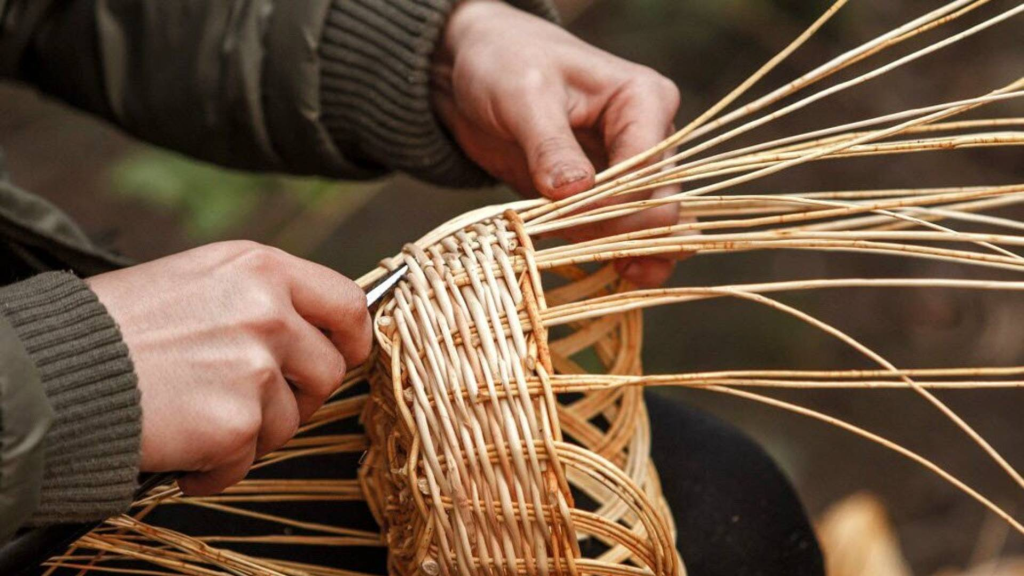
Rattan is a material, while wicker is a weaving style. This is one of the most common points of confusion around what is rattan material, because many furniture listings use both words as if they mean the same thing. Rattan tells you what the furniture is made from; wicker tells you how a material is woven.
1. Rattan Names the Plant Material
Rattan refers to the climbing palm stem used to make furniture parts, cane surfaces, and woven panels. It can be used as a natural frame, split into thinner strands, or processed into cane for cabinet doors, chair backs, and decorative inserts.
2. Wicker Names the Weaving Method
Wicker is not a material by itself. It describes a weaving method, and that method can use different natural or synthetic materials.
A clearer specification should separate:
- Material name, such as natural rattan, cane, bamboo, PE rattan, or resin
- Weaving style, such as wicker, open weave, closed weave, or cane webbing
- Use position, such as chair back, seat panel, cabinet insert, or outdoor surface
- Performance expectation, such as indoor texture, outdoor resistance, or decorative effect
3. Mixed Terms Create Wrong Expectations
The risk is not the wording itself, but the expectation behind the wording. If a buyer asks for rattan and the supplier quotes PE wicker, both sides may think they are aligned while the actual material, use environment, price level, and quality checks are different.
This table shows the safer way to separate the terms:
| Term | What It Means | Common Furniture Use | Risk if Misread |
|---|---|---|---|
| Rattan | Natural climbing palm material | Frames, cane panels, woven surfaces | Buyer may expect outdoor resistance that natural rattan may not provide |
| Cane | Outer skin or processed part of rattan | Cabinet inserts, chair backs, decorative panels | Buyer may treat it as full rattan structure |
| PE rattan | Synthetic rattan-like material | Outdoor-style furniture, patio furniture | Buyer may mistake it for natural plant material |
| Wicker | Weaving method | Chairs, baskets, panels, outdoor-style furniture | Buyer may think it names one fixed material |
Key Takeaway: Rattan and wicker should not be used as interchangeable terms. Once material and weaving method are separated, it becomes much easier to compare quotes, confirm samples, and avoid mismatched expectations before production.
III. Natural Rattan vs PE Rattan: What Changes?
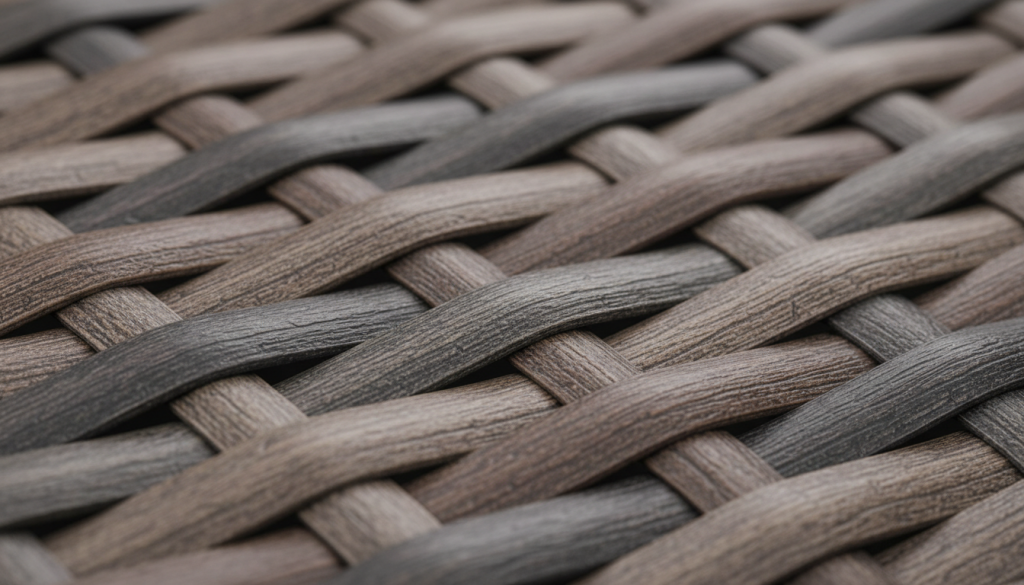
Natural rattan is plant-based, while PE rattan is synthetic. This is the core material difference behind many rattan furniture choices, because the two options can create a similar woven look but behave differently in moisture, sunlight, color control, outdoor use, and bulk consistency.
1. Natural Rattan Gives a Warmer Look
Natural rattan has an organic texture that synthetic materials cannot fully copy. It works well for indoor furniture, cane panels, accent chairs, cabinet doors, headboards, and decorative woven surfaces where natural variation is part of the design value.
2. PE Rattan Is Built for Outdoor-Style Use
PE rattan is usually chosen when the furniture needs a rattan-like look with better resistance to outdoor conditions. It is not natural rattan, but it can be more practical for patio sets, garden chairs, and outdoor-style woven furniture where moisture and sunlight are part of normal use.
This is also where your material wording should become more specific:
- Natural rattan fits indoor texture, warm appearance, and decorative woven parts
- PE rattan fits outdoor-style furniture, easier color control, and repeated weather exposure
- Resin wicker usually describes synthetic woven furniture, not natural rattan
- Cane webbing fits cabinet inserts, chair backs, and decorative panels more than outdoor exposure
For a more focused explanation of synthetic rattan, the related article on what PE rattan is is the better supporting page.
3. The Better Choice Depends on Use
Natural rattan is not automatically better, and PE rattan is not automatically cheaper-looking. The better choice depends on where the furniture will be used, what appearance the buyer expects, how the sample is approved, and whether the product needs stable repeat production.
Use this table as the first material-selection filter:
| Choice Factor | Natural Rattan | PE Rattan | Safer Decision |
|---|---|---|---|
| Indoor furniture | Strong fit | Acceptable if design allows | Natural rattan usually gives a warmer look |
| Covered patio | Needs confirmation | Usually safer | Confirm exposure level before quoting |
| Open outdoor use | Higher risk | Better fit | PE rattan is usually the safer direction |
| Natural texture | Stronger | Weaker | Use natural rattan if texture is the key selling point |
| Color consistency | More natural variation | Easier to control | Define acceptable color range during sampling |
| Bulk repeatability | Needs closer control | Usually easier to repeat | Align sample, material batch, and finish standard |
Key Takeaway: Natural rattan and PE rattan should not be judged only by appearance. The right choice depends on use environment, expected texture, outdoor exposure, color control, and how clearly the sample standard is confirmed before production.
IV. Rattan vs Wicker: Which Word Is Correct?
Rattan is the correct word when you mean the material, while wicker is correct when you mean the weaving method. This distinction matters because the two words often appear together in furniture descriptions, but they do not answer the same question. A clear product description should say both the material and the weaving style.
1. Rattan Answers “What Is It Made From?”
Rattan describes the natural palm material used in the furniture part. If a chair frame, cane door panel, or woven insert is made from natural rattan, the material should be stated clearly because it affects appearance, flexibility, use environment, and sample approval.
2. Wicker Answers “How Is It Made?”
Wicker describes woven construction, not the raw material. A wicker chair can be made from natural rattan, PE rattan, resin, bamboo strips, willow, or another flexible material, so the word “wicker” alone is not enough for quotation, sampling, or quality confirmation.
A clearer product description should include:
- Actual material: natural rattan, PE rattan, cane, resin, bamboo, or another flexible material
- Weaving method: wicker weave, cane webbing, open weave, or closed weave
- Furniture part: frame, seat, back panel, cabinet insert, or decorative surface
- Use condition: indoor, covered outdoor, or open outdoor use
3. Correct Wording Reduces Misunderstanding
The safer wording is to combine both parts: material plus weave. Instead of only saying “wicker chair” or “rattan cabinet,” the description should make clear whether the product uses natural rattan wicker, PE rattan wicker, cane webbing, or another woven surface.
Here is a clearer way to judge wording:
| Product Wording | What It Tells You | What Is Still Missing | Better Confirmation |
|---|---|---|---|
| Rattan chair | Suggests natural rattan material | Frame, weave, and use environment | Confirm natural rattan or PE rattan |
| Wicker chair | Describes woven style | Actual material | Confirm material before quoting |
| PE rattan chair | Names synthetic rattan-like material | Weave type and frame structure | Confirm outdoor-use conditions |
| Cane cabinet door | Suggests cane webbing or cane insert | Backing, fixing, and finish details | Approve panel sample and color range |
| Resin wicker furniture | Suggests synthetic woven furniture | Material grade and frame details | Confirm material, frame, and usage claim |
Key Takeaway: “Rattan” and “wicker” are both useful words, but they solve different problems. The best product wording should define the material, the weave, the furniture part, and the intended use before sampling or production starts.
V. Rattan vs Cane vs Bamboo: What Is Different?
Rattan, cane, and bamboo are often grouped together because they all look natural and can appear in woven furniture. These terms should not be treated as the same material, even though they often appear together in natural-looking furniture. Rattan is a solid climbing palm, cane usually comes from the outer layer of rattan, and bamboo is a hollow grass with a different structure.
1. Cane Comes From Rattan
Cane usually refers to the outer skin or processed strips taken from rattan. It is often used for chair backs, cabinet door inserts, drawer fronts, and decorative panels because it gives a clean woven look without making the whole furniture piece a rattan structure.
A cane detail should be confirmed by part, not just by appearance:
- Cane webbing for cabinet doors, chair backs, or drawer fronts
- Natural rattan frame for curved chair bodies or decorative structures
- Rattan reed or split rattan for woven surfaces and craft-style details
- Backing and fixing method for cane panels that need flatness and stability
2. Bamboo Has a Different Structure
Bamboo is hollow and segmented, while rattan is solid and more flexible. That structural difference affects bending, splitting, weaving, and how the material works in furniture. A bamboo-looking product and a rattan product may both feel natural, but they should not share the same quality assumptions.
3. The Right Word Changes the Quality Check
The correct material name changes what should be checked during sampling. Cane panels need attention to flatness, fixing, color range, and edge protection. Rattan frames need attention to bending, joints, coating, and structure. Bamboo parts need their own checks for splitting, surface finish, and connection points.
Use this table to separate the terms before confirming samples:
| Material Term | What It Usually Means | Common Furniture Use | Main Check |
|---|---|---|---|
| Rattan | Solid climbing palm stem | Chair frames, woven parts, decorative structures | Material type, bending, joints, finish |
| Cane | Processed outer layer of rattan | Cabinet inserts, chair backs, panels | Flatness, fixing, color range, edge protection |
| Bamboo | Hollow segmented grass | Frames, panels, decorative furniture parts | Splitting, surface finish, connection points |
| Wicker | Weaving method, not material | Chairs, baskets, woven panels | Actual material behind the weave |
Key Takeaway: Rattan, cane, and bamboo can all create a natural furniture look, but they are not interchangeable. Correct naming helps align price, sample approval, structure, and inspection before the product moves into production.
VI. Is Rattan Material Good for Furniture?
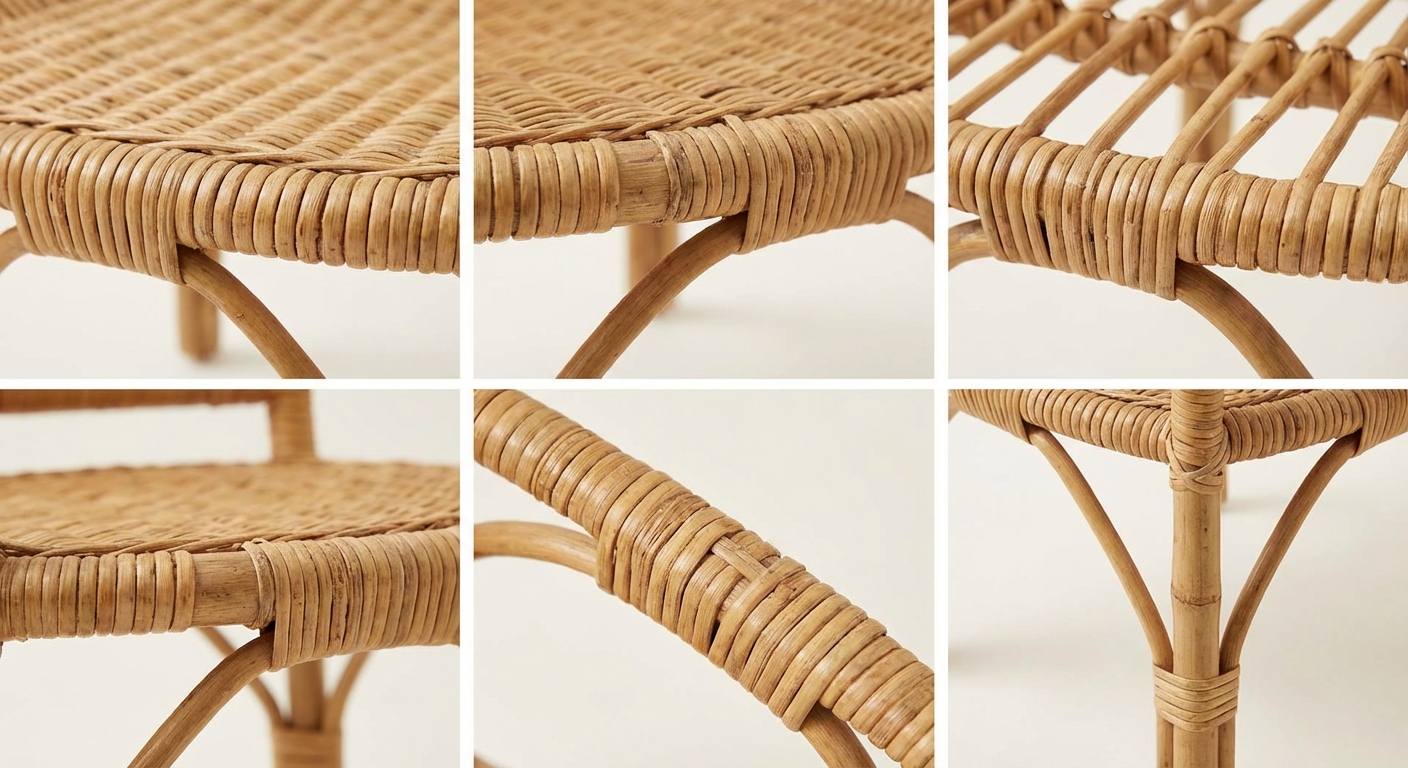
Rattan material is good for furniture when the material type, furniture structure, and use environment match. The mistake is judging rattan only by appearance. A natural rattan chair, a cane cabinet insert, and PE rattan outdoor furniture may all look woven, but they need different standards for strength, finish, moisture exposure, and batch consistency.
1. Rattan Works Best in the Right Setting
Natural rattan works best in indoor furniture, decorative woven panels, accent chairs, cabinet inserts, and pieces where natural texture is part of the value. It is less suitable when the furniture will face direct rain, strong sunlight, or unstable storage conditions unless the material, coating, and usage claim are clearly confirmed.
2. The Frame Decides More Than the Weave
Rattan furniture quality does not come from the weave alone. The frame, fixing points, joint design, and support structure decide whether the product can handle real use without loosening, sagging, or creating uneven stress on the woven surface.
For furniture development, separate these checks before approving the sample:
- Load-bearing structure: whether the frame carries weight independently from decorative woven parts
- Fixing method: how the rattan, cane, or PE rattan is attached to the frame
- Edge protection: whether woven panels are protected from pulling, chipping, or transport damage
- Finish control: whether color, coating, and surface feel match the approved sample
- Packing method: whether woven surfaces are protected from pressure during shipping
For a wider quality-control view beyond rattan alone, furniture quality control is the stronger supporting page.
3. Rattan Becomes Risky When Standards Are Vague
Rattan becomes risky when the product name is clear but the confirmation details are not. If the sample only confirms the look, but not the material, frame, fixing method, finish range, and packing protection, the bulk order may still create complaints even when the supplier follows the visible sample.
This table shows when rattan material is a safer furniture choice:
| Furniture Situation | Rattan Fit | Main Risk | Better Control |
|---|---|---|---|
| Indoor accent chair | Strong fit | Loose joints or uneven weave | Confirm frame and fixing method |
| Cane cabinet door | Strong fit | Color variation or panel damage | Approve color range and edge protection |
| Outdoor patio set | Depends on material | Natural rattan may be unsuitable | Confirm PE rattan or outdoor-grade material |
| Decorative headboard | Good fit | Pressure damage during shipping | Confirm packing support |
| Heavy-use seating | Needs caution | Weave may take too much stress | Separate load-bearing frame from woven surface |
Key Takeaway: Rattan material can be a good furniture choice, but only when the material, frame, use setting, and approval standard are aligned. The safest decision is not “rattan or no rattan,” but whether the chosen rattan type fits the real product use.
VII. Can Rattan Furniture Be Used Outdoors?
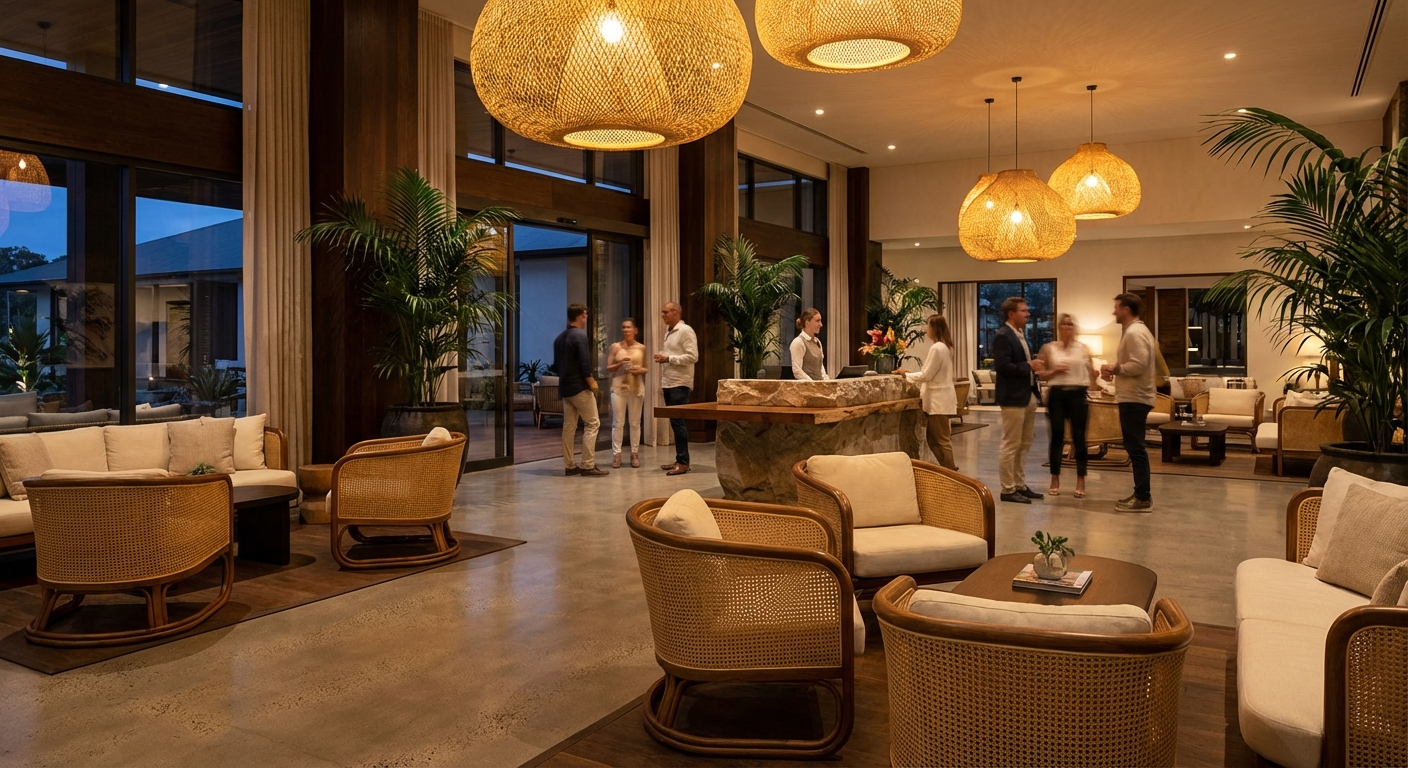
Rattan furniture can be used outdoors only when the material and exposure level are matched correctly. This is where natural rattan and PE rattan should be separated carefully, because outdoor use changes the material risk completely. Natural rattan is more suitable for protected spaces, while PE rattan is usually the safer option for patio, garden, and other outdoor-style furniture.
1. Natural Rattan Needs Protected Conditions
Natural rattan is plant-based, so it is better used in indoor rooms, sunrooms, covered balconies, or dry protected areas. If the product will face rain, strong sun, or changing storage conditions, the material, coating, and usage claim need to be confirmed before the sample is approved.
2. PE Rattan Is Safer for Outdoor Use
PE rattan is usually a better fit when the furniture needs a woven rattan look for outdoor use. It can support patio-style furniture more naturally than natural rattan because the material choice already matches the expected exposure conditions.
Before calling a product “outdoor rattan furniture,” align these points clearly:
- Material: PE rattan, resin wicker, or treated natural rattan
- Frame: metal, wood, or another structure supporting the woven surface
- Exposure level: covered patio, garden, poolside, or open outdoor use
- Color control: approved shade, acceptable variation, and repeat order matching
- Packing protection: support for woven parts during long-distance shipping
For broader material selection beyond rattan alone, how to choose outdoor furniture materials is a useful supporting guide.
3. Outdoor Claims Need Clear Confirmation
The word “outdoor” should not be treated as one fixed standard. A covered patio, a rainy garden, a sunny poolside area, and a retail display sample all create different risks. The safer approach is to define the real exposure condition before confirming natural rattan, PE rattan, resin wicker, frame material, finish, and packaging method.
Use this table to judge outdoor suitability:
| Use Condition | Natural Rattan | PE Rattan | Safer Decision |
|---|---|---|---|
| Indoor room | Strong fit | Acceptable if design allows | Choose by appearance and product positioning |
| Covered patio | Needs confirmation | Usually safer | Confirm moisture and sunlight exposure |
| Open garden area | Higher risk | Better fit | PE rattan is usually the safer direction |
| Poolside or humid space | Higher risk | Needs material confirmation | Confirm material, frame, and finish together |
| Long-distance shipment | Needs packing protection | Needs packing protection | Protect woven parts from pressure and rubbing |
Key Takeaway: Outdoor rattan furniture should be judged by material, exposure, frame, finish, and packing method together. Natural rattan may work in protected settings, but PE rattan is usually the safer direction when outdoor exposure is part of normal use.
VIII. What Problems Can Rattan Furniture Have?
Rattan furniture problems usually come from unclear material use, weak fixing details, poor exposure matching, or insufficient packing protection. This matters because “rattan look” furniture can fail in different ways depending on whether it uses natural rattan, cane, PE rattan, resin wicker, or a mixed structure.
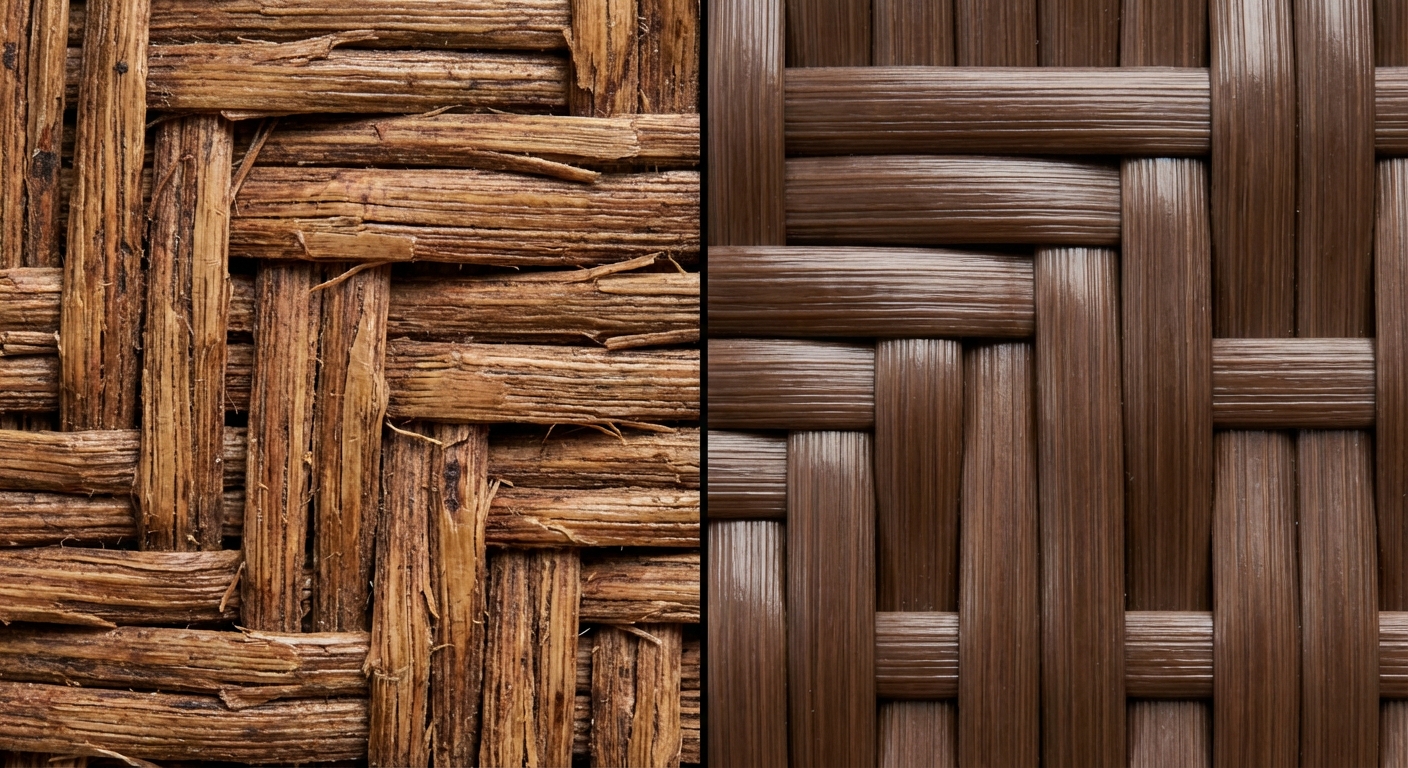
1. Cracking Often Starts From Wrong Use
Natural rattan and cane parts can crack, split, or become brittle when the material is used in the wrong environment or when the finish does not match the exposure condition. This does not mean rattan is a bad material; it means the material should be matched to indoor, protected outdoor, or open outdoor use before the product is approved.
2. Loose Weaving Affects Appearance and Use
Loose weaving can make furniture look cheaper, feel less stable, or create uneven pressure points during use. This risk is more visible in chair backs, seats, cabinet inserts, and woven panels because the surface is both functional and decorative.
The sample should define practical visual and structural limits:
- Weave tightness: how firm the woven surface should feel
- Panel flatness: whether cane or woven inserts stay even after fixing
- Edge finish: whether cut ends are clean, protected, and not easy to lift
- Joint area: whether weaving tension changes around corners or fixing points
- Bulk consistency: whether later batches can match the approved sample range
For a broader view of how these issues appear across different furniture materials, common quality issues in wooden furniture manufacturing can support the quality-risk side of this topic.
3. Color and Finish Need Batch Control
Rattan furniture can show color variation because natural materials do not always match perfectly, and synthetic materials still need controlled shade, surface feel, and finish consistency. If the approved sample only confirms the general look, later production may still create disputes over color, gloss, touch, or visible weaving variation.
Here is a practical problem map:
| Problem | More Common Risk Area | Why It Happens | Better Control |
|---|---|---|---|
| Cracking or splitting | Natural rattan, cane edges | Wrong use setting or weak finish control | Confirm material, finish, and exposure |
| Loose weave | Seats, backs, panels | Tension not defined clearly | Approve weave tightness standard |
| Uneven color | Natural rattan, cane, PE rattan | Batch variation or unclear sample range | Define acceptable color range |
| Edge lifting | Cane panels, woven inserts | Weak fixing or poor edge protection | Confirm fixing and trimming method |
| Shipping pressure marks | Woven surfaces | Packing does not protect texture | Add support and surface protection |
Key Takeaway: Most rattan furniture problems are not caused by the word “rattan” itself. They come from unclear material naming, vague sample standards, weak fixing details, wrong use conditions, or packing methods that do not protect woven parts.
IX. How Should You Check Rattan Furniture Quality?
Rattan furniture quality should be checked by material, frame, weaving, finish, and packing together. For rattan furniture, quality does not depend only on whether the product is called natural rattan, cane, PE rattan, or wicker. The real control point is whether the approved sample clearly defines what bulk production must repeat.
1. Confirm the Material Before Sampling
The material name should be confirmed before the sample is made, not after the buyer approves the look. If the sample is approved only by photo or general appearance, the bulk order may still create disputes over natural rattan, cane webbing, PE rattan, resin wicker, or mixed materials.
Before sampling, confirm:
- Exact material name used on each visible woven part
- Material position, such as frame, seat, back, panel, or trim
- Use environment, such as indoor, covered outdoor, or open outdoor
- Color range, especially for natural rattan and cane
- Replacement rule, if bulk material cannot match the sample exactly
2. Check the Frame and Weaving Together
The frame and weaving should be checked as one system. A woven surface may look neat at first, but if the frame, fixing points, or edge protection are weak, the product can loosen, sag, or show uneven pressure after handling, assembly, or use.
For orders where woven parts are part of the product’s visible selling point, the inspection should not only judge the front view. It should also check the back side, fixing area, corner tension, edge trimming, packing pressure points, and whether the bulk production method matches the approved sample.
3. Align Packaging With Woven Parts
Rattan, cane, and PE rattan surfaces need packing protection because woven parts can be pressed, rubbed, bent, or marked during shipping. The risk is higher when panels, chair backs, or decorative surfaces face carton pressure without enough internal support.
This table shows a practical quality-checking sequence:
| Check Stage | What to Confirm | Main Risk | Better Control |
|---|---|---|---|
| Quotation | Material name and use setting | Wrong material expectation | Confirm natural rattan, cane, PE rattan, or resin wicker |
| Sampling | Weave, frame, color, finish | Sample approved too loosely | Define visible approval standard |
| Pre-production | Bulk material and fixing method | Sample and bulk mismatch | Confirm material batch and construction details |
| In-line check | Weave tension and edge finish | Problems found too late | Check during production, not only final inspection |
| Packing check | Surface protection and support | Pressure marks or rubbing damage | Confirm packing method before shipment |
Key Takeaway: Rattan furniture quality is easier to control when material, structure, appearance, and packing are confirmed before bulk production. A clear sample standard protects both sides better than a general product name or a nice photo.
X. How Do You Choose the Right Rattan Type?
The right rattan type should be chosen by use environment, furniture function, appearance target, and production control needs. The final decision is not about which material sounds better. It is about whether natural rattan, cane, PE rattan, or wicker-style construction fits the product’s real use and approval standard.
1. Start With the Use Environment
The use environment should decide the material direction before the furniture style is finalized. Indoor decorative furniture can use natural rattan or cane more comfortably, while patio-style furniture usually needs PE rattan, resin wicker, or another outdoor-suitable woven material.
For outdoor categories, the material choice should match the full product plan:
- Indoor furniture: natural rattan, cane, or decorative woven panels
- Covered outdoor use: material and finish need closer confirmation
- Open outdoor use: PE rattan or resin wicker is usually a safer direction
- Retail display pieces: appearance consistency and replacement planning matter
- Long-distance shipment: woven surfaces need extra packing protection
If the product is planned for gardens, patios, or outdoor projects, the site’s Outdoor Furniture category is the more natural product path than a general residential furniture page.
2. Match Material to Price and Quantity
Material choice also affects price level, sample approval, and repeat-order consistency. Natural rattan and cane may bring stronger texture, but they usually need clearer acceptance rules for color range, weaving variation, and visible surface differences. PE rattan may be easier to repeat, but the buyer still needs to confirm frame, shade, weave, and outdoor-use claim.
3. Final Checks Before Production
Before production starts, the rattan type should be written into the product specification, not left inside casual product wording. The specification should separate material, weaving method, furniture part, use setting, finish, frame, and packing protection, so both sides can judge the sample by the same standard.
Use this final decision table:
| Product Goal | Better Material Direction | Main Risk | Final Confirmation |
|---|---|---|---|
| Natural indoor look | Natural rattan or cane | Color and texture variation | Approve acceptable sample range |
| Outdoor woven look | PE rattan or resin wicker | Vague outdoor-use claim | Confirm exposure, frame, and finish |
| Cabinet or drawer insert | Cane webbing | Panel flatness and edge lifting | Confirm fixing and edge protection |
| Decorative headboard | Natural rattan or cane | Shipping pressure marks | Confirm packing support |
| Repeat retail order | Material with stable repeatability | Sample and bulk mismatch | Define material, color, weave, and finish standard |
Key Takeaway: The best rattan type is the one that matches the real furniture use, not the one that sounds more natural or more premium. Clear material naming, sample standards, and packing details help turn a nice woven look into a controllable furniture product.
FAQ
1. Can I use natural rattan furniture outdoors?
Natural rattan is better for indoor or protected spaces. It can look warm and high-end, but open rain, strong sun, and unstable storage conditions create higher risk unless the material, coating, and use claim are confirmed clearly.
2. What’s the best rattan material for patio furniture?
PE rattan or resin wicker is usually the safer direction for patio furniture. The final choice still depends on the frame, exposure level, finish, color control, and packing method, not only the material name.
3. How do I know if furniture is real rattan or wicker?
Ask for the actual material name and the furniture part where it is used. Rattan names the plant material, while wicker names the weaving method, so a product description should separate material, weave, frame, and use setting.
4. Can cane furniture be called rattan furniture?
Cane can be related to rattan, but it is not the same as a full rattan structure. Cane usually appears as webbing or panel inserts, so the product should specify cane position, backing, fixing method, and finish.
5. How do I avoid quality problems in rattan furniture orders?
Start with a clear sample standard. Material name, weave tightness, color range, frame structure, edge fixing, and packing protection should be confirmed before bulk production, because most problems come from unclear expectations rather than the material alone.
Closing note
This article clarified rattan, PE rattan, cane, and wicker so the right material can match the right furniture use. At EverWoody, we help buyers confirm material, sample standards, structure, and packing details before production, so cooperation starts with fewer grey areas.