
Procuring high-traffic commercial installations often leads to the frustration of premature structural failure and surface degradation, which ultimately drains your maintenance budget. Mastering timber mechanics is the only definitive way to secure longevity.
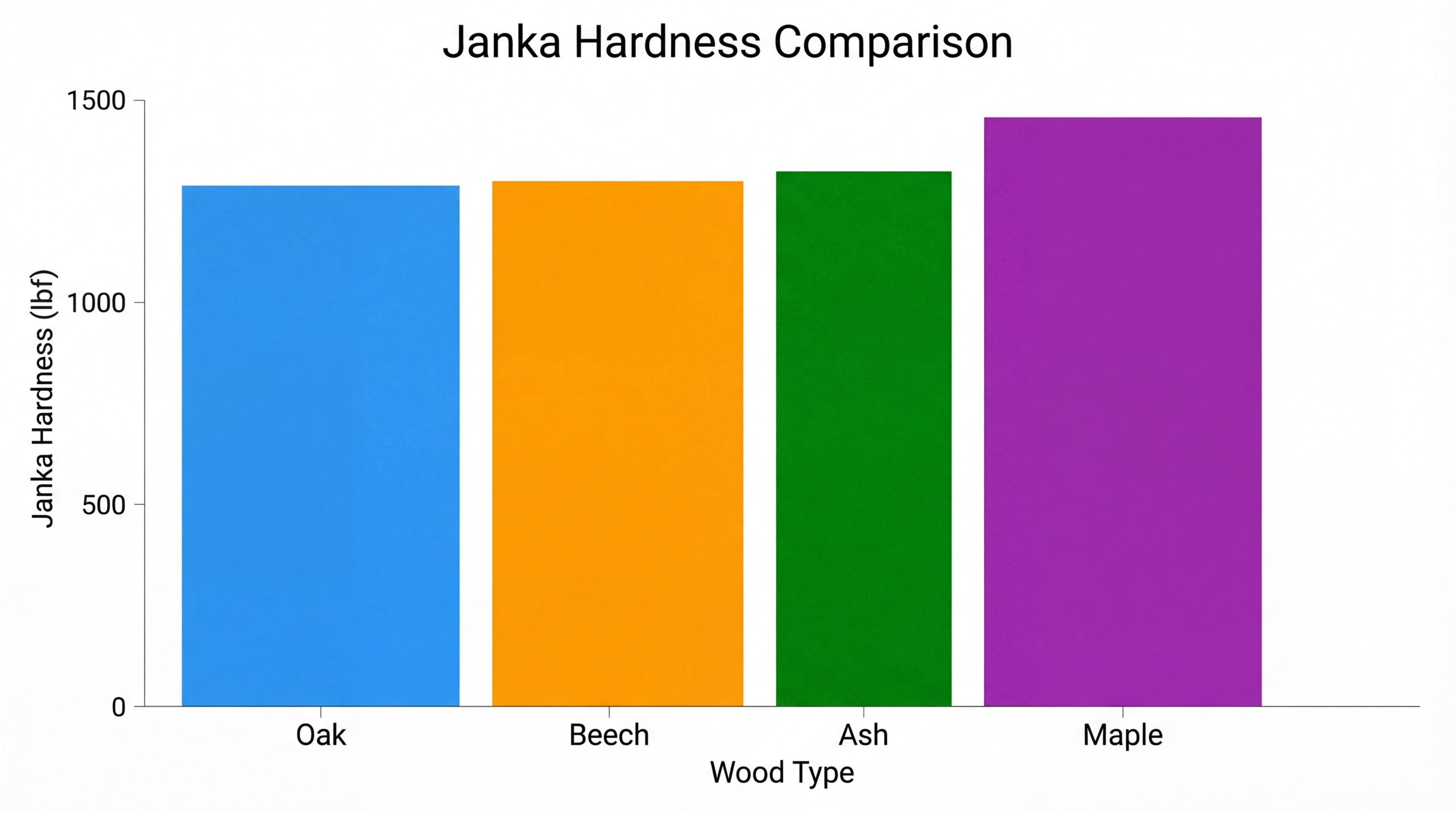
The strongest wood for furniture is hard maple for surface durability and white oak for structural integrity. Hard maple leads with a Janka rating of 1,450 lbf, while white oak provides superior resistance to moisture and decay, making it the premier choice for high-use environments.
I. What defines the strongest wood for furniture?
The strength of a material is defined by its ability to resist external forces without undergoing permanent deformation or catastrophic structural failure. When determining the strongest wood for furniture, engineers must look beyond mere surface hardness to evaluate a comprehensive profile of mechanical properties, including elasticity, shear strength, and load-bearing capacity.
Understanding Wood Strength Metrics
Comprehensive strength is measured through the Modulus of Rupture (MOR) and the Modulus of Elasticity (MOE), which represent the maximum load a timber can carry and its stiffness under stress, respectively. For factory-scale production, we analyze these metrics to predict how a chair frame or table leg will behave over decades of repetitive weight distribution and environmental shifts.
The Role of Janka Hardness
The reality is: surface hardness is the primary defense against the daily “micro-traumas” of scratches, dents, and abrasions that can ruin the aesthetic value of a premium furniture piece. To ensure your selection meets high-traffic standards, we utilize the following benchmarks:
- Janka 1,000+ lbf: Minimum threshold for durable residential dining or bedroom sets.
- Janka 1,300+ lbf: Standard for commercial seating, hospitality environments, and high-use office desks.
- Janka 1,500+ lbf: Extreme duty applications such as public benches, laboratory workstations, and flooring-integrated furniture.
Here is the kicker: high hardness ratings must be balanced with grain stability to prevent the wood from becoming too brittle for intricate joinery.
| Strength Metric | Description | Critical Furniture Application |
|---|---|---|
| Modulus of Rupture | Maximum stress the wood can take before breaking | Weight-bearing frames and legs |
| Modulus of Elasticity | Measure of the wood’s stiffness and resistance to bending | Long-span shelves and table tops |
| Compressive Strength | Resistance to loads pushing the fibers together | Vertical supports and pillar legs |
Look at it this way: a high Janka score protects the look, but a high MOR protects the life of the piece.
Key Takeaway: Understanding the interplay between surface hardness and structural elasticity allows buyers to specify materials that survive both aesthetic wear and physical weight loads.
II. Why does wood density matter in production?
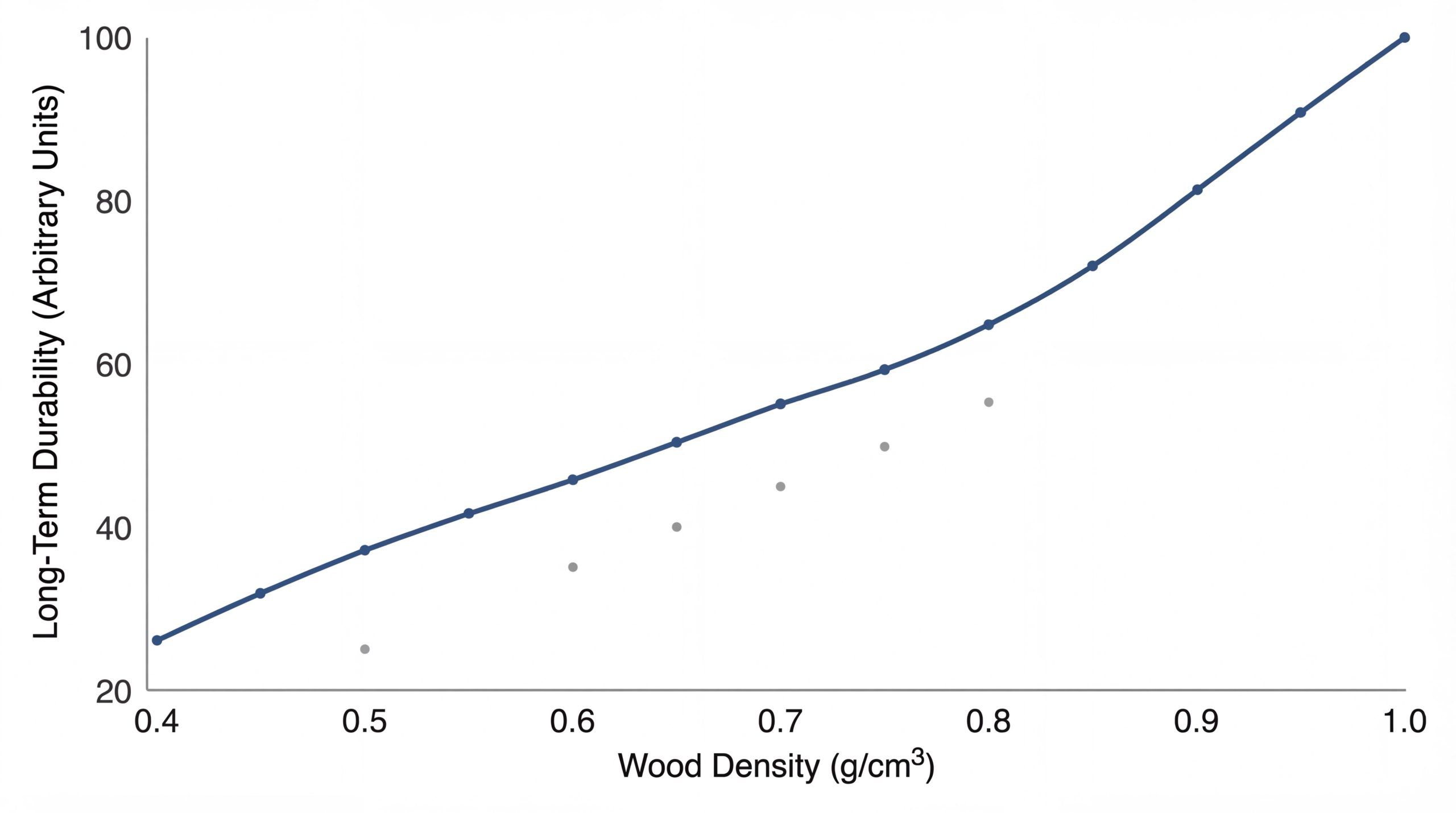
Wood density is the direct indicator of a species’ cellular concentration and its subsequent ability to withstand heavy-duty structural loads over time. In our experience, choosing the strongest wood for furniture requires a deep dive into specific gravity, as denser woods typically possess thicker cell walls that resist crushing and facilitate more secure hardware fastening.
Specific Gravity and Durability
Specific gravity measures the density of the wood relative to water, providing a reliable predictor of nearly all mechanical strength properties, including hardness and screw-withdrawal resistance. Higher-density species naturally offer greater durability, but they also demand more sophisticated kiln-drying processes to ensure the internal moisture is removed without causing deep structural honeycombing or surface checking.
Impact on Weight and Handling
But wait, there is more: while density correlates with strength, it also dramatically increases the logistical weight and the difficulty of precision machining during the manufacturing phase. Heavy timbers require reinforced assembly lines and specialized cutting tools to prevent burning the wood fibers or dulling the blades prematurely.
| Feature | Low Density (e.g., Pine) | High Density (e.g., Oak/Maple) |
|---|---|---|
| Machine Tool Wear | Minimal tool degradation | High; requires carbide-tipped bits |
| Shipping Costs | Generally lower due to less mass | Significant increase in freight rates |
| Structural Longevity | Prone to loosening at joints | Superior joint stability over time |
Think of density as the “insurance policy” for your furniture’s structural joints.
Key Takeaway: High density ensures that fasteners stay tight and frames remain rigid, though it necessitates a more robust manufacturing and shipping strategy.
III. How is Janka hardness measured and applied?
The Janka hardness test is the industry-standard method for determining a wood species’ resistance to denting and wear by measuring the force required to embed a steel ball into the grain. When sourcing the strongest wood for furniture, this numerical value serves as the primary filter for separating decorative softwoods from high-performance hardwoods.
The Janka Scale Explained
The test specifically measures the pounds-force (lbf) needed to press a 0.444-inch diameter steel ball halfway into a wood sample, providing a clear comparative baseline for manufacturers. You must evaluate furniture manufacturers based on their ability to verify these species’ ratings through certified timber grading reports.
Hardness Thresholds for Contract Furniture
The bottom line is: commercial-grade furniture rarely utilizes species with a Janka rating below 1,200 lbf because the risk of surface damage in public spaces is too high. Selecting the right species involves matching the hardness to the specific use-case, as outlined below:
- Seating: Requires high shear strength combined with moderate hardness to prevent cracking under shifting weights.
- Table Tops: Must utilize the highest Janka ratings available to resist scratches from cutlery and heavy electronics.
- Cabinetry: Can benefit from slightly lower hardness if the priority is weight reduction and ease of installation.
Consider this: a Janka rating is a laboratory metric, but in the factory, it translates directly to how much sanding effort is required to achieve a flawless finish.
| Application Type | Recommended Janka Range | Typical Species Choice |
|---|---|---|
| Luxury Residential | 900 – 1,200 lbf | Black Walnut, Cherry |
| General Office | 1,200 – 1,400 lbf | Red Oak, White Ash |
| Heavy Hospitality | 1,400+ lbf | Hard Maple, White Oak |
This data provides a scientific foundation for your material procurement decisions.
Key Takeaway: Use Janka ratings as a non-negotiable specification for any surface that will experience frequent physical contact or heavy load bearing.
IV. Is oak the industry standard for strength?
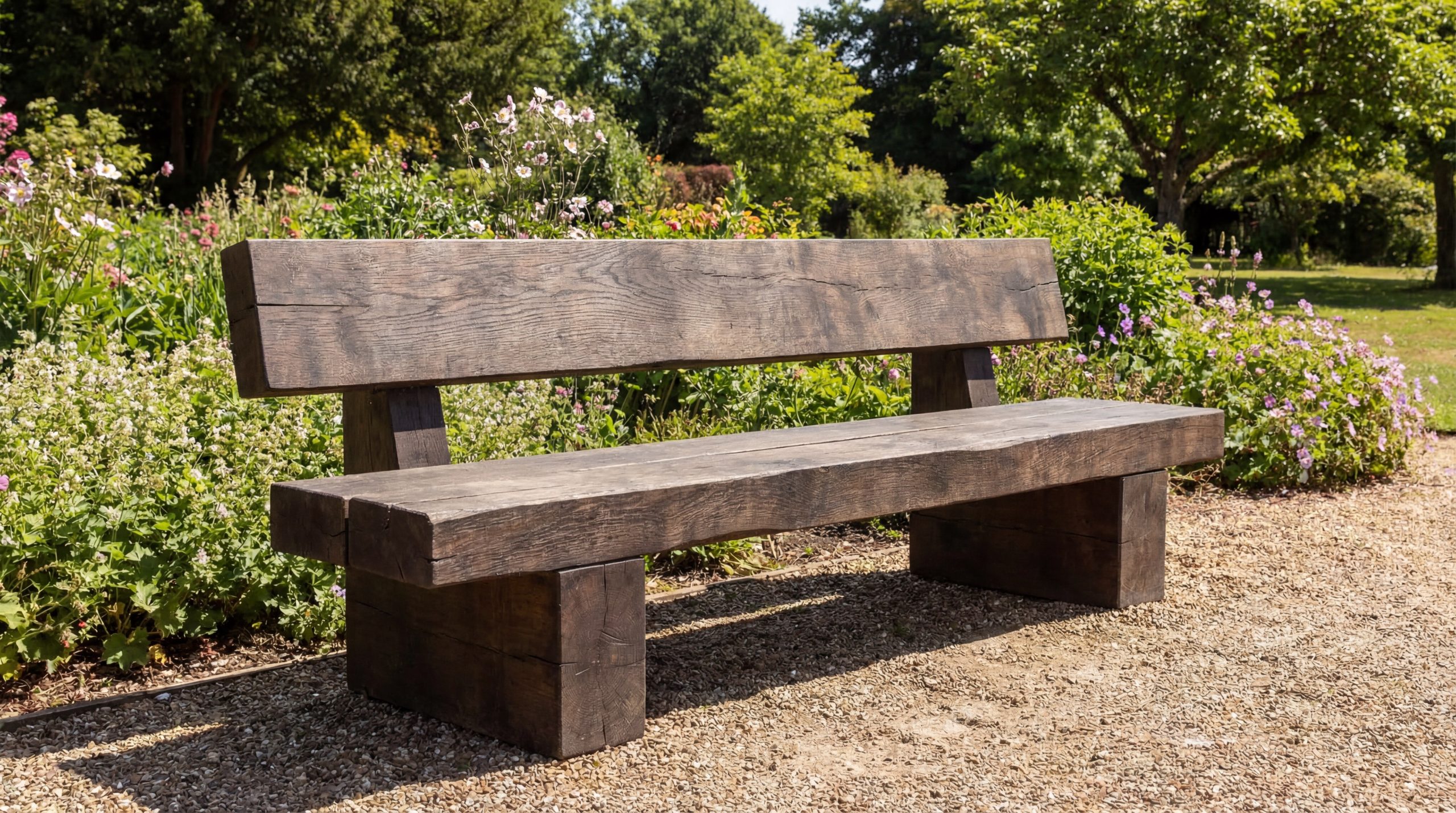
Oak remains the quintessential industry standard for durability due to its exceptional combination of high density, rot resistance, and favorable machining characteristics. For those seeking the strongest wood for furniture, oak provides a reliable, time-tested performance that few other temperate hardwoods can match in a commercial production environment.
White Oak vs. Red Oak Specifications
White Oak is significantly more durable than Red Oak because its pores are plugged with tyloses, making it virtually impervious to water penetration and decay. While both are considered heavy-duty, White Oak possesses a higher Janka rating and greater structural stiffness, which is why it is preferred for high-end exterior and high-moisture interior furniture.
Performance in High-Traffic Environments
Here is the catch: Red Oak’s open grain makes it more susceptible to staining from liquids, though its shock resistance is nearly identical to its white counterpart. In high-traffic scenarios, oak’s prominent grain pattern serves an additional functional purpose by naturally camouflaging minor surface scratches and dents that would be glaringly obvious on smoother woods like maple.
| Performance Metric | White Oak (Quercus alba) | Red Oak (Quercus rubra) |
|---|---|---|
| Janka Hardness | 1,360 lbf | 1,290 lbf |
| Decay Resistance | Very High (due to tyloses) | Low (open pore structure) |
| Bending Strength | 15,200 psi | 14,300 psi |
The choice between the two often comes down to the specific environmental exposure of the project.
Key Takeaway: Specify White Oak for maximum structural longevity and moisture resistance, while Red Oak offers a slightly more cost-effective but equally robust interior solution.
V. Does beech offer superior structural integrity?
Beech is frequently overlooked despite offering structural integrity that rivals or exceeds many more famous hardwoods used in commercial seating. When factories select the strongest wood for furniture, beech is often the preferred species for chair frames because its uniform density and fine-grained structure allow for incredibly strong and precise joinery.
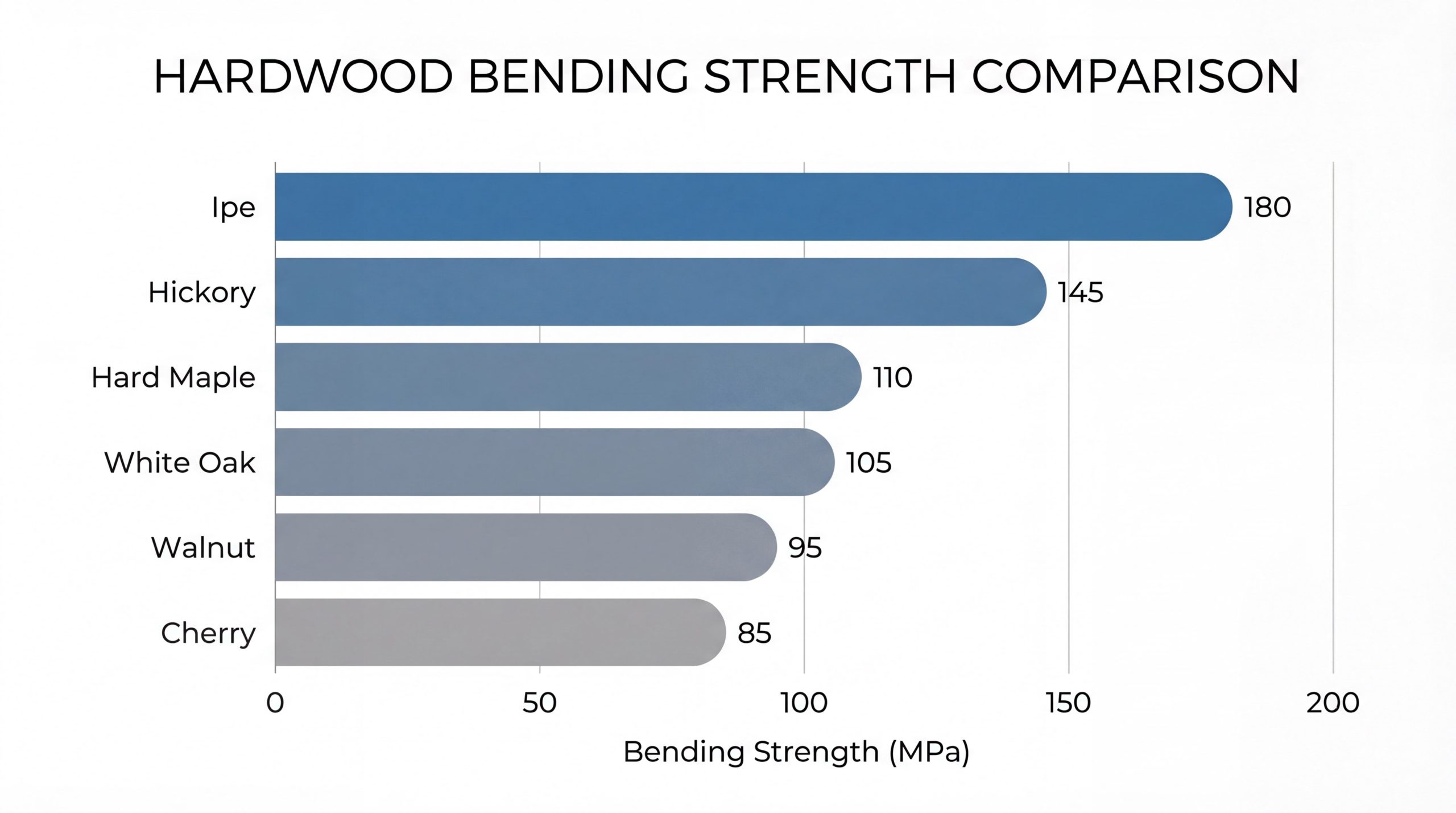
Shock Resistance and Bending Strength
Beech possesses an extraordinary capacity for shock resistance, meaning it can absorb sudden impacts without splintering or fracturing along the grain lines. This mechanical property makes it ideal for steam-bending applications, where the wood must be manipulated into complex curves without losing its inherent structural stiffness.
Ideal Applications in Commercial Seating
The reality is: almost all high-end European contract chairs utilize beech as their internal skeleton because of its odorless nature and superior screw-holding power. We recommend beech for:
- Stacking Chairs: Where weight-to-strength ratios and impact resistance are critical during frequent movement.
- Institutional Beds: Such as those in dormitories or healthcare facilities, where hygiene and durability are paramount.
- Children’s Furniture: Because the wood is non-toxic and resists splintering even under heavy abuse.
But wait, there is more: beech must be meticulously kiln-dried because its high shrinkage rate can lead to dimensional instability if the factory cuts corners on the drying cycle.
| Strength Property | European Beech (Fagus sylvatica) | Market Competitor (Pine) |
|---|---|---|
| Janka Hardness | 1,300 lbf | 380 – 420 lbf |
| Impact Strength | High (Excellent for seating) | Very Low |
| Surface Texture | Fine, closed grain | Coarse, resinous |
Beech provides a premium structural foundation at a more competitive price point than oak.
Key Takeaway: For frames and hidden structures that require maximum shock absorption and bending strength, beech is the most reliable engineering choice.
VI. How does ash compare in tensile strength?
Ash is renowned for its remarkable tensile strength and elasticity, which allows it to bend and flex under heavy loads without reaching a breaking point. When searching for the strongest wood for furniture, ash is often the top contender for pieces that require “give,” such as the back slats of a chair or the legs of a high-performance office furniture desk.
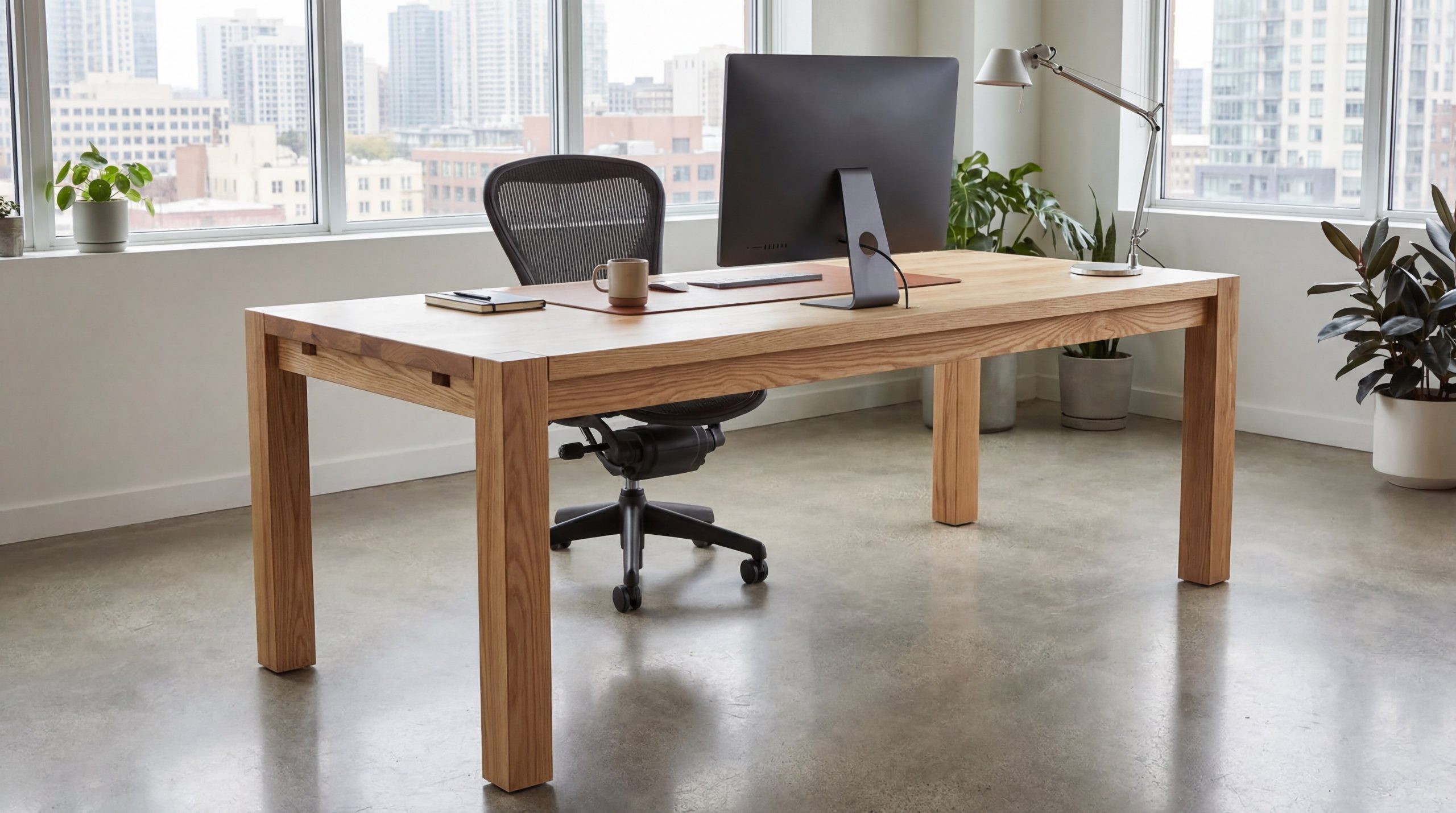
Elasticity and Split Resistance
The long-fiber structure of ash gives it a unique ability to resist splitting, especially when fasteners are driven near the edge of a board or when the piece is subjected to high-vibration environments. This elasticity ensures that the furniture can withstand the stresses of daily shifting and movement without developing the hairline fractures common in more brittle species.
Machining Characteristics for Manufacturing
Here is the kicker: ash is exceptionally “workable” in a factory setting, reacting well to both hand tools and CNC machinery without excessive tearing or burning. Its ability to take stains and finishes evenly makes it a favorite for designers who want the strength of oak but with a more modern, clean aesthetic.
- Steam Bending: Ash is the premier choice for curved components due to its long fibers.
- Fastener Retention: The dense springwood provides an incredible grip for screws and dowels.
- Vibration Damping: Ash is often used in tool handles and sports equipment for the same reason it excels in high-use furniture.
Think of ash as the “performance athlete” of the hardwood world—strong, flexible, and resilient.
| Technical Metric | White Ash (Fraxinus americana) | Comparative Utility |
|---|---|---|
| Janka Hardness | 1,320 lbf | High surface protection |
| Modulus of Elasticity | 1.74 million psi | Exceptional flexural strength |
| Workability | High | Lowers factory labor costs |
The structural flexibility of ash prevents catastrophic failure in high-pressure environments.
Key Takeaway: Choose ash for any furniture design that incorporates curved elements or requires high resistance to splitting and impact.
VII. Why choose maple for heavy-duty furniture?
Maple is the ultimate choice for heavy-duty applications where abrasion resistance and surface hardness are the primary requirements for longevity. As a factory supplier, we often recommend hard maple as the strongest wood for furniture intended for public spaces, schools, and residential furniture that must survive generations of use.
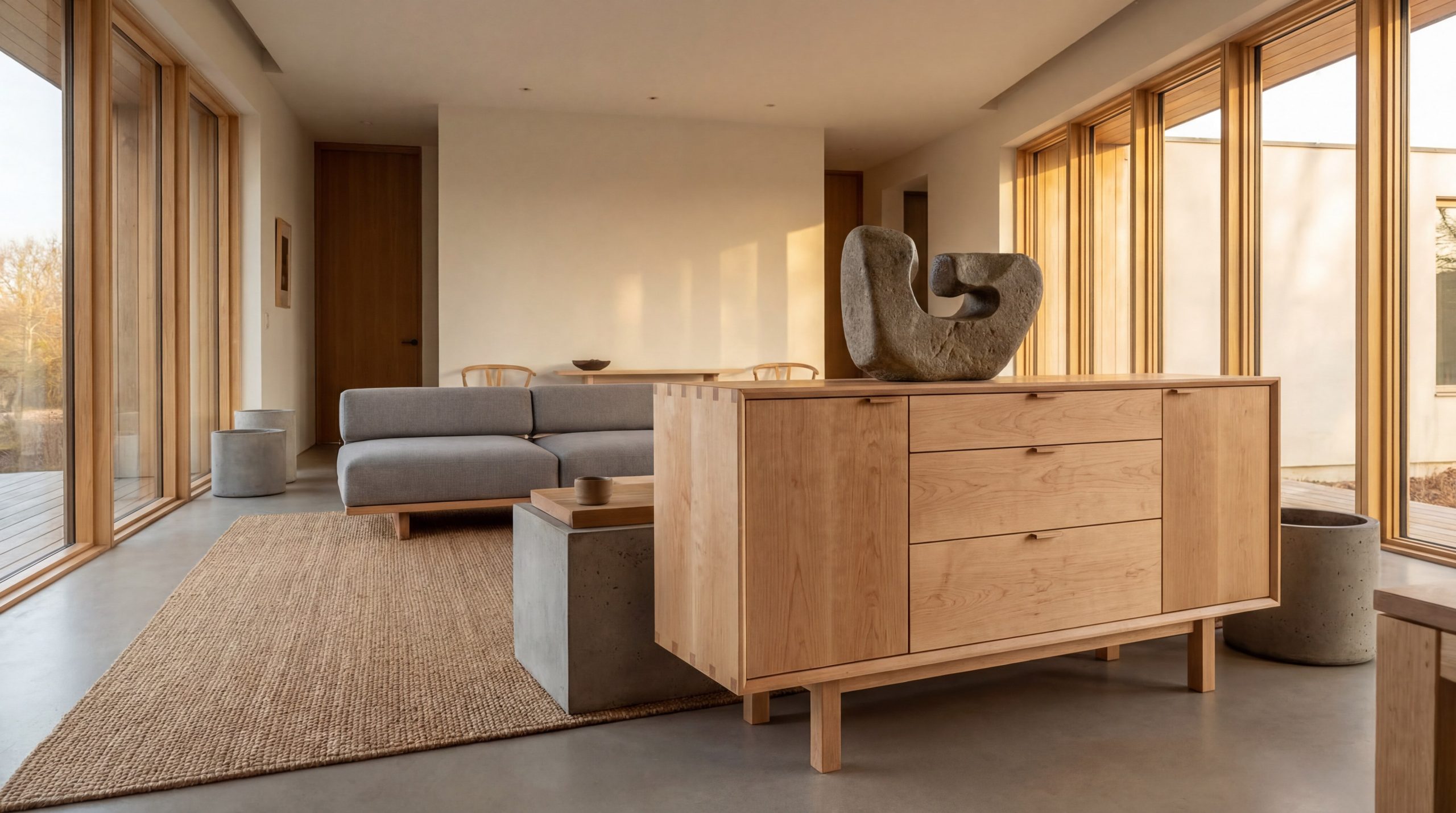
Hard Maple vs. Soft Maple Metrics
It is critical to distinguish between Hard Maple (Sugar Maple) and “Soft” Maple species, as the former is significantly more durable and harder on the Janka scale. Hard Maple possesses a Janka rating of approximately 1,450 lbf, making it one of the densest and most scratch-resistant temperate hardwoods available for mass production.
Abrasion Resistance in Public Spaces
The reality is: the incredibly tight, closed grain of Hard Maple makes it nearly impossible for dirt, grime, or liquids to penetrate the surface, which is why it is the standard for bowling alleys and basketball courts. In a furniture context, this density translates to a surface that remains smooth and dent-free even after years of heavy cleaning and physical contact.
- Hardness: 1,450 lbf (Hard Maple) vs. 950 lbf (Soft Maple).
- Appearance: Uniform, light color that accepts high-gloss finishes beautifully.
- Durability: High resistance to crushing and indentation.
Consider this: choosing soft maple when hard maple was specified is a common “grey area” risk that can lead to premature wear in commercial projects.
| Feature | Hard Maple (Acer saccharum) | Soft Maple (Acer rubrum) |
|---|---|---|
| Strength Rating | Superior | Moderate |
| Best Use | Table tops, workbenches | Drawer sides, painted frames |
| Cost | Higher | Lower |
Hard maple is the gold standard for surfaces that face constant physical friction.
Key Takeaway: Always verify that “Hard Maple” is being used for load-bearing and wear-intensive surfaces to ensure the project meets durability expectations.
VIII. How do moisture levels impact wood strength?
The structural strength of any timber is inextricably linked to its moisture content, as water acts as a plasticizer that softens the wood fibers and reduces their load-bearing capacity. Even the strongest wood for furniture will fail if it has not been conditioned to the appropriate Equilibrium Moisture Content (EMC) before assembly and finishing.
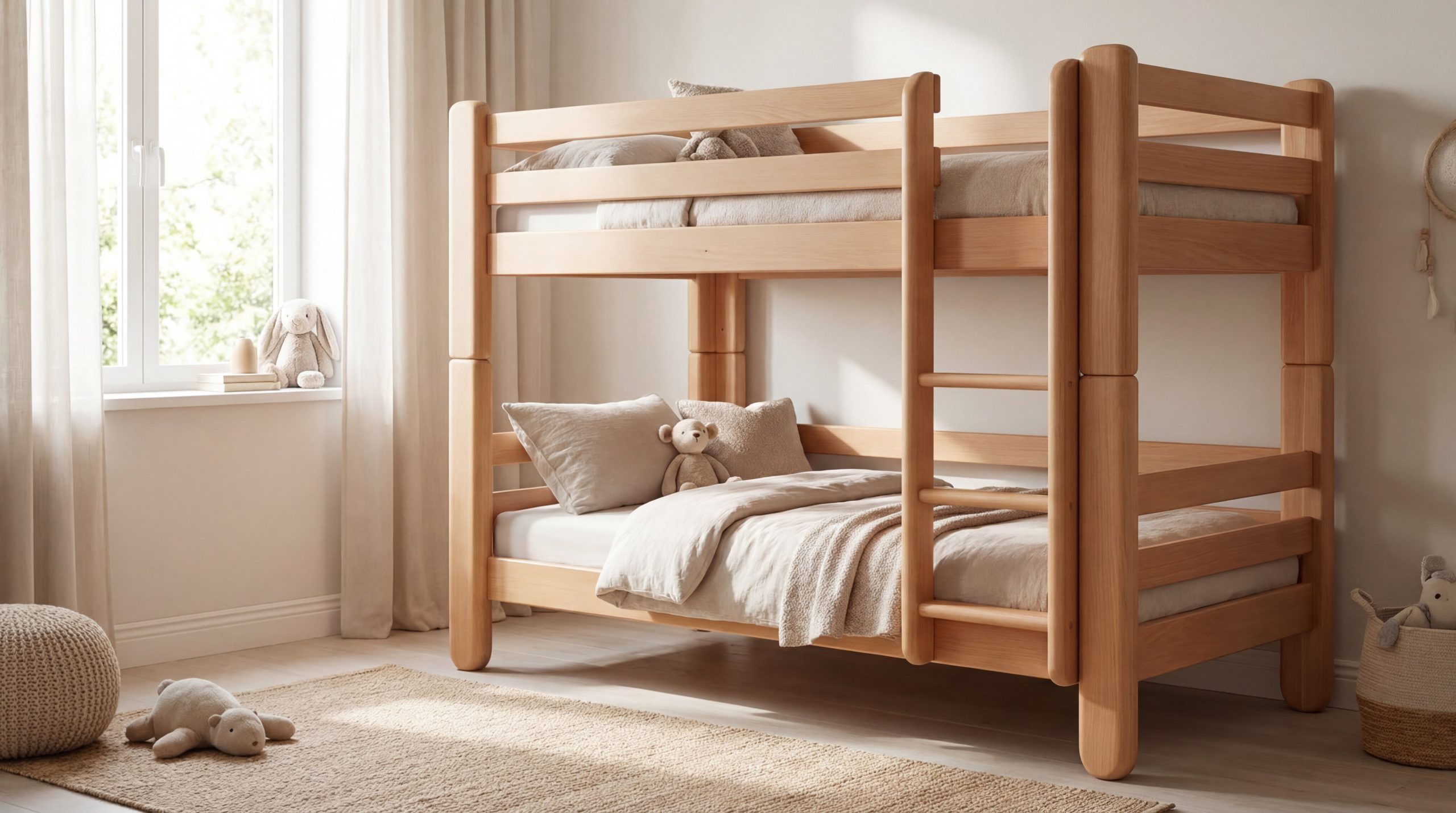
Equilibrium Moisture Content
Wood is a hygroscopic material that constantly exchanges moisture with its environment, expanding as it absorbs humidity and contracting as it releases it. To prevent warping and joint failure, we ensure that our furniture quality control protocols include strict moisture testing at every stage of the production line.
Dimensional Stability and Fiber Saturation
Here is the catch: once wood dries below its fiber saturation point (roughly 30%), it begins to gain significant strength and hardness as the cell walls stiffen and shrink. However, if the moisture is removed too quickly or unevenly, the resulting internal stresses can cause “checking” or “honeycombing,” which compromises the structural integrity of the entire piece.
- 6% – 8% MC: The ideal range for interior furniture in most temperate climates.
- 12% – 15% MC: The standard for outdoor furniture to account for higher humidity fluctuations.
- Consistency: The key is ensuring the wood is stable before the first cut is made.
The bottom line is: a strong wood species can still yield a weak piece of furniture if the moisture management is handled poorly by the factory.
| Moisture Level | Impact on Wood Fiber | Risk to Finished Furniture |
|---|---|---|
| High (>12%) | Softens fibers, reduces MOR | Mold, joint loosening, warping |
| Ideal (6-9%) | Maximum hardness and stability | Minimal |
| Too Low (<5%) | Increases brittleness | Cracking and splintering |
Proper kilning is the most critical step in transforming raw timber into structural furniture.
Key Takeaway: Never sacrifice drying time for speed, as moisture instability is the leading cause of structural failure in high-quality hardwoods.
IX. Which wood provides the best ROI?
Determining the best Return on Investment (ROI) requires balancing the initial material cost with the projected lifecycle and maintenance requirements of the installation. While exotic species might seem attractive, the strongest wood for furniture for professional buyers is often found in domestically abundant hardwoods that offer predictable performance and sustainable pricing.
Comparing Material Cost to Longevity
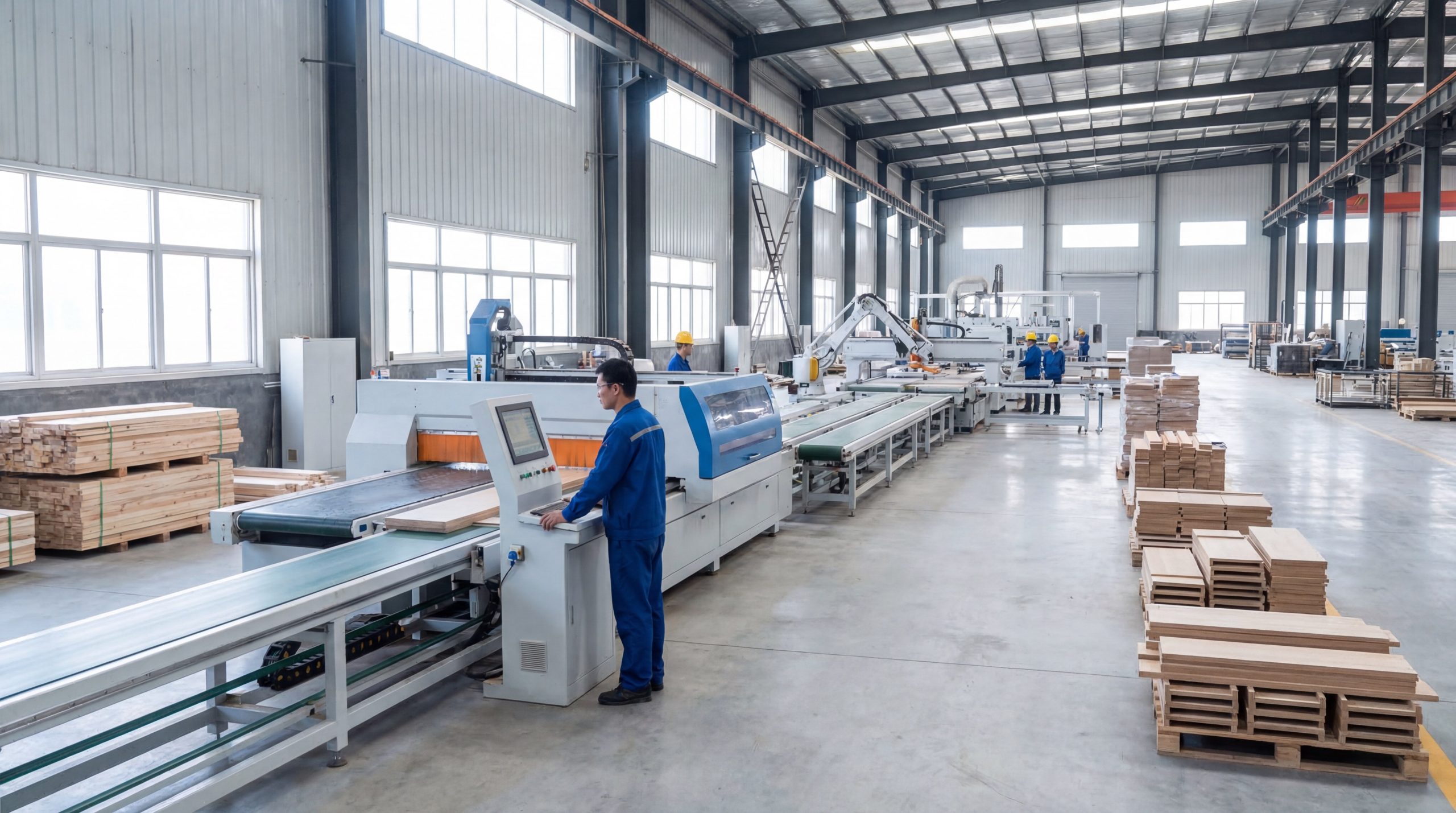
Initial savings gained by selecting softwoods or low-density hardwoods are almost always offset by the cost of frequent repairs or early replacement due to structural failure. When furniture sourcing from China , focusing on ash or oak provides a mid-range price point with high-end durability, maximizing the value of every dollar spent on procurement.
Maintenance and Lifecycle Analysis
But wait, there is more: the true cost of furniture includes the labor required to keep it looking professional over a 10 or 20-year span. Dense hardwoods like maple and oak require fewer refinishing cycles and resist the “wobble” that develops in cheaper materials as the fastener holes enlarge over time.
- Replacement Cycle: Hardwood furniture lasts 3-5x longer than particle board or softwood alternatives.
- Refinishing: Hardwoods can be sanded and resealed multiple times, extending their life indefinitely.
- Resale Value: High-quality wood furniture retains a significant portion of its value on the secondary market.
You must look at the total cost of ownership rather than just the invoice price.
| Wood Category | Initial Cost | 10-Year Maintenance Cost | Total Value Ranking |
|---|---|---|---|
| Softwoods | Low | High (Frequent replacement) | Poor |
| High-End Exotics | Very High | Moderate | Moderate |
| Commercial Hardwoods | Moderate | Low (Highly durable) | Excellent |
Commercial hardwoods represent the “sweet spot” of the furniture investment curve.
Key Takeaway: Investing in high-density hardwoods like oak, ash, or maple significantly lowers long-term operational costs by reducing replacement frequency.
X. Which wood is ultimately the strongest choice?
The ultimate choice for the strongest wood for furniture depends entirely on whether your primary threat is structural breakage, surface abrasion, or environmental decay. In our professional factory assessment, a hybrid approach—using different species for frames and surfaces—often yields the highest-performance results for complex commercial projects.
Summary of Mechanical Properties
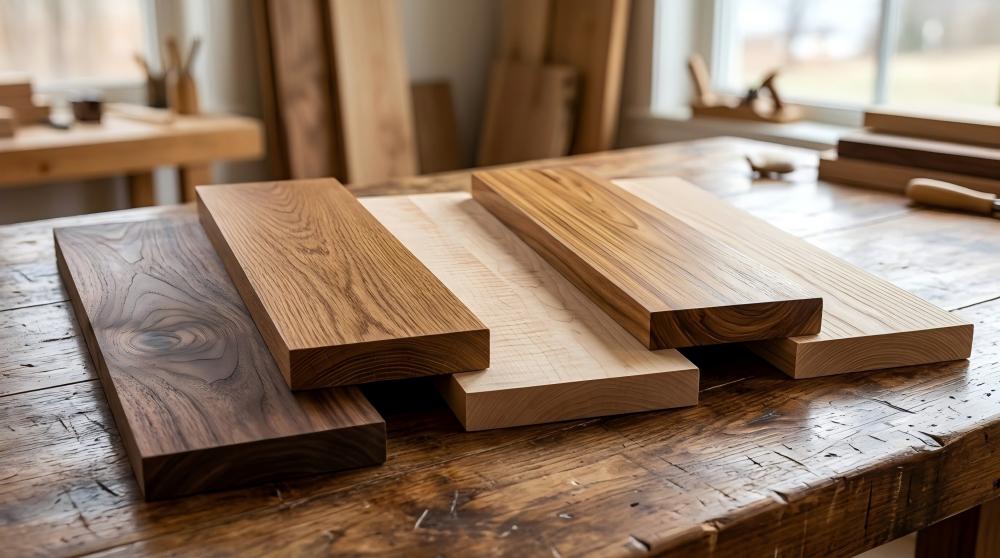
Hard Maple remains the undisputed champion for surface hardness, while White Oak and Ash lead the field in structural resilience and elasticity. By understanding the specific mechanical properties of each species, you can move away from generic “hardwood” labels and specify materials that are scientifically matched to the stresses of your unique environment.
Selecting Based on Specific Project Needs
Consider this: a chair that is incredibly hard but lacks elasticity will shatter under a sudden impact, while a flexible chair that is too soft will look aged and battered within months. Here is a final comparison to guide your selection:
- Public Areas: Prioritize Maple for its extreme dent resistance.
- High-Humidity Zones: Specify White Oak for its natural rot-proofing.
- Dynamic Seating: Use Ash or Beech for their superior shock absorption.
The strongest wood is the one that best counters the specific forces present in your space.
| Wood Species | Structural Strength | Surface Hardness | Best Use Case |
|---|---|---|---|
| Hard Maple | High | Extreme | Table tops, high-traffic desks |
| White Oak | Highest | High | Heavy-duty frames, damp areas |
| White Ash | High (Elastic) | High | Chairs, curved components |
Your final decision should be backed by laboratory data and factory-certified grading.
Key Takeaway: For the highest overall durability, specify a combination of White Oak for structural frames and Hard Maple for high-contact surfaces.
FAQ
Can I use softwood like pine for high-traffic commercial furniture?
No, because pine has a Janka rating often below 500 lbf, meaning it will dent and scratch almost immediately under commercial use. While it is cost-effective, the structural joints will loosen quickly, making it a high-risk choice for any professional environment.
What’s the best wood for outdoor commercial furniture that needs to be strong?
The best option is white oak or teak. White oak is the strongest domestic choice due to its high density and tyloses-plugged pores which prevent rot, whereas teak offers natural oils that resist moisture but at a significantly higher price point.
How do I know if the factory is using real hard maple or a cheaper substitute?
You should request a Janka hardness certification and inspect the grain under magnification. Real hard maple has a very fine, uniform texture with almost invisible pores, while many “soft” substitutes will show more pronounced grain patterns and will dent easily under a simple thumbnail pressure test.
Closing note
Selecting the strongest wood for furniture requires balancing Janka hardness with structural elasticity and proper kiln-drying. We assist buyers by providing transparent material data and rigorous quality controls to mitigate procurement risks. To ensure your next project utilizes the optimal timber for longevity, contact our team at Everwoody for expert manufacturing guidance and factory-direct solutions.