
High return rates and after-sales quality claims often stem from improper maintenance that degrades material integrity over time. Protect your profit margins by educating procurement teams on preserving factory-finish quality.
To learn how to clean outdoor furniture effectively, use pH-neutral detergents and soft-bristle brushes while avoiding high-pressure washers that can strip protective coatings. This comprehensive guide details material-specific protocols to ensure your imported stock maintains its showroom appearance and structural durability across multiple seasons.
I. How to Clean Outdoor Furniture Safely
Understanding how to clean outdoor furniture begins with identifying the specific material composition to avoid using chemical agents that could cause irreversible surface delamination or structural weakening. As a leading manufacturer, we recommend a “safety-first” approach that prioritizes gentle mechanical agitation over harsh chemical reactions to preserve the water-based finishes typical of high-quality exports. Importers must communicate these foundational steps to retail partners to ensure that end-users do not accidentally void their warranties through aggressive scrubbing.
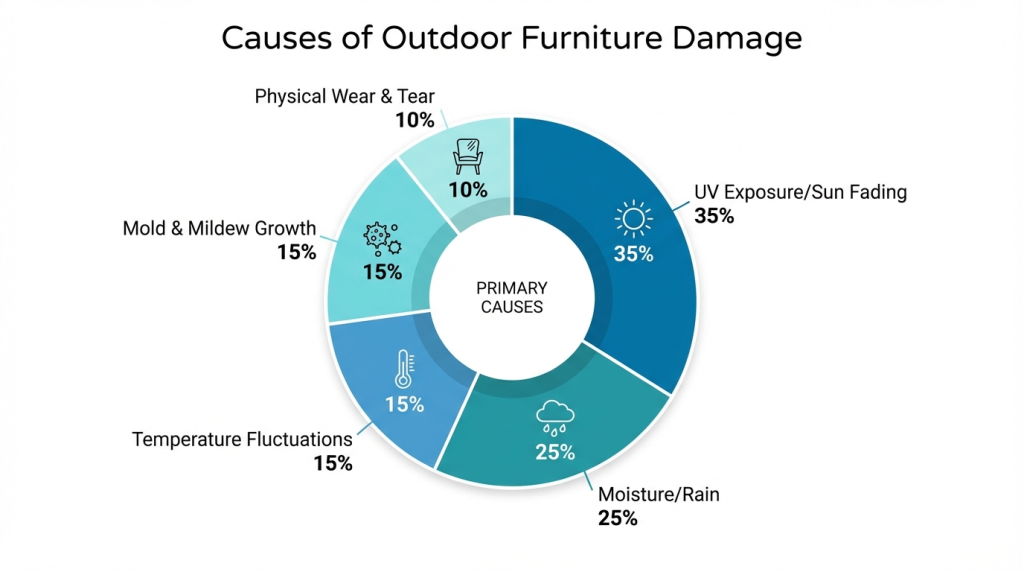
Establishing a Routine Maintenance Schedule
Procurement managers should emphasize that regular, low-intensity cleaning is the most effective way to prevent the buildup of environmental pollutants that eventually lead to deep staining.
Think about this:
- Dusting surfaces weekly with a microfiber cloth prevents abrasive particulates from scratching the clear coat.
- Rinsing furniture with low-pressure garden hoses removes salt spray and pollen before they bond with the material.
- Wiping down frames after heavy rain prevents mineral deposits from creating hard-water spots that are difficult to remove later.
The following table summarizes the recommended cleaning frequencies for various commercial environments to help buyers plan their maintenance logistics.
| Environment Type | Recommended Frequency | Key Focus Area |
|---|---|---|
| Coastal/High Salt | Weekly | Salt residue removal |
| Urban/Polluted | Bi-weekly | Soot and particulate wipe-down |
| Arid/Dusty | Daily | Surface dusting and debris clearing |
This is just the beginning.
Key Takeaway: Start with the mildest cleaning method possible to preserve the factory-applied protective layers and reduce long-term material fatigue.
II. Essential Tools for Outdoor Maintenance
Selecting the correct instruments is a critical component of how to clean outdoor furniture without scratching the powder-coated finishes or marring the natural grain of hardwood items. In our Shandong factory, we utilize specialized soft-grip brushes and non-ionic surfactants during the final QC stage, and we advise importers to recommend similar professional-grade tools to their clients. Using the wrong equipment, such as steel wool or high-pressure nozzles, can create micro-fissures that allow moisture to penetrate the core material.
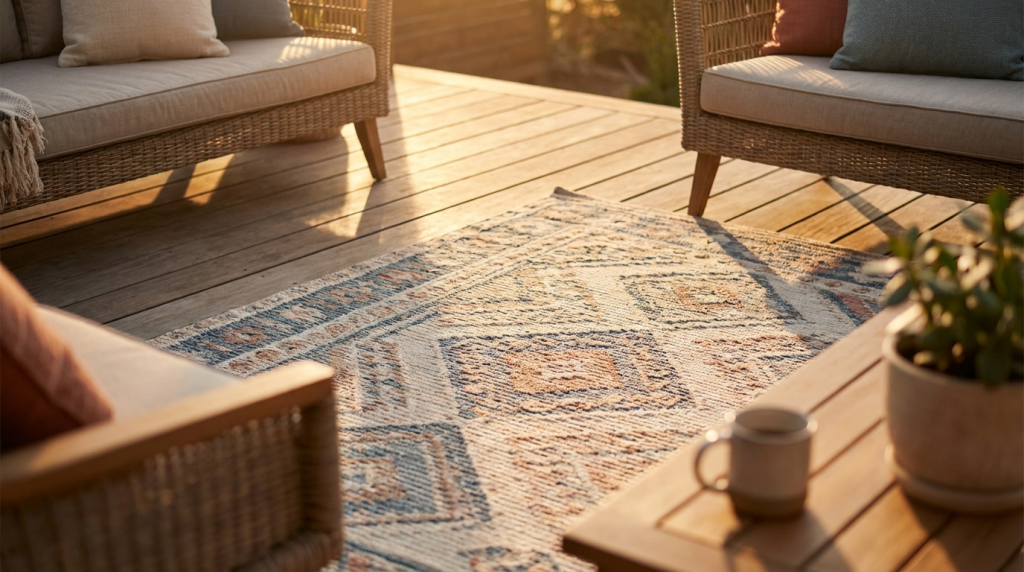
Professional Grade Cleaning Supplies List
Maintaining a standardized kit ensures that maintenance staff can address spills and environmental buildup consistently across large-scale outdoor furniture installations.
Here is the kicker:
- Soft-bristle nylon brushes are essential for reaching crevices in woven designs without snapping the synthetic fibers.
- pH-neutral dish soaps or specialized furniture cleaners prevent the chemical etching of aluminum and treated wood surfaces.
- High-absorptivity chamois cloths are ideal for drying metal frames to prevent the formation of unsightly streaks and water marks.
The comparison table below outlines the necessary tool approvals that a procurement manager should confirm before authorizing a maintenance contract.
| Tool Category | Buyer Confirmed | Risk if Not Confirmed |
|---|---|---|
| Bristle Type | Soft Nylon/Natural | Surface scratching and coating loss |
| Cloth Material | Microfiber/Chamois | Lint left in wood grain and streaks |
| Pressure Level | < 1500 PSI | Wood fiber splintering and joint damage |
But wait, there’s more.
Key Takeaway: Investing in soft-bristle brushes and pH-neutral cleaners is the most cost-effective way to prevent surface damage during routine maintenance.
III. How to Clean Teak Furniture Correctly
When dealing with premium hardwoods, knowing how to clean outdoor furniture like teak requires a balance between removing organic growth and retaining the wood’s natural protective oils. Teak is prized for its high silica content and oil density, but improper cleaning with bleach-heavy solutions can strip these elements, leading to premature silvering or structural brittleness. Importers should note that while some customers prefer the aged patina, maintaining the original honey-gold hue requires a specific enzymatic cleaning process.
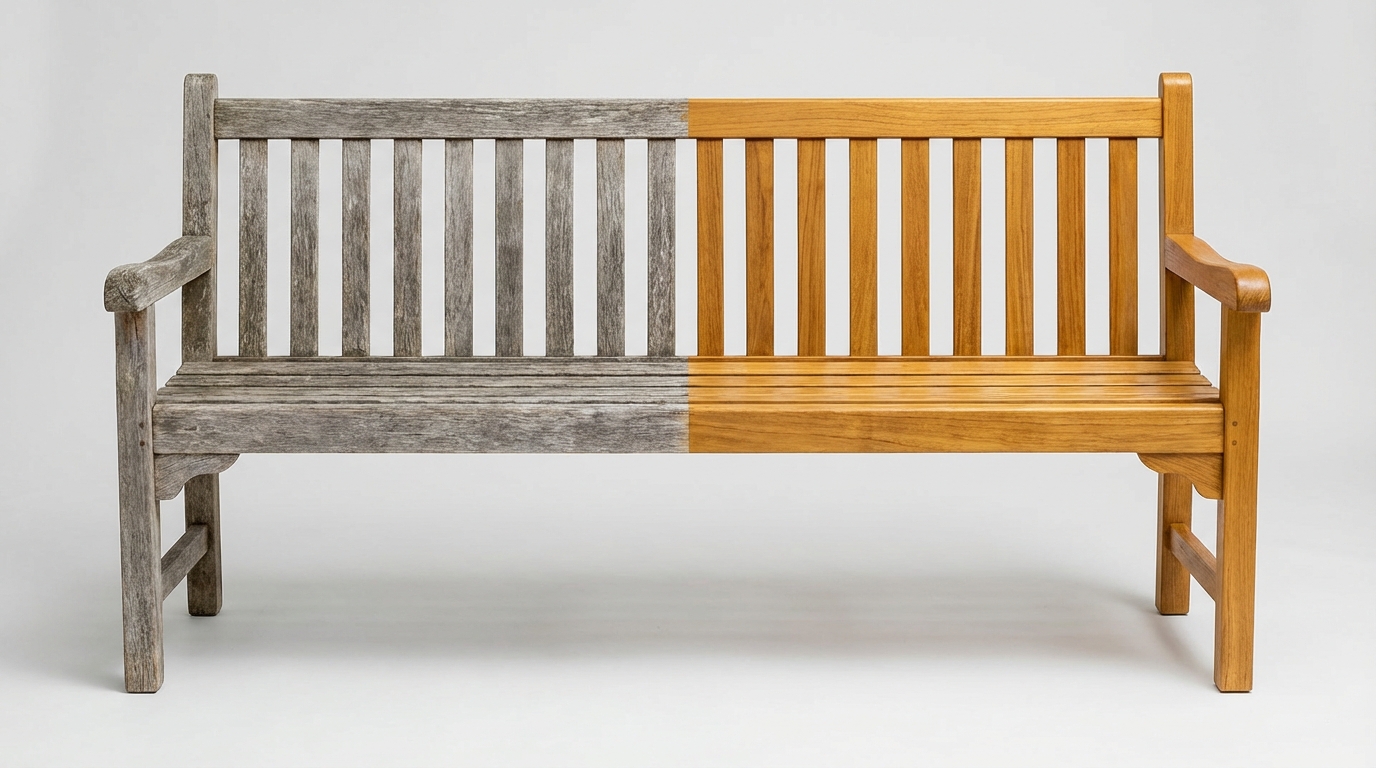
Restoring the Natural Golden Luster
Restoration of teak involves a multi-step process that cleans deep into the pores before applying a breathable shield to lock in the remaining natural moisture.
Believe it or not:
- Applying a specialized teak cleaner with a soft sponge removes graying oxidation without damaging the underlying wood fibers.
- Scrubbing across the grain rather than with it can cause “raising” of the fibers, which necessitates expensive sanding later.
- Rinsing with fresh water and allowing a full 24-hour drying period is mandatory before any secondary oiling or sealing treatments.
Consult the following summary for the specific chemical reactions to avoid when maintaining high-value wooden stock.
| Cleaning Agent | Effect on Teak | Recommendation |
|---|---|---|
| Pure Bleach | Strips natural oils and whitens fibers | Strongly Discouraged |
| Vinegar Solution | Breaks down mild surface mold | Acceptable for light cleaning |
| Teak Brightener | Restores pH balance and color | Highly Recommended |
It gets better.
Key Takeaway: Always clean teak with specialized products that respect the wood’s oil content to avoid the high cost of mechanical sanding and refinishing.
IV. Maintenance of Rope and Woven Seats
The intricate nature of woven materials complicates the process of how to clean outdoor furniture, as dirt often becomes trapped deep within the braided fibers or synthetic wicker channels. For rope-based furniture, which is increasingly popular in modern B2B catalogs, the primary risk is fungal growth within the core of the rope where moisture can linger for extended periods. Our production team recommends a vacuum-first approach to remove dry particulates before introducing any liquid cleaning agents that could push dirt further into the weave.
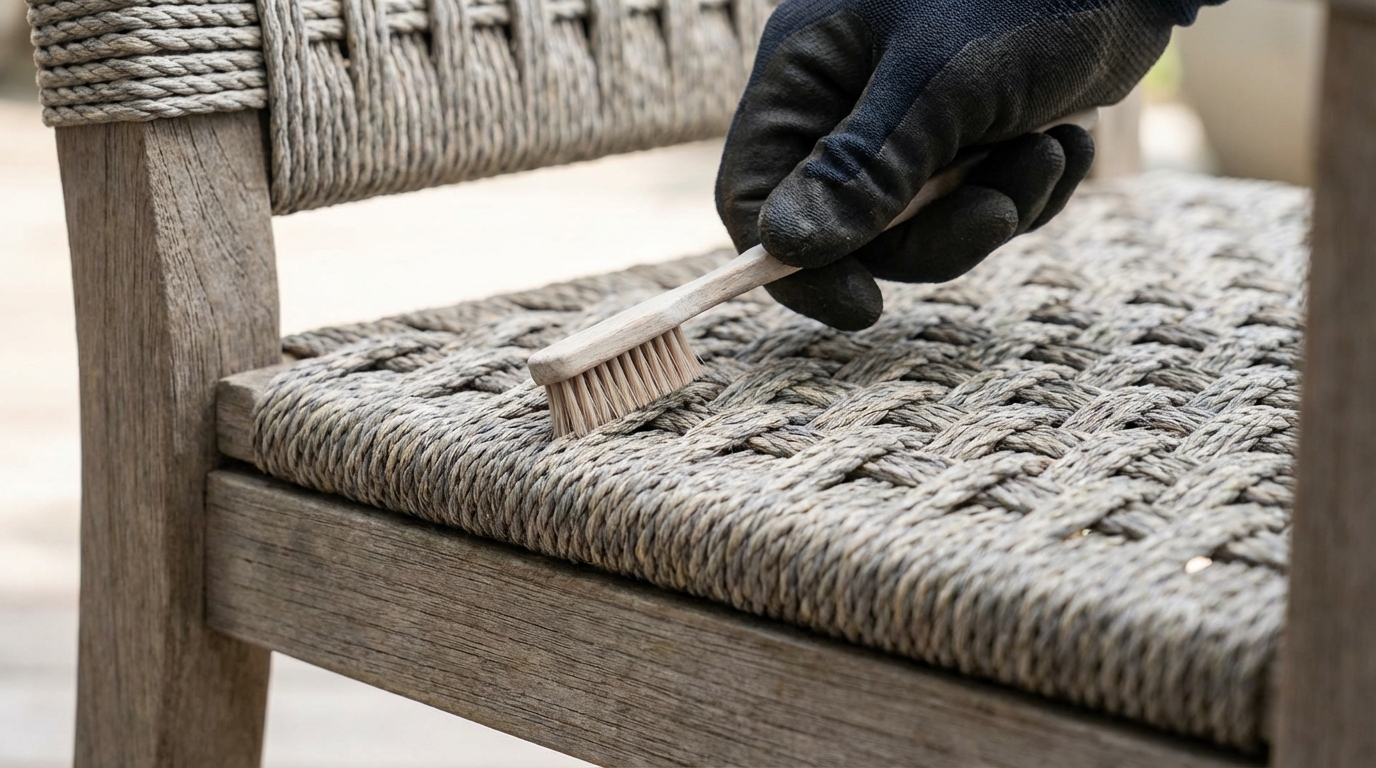
Deep Cleaning Woven Textures Safely
Successfully maintaining woven components requires a gentle touch and specialized tools that can penetrate the lattice without snagging the delicate outer sheath of the rope.
Look:
- Using a soft-bristle toothbrush is the most effective way to dislodge bird droppings or food spills from tight rope intersections.
- A mixture of lukewarm water and a drop of mild detergent should be applied sparingly to avoid saturating the internal foam or core.
- Air-drying in a shaded, well-ventilated area prevents the UV degradation that can occur if wet synthetic fibers are exposed to direct sunlight.
The table below provides a quick reference for the structural differences in cleaning requirements between various woven materials.
| Material Type | Cleaning Tool | Drying Time |
|---|---|---|
| Poly-Rope | Soft toothbrush | 4-6 Hours |
| Natural Rattan | Microfiber cloth | 12-24 Hours |
| Synthetic Wicker | Low-pressure spray | 2-3 Hours |
Why does this matter?
Key Takeaway: Use localized cleaning for woven materials to prevent core saturation, which can lead to internal mold growth and structural rot.
V. Cleaning Cast Aluminum and Metal Frames
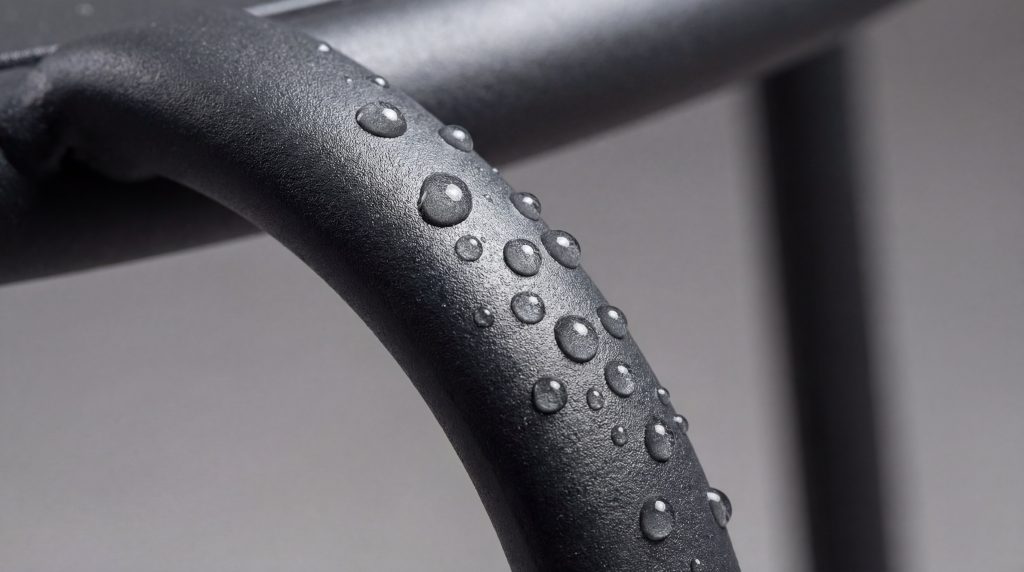
If you are investigating how to clean outdoor furniture made of metal, the focus shifts from organic protection to preventing the chemical breakdown of the protective powder coating. While aluminum is inherently rust-resistant, it can suffer from “pitting” or oxidation if salt and pollutants are allowed to sit on the surface in high-moisture environments. Importers must ensure that cleaning protocols include a thorough rinse of all hardware and joints, as these are the most common points of failure for metal-framed patio sets.
Protecting the Powder Coated Finish
The longevity of a metal frame depends almost entirely on the integrity of its surface coating, which acts as the primary barrier against atmospheric corrosion.
The best part?
- Wiping the frames with a soft cloth dipped in soapy water is usually sufficient to remove most industrial film and environmental dust.
- Applying a thin layer of automotive wax twice a year provides an extra hydrophobic barrier that helps water bead off the surface.
- Checking for chips in the finish and applying touch-up paint immediately prevents the spread of oxidation beneath the surrounding coating.
Review the following comparison to understand why professional buyers confirm specific coating types during the procurement phase.
| Coating Type | Buyer Confirmed | Maintenance Ease |
|---|---|---|
| Powder Coated | Yes | High – resists most chemicals |
| Painted | No | Low – prone to peeling and fading |
| Anodized | Yes | Medium – requires non-acidic cleaners |
Keep reading.
Key Takeaway: Maintain metal frames by focusing on coating integrity and joint lubrication to prevent localized oxidation and mechanical squeaking.
VI. How to Clean HDPE and Poly Furniture
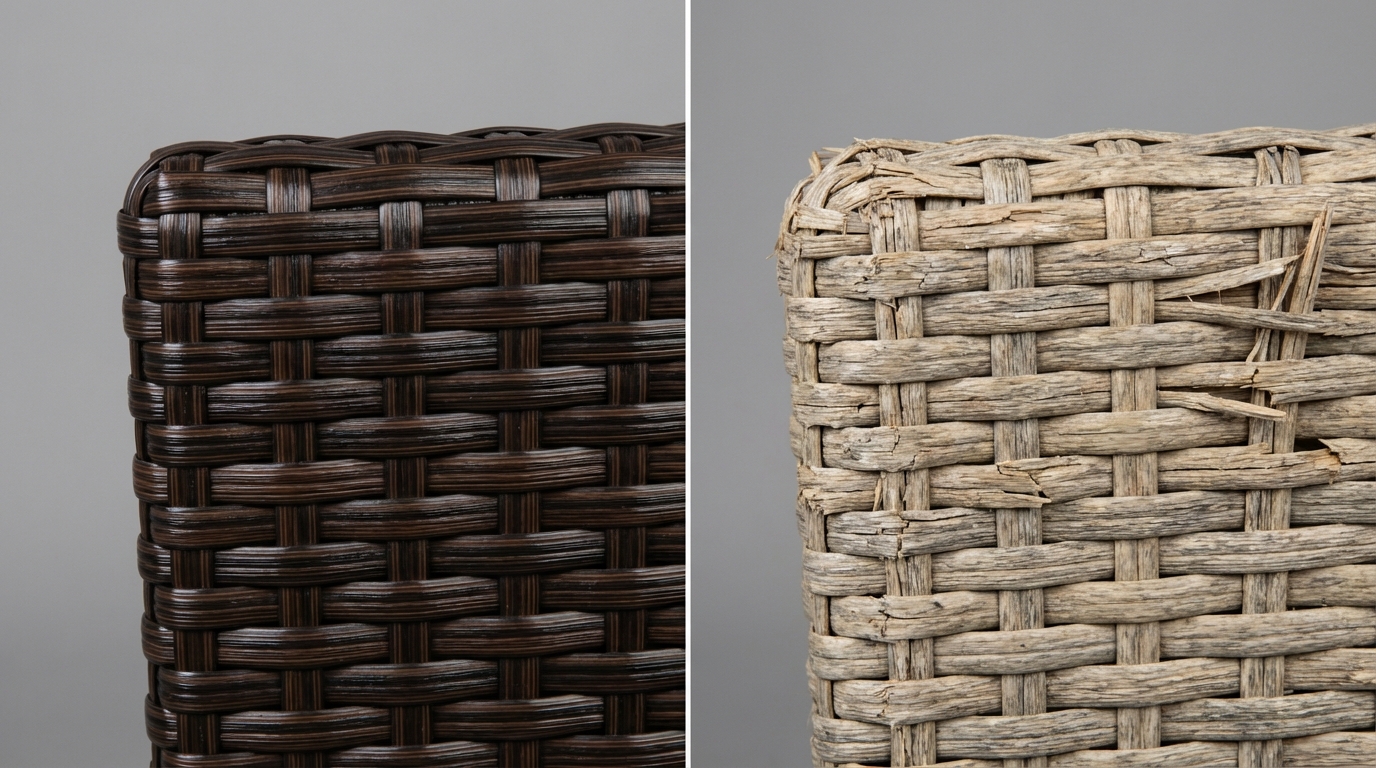
Understanding how to clean outdoor furniture manufactured from High-Density Polyethylene (HDPE) is relatively simple due to the material’s non-porous nature and high chemical resistance. These “poly-lumber” products are designed to withstand extreme weather, but they can still develop surface stains from sunscreen, oils, and tannins that require specific surfactants to fully remove. Because the color is impregnated throughout the material, procurement managers can rest assured that even deep cleaning will not cause the fading associated with dyed plastics.
Handling Stubborn HDPE Surface Stains
While HDPE is incredibly durable, the textured surface can act as a trap for fine dust and organic matter that requires more than a simple rinse.
Here is the secret:
- A mixture of 1/3 bleach and 2/3 water is generally safe for white poly-lumber to remove persistent mildew spots without damaging the plastic.
- For colored HDPE, stick to soapy water or specialized poly-cleaners to ensure that the UV inhibitors within the material remain fully effective.
- Pressure washing is permissible for this material up to 1500 PSI, provided the nozzle is kept at least 12 inches away from the surface.
This summary table helps buyers understand the performance of HDPE against common staining agents found in commercial hospitality settings.
| Stain Agent | Ease of Removal | Cleaning Agent |
|---|---|---|
| Sunscreen Oil | Medium | Degreaser/Dish Soap |
| Red Wine | High | Warm soapy water |
| Bird Droppings | High | Low-pressure rinse |
You may be wondering:
Key Takeaway: Utilize HDPE’s high chemical resistance for deep cleaning, but always avoid abrasive pads that could permanently dull the material’s faux-wood texture.
VII. How to Clean Outdoor Furniture: Wood Care
A critical aspect of how to clean outdoor furniture involves managing the moisture content within the wood fibers to prevent the warping and cracking that leads to customer complaints. At our facility, we stress that wooden furniture should never be left to “soak” during the cleaning process, as rapid absorption followed by uneven drying is the primary cause of structural instability. For softer woods like acacia or eucalyptus, the cleaning frequency must be higher to prevent organic matter from penetrating the less-dense grain structures.
Preventing Moisture Infiltration and Rot
Effective wood care requires a strategic approach that combines cleaning with the reapplication of protective finishes that may have eroded during the previous season.
Think about this:
- Using a damp cloth rather than a soaking wet sponge ensures that water does not pool in the joints or screw holes.
- Cleaning the underside of the furniture is just as important as the top, as this is where dampness and mold usually begin to form.
- Periodically checking the furniture quality control standards of your supplier can help you identify if the wood was properly kiln-dried.
The table below outlines the relationship between wood density and the risk of damage if maintenance is neglected by the end-user.
| Wood Type | Maintenance Level | Risk if Neglected |
|---|---|---|
| Grade A Teak | Low | Silvering/Graying |
| Acacia | High | Cracking and Warping |
| Eucalyptus | Medium | Surface Splintering |
It’s actually quite simple.
Key Takeaway: Always maintain wood with minimal water and ensure items are completely dry before applying any secondary oils or sealants.
VIII. How to Clean Outdoor Fabric Cushions
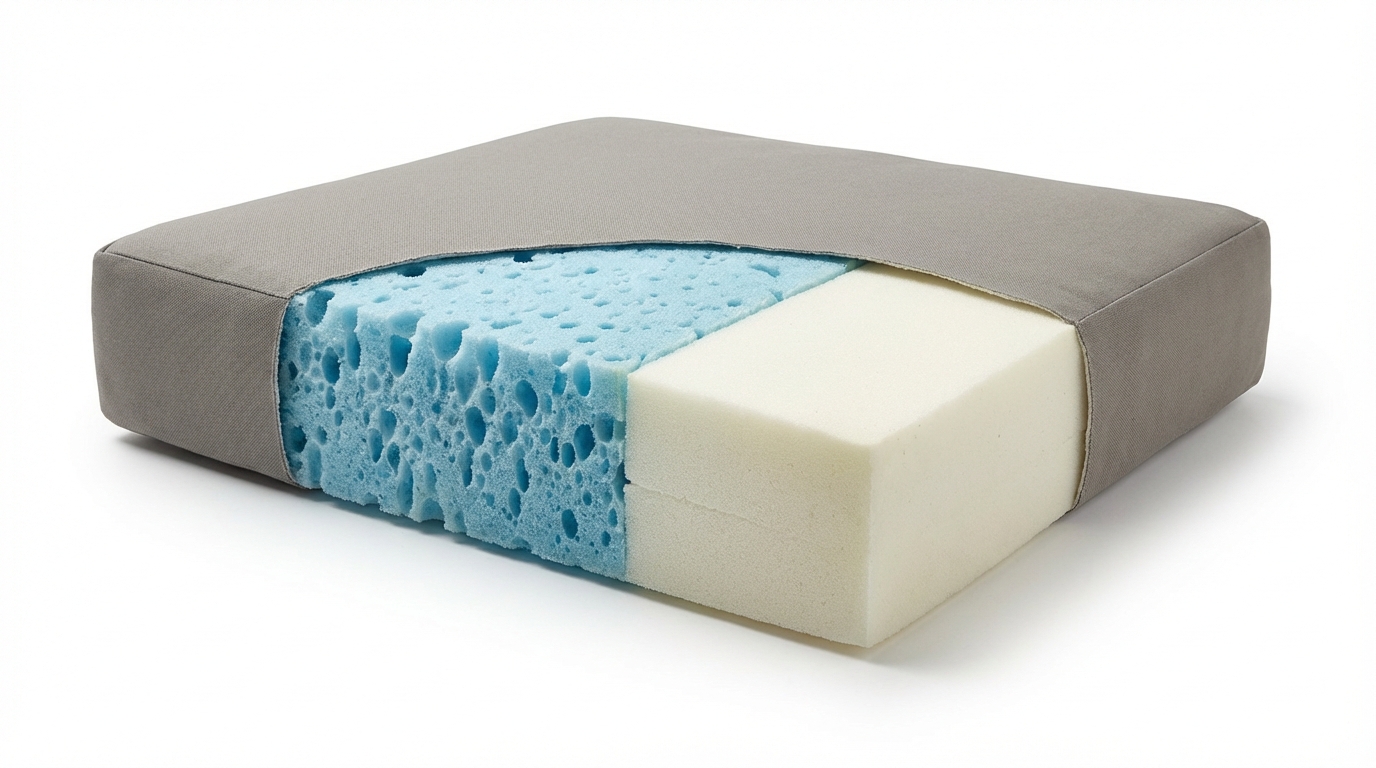
Importers often struggle with how to clean outdoor furniture cushions because the fabric and the internal foam have different requirements for moisture management and drying. Most high-end outdoor fabrics are solution-dyed acrylics that are water-repellent, but this coating can be broken down by harsh detergents or machine washing with high-heat cycles. To reduce why wooden furniture warps related claims, ensure that cushions are always removed from wooden frames during cleaning to prevent trapped moisture.
Preserving Water Repellent Coatings
Maintaining the performance of outdoor textiles requires a gentle cleaning protocol that removes stains without stripping the chemical treatment that makes the fabric hydrophobic.
Look:
- Spot cleaning with a mixture of mild soap and lukewarm water is the preferred method for dealing with localized spills and marks.
- For deep cleaning, soaking the removable covers in a gentle solution is acceptable, but they must always be air-dried to prevent shrinkage.
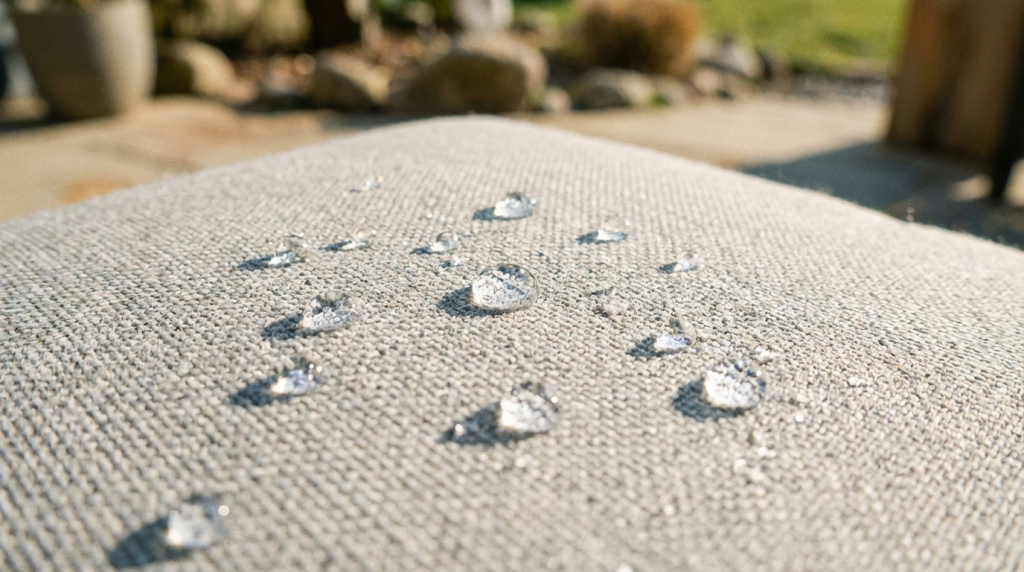
- Re-applying a fabric protectant spray after a deep clean helps restore the original water-beading properties of the textile.
The comparison below helps procurement managers choose the right fabric specifications based on the expected maintenance capabilities of their clients.
| Fabric Spec | Buyer Confirmed | Maintenance Benefit |
|---|---|---|
| Solution Dyed | Yes | Resists bleach and UV fading |
| Polyester | No | Prone to mold and sun rot |
| Removable Covers | Yes | Allows for deep machine washing |
Wait, there’s more.
Key Takeaway: Prioritize spot cleaning and air-drying for all outdoor fabrics to maintain their structural integrity and water-repellent functionality.
IX. How to Clean Outdoor Furniture for Storage
The final stage of how to clean outdoor furniture occurs just before seasonal storage, where every component must be sanitized and completely dried to prevent the growth of mold. Storing furniture with even a small amount of residual moisture can lead to an entire container or warehouse of stock being ruined by “foxing” or fungal rot within a single winter. Professional importers often use desiccant packs and breathable covers to maintain a stable micro-environment for their inventory during the off-season.
Winterization and Long-Term Protection
Successful storage begins with a deep clean that removes all organic sugars and oils that could attract pests or provide a food source for mold.
Here is the kicker:
- Ensuring that wooden joints are completely dry prevents the expansion and contraction that leads to structural loosening during temperature swings.
- Covering furniture with breathable materials, rather than non-porous plastic, allows for air circulation that prevents condensation buildup.
- Stacking items correctly as per the furniture inspection workflow prevents pressure marks and mechanical damage to the finishes.
Use the summary table below to prepare your warehouse or retail staff for the seasonal transition of outdoor inventory.
| Storage Step | Necessity | Primary Reason |
|---|---|---|
| Full Deep Clean | Mandatory | Removes mold food sources |
| Full Drying | Mandatory | Prevents rot and warping |
| Protective Cover | Recommended | Blocks dust and UV damage |
The logic is clear.
Key Takeaway: Never store outdoor furniture until it is 100% dry and free of organic debris to avoid catastrophic mold damage during the winter months.
X. Pro Tips on How to Clean Outdoor Furniture
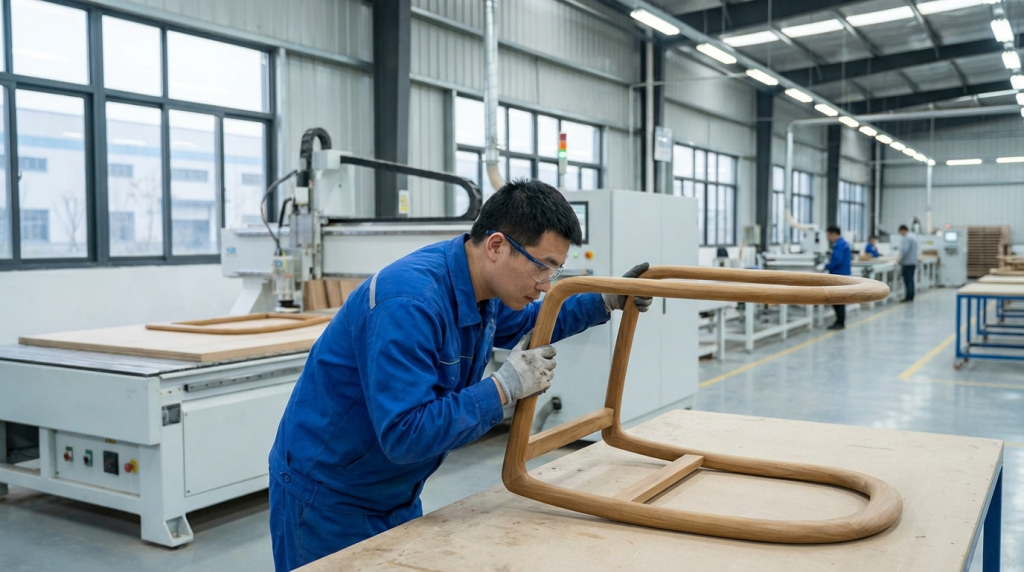
Mastering how to clean outdoor furniture on a commercial scale involves using predictive maintenance and quality assurance checks to catch small issues before they become expensive returns. As an expert manufacturer, we recommend that procurement managers conduct quarterly spot-checks on their stocked items to ensure that storage conditions are not causing premature degradation. Educating your customers on these pro-tips not only reduces claims but also increases the perceived value of your brand in a competitive market.
Implementing a Quality Assurance Loop
A proactive maintenance strategy relies on a feedback loop where cleaning staff report minor defects like loose hardware or chipped finishes to the procurement team.
It’s actually quite simple:
- Keeping a log of cleaning cycles for large commercial installations helps identify which materials are performing best in specific climates.
- Encouraging the use of pH-neutral soaps across the board simplifies the supply chain and reduces the risk of chemical accidents.
- Providing a “care-kit” with every wholesale order can drastically reduce the volume of after-sales complaints related to surface maintenance.
The following table summarizes the buyer confirmation steps for a professional-grade outdoor maintenance program.
| Requirement | Buyer Confirmed | Impact on ROI |
|---|---|---|
| Care Guide Provided | Yes | Lower return rates |
| pH-Neutral Supply | Yes | Longer product lifespan |
| Quarterly Audits | Yes | Reduced warranty claims |
Why does this matter?
Key Takeaway: Education is the best form of maintenance; by providing clear guidelines, you protect both the furniture and your long-term profit margins.
Frequently Asked Questions
Can I use a pressure washer on all outdoor furniture?
No, you should only use pressure washers on non-porous materials like HDPE or metal at low settings; using them on wood will splinter the fibers and destroy the factory-applied finish.
What’s the best way to remove bird droppings from rope furniture?
The best method is to let the droppings dry, gently scrape them off with a plastic tool, and then use a soft-bristle toothbrush with mild soapy water to clean the remaining residue.
How do I know if the wood needs to be re-oiled?
You can tell wood needs oiling when water no longer beads on the surface or when the color begins to fade to a dull gray, indicating that the protective surface oils have evaporated.
Final Check
Proper maintenance is the ultimate bridge between a successful purchase and a long-term commercial partnership. By educating your clients on how to clean outdoor furniture without causing damage, you ensure that every piece of Shandong-crafted excellence retains its value. We are committed to supporting your business with stable quality and worry-free shipments for every project.
Our vision at EverWoody is to provide more than just furniture; we provide the technical foundation for your success. If you have questions about material durability or need a quote for your next collection, please contact us to discuss your specific requirements today.