
A rubberwood piece can look cost-effective at first, but the real risk appears after moisture, dents, loose joints, or finish failure start affecting daily use.
Rubberwood furniture disadvantages mainly include moisture sensitivity, easier denting than harder woods, finger-jointed panels, limited outdoor use, and quality differences caused by drying, treatment, finishing, and assembly. This article explains when those weaknesses matter, when rubberwood furniture still works well, and how to judge the risk before choosing it.
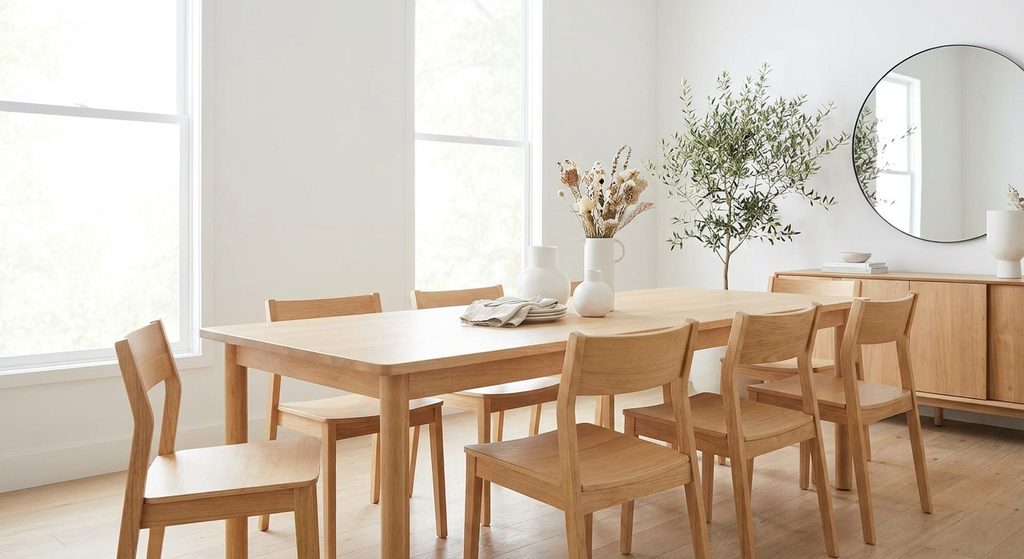
I. What Are the Main Disadvantages of Rubberwood Furniture?
The main disadvantages of rubberwood furniture are moisture sensitivity, moderate dent resistance, visible or stressed finger-jointed panels, limited outdoor suitability, and uneven quality when drying or finishing is poorly controlled. These issues do not make rubberwood furniture unusable, but they make it more dependent on the right room, structure, surface protection, and production control.
1. Moisture Can Cause More Trouble Than Daily Use
Moisture is often the biggest weakness because rubberwood furniture is usually designed for dry indoor conditions, not repeated humidity, wet floors, steam, or outdoor exposure. When moisture reaches exposed edges, panel seams, unfinished undersides, or weakly sealed joints, the wood may swell, the finish may weaken, and small movement can become visible over time.
2. The Surface Can Dent or Mark More Easily
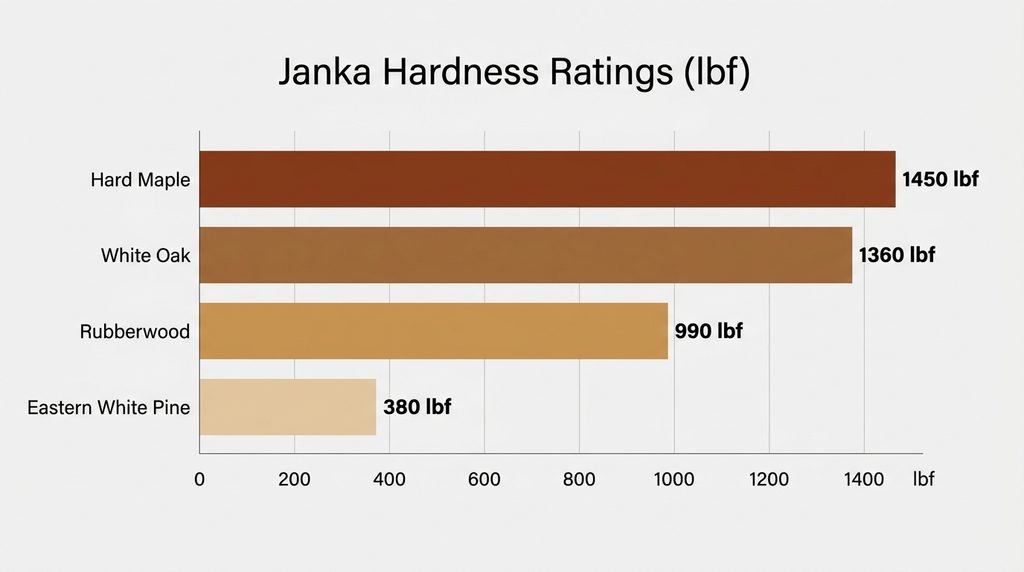
Rubberwood is a real hardwood, but it is not as dent-resistant as denser woods such as oak, maple, or many premium hardwoods. In normal indoor use, this may be acceptable, but tabletops, chair seats, drawer fronts, kids’ furniture, and exposed corners can show pressure marks faster when the finish is thin or daily handling is rough.
Common weak points often include:
- Table edges and corners
- Chair seats and back supports
- Cabinet doors and drawer fronts
- Large glued panels
- Bed frames or parts under repeated load
- Kids’ furniture and high-contact surfaces
3. Processing Quality Decides Whether the Disadvantages Stay Minor or Become Serious
Rubberwood furniture problems are rarely caused by the wood species alone. They usually become serious when drying, treatment, glue quality, panel construction, edge sealing, or finishing is inconsistent. A well-made piece can stay stable in a dry indoor room, while a poorly processed piece may show cracks, open joints, uneven color, or finish failure.
| Disadvantage | Why It Matters | What Usually Increases the Risk |
|---|---|---|
| Moisture sensitivity | Can lead to swelling, finish failure, or wood movement | Damp rooms, weak sealing, poor ventilation |
| Easier dents | Surface may mark faster than harder woods | Thin finish, heavy impact, rough daily use |
| Finger-jointed panels | Joints may become visible or stressed | Poor glue, unstable moisture, large panels |
| Warping or cracking | Shape changes may appear over time | Poor drying, humidity swings, exposed edges |
| Limited outdoor use | Not naturally suited to wet exposure | Rain, sunlight, ground moisture, weak coating |
| Quality variation | Similar-looking pieces may perform differently | Inconsistent drying, treatment, assembly, or finish |
Key Takeaway: Rubberwood furniture is not weak by default, but moisture, wear, joints, and processing decide the risk.
II. Is Rubberwood Furniture Good or Bad Despite These Disadvantages?
Rubberwood furniture can still be a good choice despite its disadvantages when it is used indoors, properly dried, well finished, and built with stable joints. The real problem begins when buyers expect rubberwood to perform like harder, denser, or more moisture-resistant woods in every situation. Its value depends on whether the finished product fits the room, usage level, and quality expectation.
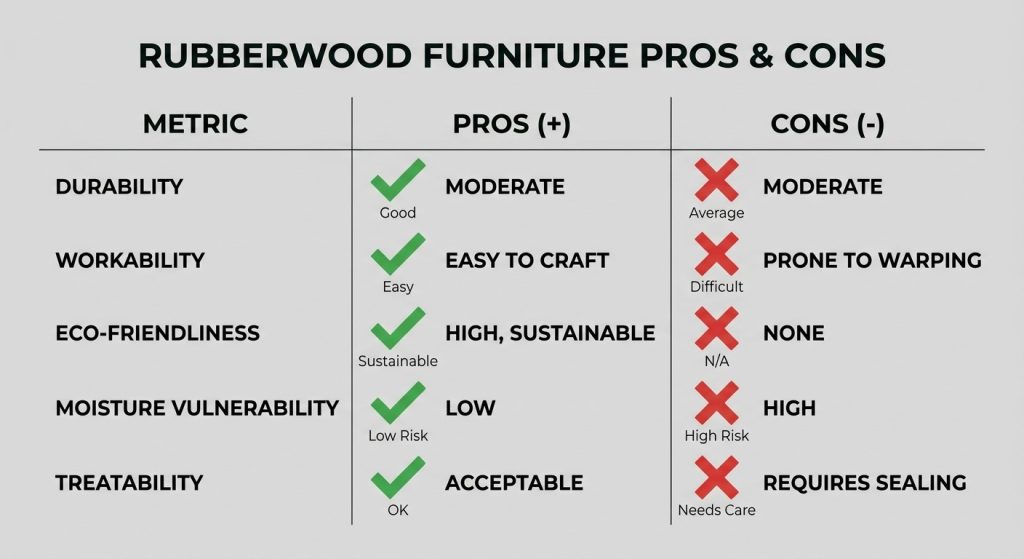
1. It Is a Practical Wood, Not a Luxury Hardwood Substitute
Rubberwood works well for many indoor furniture pieces because it is real wood, has a light appearance, and is usually more affordable than oak, walnut, maple, or teak. It is often a practical choice for dining sets, cabinets, shelves, and bed frames, but it should not be judged as a direct substitute for harder luxury hardwoods. If the project requires a stronger comparison across wood types, this guide to the best wood for furniture can help frame the decision more clearly.
2. It Performs Best When Expectations Are Realistic
The mistake is not choosing rubberwood; the mistake is choosing it for the wrong performance target. In dry bedrooms, dining rooms, living rooms, and normal residential use, rubberwood can perform well when construction and finish are controlled. In wet rooms, outdoor spaces, rough-use areas, or heavy commercial settings, the same material may show its limits much faster.
3. The Final Quality Depends on the Finished Product
Two rubberwood furniture pieces can look similar online, but perform very differently after months of use. The difference often comes from drying control, panel construction, glue quality, sanding, sealing, finish thickness, and how much stress the design places on joints. This is why the final judgment should focus on the finished product, not only on whether the furniture is described as rubberwood.
| Situation | Rubberwood Furniture Judgment | Reason |
|---|---|---|
| Dry indoor home use | Usually reasonable | Moisture exposure is controlled |
| Budget-friendly solid wood furniture | Often suitable | Real wood value at lower cost |
| Heavy-use tabletops | Use with caution | Dents and finish wear may appear |
| Bathrooms or laundry rooms | Not ideal | Humidity increases movement risk |
| Outdoor or semi-outdoor use | Usually not recommended | Rubberwood is not naturally weather-resistant |
| Large load-bearing structures | Depends on design | Joint and panel stability matter more |
| Premium hardwood appearance | Not the best match | Grain and hardness differ from oak or walnut |
Key Takeaway: Rubberwood furniture works when expectations match the material.
III. Why Is Rubberwood Furniture Sensitive to Moisture, Rot, and Damp Conditions?
Moisture sensitivity is one of the most important disadvantages of rubberwood furniture because the wood depends on proper drying, treatment, sealing, and indoor use conditions. Rubberwood is not a naturally outdoor-durable wood, so damp rooms, repeated humidity changes, weak coatings, or exposed areas can increase the risk of swelling, staining, insect damage, or decay. For the material background, see this guide on what rubberwood is.
1. Untreated or Poorly Treated Rubberwood Carries Higher Risk
Rubberwood needs timely drying and treatment before it becomes a stable furniture material. If the wood is stored poorly, treated too late, or used before moisture levels are controlled, later problems may appear as staining, insect damage, panel movement, or weak glue lines. This risk is lower when the material is kiln-dried, protected before machining, and stored under controlled conditions before production.
2. Damp Conditions Can Turn Small Weaknesses Into Visible Problems
Moisture problems usually start at exposed edges, panel seams, screw holes, unfinished undersides, or areas where the coating is thin. Once water vapor or liquid moisture enters repeatedly, rubberwood furniture may show swelling, finish lifting, joint movement, musty odor, or surface discoloration. The damage often looks like a material failure, but the real cause is usually moisture exposure combined with weak protection.
Moisture-related risk is higher when the furniture is used in:
- Bathrooms or laundry rooms
- Poorly ventilated kitchens
- Sunrooms with condensation
- Covered patios or semi-outdoor spaces
- Rooms with frequent floor moisture
- Storage areas without stable humidity
3. Treatment and Environment Decide the Real Risk Level
Rubberwood should not be judged only by the wood name. A properly dried, treated, sealed, and finished piece used in a dry indoor room has a much lower risk than a poorly processed piece placed near moisture, steam, sunlight, or unstable humidity. The key question is whether the production process and use environment match the material’s moisture limits.
| Risk Factor | Low-Risk Condition | High-Risk Condition |
|---|---|---|
| Wood drying | Controlled moisture content before production | Wood used before it stabilizes |
| Treatment | Proper anti-fungal or preservation process | Untreated or poorly stored material |
| Finish | Sealed surfaces and protected edges | Thin coating or exposed end grain |
| Room condition | Dry, ventilated indoor space | Damp, humid, or poorly ventilated room |
| Use pattern | Normal residential use | Frequent spills, steam, or wet cleaning |
| Panel design | Stable panels with controlled joints | Large panels under moisture and stress |
Key Takeaway: Moisture risk is usually caused by poor treatment, weak sealing, or the wrong room.
IV. Does Rubberwood Furniture Dent or Scratch Easily?
Rubberwood furniture can dent or scratch more easily than furniture made from harder woods such as oak, maple, or some dense tropical hardwoods. This is one of the practical disadvantages of rubberwood furniture for tabletops, chair seats, drawer fronts, and children’s furniture. The risk depends on wood hardness, finish strength, edge design, and how often the surface receives impact or friction.
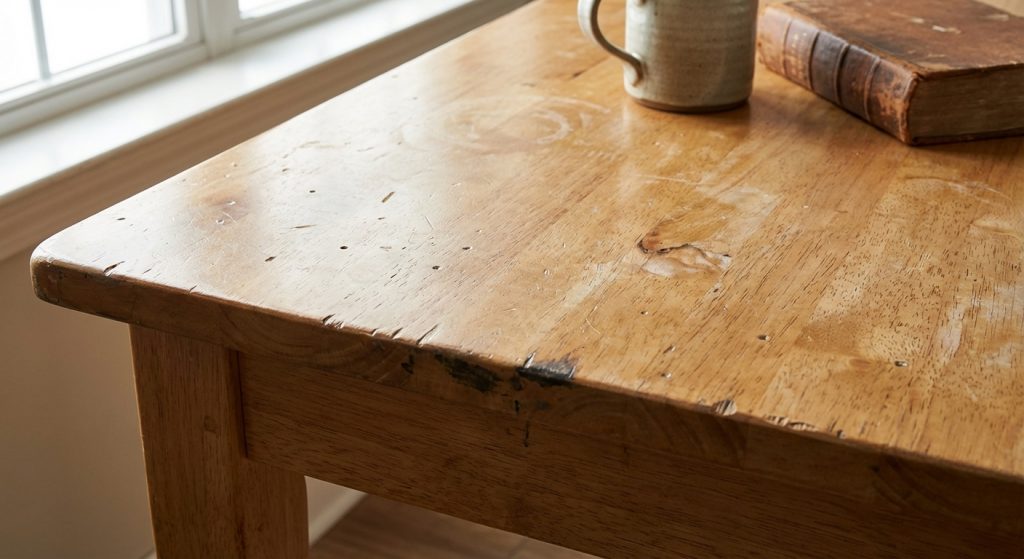
1. Rubberwood Has Moderate Hardness
Rubberwood is a real hardwood, but “hardwood” does not always mean highly resistant to dents. It can handle normal indoor use, but sharp objects, dropped items, dragged tableware, and repeated pressure may leave visible marks faster than on denser wood species. This matters most when the furniture is expected to stay clean-looking under frequent daily contact.
2. High-Contact Surfaces Show Wear First
Dents and scratches usually appear first where hands, objects, or body weight touch the furniture most often. Table edges, chair seats, drawer fronts, cabinet doors, and bed frame corners are more exposed than decorative panels. For kids’ furniture, surface durability and rounded edge protection matter even more because daily use is usually rougher and less predictable.
Surface damage risk is higher on:
- Dining table tops
- Chair seats and backrests
- Desk and vanity tops
- Toy storage or kids’ furniture
- Cabinet doors near handles
- Bed frame corners and exposed edges
3. Finish Helps, But It Cannot Change the Wood Itself
A stronger finish can reduce light scratches, stains, and cleaning marks, but it cannot fully change rubberwood’s natural dent resistance. If the furniture will face heavy impact, rough cleaning, or commercial-level wear, the buyer should judge both the wood and the finish system. A thick, even coating helps, but weak sanding, thin topcoat, or sharp edges can still make marks appear faster.
| Use Area | Dent or Scratch Risk | What to Check |
|---|---|---|
| Dining table top | Medium to high | Finish thickness, edge protection, daily use level |
| Chair seat | Medium | Surface coating and expected pressure |
| Cabinet door | Medium | Handle area, coating hardness, cleaning method |
| Bed frame corner | Medium | Edge design and impact exposure |
| Decorative shelf | Low to medium | Load level and surface contact |
| Kids’ furniture | Higher | Impact resistance and easy-clean finish |
Key Takeaway: Rubberwood handles normal use, but high-contact surfaces need stronger finish and edge protection.
V. Do Finger-Jointed Panels Make Rubberwood Furniture Weaker?
Finger-jointed panels do not automatically make rubberwood furniture weaker, but they can become one of the disadvantages of rubberwood furniture when glue quality, moisture control, panel layout, or load direction is poorly managed. Rubberwood is often joined into larger boards because available timber pieces are limited in size. The real question is whether the jointed panel fits the furniture part and the stress level.
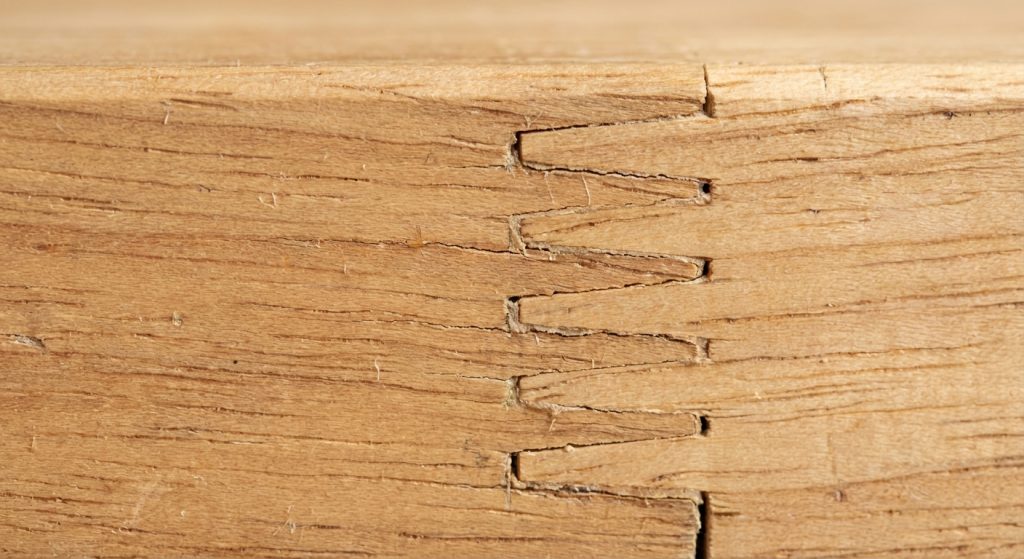
1. Finger Joints Are Common in Rubberwood Furniture
Many rubberwood tabletops, shelves, cabinet panels, and bed components are made by joining smaller wood pieces into larger boards. This construction can be stable when the wood is dried properly and the joints are glued under good control. The concern is not simply that joints exist, but whether they create visible color variation, uneven grain direction, or weak points in parts that carry stress.
2. Joint Quality Matters More Than the Label “Solid Wood”
A product can be described as solid rubberwood while still using finger-jointed boards, and that does not automatically make it fake wood. The problem starts when buyers assume every “solid wood” product has the same structure, strength, or appearance. For a broader material comparison, this guide on solid wood and engineered wood explains how construction affects long-term furniture performance.
3. Large Panels and Load-Bearing Parts Need Closer Review
Finger-jointed construction needs more attention when the panel is large, carries load, or connects with screws, bolts, or frame parts. A decorative shelf does not face the same stress as a bed rail, dining table top, or structural cabinet side. The safest judgment is to check where the jointed panel is used, how it is supported, and whether the finish protects exposed edges.
| Furniture Part | Finger-Joint Risk Level | Main Concern |
|---|---|---|
| Dining table top | Medium to high | Visible joints, panel movement, surface flatness |
| Cabinet side panel | Medium | Stability, screw holding, edge sealing |
| Bed rail or support part | Higher | Load direction and joint strength |
| Shelf panel | Medium | Sagging, glue quality, moisture movement |
| Drawer front | Low to medium | Appearance and finish consistency |
| Decorative panel | Lower | Mainly visual consistency |
Key Takeaway: Finger joints are safe when well-made, but risky in poorly controlled large or load-bearing parts.
VI. Can Rubberwood Furniture Warp or Crack Over Time?
Rubberwood furniture can warp or crack over time when drying, sealing, panel construction, or room humidity is poorly controlled. This is one of the rubberwood furniture problems that usually appear after use, not immediately after purchase. The risk is higher in wide panels, exposed edges, damp rooms, or furniture that moves between very different humidity conditions.
1. Warping Usually Starts With Moisture Imbalance
Warping often happens when one side of a panel absorbs or loses moisture faster than the other side. Wide tabletops, cabinet sides, shelves, and door panels are more sensitive because uneven movement can slowly pull the board out of shape. The problem may start small, but it can affect gaps, door alignment, surface flatness, and overall appearance.
2. Cracking Often Comes From Stress and Dryness
Cracking is usually linked to uneven drying, restricted wood movement, weak panel design, or sudden changes in room conditions. Heat, direct sunlight, dry airflow, or poor storage can increase internal stress, especially on large panels or exposed edges. Rubberwood is not the only wood that can crack, but poor moisture control makes the problem easier to trigger.
3. Sample Stability Does Not Always Prove Bulk Stability
A sample can look stable because it is only one piece, made under closer attention, or checked before long-term movement appears. In bulk production, problems may still happen if drying time, panel storage, glue pressing, sealing, or assembly control is inconsistent. For larger orders or repeated models, the key is whether the same stability can be repeated across batches.
| Cause | Possible Result | What Reduces the Risk |
|---|---|---|
| Uneven drying | Warping or internal stress | Controlled moisture content |
| Exposed edges | Moisture entry and movement | Proper edge sealing |
| Large glued panels | Shape change over time | Stable panel construction |
| Heat or direct sun | Drying cracks or finish stress | Better placement and coating |
| Humidity swings | Expansion and contraction | Stable indoor environment |
| Poor assembly design | Joint stress or cracking | Allowance for wood movement |
Key Takeaway: Warping and cracking usually come from moisture imbalance and poor control.
VII. Is Rubberwood Furniture Suitable for Outdoor or Damp Rooms?
Rubberwood furniture is usually not suitable for outdoor spaces, damp rooms, or areas with repeated moisture exposure. The disadvantages of rubberwood furniture are often underestimated because the furniture may look stable when new. The real issue is long-term humidity, direct water contact, weak ventilation, sunlight, and exposed edges, rather than occasional cleaning.
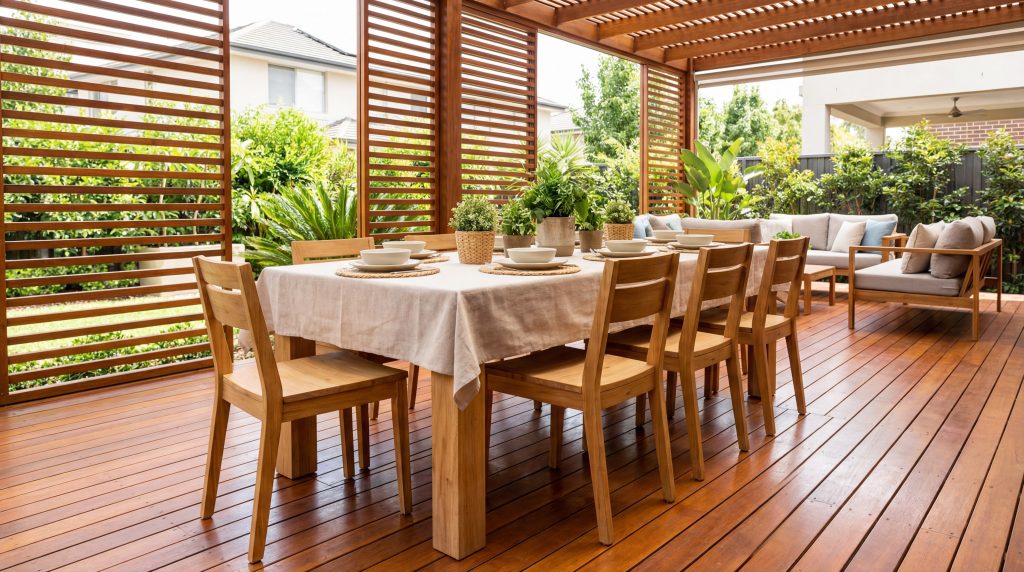
1. Outdoor and Semi-Outdoor Use Increases the Risk
Rubberwood furniture is mainly designed for dry indoor use, not rain, ground moisture, or changing outdoor conditions. Even covered patios, balconies, and sunrooms can create problems if the furniture faces condensation, sunlight, or repeated temperature swings. Once the finish weakens or exposed edges absorb moisture, panel movement and surface damage become harder to control.
2. Damp Rooms Can Stress the Wood and Finish
Bathrooms, laundry rooms, and poorly ventilated kitchens can expose rubberwood furniture to steam, spills, and humidity changes. These conditions may weaken finish protection, increase wood movement, and make joints, screw holes, or lower edges more vulnerable over time. The risk is especially high when the furniture sits near wet floors, walls, sinks, or appliances that create heat and moisture.
Damp-room risk is higher when the furniture has:
- Unsealed undersides
- Exposed end grain
- Thin or damaged finish
- Poor edge sealing
- Frequent contact with wet floors
- Limited airflow around the furniture
3. Dry Indoor Rooms Are Usually More Suitable
Rubberwood furniture is usually more suitable for bedrooms, dining rooms, living rooms, studies, and other dry indoor spaces. The better question is not only “which room,” but whether the furniture will face stable humidity, good ventilation, limited direct moisture, and reasonable surface wear. A dining table may work well indoors, while the same material can become risky in a humid covered patio.
| Use Location | Suitability | Main Risk |
|---|---|---|
| Bedroom | Good | Low moisture exposure |
| Living room | Good | Normal indoor wear |
| Dining room | Usually good | Spills and tabletop wear |
| Home office | Good | Surface scratches on desks |
| Bathroom | Poor | Steam, humidity, water contact |
| Laundry room | Poor | Moisture and poor ventilation |
| Covered patio | Risky | Outdoor humidity and sunlight |
| Fully outdoor area | Not recommended | Rain, UV, ground moisture |
Key Takeaway: Rubberwood furniture belongs in dry indoor spaces, not damp or outdoor conditions.
VIII. Can Treatment and Finishing Reduce Rubberwood Furniture Problems?
Treatment and finishing can reduce some of the disadvantages of rubberwood furniture, especially moisture absorption, surface staining, and light daily wear. However, finishing cannot fully fix unstable drying, weak glue lines, poor panel design, or the wrong use environment. A good coating system protects the furniture better, but the wood and construction must already be stable before finishing starts.
1. Proper Treatment Starts Before Finishing
Rubberwood furniture performance starts before stain, paint, or clear coat is applied. If the wood is not dried, stored, and treated properly, later finishing may only hide the risk for a short time. Problems such as panel movement, joint stress, fungal staining, or finish lifting often come from earlier material handling, not from the final coating alone.
2. Finishing Helps Control Moisture and Surface Wear
Sealing, sanding, conditioning, staining, painting, and topcoat application all affect how rubberwood furniture handles daily use. A well-applied finish can reduce moisture entry, make cleaning easier, and protect the surface from light scratches or stains. The weak points are usually exposed edges, thin coating, rough sanding, and areas where water or impact reaches the wood repeatedly.
Finish-related risks often appear as:
- Blotchy stain color
- Raised grain
- Weak edge protection
- Surface scratches
- Peeling or lifting finish
- Stains around joints or corners
3. Finish Quality Must Match the Use
Different rubberwood furniture pieces need different finish priorities. A decorative shelf may only need a clean, even surface, while a dining table, kids’ chair, or cabinet near a kitchen needs stronger protection against contact, cleaning, and moisture. The finish should match the expected use, not just the color or style requested.
| Finish Factor | Why It Matters | Higher-Risk Situation |
|---|---|---|
| Sanding quality | Affects smoothness and stain absorption | Uneven color or rough touch |
| Sealing | Reduces moisture entry | Exposed edges or undersides |
| Topcoat strength | Protects against wear and cleaning | Tabletops and high-contact areas |
| Paint coverage | Hides grain but needs adhesion | Peeling on edges or corners |
| Stain control | Prevents blotchy appearance | Light finishes and visible panels |
| Edge finishing | Protects vulnerable areas | Doors, panels, and table edges |
Key Takeaway: Finish helps only when the wood, joints, and use environment are already suitable.
IX. How Can You Check Rubberwood Furniture Quality Before Choosing It?
You can check rubberwood furniture quality by looking beyond the material name and reviewing structure, drying, joints, panels, finish, and intended use. Many disadvantages of rubberwood furniture become serious only when the product is poorly processed or used in the wrong environment. A better-quality piece should make the material, construction, and finish easy to understand before purchase.
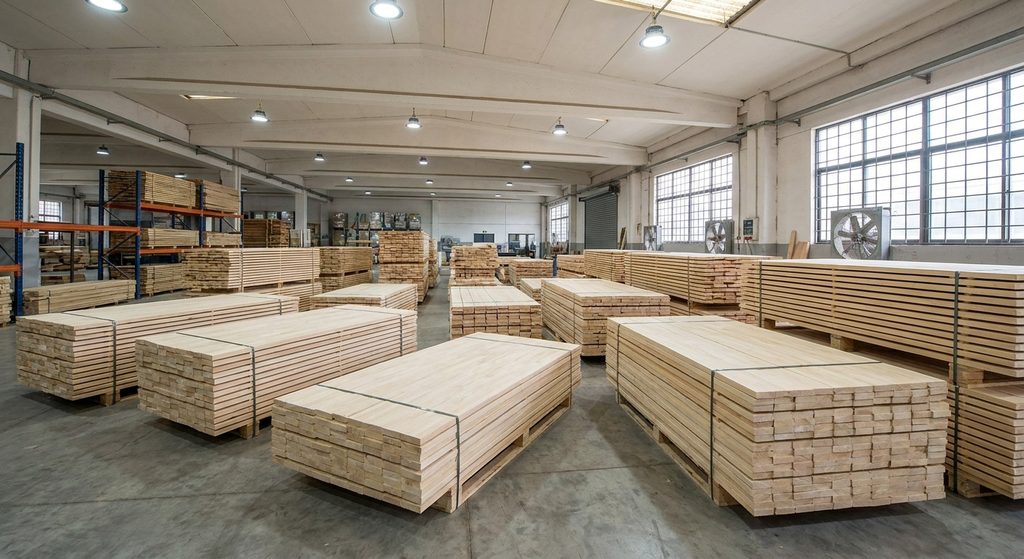
1. Check the Material Structure First
Rubberwood furniture may use solid rubberwood, finger-jointed rubberwood, veneer, or engineered board cores. These structures are not the same, so buyers should not rely only on product photos or the word “wood.” A clear product description should explain where rubberwood is used, whether large panels are jointed, and whether any hidden core material is involved.
2. Match the Construction to the Furniture Part
The same rubberwood structure can be acceptable in one furniture part and risky in another. Drawer fronts, decorative panels, and light shelves do not carry the same stress as tabletops, bed rails, chair frames, or cabinet side panels. Load-bearing parts, wide boards, and high-contact surfaces need stronger support, better joint control, and more reliable sealing.
Quality checks should include:
- Solid rubberwood or veneer/core structure
- Finger-joint position and visibility
- Glue line quality
- Panel flatness
- Edge sealing
- Finish thickness and smoothness
- Screw and joint reinforcement
- Intended room and use condition
3. Ask Questions That Expose Real Performance Risk
A useful quality check should reveal whether the furniture can stay stable after months of use, not just whether it looks good in photos. Ask about drying control, panel construction, finish protection, sample-to-bulk consistency, and the room or usage condition the product is designed for. These questions separate normal rubberwood limits from avoidable quality problems.
| Checkpoint | Why It Matters | Better Sign |
|---|---|---|
| Wood structure | Determines strength and appearance | Clear material description |
| Moisture control | Reduces warping and cracking | Stable, properly dried panels |
| Joint quality | Affects long-term stability | Clean glue lines and tight assembly |
| Panel design | Controls movement and stress | Suitable thickness and support |
| Finish system | Protects surface and edges | Smooth, sealed, even coating |
| Use environment | Prevents wrong placement | Dry indoor use match |
| Sample vs bulk | Shows repeatability | Consistent construction and finish |
Key Takeaway: Good rubberwood furniture depends on structure, drying, joints, finish, and use conditions.
X. When Is Rubberwood Furniture Not the Right Choice?
Rubberwood furniture is not the right choice when the project needs outdoor durability, strong water resistance, high dent resistance, premium hardwood appearance, or heavy commercial performance. These disadvantages of rubberwood furniture do not make the material useless, but they create clear limits. It works best when the furniture design, finish, room condition, and price expectation all match its real performance level.
1. Avoid Rubberwood in High-Risk Conditions
Rubberwood is usually a poor fit for fully outdoor spaces, damp rooms, wet floors, and furniture that must tolerate constant spills, steam, or sunlight. It is also less suitable when buyers expect very strong dent resistance, deep luxury hardwood grain, or long-term performance under heavy commercial use. In these cases, a harder or more moisture-resistant material is usually safer.
2. Choose Rubberwood When the Use Case Is Realistic
Rubberwood can still be a practical choice for dry indoor furniture, budget-conscious solid wood projects, light wood finishes, and products where structure and surface protection are properly controlled. It works better when the buyer understands its limits instead of treating it as a universal replacement for oak, teak, or other higher-durability woods. The best use cases are stable indoor rooms with normal residential wear.
3. Make the Final Decision by Risk Level
The final decision should not be “rubberwood is good” or “rubberwood is bad.” A better approach is to match the material to the room, use intensity, finish requirement, and expected service life. For indoor furniture projects, material choice, room conditions, structure, and finish should be reviewed together before confirming any residential furniture design or order.
| Requirement | Rubberwood Fit | Better Decision |
|---|---|---|
| Dry indoor furniture | Good | Rubberwood can work well |
| Budget-friendly real wood | Good | Check finish and joints |
| Light wood appearance | Good | Use clear or controlled finish |
| Heavy-impact surface | Caution | Compare harder woods |
| Bathroom or laundry use | Poor | Choose more moisture-resistant material |
| Outdoor furniture | Poor | Use outdoor-suitable wood or material |
| Premium hardwood look | Limited | Consider oak, walnut, or ash |
| Large production project | Depends | Confirm structure, drying, and finish control |
Key Takeaway: Rubberwood is suitable only when its limits match the room, use, and quality target.
FAQ
What are the biggest disadvantages of rubberwood furniture?
The biggest rubberwood furniture disadvantages are moisture sensitivity, easier denting than harder woods, limited outdoor suitability, visible or stressed finger-jointed panels, and quality variation caused by poor drying, treatment, finishing, or assembly.
Is rubberwood furniture good quality?
Rubberwood furniture can be good quality when the wood is properly dried, treated, joined, sealed, and finished. The problem is that similar-looking pieces can perform very differently, so quality should be judged by construction, finish, and use environment rather than the material name alone.
Does rubberwood furniture scratch, dent, warp, or crack easily?
Rubberwood furniture can scratch or dent more easily than oak or maple, especially on high-contact surfaces. It can also warp or crack if drying, sealing, panel construction, or room humidity is poorly controlled.
Is rubberwood furniture waterproof or suitable for outdoor use?
Rubberwood furniture is not waterproof and is usually not suitable for outdoor use. Repeated water exposure, steam, wet floors, sunlight, or outdoor humidity can increase the risk of swelling, finish lifting, joint movement, or decay.
How long will rubberwood furniture last?
Rubberwood furniture can last for years in dry indoor spaces when the wood is properly processed, sealed, and used under normal conditions. Its lifespan becomes shorter when the furniture is exposed to moisture, rough surface wear, weak joints, poor finishing, or unstable humidity.
Final Check
Rubberwood furniture is not a poor choice by default, but it needs the right room, finish, structure, and quality control. Its main risks come from moisture, dents, joints, and inconsistent processing. As a wooden furniture manufacturer, EverWoody can help review whether rubberwood fits your project or whether another wood option would reduce long-term risk.