
Rubberwood furniture is often marketed as an affordable hardwood. But many problems only appear after use. In humid environments, it can warp or crack. Under load, some pieces lose stability faster than expected.
Rubberwood is a medium-density hardwood. It is not as strong or moisture-resistant as woods like oak or teak. This limits where it can be safely used.
In some applications, it performs well. In others, it leads to early failure and replacement costs.
This guide explains the real disadvantages of rubberwood furniture, focusing on where it fails, where it works, and what buyers often miss before ordering.
I. Does Rubberwood Furniture Warp or Crack Easily?
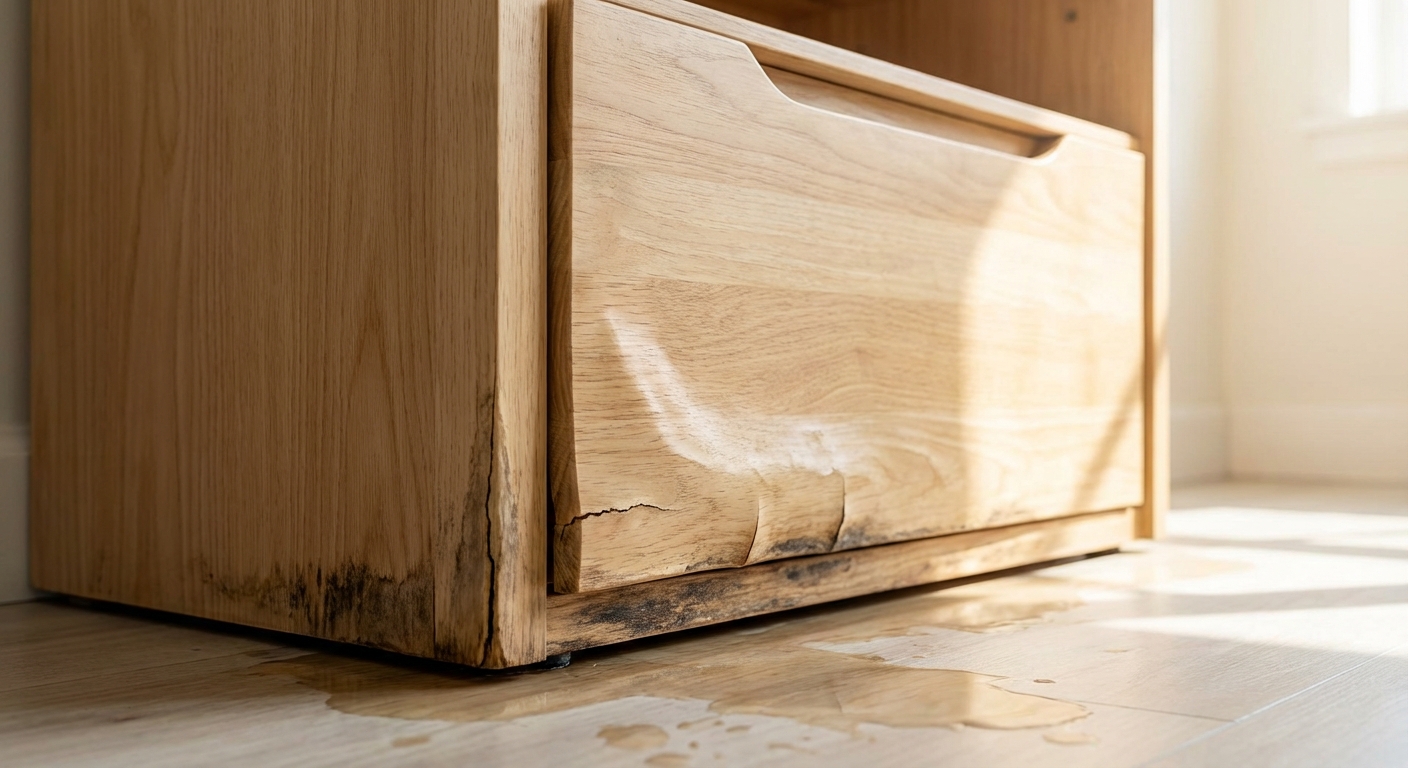
Rubberwood furniture can warp or crack if the moisture content is not properly controlled during production. Rubberwood absorbs moisture quickly, which leads to swelling, shrinkage, and long-term structural instability. In uncontrolled humidity, this often results in cracked panels, stuck drawers, and loosened joints.
Cellular Porosity and Water Retention
Because rubberwood is a diffuse-porous hardwood, it possesses a vascular system that remains highly receptive to atmospheric moisture even after the kiln-drying process. This means that rubberwood furniture requires a superior seal and finish to prevent the fibers from absorbing water vapor, which is the leading cause of “checking” or surface cracks. Without a high-quality polyurethane or lacquer coating, the wood remains vulnerable to the natural expansion and contraction cycles of the seasons.
The Risk of Hydroscopic Movement
In regions with fluctuating weather patterns, the constant movement of rubberwood furniture fibers can lead to significant structural stress at the points where different components meet. You might notice that a perfectly leveled table in the showroom becomes wobbly after six months of use in a humid coastal environment. This movement is often more pronounced than in solid wood constructions or materials designed with cross-laminated structures to reduce natural grain movement. This difference becomes clearer when comparing solid wood and engineered wood in terms of stability and structural behavior.
Preventing Swelling in Exported Goods
When sourcing for international markets, you must ensure your manufacturer employs precise kiln-drying schedules that achieve a “balanced” moisture content. For high-end indoor furniture applications, rubberwood must be conditioned to match the average humidity of the destination country to minimize post-purchase defects.
But there is more.
The comparison below highlights the judgment between rubberwood and engineered plywood regarding their stability in humid conditions.
| Material Property | Rubberwood (Solid) | Engineered Plywood | Winner for Stability |
|---|---|---|---|
| Expansion Rate | High (3-5%) | Minimal (<1%) | Engineered Plywood |
| Warp Resistance | Moderate | High | Engineered Plywood |
| Moisture Sensitivity | High | Low (if sealed) | Engineered Plywood |
The bottom line? Rubberwood requires much more careful environmental management.
Key Takeaway: Ensure all rubberwood furniture is treated with professional-grade moisture barriers and that kiln-drying matches the target market’s climate to prevent warping.
II. Is Rubberwood Furniture Too Soft for Daily Use?
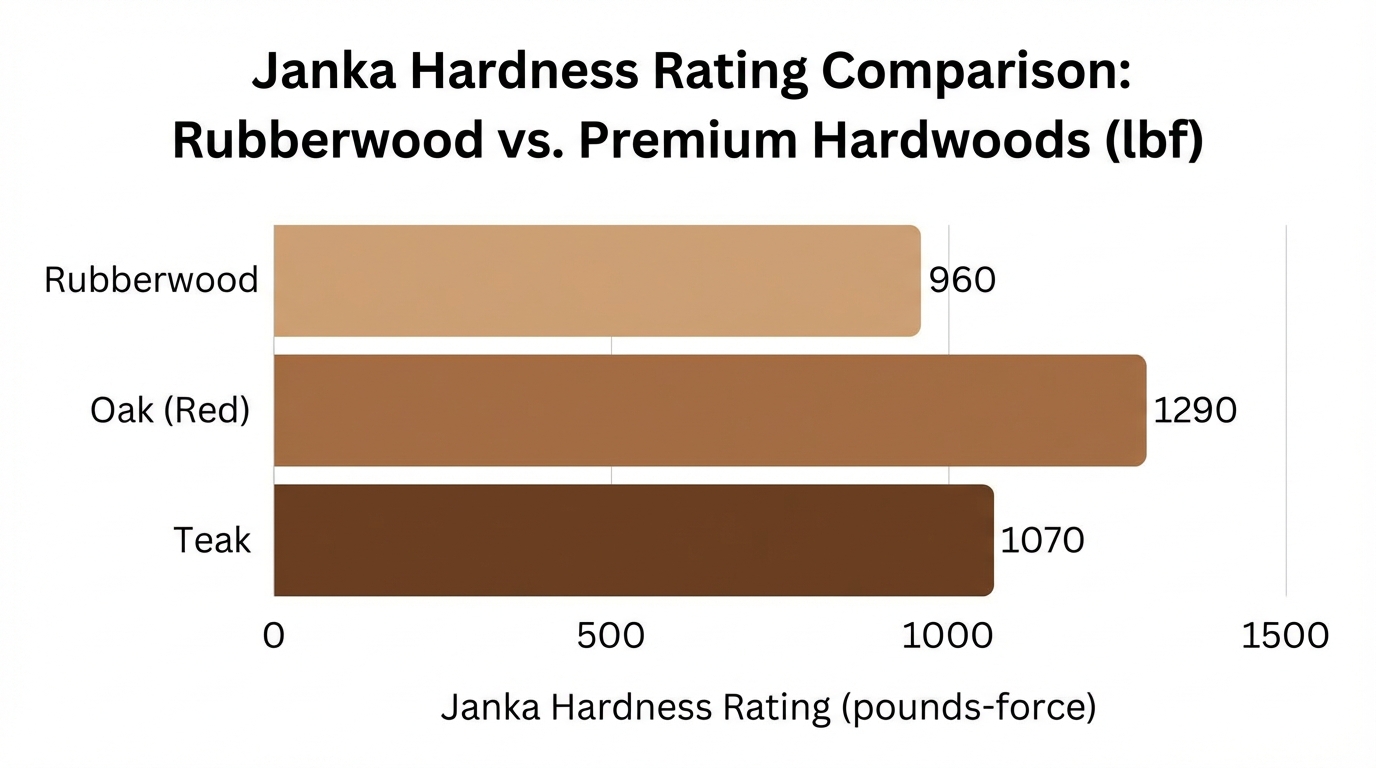
Rubberwood is softer than many hardwoods, so it dents and wears faster under frequent use. With a Janka hardness around 960 lbf, it falls into the medium range but offers less resistance to pressure and impact than harder woods. Under daily use, this means surfaces can develop dents, scratches, and permanent marks more easily, especially in high-contact areas or family environments.
Resistance to Indentation and Scratches
The Janka rating measures the force required to embed a steel ball into the wood, which is a direct proxy for how rubberwood furniture will react to a heavy vase or a child’s toy. You will notice that rubberwood fibers compress under pressure rather than springing back, leading to permanent tracks and marks. If your product line targets families with children or pets, the inherent softness of rubberwood furniture might be a significant drawback that leads to customer dissatisfaction.
Structural Stability Under Load
Hardness also dictates how well the wood resists bending and snapping under static loads. While rubberwood furniture is strong enough for standard weight limits, it lacks the “stiffness” of premium hardwoods, which can lead to a slight bowing in long shelves or table tops over time. This creep—the slow deformation of wood under constant stress—is more pronounced in rubberwood furniture than in materials with higher modulus of elasticity ratings.
Comparing Value to Performance
When you communicate with your clients, it is important to be honest about the trade-off between the affordability of rubberwood furniture and its physical resilience. It is a fantastic value proposition for guest rooms or home offices, but it shouldn’t be marketed as an “heirloom” material.
Keep this in mind.
The judgment table below compares rubberwood to premium hardwoods based on their Janka ratings and general durability.
| Wood Species | Janka Hardness (lbf) | Durability Rank | Typical Longevity |
|---|---|---|---|
| Rubberwood | 960 | Moderate | 7 – 12 Years |
| Teak | 1,070 | High | 25 – 50 Years |
| White Oak | 1,360 | Very High | 50+ Years |
The conclusion? Rubberwood is a mid-tier performer.
Key Takeaway: Use rubberwood furniture in applications where extreme hardness isn’t required, and always manage customer expectations regarding long-term dent resistance.
III. Why Does Rubberwood Furniture Need Chemical Treatment?
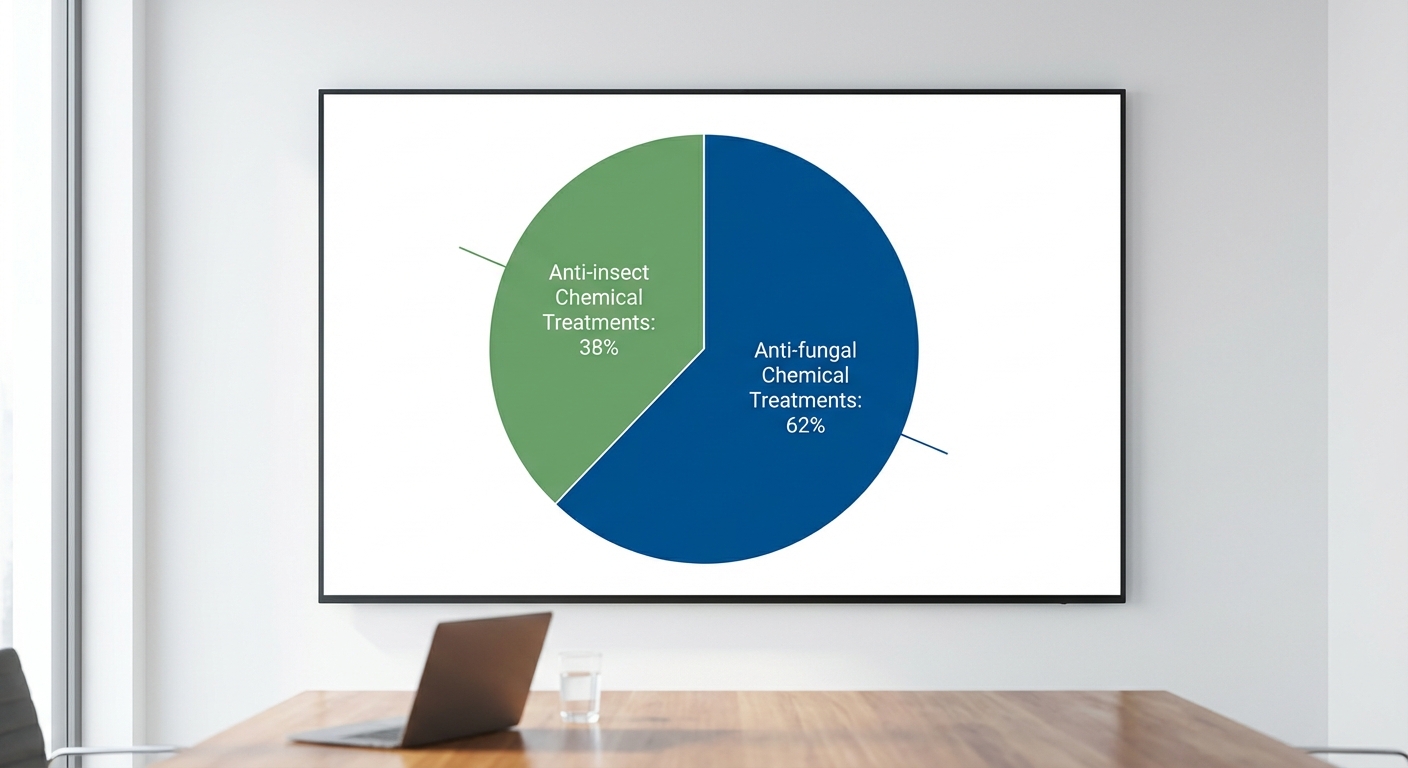
Rubberwood has low natural resistance to insects and decay, so chemical treatment is necessary. Without proper treatment, it is highly vulnerable to mold, fungal staining, and insect damage, which can weaken the structure over time. If treatment processes are inconsistent, defects may appear before or shortly after delivery, creating significant quality risks in bulk orders.
Boron Pressure Treatment and Safety
To stabilize the wood, rubberwood furniture is typically subjected to a boron-based pressure treatment, which is effective but adds a layer of chemical complexity to the product. You must ensure that your manufacturer adheres to strict safety standards to ensure there is no harmful off-gassing from the chemicals used in the rubberwood furniture. Reputable suppliers will provide documentation showing compliance with REACH or Prop 65 regulations to protect the end-user.
Vulnerability to Blue Stain Fungus
Even after treatment, if rubberwood furniture is stored in damp or poorly ventilated conditions, it can develop “blue stain,” a fungal discoloration that penetrates deep into the grain. Unlike surface mold that can be wiped away, this stain is permanent and can only be hidden with dark, opaque finishes. This is a major reason why natural or light-colored rubberwood furniture is often more expensive; it requires the highest grade of fungus-free timber.
Long-Term Chemical Stability
Over decades, the effectiveness of these internal chemical barriers can diminish, especially if the rubberwood furniture is exposed to moisture that leaches the protective salts out of the wood. This is why rubberwood is strictly an indoor material; it lacks the natural rot resistance found in species commonly used for outdoor applications, such as eucalyptus or iroko.
- Verify the pressure-treatment cycle time (typically 2-4 hours).
- Request “Clear Grade” timber to ensure no blue stain is present under the finish.
- Check for pesticide residue testing reports.
- Ensure the factory uses kiln-drying after the chemical treatment to lock in the stabilizers.
But wait, there’s more.
The summary table below details the most common biological threats to rubberwood furniture and their industrial solutions.
| Threat | Impact on Furniture | Industrial Solution |
|---|---|---|
| Powder-post Beetles | Structural holes/dusting | Boron Pressure Infusion |
| Blue Stain Fungi | Cosmetic discoloration | Anti-fungal dip tanks |
| Dry Rot | Total structural failure | Kiln-drying below 12% MC |
You see, without chemicals, rubberwood wouldn’t exist as furniture.
Key Takeaway: Only source rubberwood furniture from factories with advanced chemical treatment facilities to prevent insect infestations and fungal damage.
IV. Are Finger Joints a Weak Point in Rubberwood Furniture?
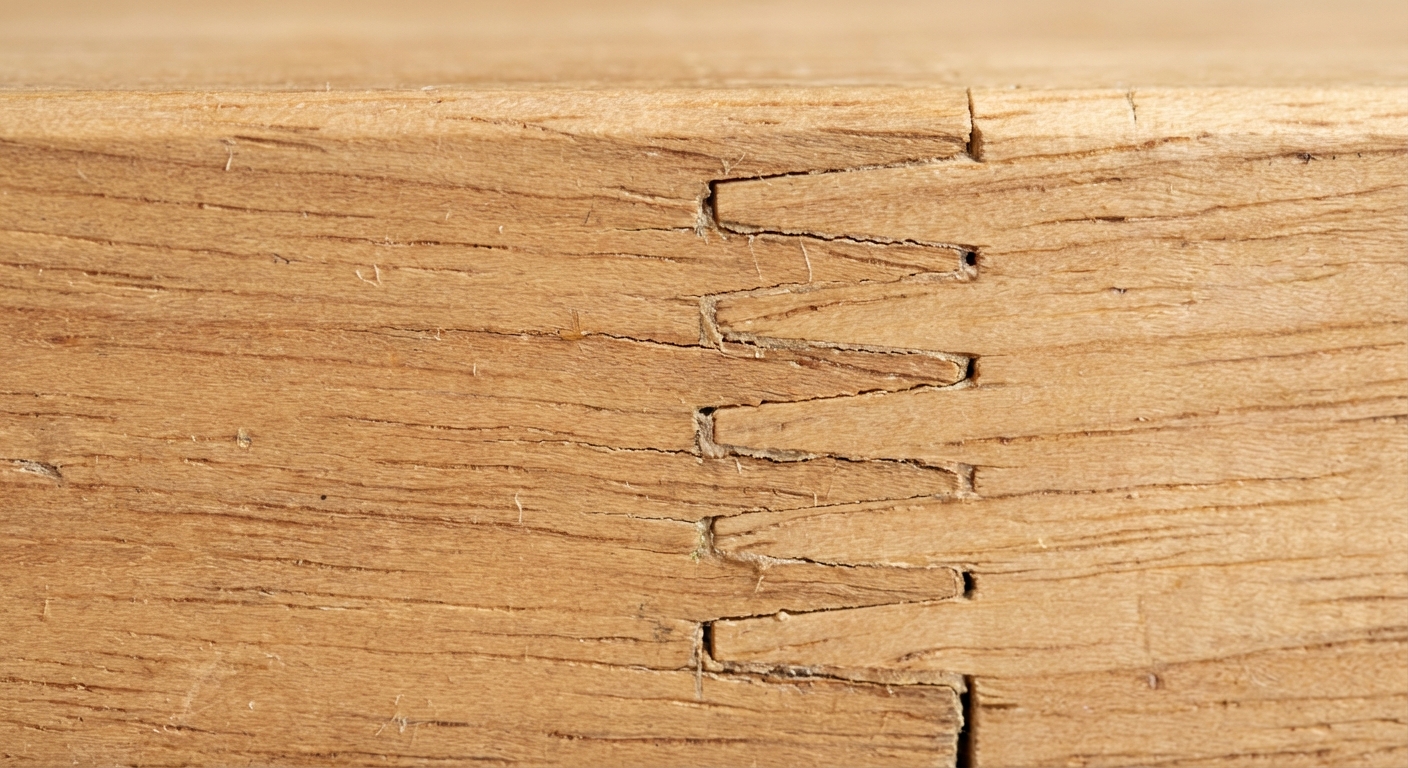
Finger-jointed rubberwood can fail under stress if glue quality or processing is inconsistent. These joints rely entirely on adhesive strength, and poor bonding can lead to visible gaps, cracking along seams, or even structural separation under load. In bulk production, inconsistent glue quality or curing conditions can turn finger joints into a hidden failure point, especially in larger panels or load-bearing parts.
Adhesive Quality and Joint Durability
The longevity of your rubberwood furniture depends almost entirely on the chemical bond between the finger-jointed sections. High-volume factories sometimes cut corners by using lower-grade glues that lack the heat and moisture resistance necessary for long-term durability. When you are sourcing, always inquire about the specific type of adhesive used, prioritizing D3 or D4 rated water-resistant glues to ensure the joints remain intact.
Aesthetic Limitations for High-End Lines
For higher-end indoor furniture, visible finger joints on exposed surfaces are often considered a sign of budget-tier manufacturing. While these joints are necessary for structural stability in some cases, they can disrupt the natural grain flow and make the rubberwood furniture look like a “butcher block” rather than a solid piece of timber. You should consider requesting “long-plank” construction for top surfaces, even if it carries a higher price point due to increased waste.
The Risk of Glue Bond Degradation
Over time, environmental factors such as UV exposure and fluctuating temperatures can cause the glue in rubberwood furniture to become brittle. This is particularly dangerous for chairs and table legs, where lateral forces are constantly applied during use.
This is the crucial part.
The following judgment table compares traditional solid planks against finger-jointed planks for use in rubberwood furniture.
| Construction Type | Aesthetic Appeal | Structural Strength | Cost Efficiency |
|---|---|---|---|
| Solid Long Plank | High | Very High | Low |
| Finger-Jointed Plank | Moderate | High (if glued well) | Very High |
| Winner | Solid Long Plank | Solid Long Plank | Finger-Jointed |
Does that make sense? Quality often requires a trade-off with cost.
Key Takeaway: Closely inspect the quality of finger joints and the type of adhesives used to ensure your rubberwood furniture doesn’t fail at the seams.
V. Why Does Rubberwood Furniture Quality Vary Between Batches?
Rubberwood furniture quality can vary significantly between batches due to raw material inconsistency. In bulk orders, this can lead to uneven performance, where some pieces remain stable while others develop warping, joint failure, or surface defects. These variations increase the risk of quality complaints, rework, or returns, especially when consistency is critical for retail or project-based orders.
Variability in Wood Grain and Texture
Rubberwood furniture can range from a very straight grain to an interlocking pattern within the same production run, affecting how each piece reacts to stress. When you are ordering for a large project, this variability can lead to a “mismatched” look that frustrates interior designers and high-end clients. These inconsistencies are not unique to rubberwood. They are part of broader manufacturing risks seen across many materials, as explained in common quality issues in wooden furniture manufacturing.
Kiln-Drying Uniformity Issues
If a kiln is overloaded, the rubberwood furniture components in the center of the stack may not reach the same target moisture content as those on the outside. This results in “wet cores” that will eventually cause the finished furniture to crack or warp as the internal moisture slowly migrates to the surface. You should look for manufacturers who use smaller, more controllable kilns and computerized moisture monitoring systems to ensure batch uniformity.
The Role of Quality Control Personnel
The human element in the factory is the final line of defense against batch inconsistency in rubberwood furniture. If the quality control team is pressured to meet shipping deadlines, they may overlook minor defects like small knots or slight color variations that will become major issues later.
Believe it or not.
This summary table shows how batch inconsistency can manifest in a typical order of rubberwood furniture.
| Defect Type | Occurrence Rate (Low QC) | Impact on Brand |
|---|---|---|
| Color Mismatch | 15 – 20% | High (Returns) |
| Warp/Twist | 5 – 10% | Critical (Loss) |
| Finish Peeling | 2 – 5% | Moderate (Repairs) |
Here is the kicker: consistency is the true mark of a quality supplier.
Key Takeaway: Implement third-party inspections for every batch of rubberwood furniture to catch inconsistencies before they leave the factory floor.
VI. Does Rubberwood Furniture Scratch, Dent, or Wear Out Fast?
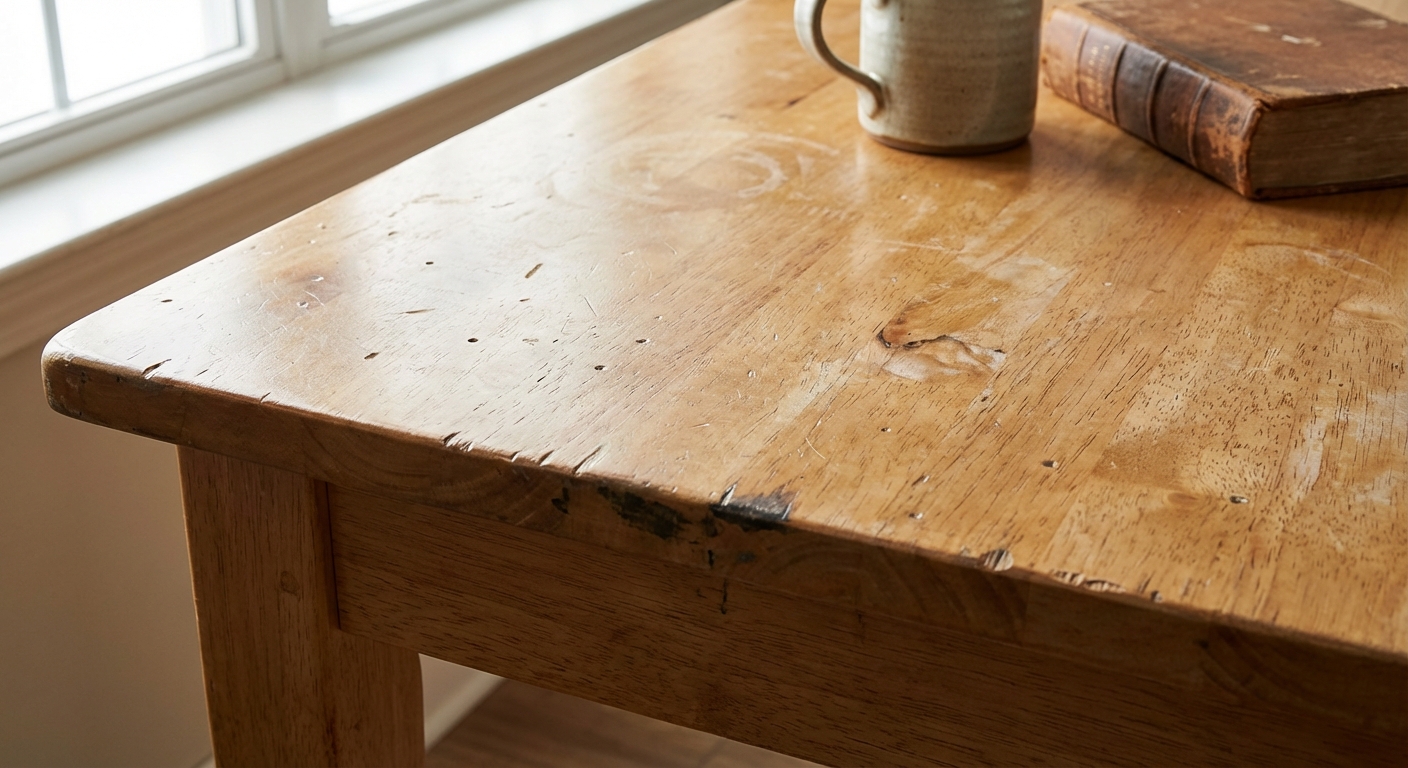
Rubberwood surfaces can scratch or dent easily, especially in high-contact areas. Due to its moderate hardness, the surface is less resistant to daily wear, leading to visible marks, edge damage, and finish breakdown over time. Inconsistent finishing can also cause uneven stain absorption or early peeling, making the product look worn faster than expected.
Stain Absorption and Latex Residue
The presence of residual latex in the wood fibers can interfere with the adhesion of stains and topcoats, potentially leading to peeling or discoloration over time. When you inspect a sample of rubberwood furniture, look closely for dark spots or areas where the color appears significantly deeper; these are often signs of improper surface preparation. A professional factory must use specialized sealers to neutralize these pockets before applying the final aesthetic finish.
Susceptibility to Surface Dents
Despite being classified as a hardwood, rubberwood furniture has a Janka hardness rating that makes it vulnerable to physical impact from heavy objects or sharp items. A simple dropped utensil can leave a permanent indentation in a dining table, which is why many manufacturers opt for extra-thick clear coats. However, these thick coatings can sometimes mask the natural beauty of the wood, creating a “plastic” feel that sophisticated B2B buyers might find undesirable.
Long-Term Finish Degradation
Over years of use, the interaction between household cleaning chemicals and the soft substrate of rubberwood furniture can lead to a breakdown of the surface luster. You need to educate your customers on the importance of using non-abrasive cleaners to preserve the integrity of the finish.
- Use specialized wood conditioners to prevent the finish from becoming brittle.
- Avoid placing hot items directly on the surface, as rubberwood furniture is sensitive to heat rings.
- Regularly check for finish thinning on high-touch areas like armrests and table edges.
- Apply a fresh coat of wax or polish annually to maintain the moisture barrier.
It’s all about maintenance.
This summary table outlines the most common finishing issues faced during the manufacturing of rubberwood furniture.
| Finishing Issue | Cause | Factory Solution |
|---|---|---|
| Blotching | Uneven grain porosity | Pre-stain wood conditioner |
| Poor Adhesion | Residual latex/sugars | Solvent-based wash coat |
| Rapid Scuffing | Low substrate hardness | Multi-layer UV-cured lacquer |
Think about it: the finish is the first thing a customer sees.
Key Takeaway: Invest in multi-stage finishing processes and high-quality topcoats to compensate for the natural softness and uneven absorption of rubberwood furniture.
VII. Is Rubberwood Furniture Suitable for Heavy Commercial Use?
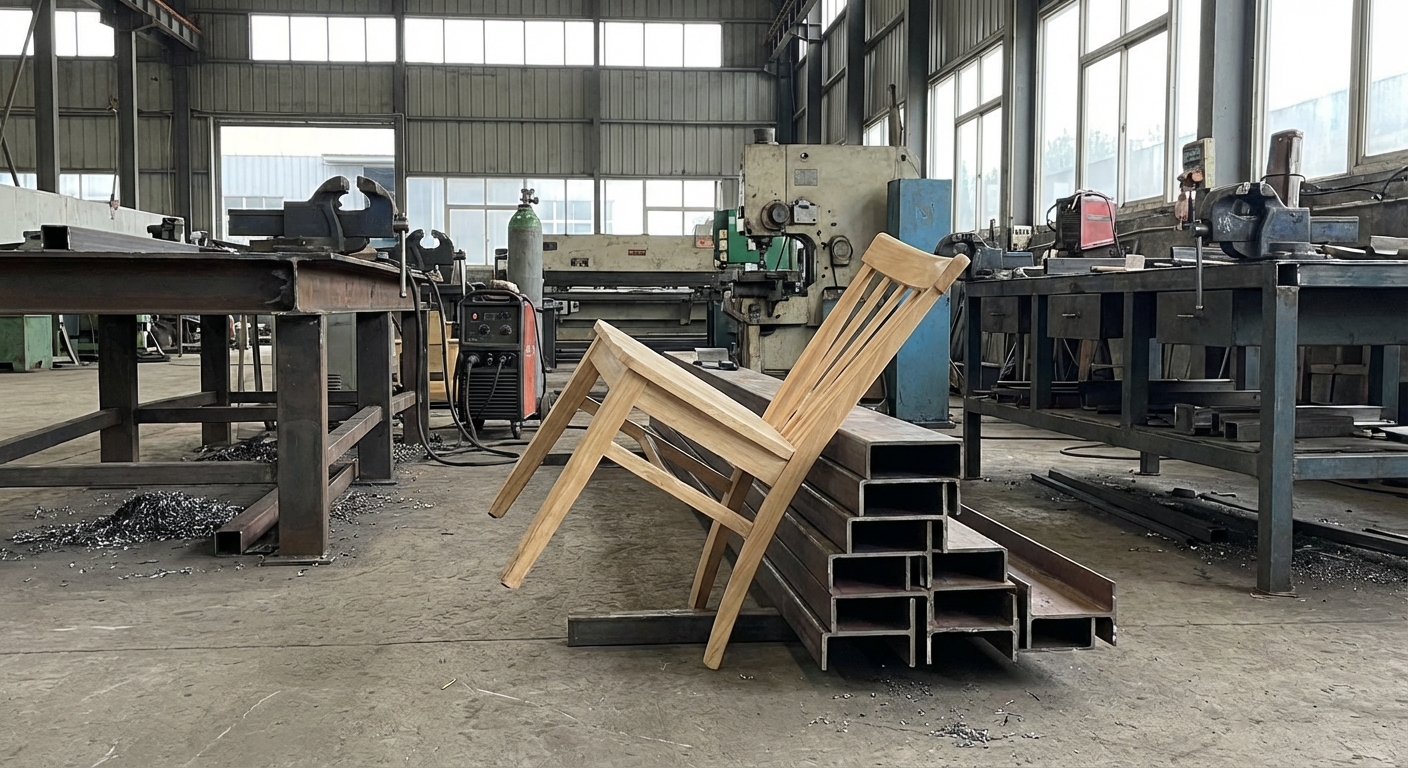
Rubberwood is not ideal for heavy commercial use due to its moderate strength and durability. In high-traffic environments such as restaurants or hotels, it tends to wear out faster, with issues like loosened joints, surface damage, and reduced structural stability over time. Under constant use, movement, and cleaning, these failures can appear much earlier than in harder wood alternatives.
Fastener Retention and Thread Stripping
In high-use scenarios, the repeated tightening of bolts in rubberwood furniture can lead to the stripping of the wood fibers within the boreholes. Because the wood is moderately soft, the metal-to-wood contact point is a weak link that degrades with every adjustment or move. To mitigate this, many factories incorporate metal threaded inserts, but even these can work loose if the rubberwood furniture is subjected to constant lateral vibration.
Impact Resistance and Structural Fatigue
Commercial chairs and tables are often dragged across floors and bumped into by other furniture, causing the edges of the rubberwood furniture to chip and dent. Unlike high-density woods that can absorb these impacts with minimal damage, rubberwood’s cellular structure is easily crushed. This leads to a “shabby” look within just a few months of service, forcing you to replace items far sooner than you would with more robust materials.
Suitability for Public Spaces
When specifying furniture for public projects, you must weigh the initial cost savings of rubberwood furniture against the long-term maintenance and replacement costs. In most cases, rubberwood is best reserved for guest room accents rather than high-turnover dining area seating.
- Use rubberwood for decorative headboards or side tables.
- Avoid rubberwood for the main restaurant seating with high daily turnover.
- Ensure all commercial-grade rubberwood furniture uses reinforced “corner blocks” in the frame.
- Specify high-impact edge banding or rounded corners to reduce chipping.
Here is the truth.
This summary table highlights the performance differences between rubberwood furniture and high-traffic alternatives.
| Environment Type | Rubberwood Performance | Oak/Beech Performance | Replacement Cycle |
|---|---|---|---|
| Home Dining | Excellent | Superior | 10-15 Years |
| Busy Restaurant | Fair | Excellent | 2-4 Years |
| Hotel Lobby | Poor | Good | 1-2 Years |
Basically, you get what you pay for in terms of durability.
Key Takeaway: Limit rubberwood furniture to residential or light-duty commercial applications to avoid the high costs of frequent replacement and repair.
VIII. Does Heat or Sunlight Damage Rubberwood Furniture?
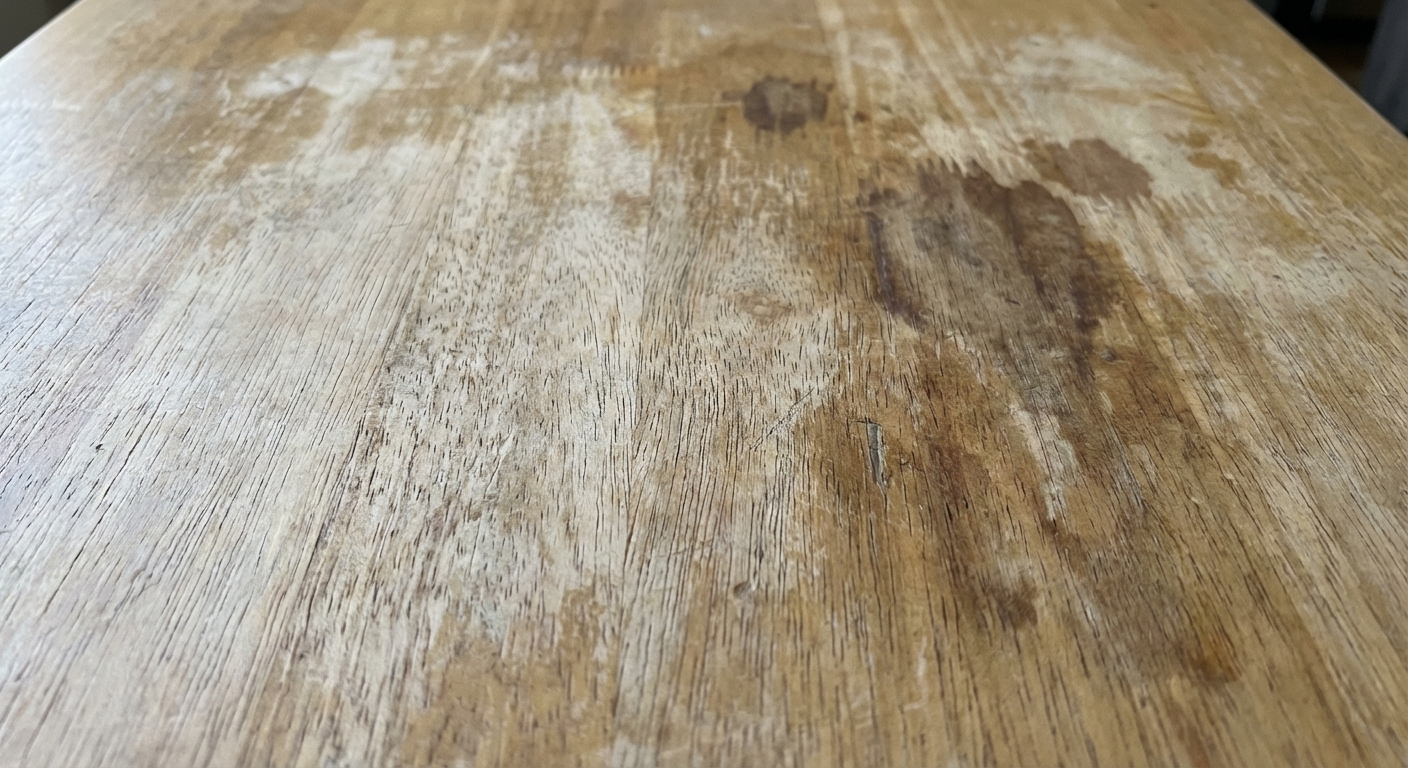
Heat and direct sunlight can damage rubberwood by causing discoloration, drying, and structural stress. Prolonged exposure often leads to fading, surface cracking, or finish failure, especially near windows or heat sources. Over time, this can affect both appearance and durability, making the product look aged or uneven much faster than expected.
UV Fading and Color Shifts
Under direct sunlight, the pale straw color of natural rubberwood furniture will quickly shift to a dull yellow or even a dark amber. This photo-degradation also weakens the surface fibers, making the finish more likely to crack and flake away. If you are selling rubberwood furniture, suggest the use of UV-blocking window films or frequent rotation of the furniture to ensure any color changes happen evenly across all surfaces.
Thermal Expansion Near Heat Sources
Placing rubberwood furniture too close to a radiator or fireplace can cause localized drying that is much faster than the rest of the piece. This differential drying leads to “cupping” in table tops and can actually snap the glue bonds in the legs or support rails. The wood simply cannot handle the extreme moisture gradient that occurs when one side is heated while the other remains at room temperature.
Protecting the Wood in Transit
Even during shipping, rubberwood furniture is at risk if containers are left in the sun at a port for extended periods. The high heat inside a metal container can act like an oven, potentially ruining an entire shipment of furniture before it ever reaches your warehouse.
- Ensure the use of desiccants in all shipping containers to control humidity.
- Request heat-resistant topcoats for products destined for warm climates.
- Use specialized packaging that provides a thermal buffer.
- Advise customers to maintain a 15-20% distance from direct heat sources.
You have to be careful.
The summary table below illustrates the effects of heat and light on the longevity of rubberwood furniture.
| Factor | Immediate Effect | Long-term Damage |
|---|---|---|
| Direct Sunlight | Color Ambering | Finish Brittleness |
| Radiator Heat | Surface Cupping | Glue Bond Failure |
| High Humidity | Wood Swelling | Mold/Fungal Growth |
The bottom line is that rubberwood is a delicate material when it comes to the climate.
Key Takeaway: Always advise your clients on the proper placement of rubberwood furniture away from direct sunlight and heat sources to extend its lifespan.
IX. Why Can One Rubberwood Product Feel Stronger Than Another?
Heat and direct sunlight can damage rubberwood by causing discoloration, drying, and structural stress. Prolonged exposure often leads to fading, surface cracking, or finish failure, especially near windows or heat sources. Over time, this can affect both appearance and durability, making the product look aged or uneven much faster than expected.
The Impact of Latex Extraction Cycles
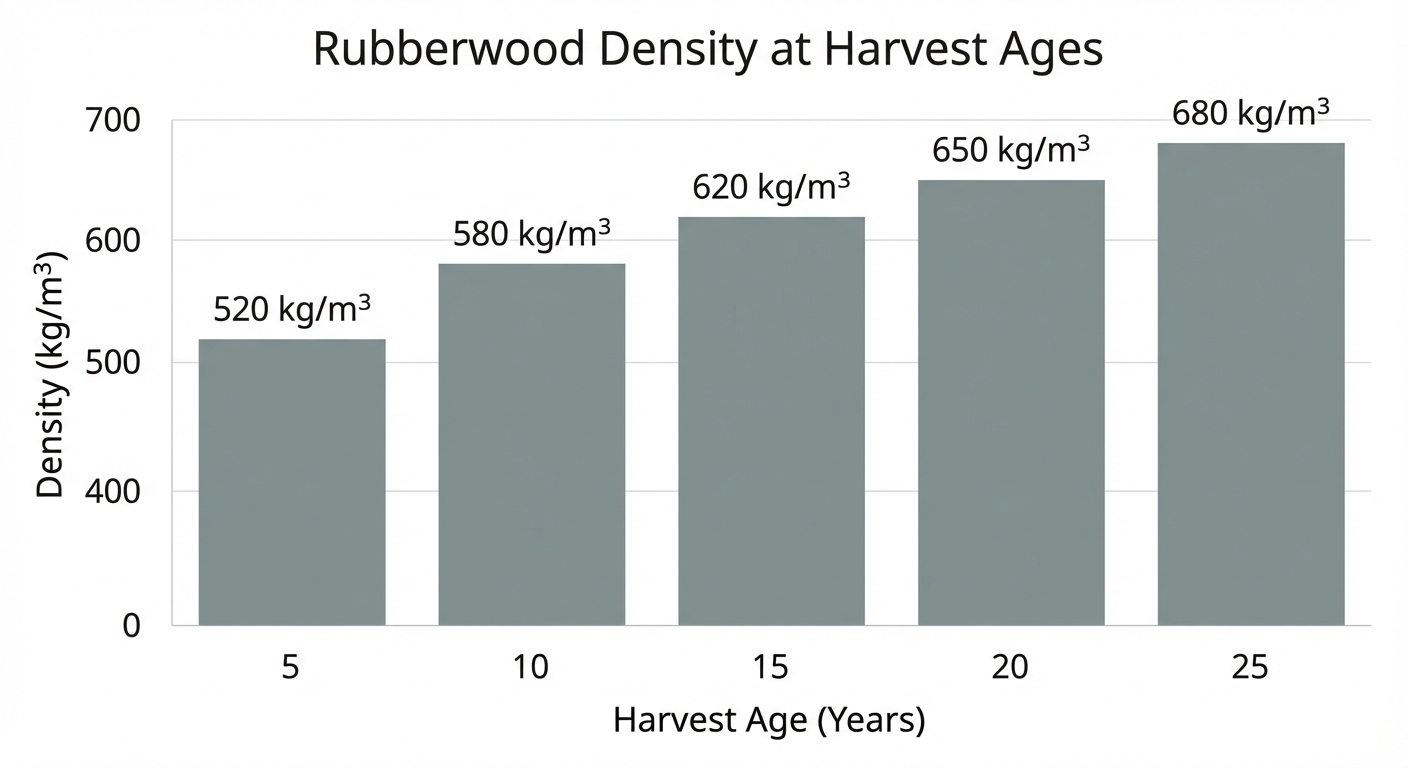
The primary function of the rubber tree is latex production, and timber is only harvested once the latex yield drops below a commercially viable threshold, typically after 25 to 30 years. If a supplier utilizes “immature” wood from younger trees to meet high demand, the resulting rubberwood furniture will exhibit lower screw-holding power and a higher propensity for surface marring. You should demand transparency regarding the source plantation to ensure the raw timber has reached the peak density required for durable manufacturing.
Structural Integrity and Wood Fiber Maturity
As a buyer, you need to understand that the fiber saturation point and cell wall thickness in rubberwood directly correlate with the age of the wood at the time of felling. Mature fibers in rubberwood furniture provide a much more stable foundation for heavy-duty joinery, whereas juvenile wood contains a higher percentage of tension wood that is prone to unpredictable movement. This internal tension is a silent killer for large-scale items like dining table tops or heavy bed frames.
Sourcing Standards for Global Importers
To protect your brand, it is vital to vet your manufacturing partner’s lumber grading process to confirm they are excluding low-density sapwood from structural furniture components. Reliable factories will utilize moisture meters and density checks to ensure that the rubberwood furniture intended for export meets the rigorous 0.55 to 0.65 specific gravity range.
- Sourcing only from FSC-certified plantations with 25-year minimum growth cycles.
- Utilizing kiln-drying processes that stabilize the wood to an 8-12% moisture content range.
- Segregating high-density heartwood for structural legs and low-density sections for non-load-bearing panels.
- Implementing secondary density checks after the initial CNC machining phase.
You see, density is the foundation of durability.
The following table provides a summary of how harvest age directly influences the physical properties and performance metrics of the lumber used in production.
| Harvest Age (Years) | Density (kg/m³) | Screw Holding Power | Best Use Case |
|---|---|---|---|
| 5 – 10 | 480 – 520 | Low | Small accessories |
| 11 – 20 | 530 – 570 | Moderate | Light residential chairs |
| 21 – 30+ | 580 – 640 | High | Heavy-duty dining tables |
Here is the deal: denser wood always leads to fewer returns.
Key Takeaway: Always verify the harvest age and density specifications of your rubberwood furniture to prevent structural failures caused by immature, low-density timber.
X. Is Rubberwood Furniture Worth Buying for Long-Term Use?
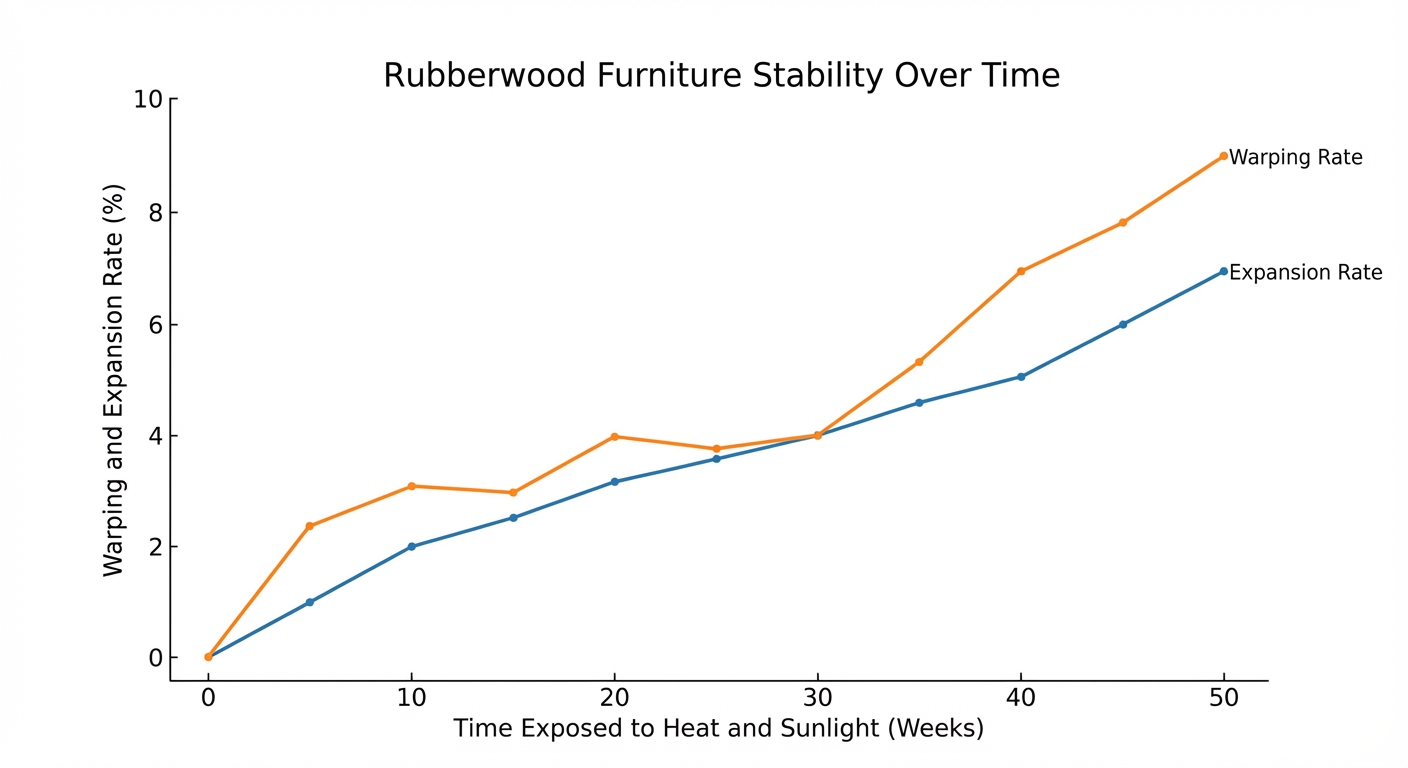
Rubberwood furniture offers acceptable durability for indoor use, but is not a long-term premium option. It performs well in controlled environments, but in demanding conditions, it is more likely to develop issues such as warping, joint loosening, or surface wear over time. For buyers, the lower upfront cost often comes with higher long-term risk, especially if product consistency and durability are critical.
Balancing Cost Against Performance
For many B2B buyers, the low price point of rubberwood furniture is its most attractive feature, but you must factor in the “cost of failure.” If 10% of your rubberwood furniture inventory requires replacement due to warping or joint failure within the first year, your actual cost-per-unit is much higher than the invoice price suggests. In many cases, spending 20% more on a higher-quality wood or a better-manufactured piece will result in higher long-term profits.
The Role of Sustainable Manufacturing
Despite its drawbacks, rubberwood furniture remains one of the most eco-friendly options on the market because it uses trees that would otherwise be burned as waste. When you source from a factory that understands the material’s limitations—like the precision engineering used at EverWoody—you can mitigate many of the disadvantages discussed in this article. The key is to match the material to the correct application and ensure the highest possible manufacturing standards are met.
Making the Right Choice for Your Brand
Ultimately, whether you should include rubberwood furniture in your lineup depends on your brand’s quality threshold and your target customer’s expectations. If you are competing on price and offering pieces for starter homes or guest rooms, rubberwood is an excellent choice. However, if you are positioning your brand as a provider of heirloom-quality furniture, you may want to look at more resilient alternatives.
This is the final point.
The following summary table helps you decide if rubberwood furniture is right for your specific business model.
| Business Goal | Is Rubberwood Suitable? | Reason |
|---|---|---|
| Budget Retail | Yes | Low cost, high availability |
| Luxury Design | No | Visible joints, low hardness |
| Eco-Conscious | Yes | Excellent sustainability story |
In the end, it’s about aligning the material with your market.
Key Takeaway: Use rubberwood furniture as a strategic, cost-effective, and sustainable option, but only when you can guarantee strict quality control and proper environment management.
FAQ
Can I use rubberwood furniture for outdoor patio sets?
No, you should avoid using rubberwood for any outdoor application because it lacks natural rot resistance and is highly prone to fungal decay when exposed to moisture and UV rays. For those needs, look into species specifically graded for external use.
What’s the best way to clean and maintain rubberwood furniture?
The best method is to use a soft, damp cloth with a mild soap solution, followed by immediate drying with a clean towel to prevent moisture absorption. Avoid all harsh chemicals, wax-based polishes that can build up, and excessive water.
How can I tell if a piece of rubberwood furniture is high quality?
You should look for the absence of visible finger joints on top surfaces, a uniform finish without blotchiness, and the use of metal-to-metal fasteners or reinforced corner blocks. High-quality pieces will also have a heavier feel, indicating the use of mature, high-density timber.
Closing Note
Understanding these disadvantages allows you to source rubberwood furniture more effectively by choosing suppliers who prioritize technical precision and environmental stability. If you need a partner that combines sustainable materials with world-class manufacturing tolerances, explore our latest collections at EverWoody to find the perfect balance for your next project.