
Purchasing low-quality exterior furnishings leads to frequent, expensive replacement cycles and significant budget depletion that hampers corporate growth. Our comprehensive strategy eliminates these risks, ensuring your investment remains durable, stylish, and cost-effective across seasons.
This outdoor furniture buying guide provides professional procurement strategies to help B2B buyers select durable, high-quality materials and designs that withstand environmental stressors. By following our expert criteria, you can avoid costly replacement mistakes and optimize your outdoor spaces with furniture that balances aesthetics with long-term commercial performance.
I. Outdoor Furniture Buying Guide: Avoid Choosing the Wrong Material
Selecting the primary construction material is the most critical decision in this outdoor furniture buying guide because it determines the overall lifespan and maintenance requirements of your investment. Whether you are sourcing for a coastal resort or a mountain retreat, the material must possess inherent resistance to oxidation, moisture absorption, and solar degradation to prevent premature structural failure. Our Shandong-based manufacturing facility prioritizes high-grade alloys and treated timbers to ensure that every piece meets the rigorous demands of global B2B procurement standards.
1. Assessing Structural Metal Integrity
The structural integrity of your furniture depends heavily on the specific grade of metal or timber used during the manufacturing process, which is why a detailed outdoor furniture buying guide is essential for informed decision-making.
- Powder-coated aluminum provides a lightweight, rust-proof framework ideal for humid or salty coastal air.
- Marine-grade stainless steel offers the necessary weight and corrosion resistance for high-wind rooftop installations.
- Galvanized steel serves as a cost-effective alternative for inland locations where moisture levels are relatively stable.
- Wrought iron delivers a classic aesthetic with significant heft, though it requires periodic touch-ups to prevent surface oxidation.
2. Wood and Synthetic Fiber Options
Are you concerned about material longevity?
When selecting materials, B2B buyers must distinguish between residential-grade plastics that crack under intense solar exposure and professional-grade synthetic HDPE wicker designed for intensive daily use in demanding hospitality settings. High-quality synthetic fibers are extruded with UV-stabilizers that permeate the entire strand, ensuring that the color remains vibrant and the structure remains flexible even after years of direct sunlight and temperature fluctuations.
3. Texture and Finish Evaluation
Evaluating material textures ensures a tactile experience that matches the luxury expectations of high-end clients who demand both visual appeal and physical comfort.
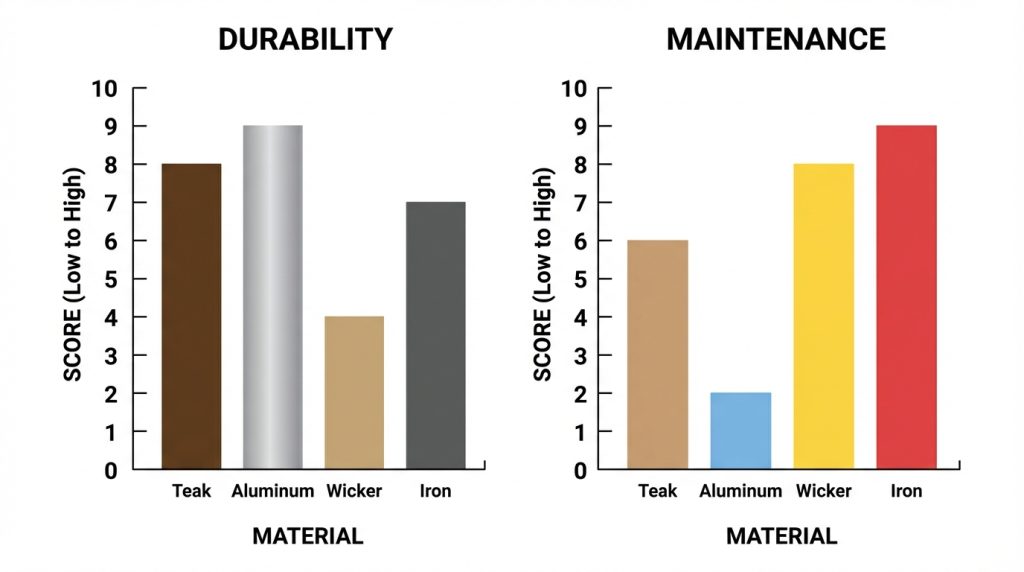
The following table summarizes the primary material characteristics to consider during your initial procurement phase to ensure long-term satisfaction.
| Material Type | Durability Rating | Maintenance Level | Best Environment |
|---|---|---|---|
| Aluminum | High | Low | Coastal / Humid |
| Teak Wood | Very High | Medium | All Climates |
| HDPE Wicker | High | Low | Sunny / Tropical |
Key Takeaway: Prioritize materials like powder-coated aluminum or Grade A Teak to ensure your furniture can withstand diverse weather conditions without requiring constant professional refurbishment or replacement.
Think about it.
II. Plan Outdoor Furniture Layout Before You Order
Effective spatial arrangement is the second pillar of a successful outdoor furniture buying guide because even the highest quality furniture will fail to satisfy if it creates a cramped or non-functional environment. Professional space planning requires a meticulous balance between the physical dimensions of the furniture and the “breathable” zones needed for guests and staff to move freely without obstruction. By utilizing clearance diagrams and scale models, procurement managers can visualize the final layout and avoid the costly mistake of over-ordering or selecting oversized pieces.
1. Defining Clearance and Traffic Zones
Accurate measurement of the available square footage is the first step toward creating a layout that promotes natural movement and maximizes the utility of the outdoor area.
- Allow at least 30 inches of clearance around dining tables to permit chairs to be pulled out comfortably.
- Designate primary walkways with a minimum width of 48 inches to accommodate high-volume guest traffic and service staff.
- Ensure that lounge seating areas are spaced far enough apart to provide privacy while remaining close enough for social interaction.
- Consider the swing radius of umbrellas and the opening depth of storage units to prevent collisions during daily operations.
2. Zoning for Multi-Functional Use
Can you visualize the flow?
Creating distinct zones for dining, lounging, and transit allows a single outdoor space to serve multiple purposes throughout the day, significantly increasing the overall return on investment for the property. By strategically placing larger architectural pieces like sectional sofas or long communal tables, you can define the boundaries of each zone without the need for restrictive physical barriers or permanent walls.
3. Utilizing Clearance Zone Diagrams
Utilizing standardized clearance zone diagrams during the planning phase prevents the common error of overcrowding, which can detract from the guest experience and pose safety risks.
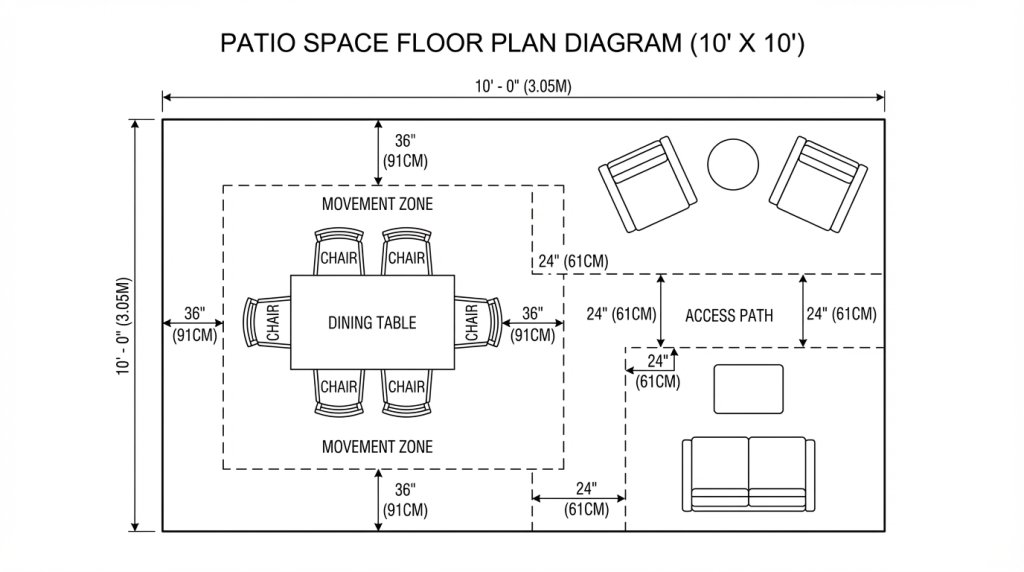
The table below outlines the recommended spacing for various furniture configurations to ensure optimal comfort and functionality in commercial settings.
| Configuration | Recommended Perimeter | Minimum Walkway | User Capacity |
|---|---|---|---|
| 4-Seat Dining | 30 Inches | 36 Inches | High |
| Lounge Set | 24 Inches | 42 Inches | Medium |
| Poolside Bistro | 18 Inches | 30 Inches | Low |
Key Takeaway: Always prioritize “negative space” in your layout to ensure that the environment feels open and inviting, which ultimately enhances the perceived value of the venue for your clientele.
It makes sense.
III. How Outdoor Furniture Handles Weather Over Time
Resistance to environmental variables is a non-negotiable aspect of this outdoor furniture buying guide as moisture and UV radiation are the primary catalysts for material degradation. In a commercial context, furniture is often exposed to the elements 24/7, meaning that surface treatments must be robust enough to repel water and reflect harmful solar rays simultaneously. From the perspective of a Shandong manufacturer, we implement advanced nanotechnology coatings that create a hydrophobic barrier, preventing liquid from penetrating the core of fabrics or the pores of timber.
1. Advanced UV and Fade Resistance
The intensity of solar radiation can cause inferior fabrics and coatings to bleach and become brittle within a single season, leading to a significant loss in aesthetic appeal.
- Solution-dyed acrylics provide the highest level of UV resistance by locking color into the fiber at the molecular level.
- High-performance powder coatings act as a shield for metal frames, preventing the sun from degrading the underlying structural alloy.
- UV-stabilized resins in synthetic weaving prevent the material from cracking or “chalking” after prolonged exposure to direct sunlight.
- Lightfastness ratings should be scrutinized to ensure that the chosen palette remains consistent with your brand’s visual identity over time.
2. Moisture Management and Drainage
Is your furniture truly waterproof?
Effective moisture management involves more than just waterproof surfaces; it requires a comprehensive drainage strategy that allows internal foam and framing to dry rapidly after a rain event or heavy cleaning. Utilizing reticulated “quick-dry” foam inside cushions ensures that water passes through the material rather than being trapped, which effectively eliminates the risk of mold, mildew, and unpleasant odors.
3. Hydrophobic Fabric Micro-Structures
The micro-structure of high-performance outdoor fabrics is designed to bead water on contact, providing an immediate visual indicator of the material’s protective capabilities and ease of maintenance.
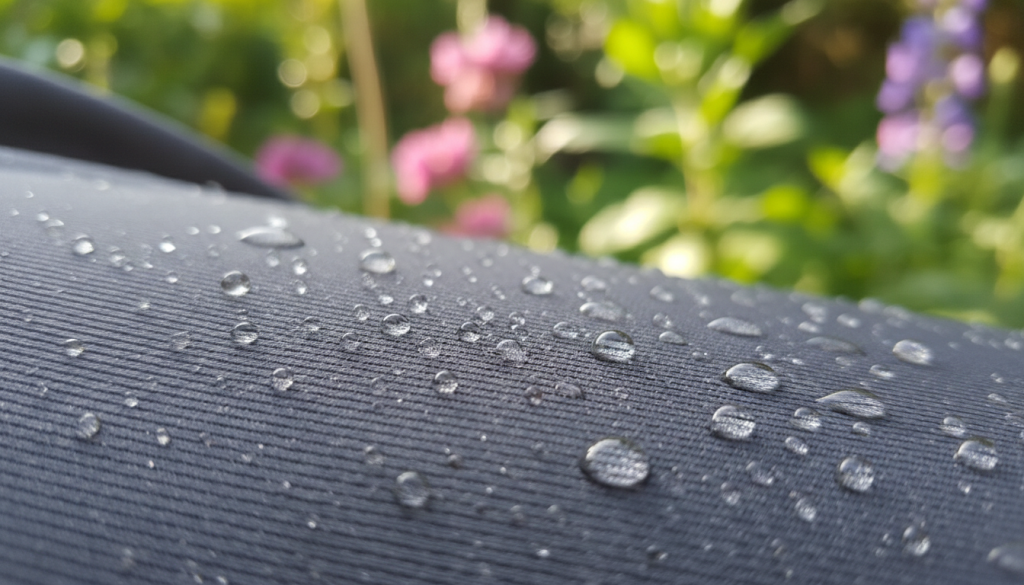
This comparison highlights how different textile treatments perform under sustained exposure to wet conditions and high humidity levels.
| Fabric Feature | Acrylic (Solution-Dyed) | Polyester (Coated) | Olefin |
|---|---|---|---|
| Water Repellency | Excellent | Good | Moderate |
| Drying Speed | Very Fast | Fast | Moderate |
| Mildew Resistance | Superior | High | High |
Key Takeaway: Investing in solution-dyed acrylics and quick-dry foam components is the most effective way to ensure that your soft goods remain hygienic and visually pristine despite unpredictable weather.
Don’t ignore this.
IV. Outdoor Furniture Buying Guide: Choose Comfort That Lasts
Ergonomic design and cushion density are prioritized in this outdoor furniture buying guide because the physical comfort of a guest directly influences their duration of stay and overall satisfaction. A common mistake among buyers is selecting furniture based solely on visual style, only to discover that the seat depth or back support is inadequate for long-term relaxation. Our engineering team focuses on the intersection of human physiology and material science to create seating that supports the body while maintaining its shape under heavy use.
1. Cushion Density and Compression
The longevity of seating comfort is determined by the density of the internal foam, with higher-density cores offering better support and greater resistance to “bottoming out” over time.
- High-resiliency (HR) foam provides a superior bounce-back capability that maintains the cushion’s original silhouette for years.
- Multi-layered cushion construction combines firm support cores with soft outer wraps to balance durability with immediate tactile luxury.
- Compression tests should be conducted to ensure the foam recovers its shape instantly after a 200lb load is removed from the seat.
- Wrapped dacron layers add a plush aesthetic to the cushion while providing an additional barrier against moisture and dust infiltration.
2. Ergonomic Angles and Proportions
Does it feel right?
Proper ergonomics in outdoor seating involves calculated pitch angles for the backrest and precise seat heights that accommodate a wide range of body types without causing physical strain or discomfort. When the proportions are correct, the furniture disappears into the background, allowing the guest to focus entirely on their surroundings and social interactions rather than their physical posture.
3. Tactile Testing and Softness
Tactile testing through hand-pressing allows procurement specialists to feel the internal structure and verify that the outer fabric provides a soft, non-abrasive surface for bare skin contact.
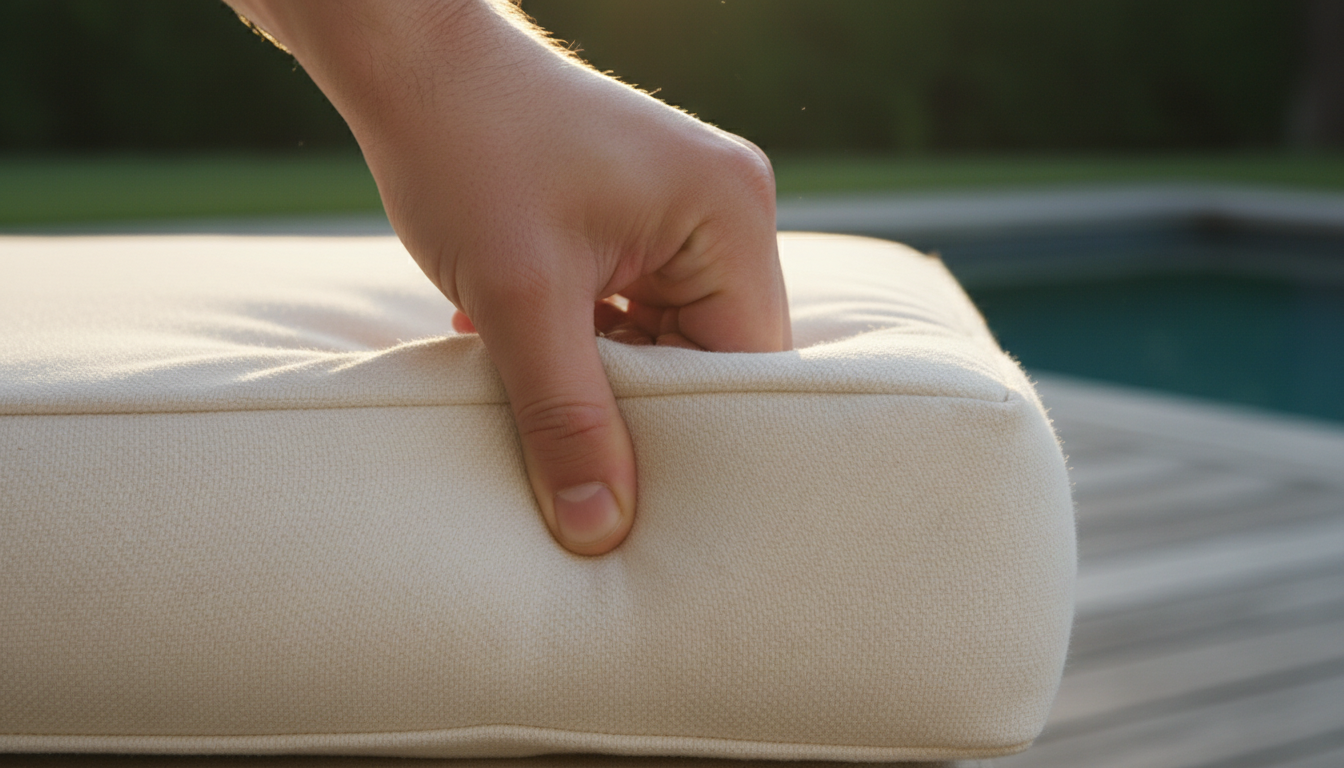
The following metrics help define the comfort standards required for premium hospitality and residential development projects.
| Comfort Metric | Minimum Standard | Premium Standard | Impact on Guest |
|---|---|---|---|
| Foam Density | 1.8 lb/ft³ | 2.5+ lb/ft³ | Support Longevity |
| Backrest Pitch | 10 Degrees | 15-18 Degrees | Relaxation Level |
| Seat Depth | 18 Inches | 22+ Inches | Postural Ease |
Key Takeaway: Prioritize high-resiliency foam and ergonomic frame geometry to ensure that your outdoor seating remains as comfortable and supportive as high-end indoor upholstery.
Think about it.
V. Reduce Outdoor Furniture Logistics Cost and Damage Risk
Streamlining transportation and storage is a vital component of this outdoor furniture buying guide as logistics costs can represent a significant portion of the total procurement budget. B2B buyers must consider how furniture is packaged—whether it arrives as “Knock-Down” (KD) kits to save on shipping volume or as fully welded pieces to minimize on-site assembly labor. From our factory in Shandong, we specialize in high-efficiency container loading techniques that maximize every cubic meter of space, ensuring that your delivery is both cost-effective and safe.
1. Stackability and Space Efficiency
For businesses that need to clear their outdoor areas for events or seasonal storage, the ability to stack chairs and tables safely is a critical operational requirement.
- Stackable designs can reduce the footprint of stored furniture by up to 80%, freeing up valuable back-of-house real estate.
- Welded stacking bumpers protect the finish of the frames from scratching during the stacking and unstacking process.
- Lightweight aluminum sofa set options allow staff to reconfigure spaces quickly without the need for specialized moving equipment or additional labor.
- Uniform dimensions across different product lines ensure that stacked items remain stable and do not pose a tipping hazard.
2. Shipping Volume and Assembly Trade-offs
Is it worth the labor?
While KD furniture significantly lowers ocean freight costs by reducing shipping volume, the hidden expense of on-site assembly labor and the risk of lost hardware must be carefully weighed against the initial savings. For large-scale resort projects, pre-assembled furniture often proves more economical because it allows for immediate deployment and ensures that structural connections are factory-verified for maximum safety.
3. Container Loading Visualization
Visualizing the efficiency of different storage and shipping configurations helps logistics managers choose the designs that offer the best balance between volume and protection.
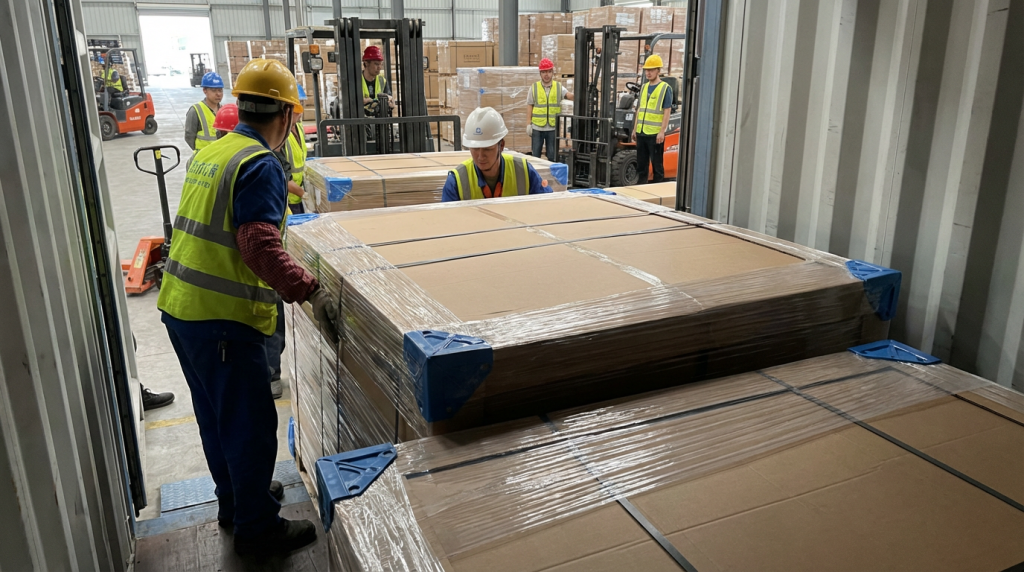
The table below compares the logistics impact of various furniture types based on standard 40ft High Cube container capacities.
| Furniture Type | Shipping Method | Units Per 40HC | Assembly Time |
|---|---|---|---|
| Dining Chairs | Stacked (4-6) | 600 – 800 | 0 Minutes |
| Sofa Sections | KD (Flat Pack) | 120 – 150 | 20 Minutes |
| Lounge Chairs | Nested | 250 – 300 | 5 Minutes |
Key Takeaway: Select stackable or nested designs to significantly lower your ongoing operational costs and simplify the management of your outdoor assets during the off-season.
You need this.
VI. Outdoor Furniture Buying Guide: What Quality Checks Matter
Implementing a rigorous inspection protocol is the cornerstone of this outdoor furniture buying guide to ensure that every delivered piece adheres to the strict safety and aesthetic standards of your brand. In a professional manufacturing environment, quality control starts with the raw materials and continues through welding, coating, and final assembly, where each joint is scrutinized for structural perfection. Our Shandong facility employs a multi-stage QC process that includes stress testing and salt-spray analysis to simulate years of environmental exposure in a matter of weeks.
1. Structural Welding and Joint Integrity
The strength of a metal furniture piece is only as good as its weakest weld; inspecting joint penetration and bead consistency a top priority for procurement officers.
- Full-circumference welds provide significantly more strength than “spot” or “tack” welds commonly found in residential-grade products.
- Robotic welding ensures a level of precision and consistency that is difficult to achieve through manual processes alone.
- Post-weld grinding and polishing create a seamless transition between components, preventing sharp edges and enhancing the overall finish.
- Weight-capacity testing should be performed on a representative sample from each production batch to verify the structural safety factor.
2. Surface Finish and Coating Thickness
Is the finish built to last?
A high-quality powder coating must be applied to a perfectly clean substrate with a specific thickness—usually measured in microns—to ensure that it provides a durable, chip-resistant barrier against the elements. If the coating is too thin, the underlying metal is vulnerable to oxidation; if it is too thick, the finish may become brittle and prone to cracking under thermal expansion and contraction.
3. Factory Inspection and Tolerance Checks
Professional factory inspections utilize precision instruments to verify that every dimension and angle falls within the strict tolerances required for commercial-grade furniture consistency.
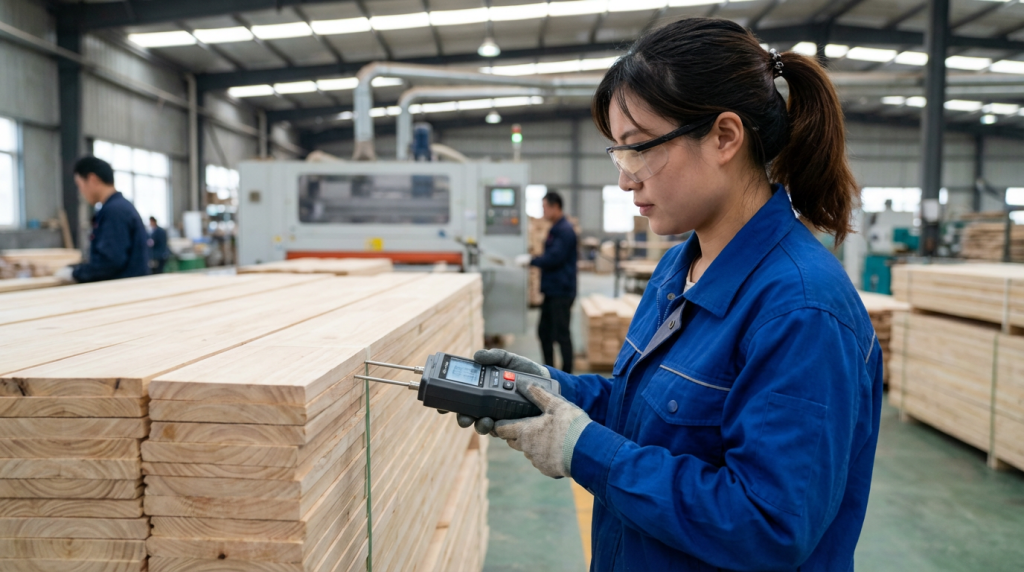
The following quality benchmarks represent the standard requirements for a reliable B2B furniture supplier in the global market.
| Inspection Area | Quality Benchmark | Tool / Method | Acceptable Variance |
|---|---|---|---|
| Weld Depth | 100% Penetration | Visual / Ultrasonic | < 1% Failure |
| Coating Thickness | 80 – 120 Microns | DFT Gauge | +/- 5 Microns |
| Leveling | 4-Point Ground Contact | Surface Plate | < 2mm Gap |
Key Takeaway: Always demand detailed quality control reports and material certifications from your manufacturer to mitigate the risk of receiving sub-standard or unsafe products.
It’s your reputation.
VII. Match Outdoor Furniture Style Without Sacrificing Durability
Balancing contemporary design with timeless functionality is a key focus of this outdoor furniture buying guide as your outdoor area serves as a visual extension of your brand’s interior identity. Current trends emphasize “indoor-outdoor” transitions where the furniture features slim profiles, sophisticated textures, and a palette that complements the natural landscape rather than competing with it. By integrating modern elements like hand-woven rope and minimalist aluminum frames, you can create a high-end atmosphere that appeals to the aesthetic sensibilities of modern travelers and homeowners alike.
1. Color Palettes and Material Contrast
Modern outdoor design often utilizes neutral base tones—such as charcoal, sand, and stone—accented by vibrant textiles or warm wood grain to create a sophisticated and inviting environment.
- Anthracite and matte black frames provide a sleek, industrial foundation for modern urban patios and rooftops.
- Natural teak accents on armrests or tabletops introduce a warm, organic element that softens the look of metal furniture.
- Integrated lighting within furniture pieces can transform a daytime lounge area into a dramatic evening social space.
- Monochromatic schemes create a sense of calm and order, which is particularly effective in high-density commercial environments.
2. Silhouette and Profile Refinement
Is the look cohesive?
Refined silhouettes characterized by clean lines and tapered legs help to reduce the visual weight of furniture, making small terraces feel larger and large gardens feel more structured. Avoiding overly ornate or “busy” designs ensures that the furniture remains stylish for many years, even as temporary design fads come and go in the broader market.
3. Integrated Landscape Aesthetics
Modern aesthetics are best achieved when the furniture is designed to harmonize with the architectural features and natural sunset views of the surrounding environment.
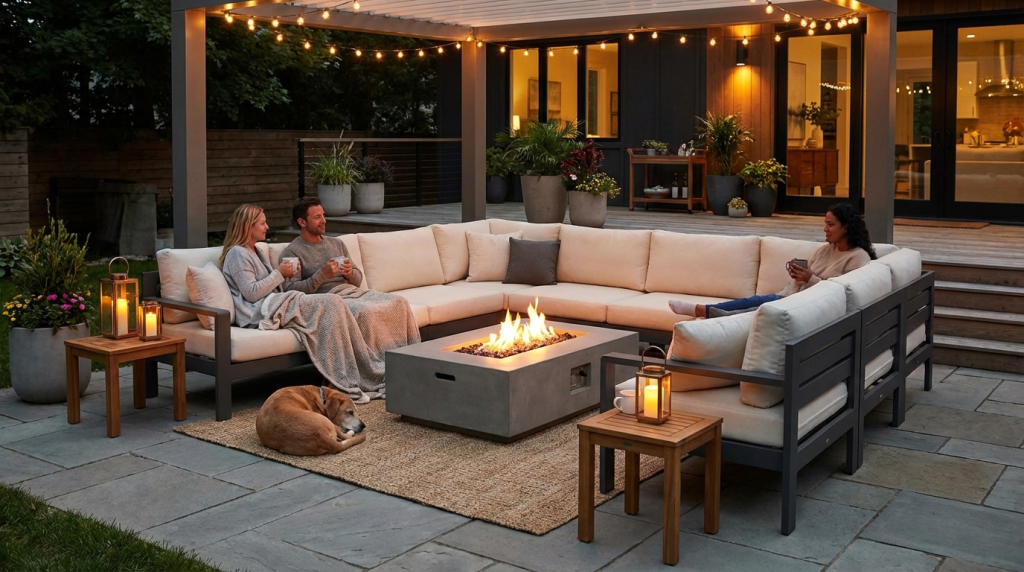
The table below outlines the aesthetic characteristics of current design trends favored by top international architects and designers.
| Design Style | Primary Material | Key Aesthetic | Ideal Setting |
|---|---|---|---|
| Minimalist | Aluminum | Sharp Lines | Urban Rooftops |
| Organic Modern | Teak / Rope | Natural Textures | Coastal Resorts |
| Industrial | Steel / Concrete | Raw Finishes | Modern Cafes |
Key Takeaway: Select a design language that aligns with your property’s architecture to create a seamless visual flow that enhances the guest’s perception of luxury and quality.
Look at the big picture.
VIII. Outdoor Furniture Buying Guide: Understand Long-Term Maintenance
Establishing a proactive maintenance schedule is the most effective way to protect your investment, and this outdoor furniture buying guide provides the essential protocols for long-term care. Even the most durable commercial-grade furniture requires periodic cleaning and inspection to remove environmental pollutants, salt spray, and organic debris that can cause surface staining or structural wear. From a supplier’s perspective, providing your staff with clear maintenance instructions ensures that the furniture retains its showroom appearance for its entire service life.
1. Daily and Weekly Cleaning Protocols
Regular cleaning with mild soap and water is usually sufficient to maintain the integrity of most outdoor finishes, provided the process is consistent and thorough.
- Rinse furniture weekly with fresh water to prevent the buildup of salt, chlorine, or atmospheric soot that can etch the coating.
- Use a soft-bristled brush to remove dust from intricate wicker weaves or rope patterns before it becomes embedded in the fibers.
- Clean spills immediately to prevent permanent staining, especially on light-colored fabrics or porous timber surfaces like teak.
- Avoid using pressure washers on high-heat settings, as the intense force can damage the protective powder coating or fray synthetic fibers.
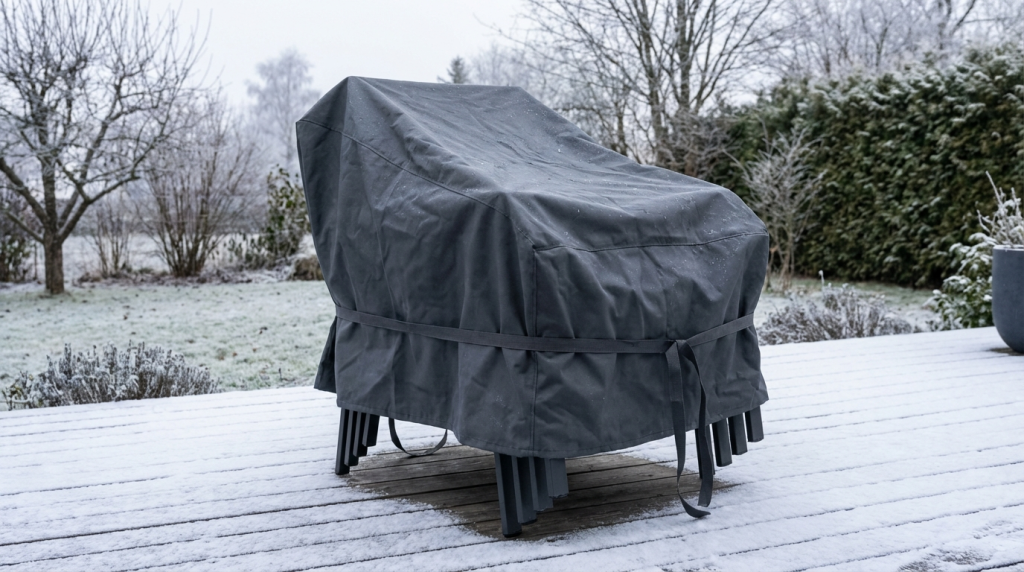
2. Seasonal Deep Cleaning and Protection
How deep should you go?
Deep cleaning twice a year involves the application of specialized protectants—such as teak sealers or fabric guards—that replenish the material’s natural defenses against UV rays and moisture. For timber components, a light sanding and oil application can restore the original golden luster of the wood, while metal frames can benefit from a layer of high-quality automotive wax to provide additional shine and protection.
3. Professional Quality Oversight
Regular maintenance inspections at the manufacturing level ensure that the furniture is built with ease-of-care in mind, utilizing components that are simple for facility managers to maintain.
The following maintenance schedule provides a template for commercial property managers to maximize the longevity of their outdoor furniture assets.
| Maintenance Task | Frequency | Estimated Time | Primary Benefit |
|---|---|---|---|
| Surface Rinsing | Weekly | 5 Mins/Piece | Prevents Corrosion |
| Fabric Laundering | Seasonally | 20 Mins/Set | Removes Bacteria |
| Hardware Check | Bi-Annually | 2 Mins/Piece | Ensures Safety |
Key Takeaway: Implement a standardized cleaning log for your maintenance team to ensure that small issues are addressed before they become permanent, costly damages.
Consistency is key.
IX. Compare Outdoor Furniture Options Before You Buy
A data-driven approach to procurement is emphasized in this outdoor furniture buying guide to help you objectively compare different material options based on performance and price. By visualizing how each material ranks across key categories—such as UV resistance, maintenance requirements, and corrosion stability—you can make a balanced decision that fits your specific project needs. In the Shandong manufacturing sector, we use these comparative metrics to help our B2B clients optimize their budgets by selecting the best-performing materials for their specific regional climates.
1. Performance Scoring by Category
Scoring materials across a standardized range of performance metrics allows for a quick assessment of which options are most suitable for high-exposure or low-maintenance environments.
- Corrosion stability is the primary concern for properties located within five miles of a coastline or saltwater pool.
- Maintenance ease determines the long-term labor costs associated with keeping the furniture in guest-ready condition throughout the year.
- UV resistance scores indicate how well the material will retain its color and structural flexibility in regions with high solar intensity.
- Weight and stability metrics are crucial for selecting furniture that will remain in place during high-wind events or storms.
2. ROI and Lifecycle Cost Analysis
Is the cheapest option truly cheaper?
A lifecycle cost analysis often reveals that spending more upfront on premium materials like aluminum or teak actually results in a lower “total cost of ownership” due to reduced replacement frequency and lower maintenance costs. When the initial price is amortized over a ten-year lifespan instead of a three-year lifespan, the premium option often emerges as the most financially responsible choice for any serious B2B buyer.
3. Material Performance Radar Analysis
Utilizing radar charts to compare material performance provides a holistic view of the trade-offs between durability, aesthetics, and maintenance requirements for each furniture type.
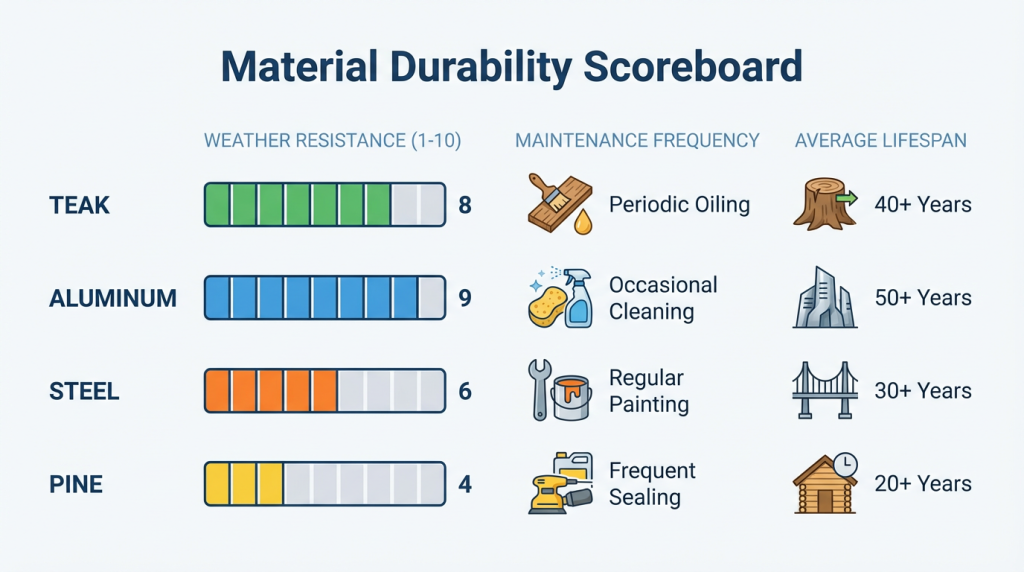
The table below provides a side-by-side performance comparison for the top four materials currently used in commercial outdoor furniture production.
| Performance Metric | Aluminum | Teak Wood | Resin Wicker | Stainless Steel |
|---|---|---|---|---|
| Rust Resistance | 10/10 | 10/10 | 10/10 | 9/10 |
| Maintenance Need | 2/10 | 6/10 | 3/10 | 4/10 |
| Durability Score | 9/10 | 10/10 | 8/10 | 10/10 |
Key Takeaway: Use comparative data rather than just initial pricing to drive your procurement decisions, as the long-term performance of the material is what determines the true value of your investment.
Think long-term.
X. Outdoor Furniture Buying Guide for Commercial Use
Meeting the rigorous demands of hospitality and public spaces is the final consideration of this outdoor furniture buying guide, where durability and safety take center stage. Commercial furniture must withstand 24/7 exposure and high-frequency guest turnover, which requires structural reinforcements and surface finishes that far exceed standard residential specifications. From hotel pool decks to public park installations, the furniture must be engineered to prevent accidents and resist the heavy wear-and-tear characteristic of professional environments.
1. Hospitality and Resort Standards
Resorts and hotels require furniture that can maintain a luxury appearance while being subjected to suntan oils, chlorine, and the constant movement of guests and cleaning staff.
- Anti-tipping designs for lounge chairs prevent injuries on wet pool decks and uneven terrace surfaces.
- Chlorine-resistant coatings on hardware ensure that small components do not rust and stain the surrounding deck or upholstery.
- Flame-retardant foams and fabrics are often required by local building codes for furniture used in public interior or transitional spaces.
- The ability to quickly replace individual parts—such as a single slat or cushion cover—is essential for maintaining a perfect appearance without replacing the entire set.
2. Public Space Safety and Stability
How safe is your seating?
Safety in public spaces involves more than just structural strength; it includes considerations for weighted bases on umbrellas and weighted frames for chairs to prevent them from being moved or tipped by high winds. Utilizing heavy-duty materials like cast aluminum or solid timber ensures that the furniture remains a stable and safe part of the public landscape, regardless of the weather conditions or user volume.
3. High-Traffic Performance Visualization
Visualizing furniture in a high-traffic, cinematic setting highlights the importance of choosing pieces that remain elegant and functional under the pressure of continuous commercial use.
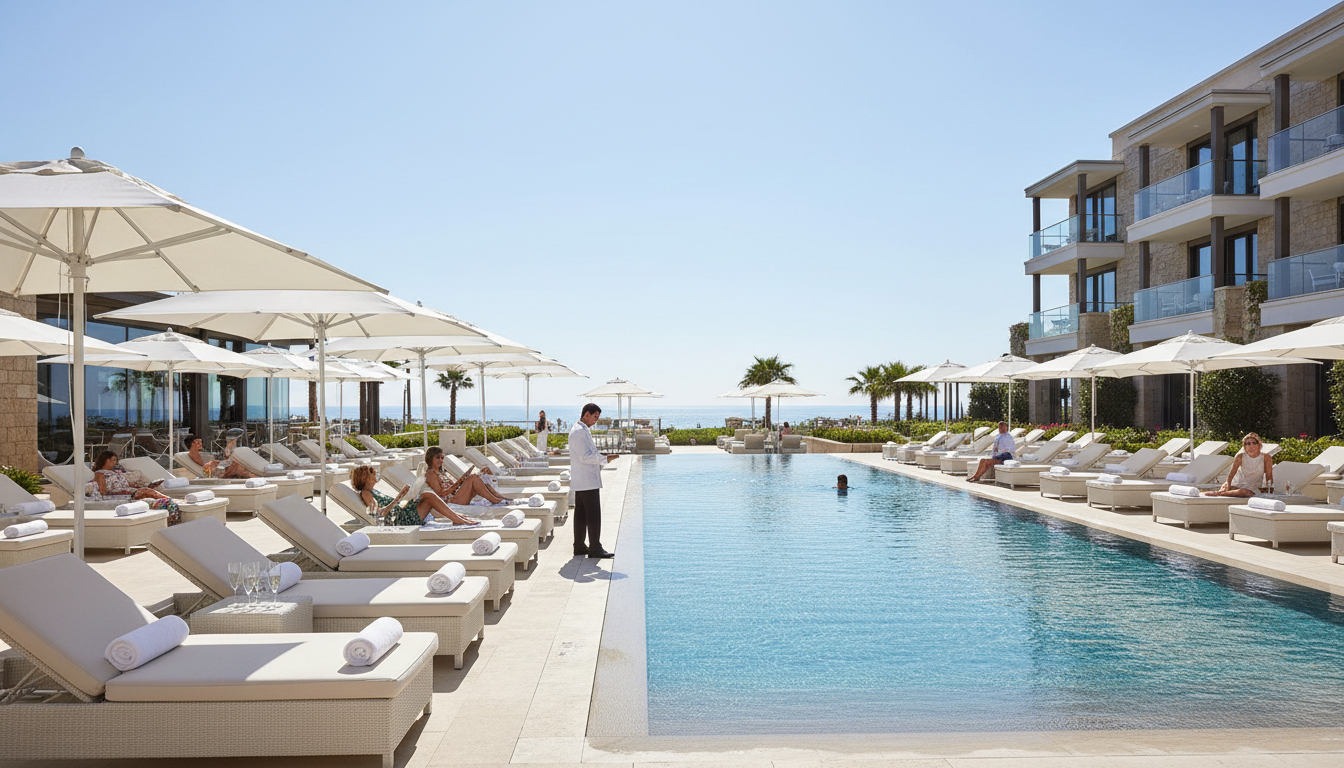
The table below summarizes the key differences between residential-grade and commercial-grade furniture specifications for B2B buyers.
| Feature | Residential Grade | Commercial Grade | B2B Importance |
|---|---|---|---|
| Wall Thickness | 1.2 mm | 1.8 – 2.5 mm | Structural Safety |
| Warranty Period | 1 Year | 3 – 5 Years | Risk Management |
| Fabric Cycles | 10,000 Double Rubs | 50,000+ Double Rubs | Wear Resistance |
Key Takeaway: Specify commercial-grade furniture with enhanced wall thickness and high-rub-count fabrics to ensure your property remains safe, stylish, and operational with minimal downtime for repairs.
Make the professional choice.
Frequently Asked Questions
How do I choose the right outdoor furniture materials for a coastal resort?
For coastal environments, priority must be given to corrosion-resistant metals like powder-coated aluminum or Grade 316 stainless steel, paired with solution-dyed acrylic fabrics that can withstand salt spray and intense UV exposure without degrading.
What is the best way to maximize my budget for large-scale furniture procurement?
Focus on the “Total Cost of Ownership” by selecting durable, low-maintenance materials that reduce the frequency of replacement; additionally, sourcing directly from a Shandong factory can lower costs by eliminating middleman markups while maintaining high quality.
How often should commercial outdoor furniture be maintained or replaced?
With proper weekly cleaning and seasonal deep maintenance, high-quality commercial furniture should last 5-10 years; however, fabrics and cushions may need replacement or professional cleaning every 3-5 years, depending on the intensity of use and climate.
Closing Note
Investing in outdoor furniture is an investment in your quality of life. By understanding the manufacturing standards, material science, and maintenance requirements outlined in this guide, you are equipped to create an outdoor oasis that will stand the test of time. For personalized consultations or to view our factory-direct collections, please feel free to contact us today. Our team is dedicated to helping you find the perfect balance of form and function for your unique space.