
Shipping furniture with hidden defects leads to costly returns and damaged reputations. You risk losing client trust when expectations don’t match reality due to communication gaps. Robust furniture quality control solves these inconsistencies. By establishing a shared language of technical excellence, both the factory and the buyer can operate with complete transparency.
Effective furniture quality control requires rigorous pre-shipment inspections covering structural integrity, moisture content, and packaging durability. By standardizing manufacturing protocols and closing information gaps between buyers and factories, you can significantly reduce defect rates and ensure every shipment meets international safety and aesthetic standards consistently. This proactive approach transforms a simple transaction into a long-term partnership built on reliable performance.
I. Global Standards for Furniture Quality Control

Global standards for furniture quality control serve as the definitive benchmark for ensuring that every piece of inventory meets the rigorous expectations of international buyers and regional regulatory bodies. By adopting recognized protocols such as BIFMA or ISO, you eliminate the ambiguity that often leads to misunderstandings regarding structural integrity and material durability during the manufacturing process. These standardized frameworks provide a common language between the factory and the client, reducing the likelihood of project delays or unexpected technical revisions. When a factory aligns with global benchmarks, it signals a commitment to professional maturity that resonates with high-tier retailers.
Market Trends and Export Demand
Market trends and export demand currently dictate that you must integrate sustainable sourcing and ergonomic designs into your primary furniture quality control strategy to remain competitive in the global landscape. As the appetite for high-end, durable goods increases in North America and Europe, your ability to document and verify compliance with regional safety codes becomes a significant value proposition for your brand. This evolution in market requirements means you should focus on the following core areas:
- Compliance with localized chemical emission regulations (VOCs).
- Verification of ethically harvested timber certifications like FSC or PEFC.
- Implementation of recycled packaging materials for environmental safety. Beyond the environmental aspect, buyers are increasingly looking for “smart” furniture integrations, requiring quality control processes to adapt to electronic component testing alongside traditional woodworking audits.
ANSI/BIFMA Compliance Requirements
ANSI/BIFMA compliance requirements provide you with a comprehensive set of performance-based tests designed to ensure the safety, durability, and functional adequacy of commercial-grade furniture items. When you adhere to these specific guidelines, you are guaranteeing that chairs, desks, and storage units can withstand the stress of long-term professional use without structural failure. Understanding why furniture orders fail often reveals that a lack of adherence to these structural benchmarks is the primary reason for post-shipment complaints. BIFMA standards are not merely suggestions; they are rigorous stress tests that simulate the lifecycle of a product in a high-traffic office or hospitality environment.
Standardizing Supplier Consistency
Standardizing supplier consistency involves the creation of detailed “Golden Samples” and technical specification sheets that leave zero room for interpretation or guesswork during the assembly phase. You must ensure that every subcontractor and production line manager understands the exact tolerances allowed for color variations, joint gaps, and hardware finishes to maintain a uniform brand identity. Without these rigid guidelines in place, the variation between different production batches can become a significant hurdle for your long-term scalability and client satisfaction. Consistency is the bedrock of brand trust, and it starts with a factory’s ability to replicate excellence across ten thousand units just as easily as they do for one.
The following table compares the implications of adopting global standards versus relying on localized, unconfirmed production methods.
| Feature | Global Standard Compliance | Unconfirmed Local Methods |
|---|---|---|
| Market Access | Open access to EU/US high-end retail | Restricted to low-tier markets |
| Structural Risk | Minimal due to fatigue testing | High due to unknown load limits |
| Customer Trust | High; certifications build brand value | Low; relies on anecdotal quality |
| Documentation | Fully traceable and verifiable | Gaps in material provenance |
Here is the kicker:
II. Visual Packing and Furniture Quality Control
Furniture quality control in the packing department involves more than just sealing boxes; it requires a meticulous eye for labeling accuracy and structural box integrity. You should verify that all shipping marks are legible and that the outer materials are sufficient to protect the goods during long-distance transit. By conducting these visual checks before the container is loaded, you can prevent significant logistical headaches caused by misidentified goods or damaged retail packaging. In the world of high-volume B2B, a single mislabeled pallet can lead to weeks of customs delays and thousands of dollars in storage fees.
Carton Strength and Shipping Marks
Carton strength and shipping marks must be evaluated using a standardized furniture quality inspection checklist to ensure that every box survives the rigors of ocean freight and local delivery. You should confirm that the bursting strength of the corrugated cardboard matches the agreed-upon technical specifications to prevent crushing during stacking. Proper labeling must include:
- Clear destination addresses and purchase order numbers.
- Accurate weight and dimension data for logistics planning.
- Fragile or orientation icons to guide handling teams. A factory that takes pride in its shipping marks is a factory that respects the buyer’s logistics chain, ensuring that the final “last-mile” delivery is as smooth as the production itself.
Retail Package and Literature Accuracy
Retail package and literature accuracy ensure that the end consumer receives the correct assembly instructions, hardware kits, and safety warnings required for a positive user experience. You must audit a random sample of finished boxes to verify that the printed graphics on the retail sleeves are sharp, color-accurate, and free from typographical errors. Discrepancies in the instruction manual can lead to improper assembly by the customer, which might unfairly reflect on the manufacturing quality of the piece. High-quality instruction manuals reduce consumer frustration and drastically lower the volume of support tickets generated by end-users.
Quantity and Accessory Verification
Quantity and accessory verification is a critical step where you confirm that every carton contains the exact number of components, screws, and tools listed on the packing slip. You should implement a double-count system at the packing station to catch human errors that often occur during high-volume production runs. Missing a single cam-lock or Allen wrench might seem minor, but it can result in a total product return and a dissatisfied client who cannot complete their furniture setup. This stage of quality control is essentially the final gatekeeper between a successful sale and a costly customer service intervention.
Review the specific checkpoints below to verify your packing integrity.
| Checkpoint | Target Specification | Verification Method |
|---|---|---|
| Carton Ply | Double-wall (5-ply) corrugated | Physical cross-section audit |
| Shipping Mark | Black ink, high-contrast, waterproof | Visual scan for legibility |
| Hardware Kit | Sealed polybags with counts | Weight-check or visual count |
| Instruction Manual | Regional language, updated version | Comparison with master file |
But there is more.
III. Barcode and Storage Furniture Quality Control
Barcode and storage furniture quality control ensures that your inventory remains trackable and physically preserved while awaiting dispatch from the factory warehouse. You must maintain a climate-controlled environment to prevent environmental stressors from degrading the finish or structural integrity of the finished goods. Implementing a robust digital tracking system allows you to manage stock levels accurately and ensures that the oldest batches are shipped first to maintain freshness. Proper warehouse management is often the difference between a pristine shipment and one that arrives with the subtle scent of mildew or yellowing cardboard.
Warehouse Moisture and Mold Prevention
Warehouse moisture and mold prevention is vital because excessive humidity can lead to fungal growth on wood surfaces and the deterioration of cardboard packaging. You should install industrial-grade hygrometers to monitor ambient air conditions and ensure that the storage area is well-ventilated and dry. To maintain pristine conditions, you must observe these storage protocols:
- Use of pallets to keep cartons off the damp floor.
- Regular rotation of stock to prevent stagnant air pockets.
- Implementation of silica gel packets in sensitive packaging. In regions with high seasonal humidity, like Shandong or Vietnam, active dehumidification systems become an essential part of the quality control infrastructure, protecting the buyer’s investment before it ever leaves the gate.
Scannable Barcode and Label Validation
Scannable barcode and label validation prevents the nightmare of “lost” inventory by ensuring that every SKU can be instantly read by standard warehouse management hardware. You must test barcodes at different angles and lighting conditions to confirm that the print quality is sufficient for high-speed scanning environments. A barcode that fails to scan during the intake process at a distribution center can lead to significant processing fees and manual data entry errors. The factory must treat the barcode with as much precision as the wood finish, recognizing its role as the product’s digital passport.
Palletization and Ventilation Standards
Palletization and ventilation standards involve organizing cartons in a way that maximizes space while allowing for adequate airflow between the stacked units. You should mandate that pallets are wrapped securely with stretch film but not so tightly that they deform the underlying boxes or trap internal moisture. Proper pallet configuration also facilitates easier loading into sea containers, reducing the risk of accidental damage during the use of forklifts or other heavy lifting equipment. Optimized palletization is a hallmark of a mature logistics department that understands the physical realities of ocean freight and container dynamics.
The summary below highlights the critical differences between optimized storage and unmanaged inventory conditions.
| Parameter | Standard Requirement | Risk of Non-Compliance |
|---|---|---|
| Ambient Humidity | Below 60% relative humidity | Mold growth and wood warping |
| Barcode Grade | Grade B or higher (ISO/IEC 15416) | Inbound receiving delays |
| Stacking Height | Max 4 layers (unless palletized) | Bottom carton crushing |
| Pallet Type | Heat-treated (ISPM 15) | Customs rejection at border |
Think about it:
IV. Workmanship and Furniture Quality Control
Workmanship and furniture quality control focuses on the aesthetic and tactile details that define a high-quality piece of furniture in the eyes of the consumer. You must inspect every surface for finish consistency, ensuring that the stain or paint application is even and free from drips or orange-peel textures. Because common quality issues in wooden furniture manufacturing often stem from minute oversights, a dedicated visual audit is necessary for every batch. The sensory experience of a customer—the way the wood feels and the way the joints look—is the most immediate way they judge your brand’s value.
Wood Finish and Surface Defect Check
Wood finish and surface defect checks are conducted to identify scratches, dents, or sanding marks that may have occurred during the final stages of the production line. You should utilize high-intensity lighting to reveal subtle imperfections in the clear coat or veneer that might not be visible under standard factory floor conditions. This process ensures that the tactile experience of the furniture is as premium as its visual appearance, reflecting a high level of craftsmanship. For solid wood pieces, this also includes checking for “grain lift” or rough spots that might appear after the first coat of sealer is applied.
Metal Welding and Burr Inspection
Metal welding and burr inspection are critical for pieces that combine industrial materials with wood, as sharp edges or uneven seams can pose a safety risk to the end user. You must ensure that all weld points are ground smooth and that the powder coating or plating is thick enough to prevent future oxidation and rust. Careful attention to these metal components includes:
- Checking for “spatter” or slag around joint connections.
- Verifying the consistency of the paint thickness on corners.
- Ensuring all structural bolts sit flush against the metal frame. A factory that masters the transition between wood and metal demonstrates a superior level of engineering capability, which is highly sought after in the modern B2B furniture market.
Logo and Labeling Legibility Audits
Logo and labeling legibility audits ensure that your brand identity is clearly represented and that all mandatory safety stickers are permanently affixed in the correct locations. You should verify that silk-screened logos are centered and that metal nameplates are attached securely without any adhesive residue leaking from the edges. Clear branding not only boosts the perceived value of the product but also ensures that warranty and contact information are readily available to the customer should they need assistance. Even the most beautiful chair can look amateurish if the brand logo is crooked or poorly printed.
The table below illustrates the difference between high-quality workmanship and common technical oversights found during inspections.
| Aspect | Premium Workmanship (Confirmed) | Information Gaps (Unconfirmed) |
|---|---|---|
| Joinery | Tight, gap-free dovetails or dowels | Visible gaps filled with excess glue |
| Surface | Silky smooth, multi-stage sanding | Rough grain or “raised” fibers |
| Coating | Uniform color across all panels | Blotchy staining or mismatched veneers |
| Hardware | Hidden fasteners or color-matched | Exposed screws or mismatched finishes |
The reality is this:
V. Assembly and Functional Furniture Quality Control
Assembly and functional furniture quality control involves physically building the product from the flat-pack state to verify that all parts fit together exactly as intended. You should use a “real-world” assembly test, using only the tools provided in the box, to identify any potential hurdles a consumer might face during setup. If the holes do not align or the instructions are confusing, you run the risk of high return rates regardless of how well the individual components were manufactured. This is where the engineering of the product meets the practical reality of the end-user’s living room.
Ease of Assembly and Part Alignment
Ease of assembly and part alignment is the primary indicator of a well-engineered furniture design that respects the time and effort of the end customer. You must ensure that pre-drilled holes are positioned with millimeter precision to accommodate the mounting of legs, brackets, and structural supports. When parts align perfectly, the structural integrity of the final piece is maximized, reducing the chances of the furniture becoming loose or unstable over time. Alignment issues are often a symptom of worn-out factory jigs or CNC calibration errors that must be addressed immediately to save the entire production run.
Hardware and Fitting Integrity
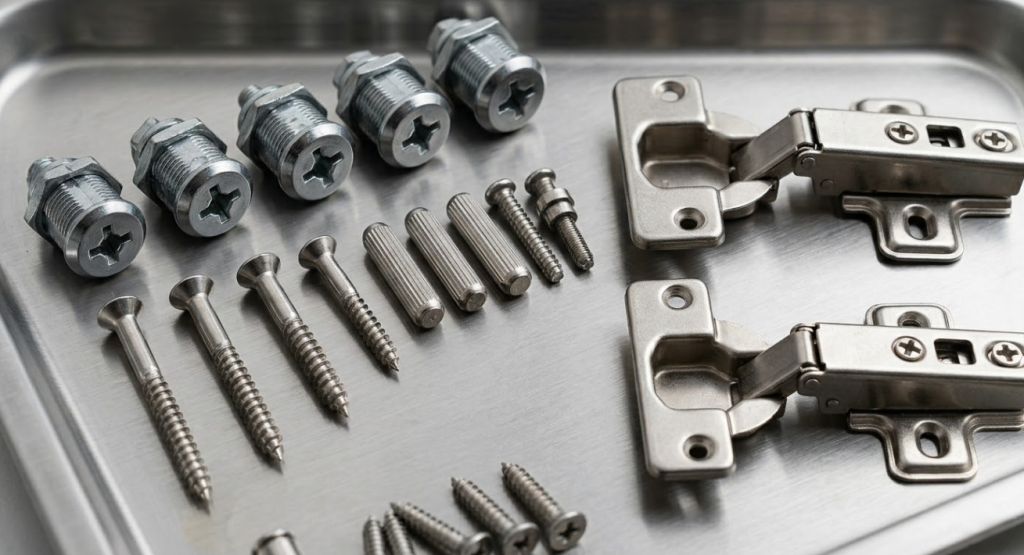
Hardware and fitting integrity refers to the quality of the screws, cam-locks, and hinges that hold the entire structure together under daily operational stress. You should perform torque tests to ensure that the hardware does not strip or break when the recommended amount of force is applied during the assembly process. To ensure longevity, you should verify the following hardware characteristics:
- High-tensile strength of metal fasteners.
- Smooth operation of drawer slides and door hinges.
- Proper fitment of plastic caps or decorative covers. Using Grade-A hardware might slightly increase the unit cost, but it pays for itself by preventing catastrophic failures and maintaining the product’s functional lifespan.
Full Capacity Functional Operation
Full capacity functional operation tests involve putting the furniture through its paces, such as opening and closing drawers multiple times or extending a dining table to its full length. You should listen for any squeaks, rattles, or grinding noises that might indicate internal friction or poorly fitted mechanical components. Ensuring that every moving part operates smoothly and quietly is essential for delivering a product that feels high-end and durable to the consumer. A drawer that glides silently is a powerful psychological cue of quality that users notice every time they interact with the piece.
The following table summarizes the key metrics for evaluating the success of the assembly and functional testing phase.
| Function | Pass Criteria | Typical Defect |
|---|---|---|
| Hole Alignment | < 0.5mm deviation from center | Offset holes requiring forced assembly |
| Drawer Slide | Silent, smooth, full extension | Sticking, grinding, or misalignment |
| Hinge Stability | No sag after 50 cycles | Loose screws or dropping door panels |
| Thread Quality | Hardware enters smoothly by hand | Burred threads or clogged paint |
Look closer:
VI. Stability and Furniture Quality Control
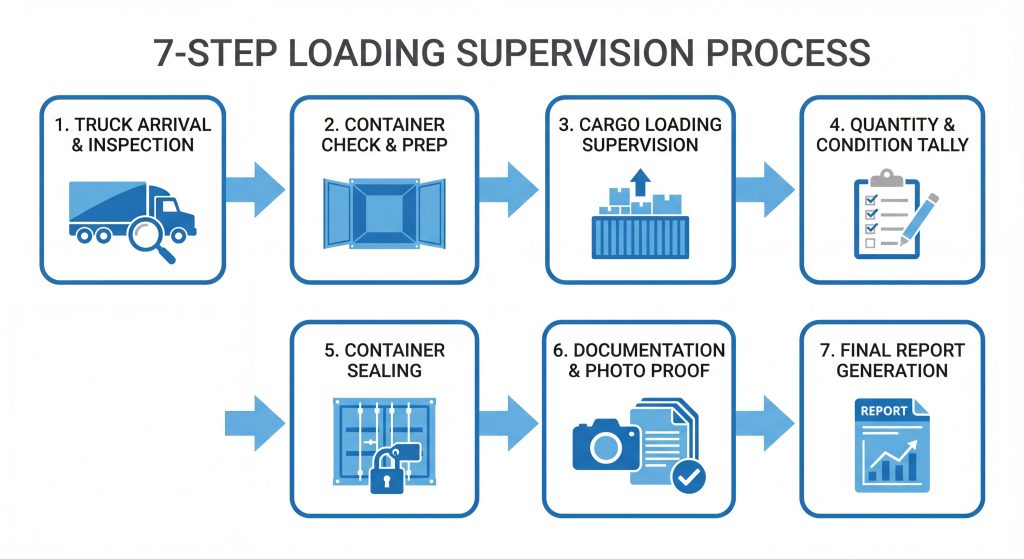
Stability and furniture quality control is perhaps the most critical safety aspect of your inspection process, as it directly impacts the physical safety of the user. You must perform “wobble” tests on a perfectly level surface to ensure that all legs make even contact with the ground and that the center of gravity is properly balanced. An unstable chair or shelving unit is not just a nuisance; it is a liability that can lead to injury and significant legal exposure for your brand. In the B2B world, safety is the non-negotiable floor upon which all other quality attributes are built.
Wobble Checks on Flat Surfaces
Wobble checks on flat surfaces are the first line of defense against manufacturing variances in leg length or frame squareness. You should use a gridded, level floor to detect even the slightest movement when downward pressure is applied to various points on the furniture piece. If a wobble is detected, you must determine if it is a result of a bent frame or an incorrectly sized leveling glide, allowing the factory to correct the issue before the batch is finalized. Consistent results here require the factory floor itself to be perfectly level, a detail often overlooked by smaller, less professional operations.
Fatigue and Structural Cycle Testing
Fatigue and structural cycle testing simulates years of usage in a matter of hours by applying repeated mechanical force to the joints and weight-bearing surfaces of the furniture. You should require the factory to use automated rigs that mimic the action of someone sitting down or leaning on a table thousands of times. This rigorous testing phase includes:
- Seat impact tests for chairs and sofas.
- Horizontal force tests for wardrobe stability.
- Backrest durability cycling for ergonomic office chairs. These tests reveal “latent defects”—issues that only appear after repeated stress—giving the buyer confidence that the furniture will last far beyond the warranty period.
Static Loading for Nominal Weight Use
Static loading for nominal weight use involves placing a heavy, calibrated weight on the furniture for an extended period to check for structural sagging or catastrophic failure. You should verify that the product can support at least 1.5 times its rated weight capacity to provide a safe margin for the end consumer. Monitoring the furniture after the weight is removed allows you to see if the materials return to their original shape or if permanent deformation has occurred in the wood or metal. If a bookshelf bows under a standard load, it suggests that the material thickness or density specifications were not met.
This table provides the essential weight requirements for various types of furniture stability testing.
| Furniture Category | Primary Stability Test | Weight Requirement (Static) |
|---|---|---|
| Dining Chairs | 4-way leg pressure test | 110 kg (242 lbs) |
| Tall Bookshelves | Anti-tip bracket pull test | 25 kg per shelf level |
| Office Desks | Corner loading deflection test | 75 kg (central load) |
| Bed Frames | Center rail support audit | 250 kg (distributed load) |
Here is why it matters:
VII. Wood Moisture Furniture Quality Control
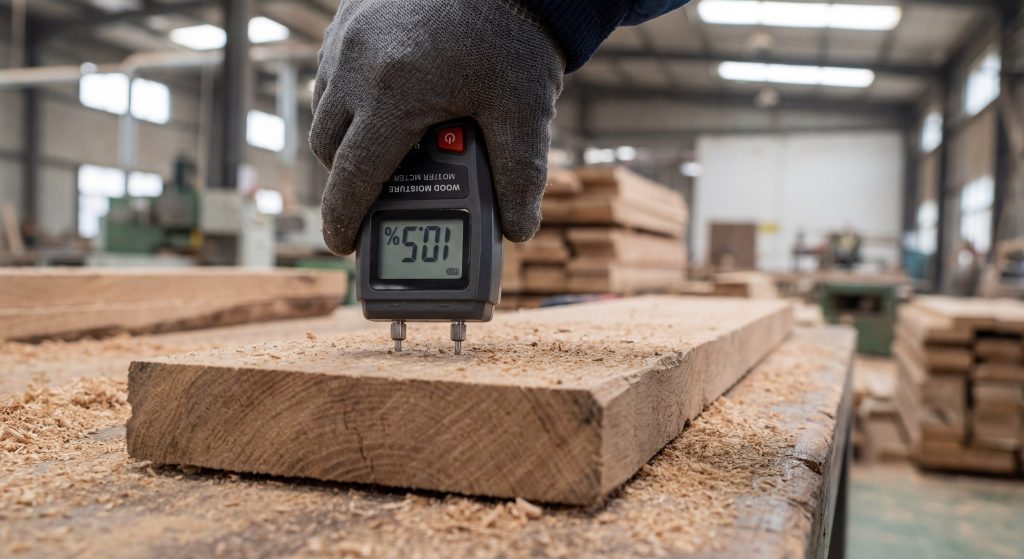
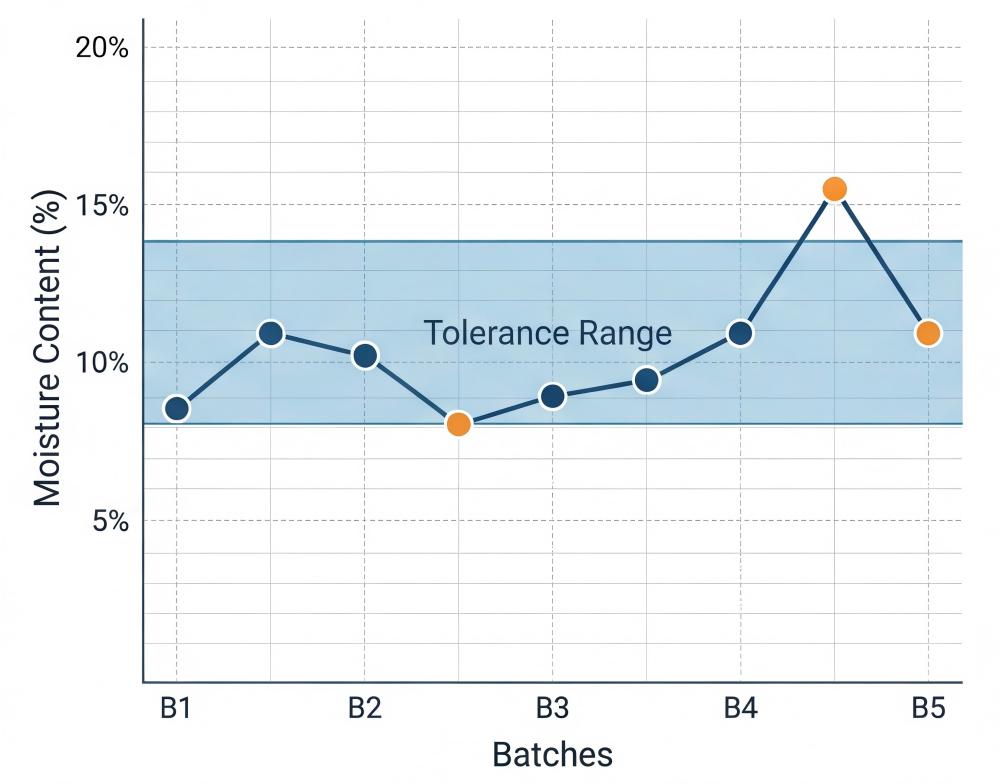
Wood moisture furniture quality control is essential for preventing the natural fibers of the timber from expanding or contracting in ways that compromise the structural integrity of the piece. You must ensure that the wood used in production has been properly kiln-dried to a moisture content that matches the destination climate of the end consumer. Failure to manage moisture levels is the leading cause of cracked panels, warped table tops, and loose joints that appear months after the product has been delivered. This technical detail is the invisible foundation of high-end woodworking.
Moisture Content Tolerance Levels
Moisture content tolerance levels vary depending on whether the furniture is intended for a humid tropical environment or a dry, heated indoor space in a northern climate. You should mandate that the factory uses digital moisture meters to check multiple points on each large wooden component, recording the data for every batch. To maintain high standards, you should follow these specific moisture guidelines:
- Target 6% to 9% for furniture destined for the USA/EU.
- Target 10% to 12% for furniture staying in Southeast Asia.
- Ensure less than a 2% variance between different components in the same piece. Matching the moisture content to the destination is a proactive measure that prevents the wood from “shocking” when it transitions from the factory environment to the customer’s climate.
Odor and Smell Test Comparisons
Odor and smell test comparisons are a subjective but necessary part of furniture quality control to ensure that the coatings and glues used do not emit harmful or unpleasant fumes. You should perform a “sniff test” immediately upon opening a freshly packed carton to check for strong chemical smells that could indicate high VOC levels or uncured finishes. While some “new furniture” smell is expected, a pungent or irritating odor is a sign that the drying process was rushed or that substandard materials were used in the factory. Consumers are increasingly sensitive to indoor air quality, making this audit vital for modern brands.
Material Certificate Verification
Material certificate verification involves auditing the paper trail of the timber, MDF, or plywood to ensure it matches the specifications agreed upon in the purchase order. You must verify that the factory is using the specific species of wood promised—such as solid oak versus an oak veneer—and that the materials are free from pests or illegal harvesting. Without verifying these certificates, you risk receiving goods that may be seized by customs or that fail to meet the sustainability claims you make to your customers. Ethical sourcing is no longer an option but a requirement in the global furniture trade.
The table below highlights the critical differences between properly dried wood and material that has been processed with technical gaps.
| Material Condition | Confirmed Dry (6-9% MC) | Unconfirmed/Damp (15%+ MC) |
|---|---|---|
| Joint Stability | Remains tight and structurally sound | Shrinkage leads to loose, rattling joints |
| Surface Finish | Smooth and consistent over time | “Checking” or small cracks in the finish |
| Mold Risk | Extremely low during ocean transit | High risk of fungal growth in the box |
| Structural Shape | Remains flat and true to design | Warping, bowing, or twisting of panels |
It gets even better:
VIII. Dimension and Weight Furniture Quality Control
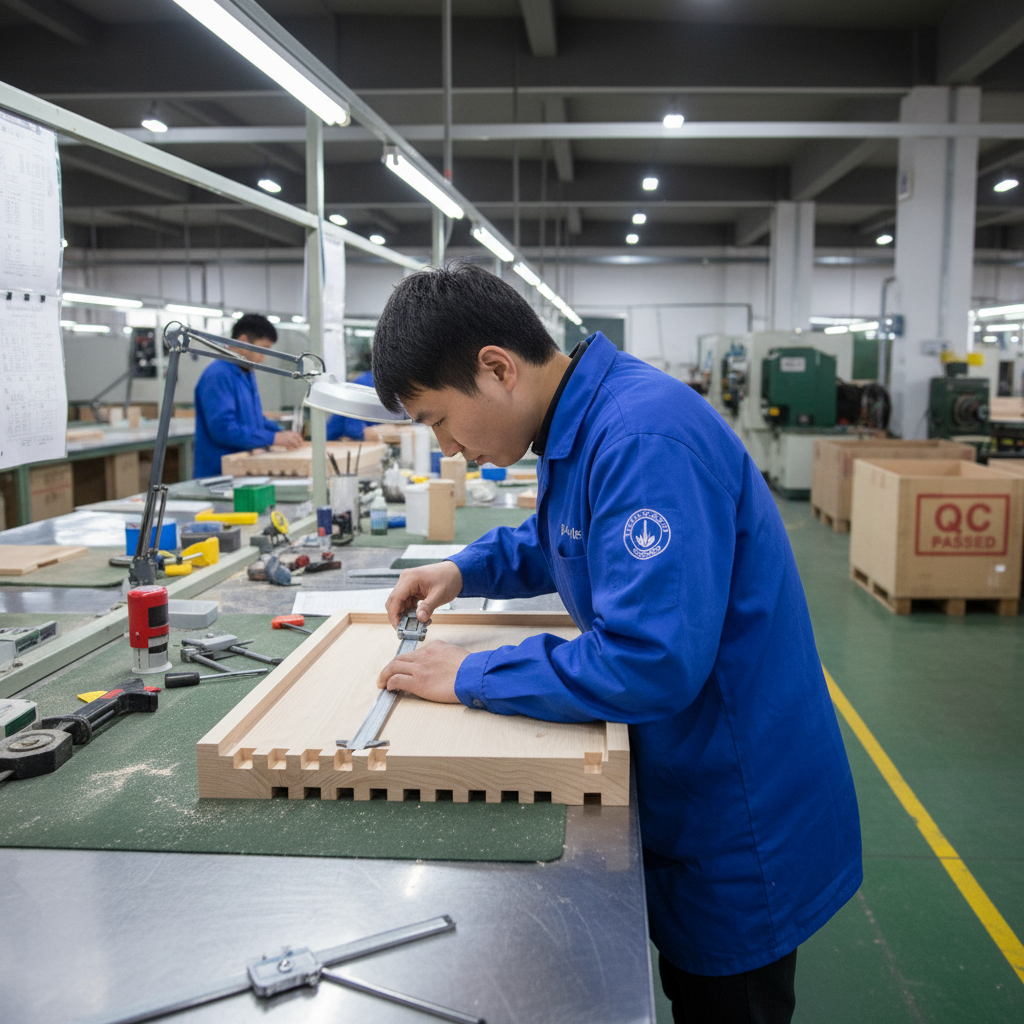
Dimension and weight furniture quality control provides a quantitative way to ensure that the factory is adhering to your technical drawings and material density requirements. You must use calibrated measurement tools to verify that the final product dimensions match the marketing materials you provide to your customers. Even a small discrepancy in size can lead to issues with the furniture fitting into its intended space or being compatible with standard-sized accessories like mattresses or cushions. In B2B manufacturing, precision is not a goal; it is a requirement.
Technical Drawing Measurement Audits
Technical drawing measurement audits involve comparing the physical product against the CAD files or blueprints that were used to initiate the production run. You should check critical dimensions such as seat height, overall width, and the depth of storage compartments to ensure they fall within the allowable tolerance range. Maintaining strict dimensional accuracy is especially important for:
- Modular furniture that must connect to other units.
- Built-in pieces designed for specific architectural gaps.
- Ergonomic chairs where height ratios are vital for comfort. A factory that follows the drawings perfectly reduces the risk of expensive redesigns or batch rejections by the buyer.
Net and Gross Weight Verification
Net and gross weight verification is used as a proxy for material quality, as a lighter-than-expected weight may indicate that a less dense, lower-quality wood or hollow metal was substituted. You should weigh a percentage of the finished cartons to ensure consistency across the shipment and to provide accurate data for shipping and freight calculations. If the weight fluctuates significantly between boxes, it is a red flag that the material composition is not uniform throughout the production batch. Accurate weight data also ensures that you are not overpaying for ocean freight based on incorrect estimates.
Component Alignment and Gap Checks
Component alignment and gap checks look at the spaces between doors, drawers, and frames to ensure they are even and consistent across the entire piece. You must ensure that the “reveal”—the gap between moving parts—is uniform, which is a hallmark of high-end furniture manufacturing and precision engineering. Uneven gaps are often a sign of poor hinge adjustment or a frame that was not assembled square, both of which can be corrected during the pre-shipment inspection. This level of detail is what separates “commodity” furniture from “luxury” pieces in the eyes of the consumer.
The following table summarizes the dimensional and weight tolerances that should be expected in professional furniture manufacturing.
| Measurement Category | Acceptable Tolerance | Tools Used |
|---|---|---|
| Overall Dimensions | +/- 3mm | Steel Tape / Laser Measure |
| Material Thickness | +/- 0.5mm | Digital Calipers |
| Product Weight | +/- 5% of target | Industrial Platform Scale |
| Gap Uniformity | +/- 1mm across the span | Feeler Gauges / Visual Audit |
Wait, there is a twist:
IX. Packaging Durability Furniture Quality Control

Packaging durability furniture quality control is your insurance policy against the rough handling that occurs during international shipping and last-mile delivery. You must simulate the worst-case scenarios—such as a box being dropped from a delivery truck or stacked under heavy pallets—to ensure the furniture inside remains pristine. Investing in high-quality packaging might increase initial costs, but it significantly reduces the long-term expenses associated with damaged goods and replacement shipments. Damage during transit is one of the most common friction points in the supplier-buyer relationship.
Carton Stacking and Compression Tests
Carton stacking and compression tests determine how much weight the bottom box in a stack can withstand before it begins to deform or collapse. You should calculate the maximum stacking height in the shipping container and then test the packaging to ensure it can support at least 200% of that load to account for the vibrations of sea travel. This testing helps you avoid:
- “Accordion” crushing of the outer cardboard.
- Pressure damage to the finish of the furniture inside.
- Structural failure of the retail packaging. Robust stacking tests are particularly important for heavy solid wood items that place immense pressure on the structural corners of the box.
ISTA 2C Drop Test Procedures
ISTA 2C drop test procedures provide a standardized way to evaluate the protective performance of your packaging by dropping the carton from various heights and on different faces. You should witness this test to confirm that the internal protective elements, such as EPE foam, honeycomb cardboard, or corner protectors, are doing their job effectively. A successful drop test means the product arrives in the customer’s home in the same condition it left the factory, regardless of the bumps along the way. ISTA certification is the industry gold standard for packaging reliability and is often required by major e-commerce retailers.
Free Fall Impact Sequence Verification
Free fall impact sequence verification involves a specific series of drops—usually starting with a corner, then edges, and finally the flat faces—to test the weakest points of the packaging design. You should look for any signs of the furniture shifting inside the box, as internal movement is the primary cause of scratches and broken components during transit. To optimize the packaging, you should verify:
- No direct contact between the product and the outer carton.
- Use of reinforced edge boards for heavy items.
- Secure taping and strapping to prevent accidental opening. A box that remains intact after a series of calculated drops is the best defense against the unpredictable nature of global logistics.
Review the packaging tests required to ensure your furniture survives the global supply chain.
| Test Type | Objective | Success Criteria |
|---|---|---|
| Drop Test | Simulate accidental falls | Zero damage to internal product |
| Vibration Test | Simulate truck/ship transit | No loose hardware or surface rubs |
| Edge Crush (ECT) | Measure cardboard strength | Meets minimum 44 ECT rating |
| Moisture Soak | Test box integrity in humidity | Box remains rigid and structural |
The bottom line is:
X. Defect Prevention in Furniture Quality Control

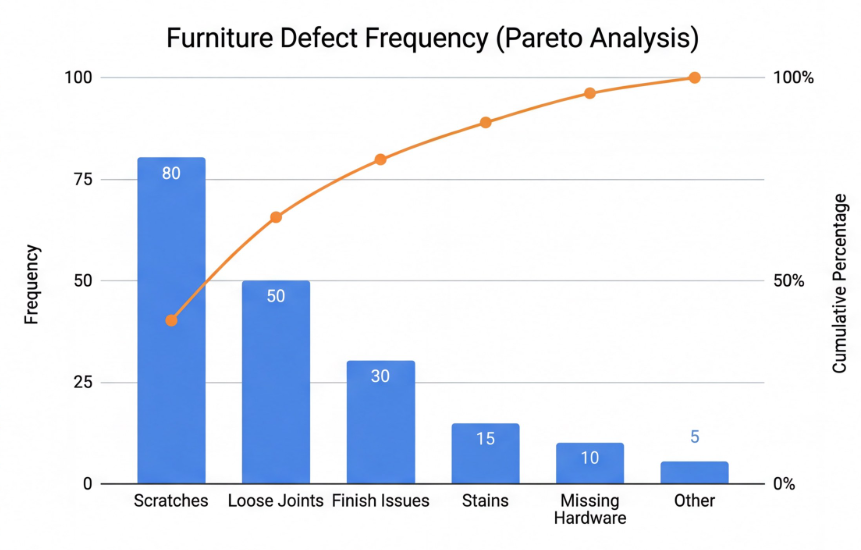
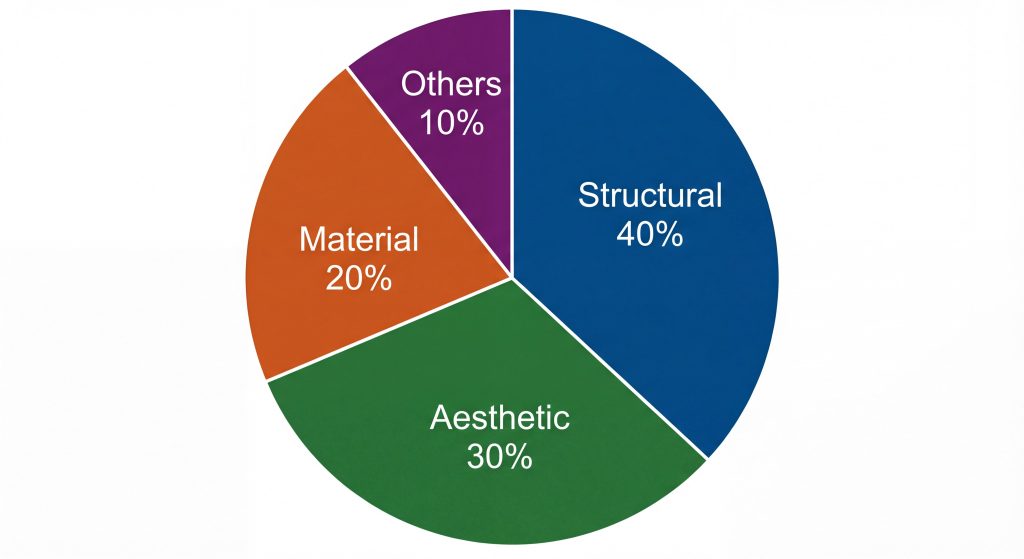
Defect prevention in furniture quality control is a proactive strategy that identifies potential failures before they occur by analyzing the root causes of previous manufacturing issues. You must foster a culture of continuous improvement within the factory, where feedback from the inspection team is used to refine the production process in real-time. By closing the information gaps that lead to common defects, you can transition from simply “catching” errors to preventing them from ever happening. This proactive stance creates a more profitable and less stressful environment for both the supplier and the buyer.
Identifying Material Deterioration
Identifying material deterioration involves checking for signs that raw materials, such as leather, fabric, or wood, have been stored improperly before they even reach the assembly line. You should inspect the “incoming” material warehouse to ensure that textiles are not fading in the sun and that leather hides are not drying out and cracking. Catching these material-level issues early prevents you from wasting time and labor on assembling furniture that is destined to be rejected during the final audit. A factory’s quality starts at the loading dock where the raw materials are first received.
Structural Frame and Finish Failures
Structural frame and finish failures are often the result of improper glue curing times or incorrect temperatures in the spray booth during the finishing stage. You should work with the factory to monitor these environmental variables, ensuring that the production environment is optimized for the specific materials being used. Proactive measures to prevent failure include:
- Regular maintenance of woodworking machinery.
- Calibration of temperature and humidity in the painting room.
- Verification of glue strength through periodic destructive testing. Stable environmental conditions are the “secret ingredient” that allows a factory to produce consistent results day after day, regardless of external weather changes.
Managing Shipping Carton Damage
Managing shipping carton damage requires you to analyze how the goods are handled not just in the factory, but at every touchpoint until they reach the final consumer. You should collect data on where damage most frequently occurs—whether it’s at the port, the distribution center, or during home delivery—to adjust your packaging strategy accordingly. This holistic view of the supply chain allows you to implement targeted improvements that protect your investment and maintain your reputation for quality. Feedback from the warehouse is the most valuable data a quality control manager can receive.
This final table compares proactive prevention strategies with reactive correction methods.
| Strategy Type | Proactive Prevention | Reactive Correction |
|---|---|---|
| Cost Impact | Low (initial investment in QC) | High (returns, repairs, air-freight) |
| Brand Reputation | High (consistent product quality) | Low (inconsistent “luck” shipments) |
| Factory Relationship | Collaborative (shared standards) | Conflict-based (blame for defects) |
| Long-term Value | Sustainable and scalable | Unpredictable and risky |
This is just the beginning.
Many furniture defects that appear during inspection are not isolated problems.
They often trace back to earlier sourcing decisions, supplier capability gaps, or unclear production specifications.
For a deeper explanation of these hidden risks, see Why Furniture Orders Fail: Hidden Causes Buyers Often Miss.
Frequently Asked Questions
Can I conduct furniture quality control checks remotely using third-party inspection teams to save on travel costs?
Yes, hiring professional third-party inspection agencies is a standard industry practice that provides an unbiased, expert view of your production without the need for international travel. These teams use your specific checklists and send detailed digital reports with photos and videos, allowing you to make informed shipping decisions from your home office. This method provides the boots-on-the-ground presence required to maintain high standards without the overhead of constant travel.
What’s the best way to handle minor cosmetic variances that do not impact the structural integrity of the furniture?
The best way is to define “Acceptable Quality Limits” (AQL) in your contract, which specifies exactly how many minor blemishes are allowed per batch. By providing the factory with visual “limit samples” showing the maximum allowable variance, you remove the guesswork and ensure that both parties have the same expectations for the final finish. This clarity prevents subjective disputes and keeps production moving smoothly.
How do I know if the factory’s internal moisture meter is accurately calibrated for the specific wood species being used?
You should request the factory’s calibration certificates for their equipment and occasionally bring your own calibrated moisture meter to perform a “side-by-side” comparison. Professional meters have different settings for various wood densities, so ensuring the inspector is using the correct species setting is vital for getting an accurate reading. Regular verification of measurement tools is a core part of a mature quality management system.
Closing Note
Implementing rigorous furniture quality control is the only way to bridge information gaps and prevent costly shipping defects. We can help you implement these checks to ensure your brand’s vision for excellence is met in every container. To secure your supply chain, contact us today to discuss your next furniture production project.