
Finding a reliable supplier feels like gambling with your brand’s hard-earned reputation when information gaps persist. Late deliveries and “good enough” quality create costly gray areas that drain your profit margins and lead to massive customer dissatisfaction. You need a systematic way to choose furniture manufacturers before placing a deposit to secure your long-term success.
To choose furniture manufacturers, you must audit their production capacity, verify ISO certifications, and analyze financial stability while requesting physical prototypes. Focusing on technical expertise and clear communication protocols ensures you eliminate information gaps and “gray areas” that lead to most manufacturing failures and unconfirmed supplier responsibilities.
I. Set Clear Standards to Choose Furniture Manufacturers
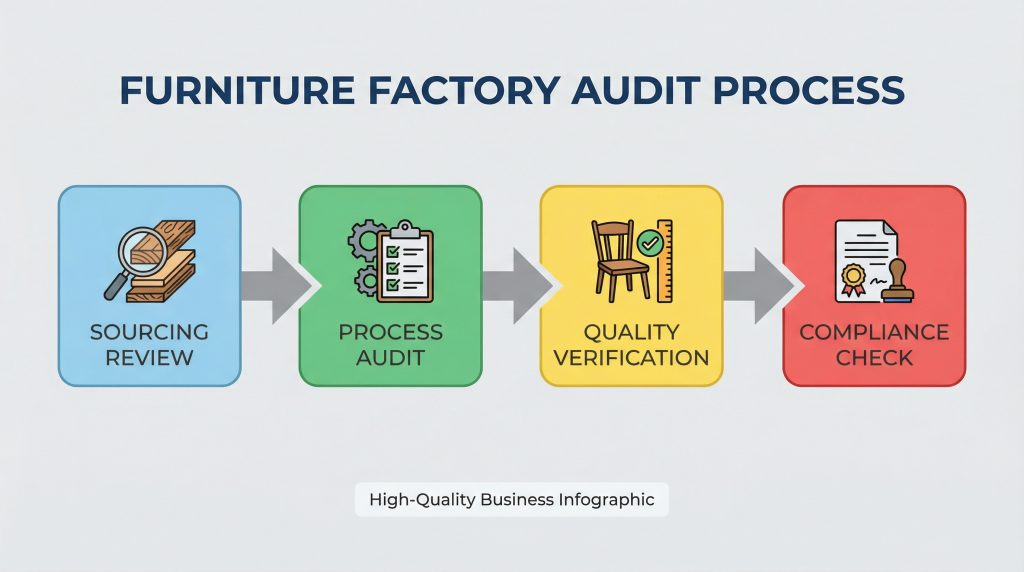
To choose furniture manufacturers effectively, you must start by defining the technical boundaries of your product to eliminate any room for supplier guesswork. Most failures occur not because of incompetence, but because the “gray areas” of your requirements allowed for multiple interpretations on the factory floor.
Does your design have a bill of materials?
The bill of materials (BOM) serves as the DNA of your product, listing every wood species, screw type, and adhesive grade required for assembly. Make no mistake: if you do not specify the exact moisture content for timber, a factory might use whatever is available in their current inventory.
Are your CAD drawings truly production-ready?
A professional manufacturer needs millimeter-accurate drawings that account for joinery tolerances and material expansion in different climates. Think about it: a beautiful rendering is just a concept, but a technical blueprint is a binding instruction that prevents structural failure at the retail level.
Have you defined the finishing requirements?
Specify your sheen levels, stain codes, and surface resistance levels for heat and liquids to ensure the final look matches your brand’s aesthetic. Here is the truth: without a physical master sample for color matching, the factory’s “natural oak” may differ significantly from yours due to simple lighting variations.
The following table compares the risks associated with standardized vs. custom manufacturing to help you determine the depth of specification needed.
| Aspect | Standardized Production | Custom Manufacturing | Risk Analysis |
|---|---|---|---|
| Tooling Needs | Pre-existing jigs used | Custom molds/jigs required | Custom requires 2x the lead time for setup. |
| Material Consistency | High due to bulk stock | Variable based on sourcing | Custom orders often face “gray areas” in grading. |
| Lead Time | 30-45 Days | 60-90 Days | Complexity adds 100% more time to the timeline. |
| Quality Control | Automated/Routine | Manual/High-Intensity | Custom orders require 3x more inspection points. |
But wait, there’s more:
Key Takeaway: Providing granular specifications shifts the burden of proof from your interpretation to the factory’s execution, removing the “unconfirmed gray areas” that lead to disputes.
II. How to Choose Furniture Manufacturers’ Capacity
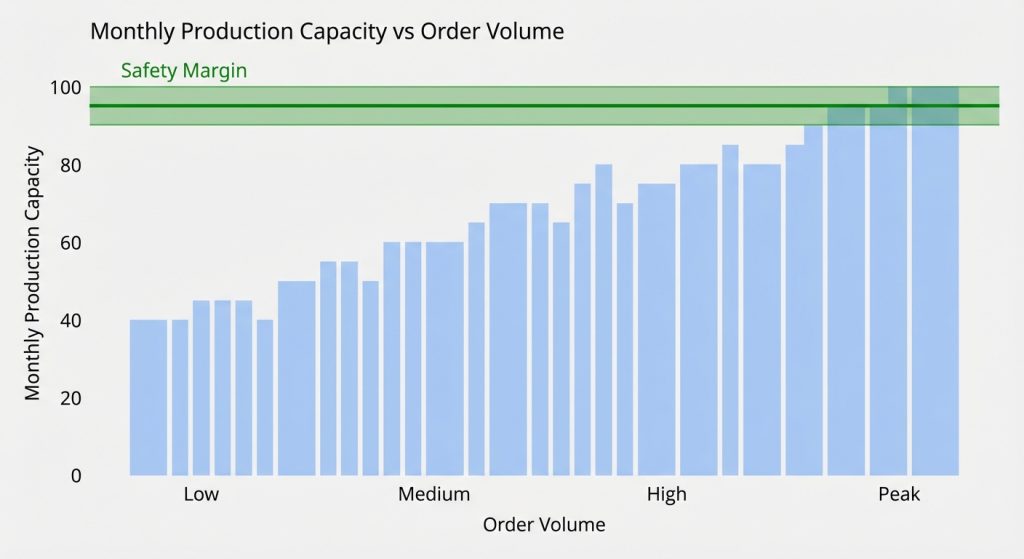
You must choose furniture manufacturers based on their ability to scale production without sacrificing the integrity of the individual piece during peak seasons. A factory’s maximum output should always leave a safety margin of at least twenty percent to account for unexpected machine downtime or labor shortages.
Where are the lead time bottlenecks?
Analyze the production flow to identify if the factory relies on external partners for critical processes like UV coating or specialized metalwork. Let’s dive deeper: every time a semi-finished product leaves the factory for outsourcing, the “gray area” of responsibility expands, and your risk of delay increases exponentially.
Can the factory handle seasonal surges?
Ask for historical output data from the last three years to see how they managed orders during the pre-holiday rush. Believe it or not: many factories over-promise during the quoting stage and then face a labor crisis when multiple large clients place orders simultaneously.
What is the worker-to-machine ratio?
A modern facility should have a balanced ratio where CNC precision handles the heavy lifting while skilled artisans focus on sanding and fine assembly. You might be wondering: high automation reduces human error, but skilled hand-finishing is what differentiates a premium product from a mass-market commodity.
Below is a summary of the metrics you should look for when determining if a supplier can scale with your business growth.
| Metric | Industry Standard | High-Performance Range | Impact on Buyer |
|---|---|---|---|
| Floor Space | 5,000 sqm | 15,000+ sqm | Larger space allows for better workflow organization. |
| Monthly Units | 2,000 pieces | 8,000+ pieces | High volume indicates robust supply chain management. |
| Skilled Staff | 50 workers | 200+ workers | More artisans mean better detail in manual finishing. |
| Machine Age | < 10 years | < 5 years | Newer tech ensures tighter tolerances and less waste. |
It gets better:
Key Takeaway: Always select a manufacturer whose total capacity is at least 30% greater than your current order volume to ensure you are never the “low priority” client.
Many furniture sourcing problems actually start during supplier verification.
When factory capabilities, production consistency, or communication standards are not carefully evaluated, the order may fail later during production or delivery.
For a detailed breakdown of these hidden risks, see Why Furniture Orders Fail: Hidden Risks Buyers Often Miss.
III. Audit Quality Systems to Choose Furniture Manufacturers
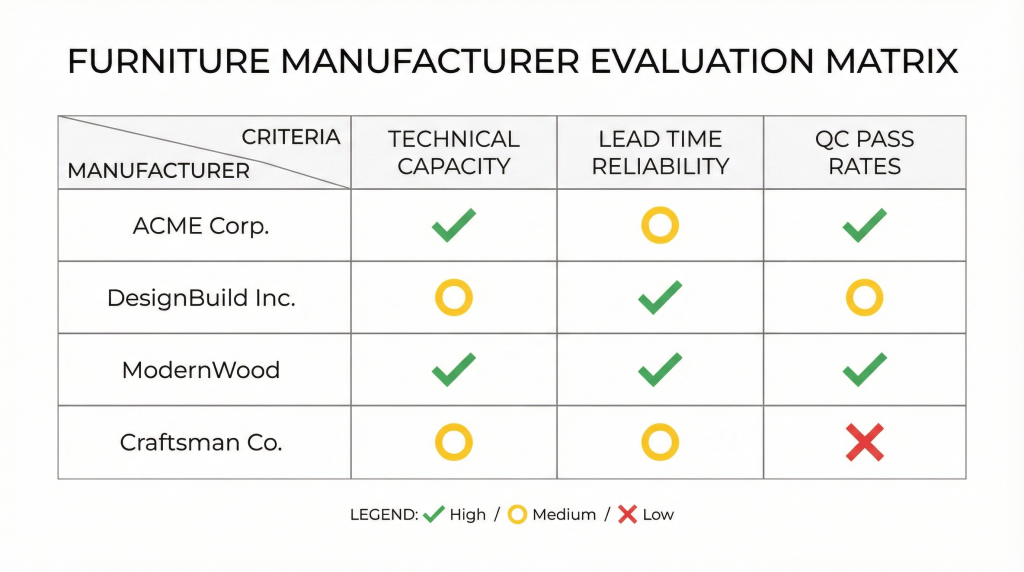
When you choose furniture manufacturers, the focus should be on their internal Quality Management System (QMS) rather than just the beauty of a single showroom sample. You need to see evidence that quality is a repeatable process integrated into every station of the production line.
Is the QC team truly independent?
The quality control department should report directly to management, not to the production manager, to avoid the temptation of shipping defective goods to meet quotas. Make no mistake: a factory without an independent furniture quality control protocol is essentially grading its own homework.
How do they handle raw material testing?
Verify that the manufacturer tests incoming timber for moisture levels and scans for metal inclusions before the first cut is made. The best part? Proactive material testing prevents “gray area” issues like warping or cracking that typically only appear months after the product arrives in your warehouse.
What is their documented defect rate?
Ask to see the logs for their In-Process Quality Control (IPQC) and how they categorize major versus minor defects. Here is the truth: a factory that claims a zero percent defect rate is likely not tracking their data accurately, whereas a transparent supplier will show you their corrective action plans.
The table below outlines the maturity of a factory’s quality system based on observable evidence during an audit.
| QMS Element | Basic Level | Advanced Level | Verification Action |
|---|---|---|---|
| Inspection Type | Visual only | Digital/Instrumental | Check for calipers, moisture meters, and gloss meters. |
| Record Keeping | Paper notes | Digital Cloud ERP | Review the last 3 months of rejection reports. |
| Testing Lab | Outsourced | In-house Lab | Visit the testing room to see if equipment is used. |
| Staff Training | On-the-job | Certified Training | Request training logs for new assembly line workers. |
But wait, there’s more:
Key Takeaway: A documented QMS turns quality from a “hopeful outcome” into a “contractual certainty,” protecting you from the high costs of mass defects.
IV. Financial Health in Your Choose Furniture Manufacturers Plan
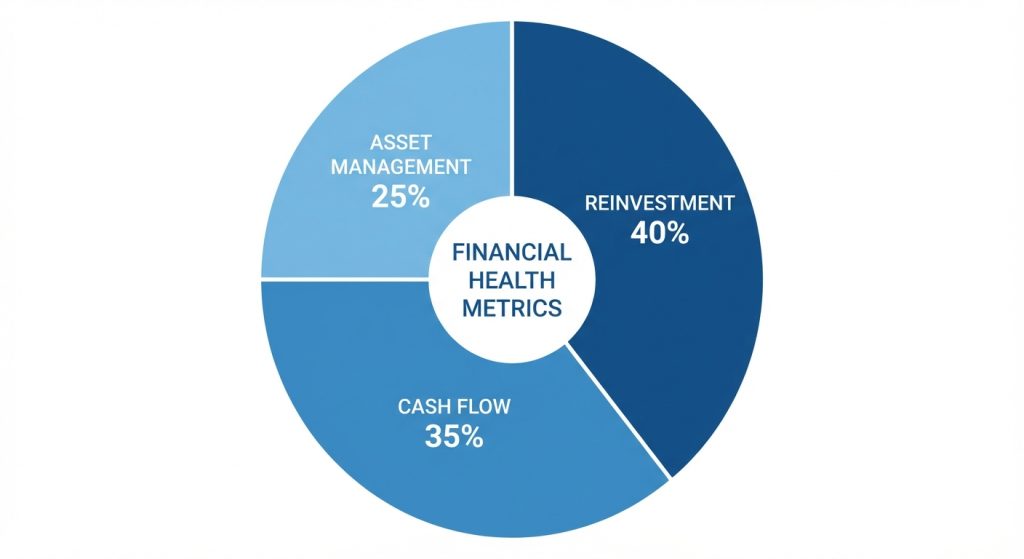
A strategic move to choose furniture manufacturers involves looking at their financial stability to ensure they can survive market downturns and reinvest in their operations. Financial distress is a primary driver of “gray area” risks, as struggling factories may silently swap high-quality materials for cheaper alternatives to save costs.
Do they reinvest in new technology?
A healthy factory is visible through its equipment; look for recent investments in European-made CNC routers or automated painting lines. Think about it: a supplier who stops buying new machinery is likely struggling with cash flow, which could lead to project abandonment mid-production.
Are their payment terms industry-standard?
Be cautious of manufacturers who demand 100% payment upfront or refuse to work with third-party escrow services for initial orders. Let’s dive deeper: flexibility in payment terms usually indicates that the supplier has enough liquid capital to purchase raw materials without relying solely on your deposit.
What is their staff turnover rate?
High turnover in the management or engineering departments is often a sign of financial instability or a toxic culture that leads to production errors. Believe it or not: long-term employees hold the “tribal knowledge” of the factory, and losing them creates massive information gaps in your project.
This comparison table highlights the financial indicators that separate a low-risk partner from a high-risk gamble.
| Indicator | Low Risk Profile | High Risk Profile | Buyer Recommendation |
|---|---|---|---|
| Payment Terms | 30% Deposit / 70% BL | 50% – 100% Upfront | Stick to the 30/70 model for safety. |
| Machine Status | Modern & Well-Maintained | Dusty & Frequently Down | Avoid factories with outdated machinery. |
| Client Base | Diverse International Mix | Single Dominant Client | Look for a diverse portfolio of long-term clients. |
| Credit Rating | Verified by Third-Party | No Financial Transparency | Use credit reports for high-volume contracts. |
What does this mean for you?
Key Takeaway: Financial due diligence prevents the nightmare scenario of a factory closing its doors after you have already wired a substantial down payment.
V. Tech Expertise to Choose Furniture Manufacturers
You must choose furniture manufacturers by the level of technical sophistication they apply to complex joinery and finishing. While traditional methods have their place, modern furniture retail demands a level of precision that can only be achieved through advanced technological integration.
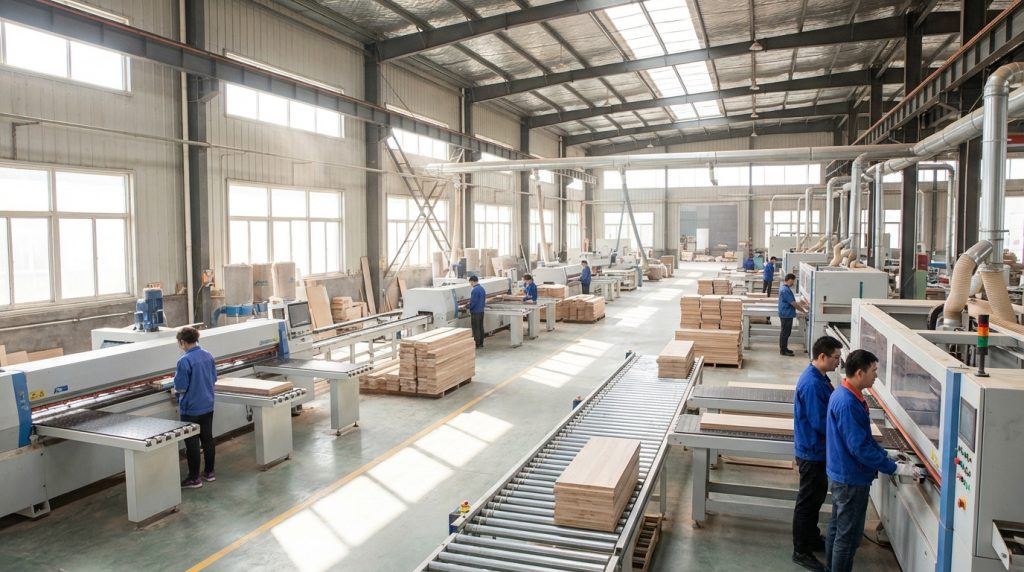
Is the factory using 5-axis CNC machines?
Standard 3-axis machines are fine for flat panels, but complex curves and intricate carvings require 5-axis technology for absolute consistency. The best part? Advanced machinery reduces the “gray area” of human error, ensuring that the 5,000th unit is an exact clone of the approved prototype.
How is the surface preparation handled?
A common area for unconfirmed quality issues is the sanding phase; ask if they use wide-belt sanders or manual sanding blocks. Here is the truth: inconsistent sanding leads to “blotchy” finishes where the wood grain absorbs stain unevenly, a defect that is often hidden under thick topcoats.
Do they utilize UV-cured finishing lines?
UV coating provides a much harder and more durable surface than traditional air-dried lacquers, which is critical for dining tables and office desks. You might be wondering: does it cost more? While the initial setup is expensive for the factory, the speed and durability actually lower your long-term replacement costs.
To help you understand the value of technology, see the table below for the impact of machinery on furniture longevity.
| Process | Manual Method | Automated Tech | Quality Result |
|---|---|---|---|
| Joinery | Hand-cut tenons | CNC Dovetailing | 100% fit with zero “creaking” over time. |
| Sanding | Hand-held orbital | Automated Sanding Line | Perfectly smooth surface for superior finish adhesion. |
| Coating | Spray booth | UV Roller Coating | High scratch resistance and eco-friendly curing. |
| Edge Banding | Manual gluing | Laser Edge Banding | Invisible seams that won’t peel in high humidity. |
It gets better:
Key Takeaway: Matching your product’s complexity to the manufacturer’s technical tier is the best way to ensure your designs are “manufacturable” at scale.
VI. Communication: A Key to Choose Furniture Manufacturers
Clear communication is the bridge that spans the “gray areas” between your vision and the factory’s reality. When you choose furniture manufacturers, pay close attention to the speed and technical accuracy of their responses during the RFQ phase.

Do they have dedicated project managers?
You need a single point of contact who understands both your business culture and the factory’s technical limitations. Make no mistake: if you are forced to speak to a different salesperson every week, critical details about your order will eventually fall through the cracks.
How do they handle technical feedback?
A superior manufacturer will not just say “yes” to everything; they will provide proactive suggestions to improve durability or reduce costs. Let’s dive deeper: a supplier who challenges a weak design is showing you that they care about the final product’s performance in the real world.
What is their digital reporting cadence?
Ask for a sample production report to see if they include high-resolution photos and videos of the actual work in progress. Believe it or not: receiving a “production is fine” email is not a report; you need visual proof of the raw material state and the assembly line progress.
The scorecard below helps you quantify the communication efficiency of your potential furniture partners.
| Communication Metric | Poor Performance | Excellent Performance | Weighting |
|---|---|---|---|
| Response Time | Over 24 hours | Under 12 hours | 30% |
| Language Accuracy | Frequent misunderstandings | Technical fluency | 20% |
| Proactive Feedback | None; just takes orders | Suggests design optimizations | 30% |
| Transparency | Hides production issues | Reports delays immediately | 20% |
You might be wondering:
Key Takeaway: High communication scores are a leading indicator of a supplier’s reliability; if they are slow during the “honeymoon” phase, they will be silent during a crisis.
VII. Ethics Help You Choose Furniture Manufacturers
Modern buyers increasingly choose furniture manufacturers based on their environmental footprint and ethical labor practices. Ensuring your supplier follows global standards is not just a moral choice; it is a critical step to how to reduce quality risk in furniture sourcing and avoid legal liabilities in your home market.
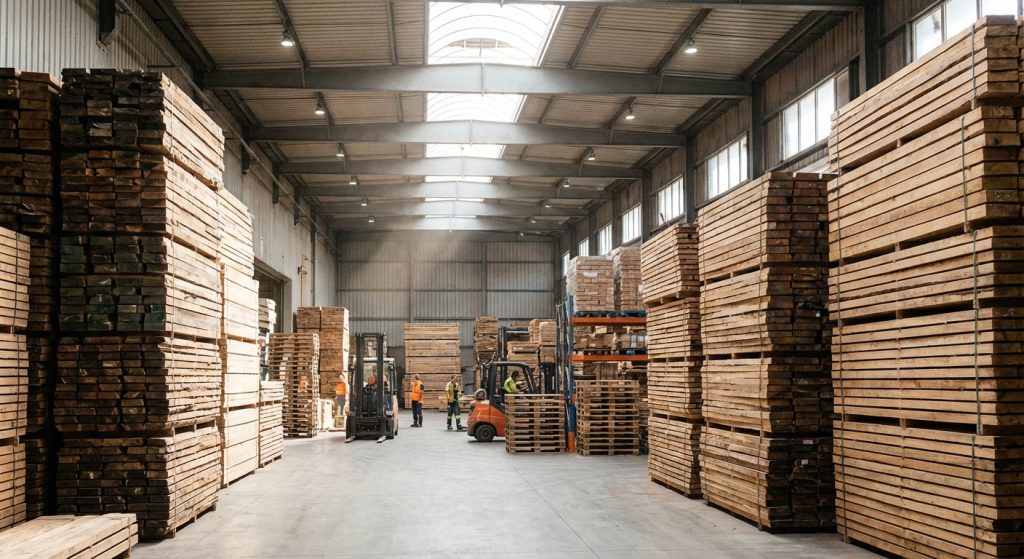
Is their timber FSC or PEFC certified?
Illegal logging is a major “gray area” risk that can lead to your shipments being seized by customs under the Lacey Act or EU Timber Regulation. The best part? Certified wood comes with a paper trail that proves sustainability, giving your brand a powerful story to tell your customers.
Do they comply with chemical emission laws?
For the North American market, you must ensure the manufacturer meets CARB Phase 2 and TSCA Title VI standards for formaldehyde emissions in composite woods. Think about it: shipping non-compliant furniture is a “gray area” that can result in massive fines and a total recall of your product line.
What are their social audit results?
Look for factories that have passed BSCI or SMETA audits, which verify fair wages, safe working conditions, and the absence of child labor. Here is the truth: a factory that treats its workers well is a factory that produces higher quality work with fewer mistakes and lower turnover.
To simplify the compliance landscape, refer to this table of mandatory standards for different global markets.
| Market | Mandatory Standard | Focus | Risk of Non-Compliance |
|---|---|---|---|
| United States | TSCA Title VI | Formaldehyde Emissions | Port seizures and heavy EPA fines. |
| European Union | EUTR / REACH | Wood Origin & Chemicals | Legal prosecution and product bans. |
| United Kingdom | UKTR | Sustainable Forestry | Massive brand reputation damage. |
| Global | ISO 14001 | Environmental Management | Loss of high-end commercial contracts. |
But wait, there’s more:
Key Takeaway: Ethical compliance is your “legal insurance policy,” ensuring your supply chain remains resilient against changing international regulations.
VIII. Logistics Logic to Choose Furniture Manufacturers
To choose furniture manufacturers properly, you must consider the logistics of how the product gets from their floor to your warehouse. Furniture is bulky, heavy, and prone to damage, making the factory’s geographical location and packaging expertise just as important as the product itself.
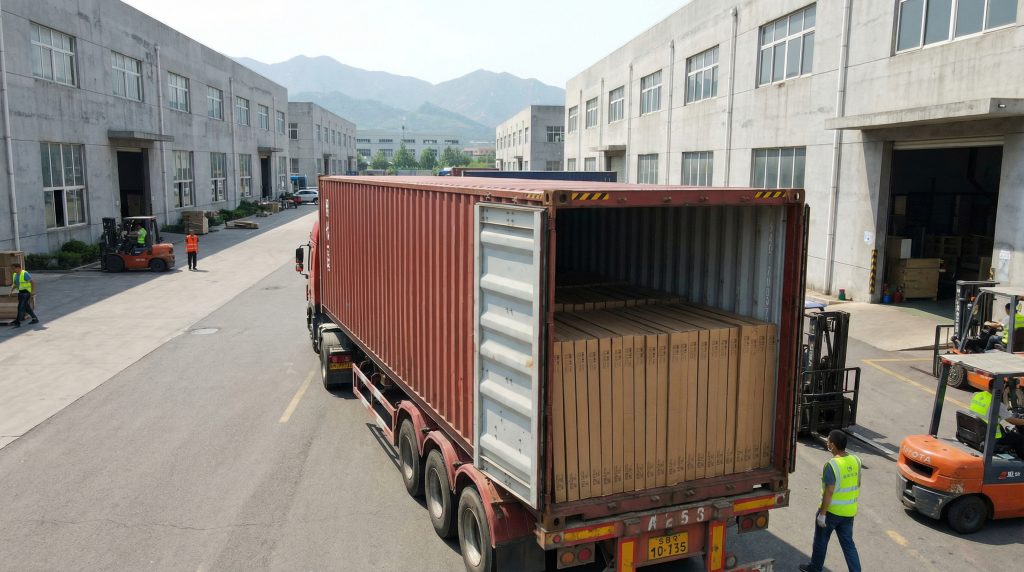
Is the factory close to a deep-water port?
Choosing a manufacturer located hundreds of miles inland adds unnecessary “gray area” costs in the form of high drayage fees and increased risk of transit damage. Let’s dive deeper: a factory near hubs like Qingdao or Ningbo can react much faster to shipping schedule changes and container shortages.
Have they performed ISTA drop tests?
Your packaging must survive a journey across the ocean and through a local delivery network without a single scratch. Believe it or not: many factories use “standard” cartons that fail the first time a delivery driver drops them, leading to a high return rate that kills your profit.
Do they optimize container loading?
A professional logistics team will provide a 3D loading plan to maximize the number of pieces in a 40HQ container, reducing your “cost per unit” shipping price. You might be wondering: poor loading is a “gray area” where empty space costs you thousands of dollars over a year of shipments.
Below is a comparison of how different logistical factors impact your landed cost and delivery reliability.
| Factor | Port-Adjacent Factory | Inland Factory | Impact Analysis |
|---|---|---|---|
| Trucking Cost | 200−400 per container | 1,200−3,000 per container | Inland costs can reduce margins by 5%. |
| Transit Time | 1-2 days to port | 5-7 days to port | Proximity allows for last-minute booking. |
| Damage Risk | Low (fewer handlings) | High (multiple transfers) | Each transfer point is a potential failure point. |
| Flexibility | High (can use multiple ports) | Low (limited by rail/road) | Geographic choice is a strategic advantage. |
Make no mistake:
Key Takeaway: Logistics should never be an afterthought; the “gray area” of inland transport can easily wipe out any savings you gained on the production price.
IX. Using Samples to Choose Furniture Manufacturers
The prototyping phase is your final chance to choose furniture manufacturers before committing your capital to a mass production run. Think of the sample not just as a product, but as a “physical contract” that defines exactly what you expect to receive in every container.

Did they follow the spec exactly?
Compare the sample to your original tech drawings using a furniture factory audit checklist to ensure every measurement is within the agreed-upon tolerance. The best part? Identifying a deviation now is a simple fix, whereas finding the same mistake in 1,000 chairs is a commercial disaster.
How does the structure feel?
Perform a “stress test” by putting double the intended weight on the piece and checking for creaks, wobbles, or joint separation. Here is the truth: a prototype that looks good but feels “soft” in its joinery will never survive the rigors of commercial use or residential longevity.
Is the finish consistent in all lighting?
Take the sample into direct sunlight, fluorescent light, and warm LED light to ensure the color doesn’t shift into an undesirable hue. You might be wondering: why does this matter? Consistency across different lighting environments is what prevents customer returns based on “it doesn’t look like the photo.”
The following summary table helps you choose the prototype against the mass production expectations.
| Prototype Check | Pass Criteria | Fail Criteria | Corrective Action |
|---|---|---|---|
| Dimensions | Within +/- 2mm | Over 5mm variance | Re-calibrate CNC templates. |
| Joinery | Flush, no visible glue | Gaps or glue squeeze-out | Adjust clamping pressure and jig fit. |
| Surface | No “orange peel” or dust | Rough patches or bubbles | Improve spray booth filtration. |
| Stability | Zero wobble on flat surface | “Rocking” motion | Level the legs before final assembly. |
It gets better:
Key Takeaway: If a manufacturer cannot get a single sample right after three attempts, they lack the technical discipline to handle a mass production order.
X. Contractual Terms to Choose Furniture Manufacturers
The final step to choose furniture manufacturers is to codify the relationship with a contract that leaves no “gray areas” regarding liability and quality. A strong contract is not a sign of distrust; it is a professional framework that protects both the buyer’s investment and the factory’s reputation.

Do you have a Quality Assurance Agreement (QAA)?
A standard PO is not enough; you need a QAA that defines the AQL (Acceptable Quality Level) and what happens if the defect rate exceeds it. Make no mistake: without a pre-signed agreement on rework costs, you will find yourself in an unconfirmed “gray area” when defects are discovered.
Is your Intellectual Property (IP) protected?
Ensure your contract includes non-disclosure and non-compete clauses that prevent the factory from selling your custom designs to your competitors. Let’s dive deeper: many manufacturers will showcase your “unique” designs at trade fairs unless you explicitly prohibit it in a binding legal document.
Are there clear penalty clauses for delays?
Implement a “liquidated damages” clause that applies a small discount to the final invoice for every week the production exceeds the agreed lead time. Believe it or not: a small financial penalty is the most effective way to ensure your order stays at the top of the factory’s priority list.
Use this table as a final checklist for the essential protective clauses in your manufacturing agreement.
| Contract Clause | Purpose | Typical Market Term |
|---|---|---|
| Defect Liability | Defines who pays for rework | Supplier covers 100% if > AQL. |
| Delay Penalty | Ensures on-time shipping | 1% of order value per week of delay. |
| IP Protection | Prevents design theft | 5-year non-disclosure agreement. |
| Dispute Resolution | Defines legal jurisdiction | Arbitration in a neutral trade hub. |
Here is the truth:
Key Takeaway: A detailed contract turns unconfirmed “gray areas” into black-and-white responsibilities, providing the security you need to scale your furniture business.
Frequently Asked Questions
Can I choose a manufacturer without visiting the factory in person?
Yes, but you must rely on a combination of third-party audits and a comprehensive sampling process to bridge the distance. While a video tour is helpful, a physical inspection by a professional auditor provides the technical data that a camera often misses.
What is the best way to handle a manufacturer who refuses to sign a Quality Agreement?
This is a major red flag that indicates the supplier is not confident in their ability to meet consistent standards. You should treat this refusal as a sign that they intend to operate in “gray areas” where they cannot be held accountable for production failures.
How do I know if a manufacturer is truly the one making my furniture?
Conduct an unannounced “middle-of-production” audit to verify that your order is on their assembly line and not at a sub-tier factory. Many “manufacturers” are actually trading companies that outsource to smaller, unverified shops to increase their profit margins at your risk.
Final check
Evaluating furniture manufacturers is a meticulous journey of turning unconfirmed “gray areas” into actionable data. By following this guide, you can eliminate the information gaps that lead to costly production failures. If you need assistance implementing these confirmation methods, contact us to see how Everwoody helps buyers secure their global furniture supply chain.